










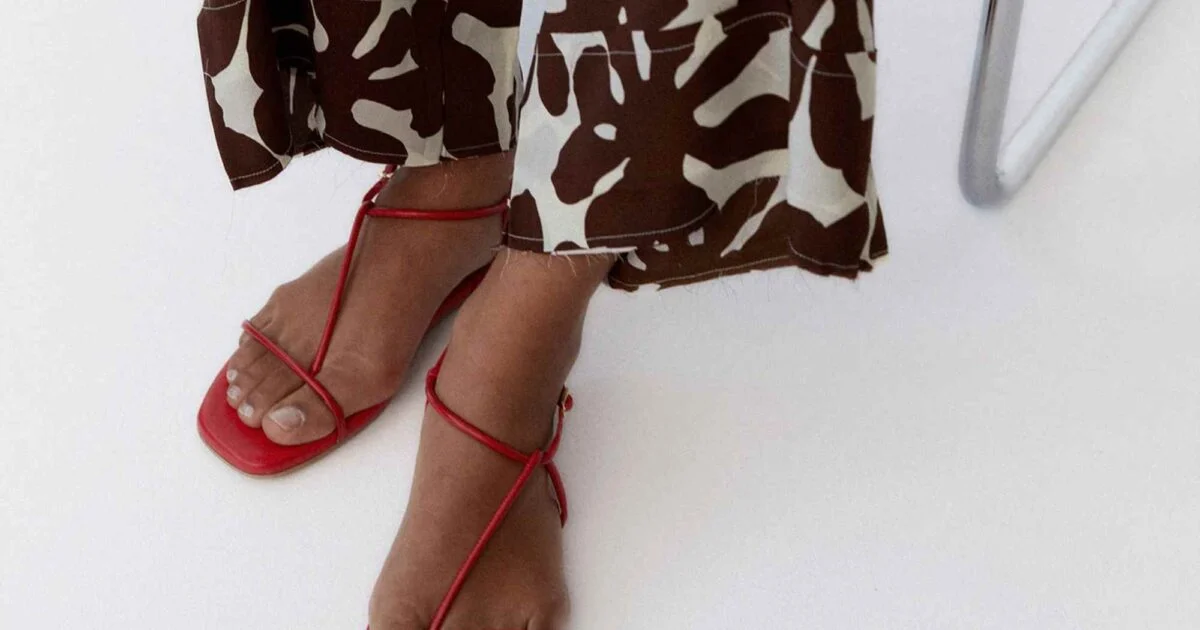
As warmer weather beckons, the quest for the perfect pair of sandals—combining style, comfort, and conscientious production—has intensified, reflecting a broader shift in consumer values towards sustainability and ethical practices within the fashion industry. This demand has spurred a dedicated movement among brands to incorporate lower-impact materials and responsible manufacturing, challenging the traditional paradigms of footwear production.
The Indispensable Warm Weather Staple: A New Imperative for Sustainability
Sandals have long been an indispensable component of summer wardrobes, accompanying individuals on everything from leisurely beach walks and park picnics to backyard gatherings. However, the seemingly simple act of selecting a pair has evolved beyond mere aesthetics and comfort. Today, consumers are increasingly scrutinizing the environmental and social impact of their purchases. This growing awareness is driven by numerous reports highlighting the fashion industry’s significant contribution to global pollution, resource depletion, and often questionable labor practices. Consequently, finding sandals that are not only "cute and comfy" but also have a demonstrably lower impact on people, the planet, and animals has become a primary consideration for a significant segment of the market.
The Environmental and Social Imperative in Footwear Production
The footwear industry, a subset of the broader fashion sector, faces unique challenges in its journey towards sustainability. Traditional shoe manufacturing is notoriously resource-intensive, relying heavily on materials like virgin plastics, petroleum-derived synthetics, and conventionally processed leathers. The tanning process for leather, for instance, is often associated with high water consumption and the discharge of toxic chemicals, including chromium, into waterways, posing severe health risks to workers and local communities. Similarly, synthetic materials like polyurethane (PU) and polyvinyl chloride (PVC), while durable, are derived from fossil fuels and can be difficult to recycle, contributing to landfill waste for centuries.
Beyond environmental concerns, the social dimension of footwear production is equally critical. The global supply chains for shoes often involve complex networks of factories, frequently located in developing countries where labor laws may be less stringent or enforcement lax. Issues such as low wages, unsafe working conditions, excessive working hours, and the absence of basic worker rights have been widely documented. The demand for "fast fashion" and rapidly changing trends exacerbates these problems, placing immense pressure on manufacturers to produce goods quickly and cheaply, often at the expense of human welfare.
Defining a More Sustainable and Ethical Sandal
The criteria for what constitutes a "more sustainable" or "ethical" sandal are multifaceted, encompassing material sourcing, manufacturing processes, labor standards, and the overall lifecycle of the product. Brands committed to these principles typically focus on several key areas:
1. Lower-Impact Materials:
- Natural and Renewable Resources: This category includes materials like cork, celebrated for its renewability (harvested from cork oak trees without felling them), lightweight properties, and natural shock absorption. Responsibly sourced natural rubber (FSC-certified or from sustainable plantations) offers a biodegradable alternative to synthetic rubbers. Organic cotton and hemp are also gaining traction for straps and linings, reducing the environmental footprint associated with conventional cotton cultivation (which is often pesticide and water-intensive).
- Recycled Materials: The circular economy model emphasizes the use of post-consumer or post-industrial waste. Brands are increasingly incorporating recycled PET (RPET) from plastic bottles, recycled rubber, and even recycled textile waste into their footwear components, diverting waste from landfills and reducing the demand for virgin resources.
- Innovative Vegan Alternatives: For consumers seeking animal-free options, the landscape of alternative leathers has rapidly expanded beyond traditional PU and PVC. Materials made from agricultural waste products such as grape skins (from winemaking), apple skins (from juice production), and even pineapple leaves (Piñatex) offer bio-based, lower-impact alternatives. The development of mushroom-based leathers (Mylo) also represents a cutting-edge frontier. While these innovations are promising, it is crucial for consumers to remain discerning, as some "vegan leathers" still contain a significant proportion of plastics. Transparency regarding the composition of these materials is key.
2. Ethical Production Practices:
- Fair Labor and Living Wages: A cornerstone of ethical production is ensuring that workers throughout the supply chain receive fair wages that cover their basic needs and have safe, healthy working environments. This often involves partnering with factories that adhere to international labor standards, conducting regular audits, and fostering long-term relationships with suppliers.
- Reduced Environmental Footprint in Manufacturing: Sustainable production extends to the factory floor, focusing on practices that minimize waste, conserve water, and reduce energy consumption. This includes using renewable energy sources, implementing closed-loop water systems, and adopting low-waste cutting techniques for materials.
- Chemical Management: Avoiding harmful chemicals like aromatic amines, PCP, formaldehyde, PVC, phthalates, azo-dyes, and chrome in the manufacturing process is vital for worker safety and environmental protection.
3. Circularity and Longevity:
- Durability and Repairability: Promoting product longevity is inherently sustainable. Brands designing for durability and offering repair services encourage a "buy less, buy better" philosophy.
- End-of-Life Solutions: Considering what happens to a product at the end of its life is crucial. This includes designing for recyclability or compostability where possible, and supporting initiatives like second-hand resale platforms or local charity shops to extend the product’s lifespan. The market for pre-loved shoes significantly reduces the environmental impact associated with new production.
A Timeline of Conscious Footwear Evolution
The journey towards ethical footwear has paralleled the broader sustainable fashion movement. While niche brands and activists championed environmental and social causes in the late 20th century, mainstream awareness began to significantly increase in the early 2000s.
- Early 2000s: Initial focus on organic cotton and fair trade principles. Footwear was slower to adapt due to material complexity.
- Mid-2000s: Increased scrutiny of labor practices in global supply chains, partly driven by exposés in the apparel industry, which gradually extended to footwear.
- 2010s: Emergence of dedicated vegan footwear brands. Innovation in plant-based leather alternatives began to accelerate, moving beyond basic synthetics. Transparency became a buzzword, with brands starting to disclose supply chain information.
- Late 2010s – Present: Explosive growth in sustainable material science. Focus shifts to circularity, carbon footprint reduction, and social impact alongside environmental concerns. Rating systems like Good On You gain prominence, empowering consumers with accessible information. The global ethical fashion market size, valued at approximately USD 6.9 billion in 2022, is projected to grow substantially, indicating a robust consumer interest and industry commitment.
Spotlight on Brands Leading the Sustainable Sandal Charge
Our editorial team, leveraging a rigorous ratings system that assesses brands based on their impact on people, the planet, and animals, has identified several exemplary brands offering stylish, comfortable, and responsibly made sandals. These brands showcase diverse approaches to sustainability, from innovative materials to ethical labor practices and circular economy models.
ESSÄN: Founded by Marre Muijs in 2016, ESSÄN exemplifies the "slow fashion" philosophy. Muijs articulated her brand’s mission as a direct response to an industry that "overproduces more than it carefully crafts, chases trends more than it determines classics, and wastes more than it sustains." ESSÄN eschews seasonal fashion calendars, focusing instead on a permanent collection crafted with limited production runs and low-waste cutting techniques. This approach minimizes textile waste and promotes timeless design, encouraging longevity and reducing the impulse for frequent consumption. The brand’s commitment to thoughtful production aligns with the principles of resource efficiency and waste reduction.
Agazi: Hailing from Poland, Agazi is a dedicated vegan footwear brand. Its extensive range, which includes sneakers, sandals, and heels, is crafted exclusively from non-animal-derived materials. Agazi is at the forefront of material innovation, utilizing hemp and advanced alternative leathers made from apple and grape skins. This commitment to plant-based materials significantly reduces the environmental footprint associated with conventional leather production and offers a compelling option for ethical consumers prioritizing animal welfare.
Spell: This Australian fashion brand, known for its bohemian aesthetic inspired by far-off places and vintage treasures, extends its responsible practices to footwear. Spell’s garments and accessories, including sandals, are designed and sampled in Byron Bay, Australia, and produced responsibly in factories globally. The brand’s focus on ethical production in its supply chain ensures that its stylish offerings are made under conditions that respect workers’ rights, making it a choice for consumers seeking both style and social responsibility. Most garments are available in sizes 2XS-2XL, promoting inclusivity.
Bhava: BHAVA, an innovative vegan women’s footwear brand founded by designer Francisca Pineda, champions environmentally friendly materials. The brand incorporates organic cotton and recycled materials into its designs. Furthermore, Bhava takes a strong stance against harmful chemicals, explicitly stating that its vegan leather is free from aromatic amines, PCP, formaldehyde, PVC, phthalates, azo-dyes, or chrome. This meticulous attention to material composition and chemical safety underscores a deep commitment to both environmental protection and human health throughout the product lifecycle.
Nisolo: An American brand, Nisolo distinguishes itself through its unwavering commitment to living wages across its entire supply chain. This focus addresses one of the most pressing social issues in the fashion industry, ensuring that skilled artisans receive fair compensation for their craftsmanship. Beyond fair wages, Nisolo actively works to combat climate change, likely through carbon offsetting initiatives, sustainable sourcing, and efficient production methods. Their shoes are available in EU sizes 35-42, reflecting a broad appeal for conscious consumers.
Up-Fuse: Based in Cairo, Egypt, Up-Fuse is a compelling social enterprise promoting an eco-conscious lifestyle through circularity and social empowerment. Operating under the belief that "one’s trash is another’s fabric," the brand upcycles plastic waste into unique products, including sandals. Critically, Up-Fuse collaborates with Syrian, Ethiopian, and Sudanese female refugees in Egypt, providing them with meaningful employment opportunities and contributing to their economic independence. This model offers a powerful example of how environmental sustainability and social justice can be interwoven.
Etiko: As an Australian pioneer in organic fair trade clothing and shoes, Etiko has consistently set a high bar for upholding and campaigning for the human rights of workers in traditionally exploitative industry supply chains. Their dedication to fair trade principles ensures that every step of production, from raw material sourcing to manufacturing, adheres to stringent ethical standards. Etiko’s commitment goes beyond mere compliance, actively advocating for systemic change within the industry. Their clothing is available in AU sizes 8-20, and shoes in UK sizes 3-13.
Vesica Piscis: This Spanish vegan footwear brand demonstrates a holistic approach to sustainability. Vesica Piscis utilizes a high proportion of lower-impact materials, emphasizing resource conservation. Crucially, the brand powers its manufacturing processes with renewable energy, significantly reducing its carbon footprint. Furthermore, Vesica Piscis operates on a made-to-order basis, a strategic decision to minimize overproduction and waste, aligning perfectly with circular economy principles. Most of their shoes are available in sizes 36-46.
The Broader Impact and Future Implications
The rise of sustainable and ethical sandal brands is more than a fleeting trend; it signifies a fundamental shift in consumer expectations and industry practices. The increasing availability of such options demonstrates that fashion can indeed be both desirable and responsible.
Market Growth and Industry Transformation: The ethical fashion market is experiencing significant growth, driven by informed consumers who are willing to invest in products aligned with their values. This growing demand acts as a powerful incentive for larger, conventional brands to re-evaluate their supply chains, material choices, and manufacturing processes. We are witnessing a trickle-down effect where the innovations and standards set by pioneering sustainable brands begin to influence the broader market, pushing for more widespread adoption of responsible practices.
Consumer Empowerment and Education: Platforms like Good On You play a crucial role in demystifying the complexities of sustainability ratings. By providing transparent, comprehensive assessments of brands’ environmental, social, and animal welfare impacts, these directories empower consumers to make informed choices, effectively cutting through "greenwashing" – the practice of making unsubstantiated claims about environmental benefits. This accessibility of information fosters a more discerning and impactful consumer base.
Future Outlook: The trajectory for sustainable footwear points towards even greater innovation in materials, with ongoing research into bio-fabrication, waste valorization, and truly circular design. Increased traceability within supply chains, facilitated by blockchain technology and other digital solutions, will offer unprecedented transparency. Furthermore, the emphasis on product longevity, repair, and end-of-life recycling will likely become standard, moving towards a truly circular fashion economy where waste is minimized, and resources are continually re-utilized.
Ultimately, the summer sandal, once a simple fashion item, has become a symbol of a larger movement towards conscious consumption. By choosing brands that prioritize people, the planet, and animals, consumers are not only stepping out in style and comfort but also contributing to a more sustainable and equitable future for the fashion industry. The journey is ongoing, but the strides made by these pioneering brands offer a clear path forward.
Editors’ Note: This article was updated on 5 May 2026. Good On You publishes the world’s most comprehensive ratings of fashion and beauty brands’ impact on people, the planet, and animals. Our editors frequently make updates to articles to ensure they’re up to date and include brands with recent ratings. Feature image via ESSÄN.