






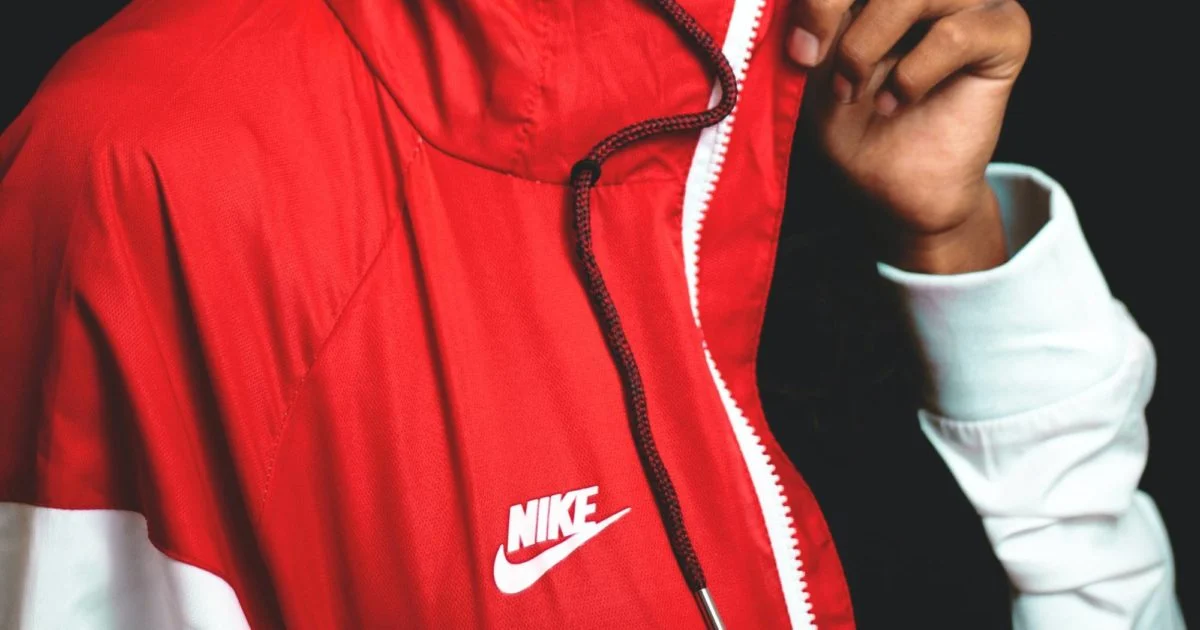
Despite its global dominance and inspiring marketing, Nike, one of the world’s largest sportswear brands, currently holds an "It’s a Start" rating in its most recent ethical assessment, published in January 2026. This evaluation indicates that while the company has taken some initial steps towards more responsible practices, significant challenges persist across its operations concerning environmental impact, labor conditions, and animal welfare. The brand’s journey from historical controversies to its current standing reveals a pattern of reacting to external pressure rather than proactively leading on ethical issues, prompting ongoing scrutiny from consumers and advocacy groups alike.
Historical Context: The Genesis of Ethical Scrutiny
Nike’s immense popularity has frequently been juxtaposed with persistent ethical concerns, a narrative that dates back decades. The earliest and most enduring criticism against the brand centered on allegations of "sweatshop" labor in its overseas factories. As early as the 1970s, reports began to surface, but it was in the early 1990s that these accusations gained widespread public attention. A pivotal moment came with activist Jeffrey Ballinger’s 1992 report and subsequent article in Harper’s Magazine, which meticulously detailed low wages, excessive working hours, and unsafe conditions within Nike’s Indonesian manufacturing facilities. This exposé ignited a sustained grassroots campaign led by organizations such as United Students Against Sweatshops, transforming Nike into a focal point for the anti-sweatshop movement.
Initially, Nike’s response was characterized by denial and a reluctance to acknowledge the severity of the issues. However, facing mounting consumer boycotts, negative media coverage, and public pressure, the company eventually initiated reforms. These measures included improving factory monitoring, implementing a minimum age for workers, and increasing the frequency of factory audits. While these steps marked a turning point, critics observed that the brand’s engagement with ethical issues often appeared reactive, a pattern that would recur in subsequent years.
Labor Practices: Persistent Challenges and Recent Setbacks
Despite historical reforms, Nike’s labor practices continue to draw criticism, leading to a downgrade in its labor rating to "Not Good Enough" in the most recent review. A significant setback occurred in 2017 when Nike withdrew its commitment to the Worker Rights Consortium (WRC), an independent labor rights monitoring organization. This decision effectively removed an external layer of independent oversight from its supplier factories, raising concerns among labor advocates about the transparency and effectiveness of Nike’s internal auditing processes.
A glaring omission in Nike’s commitment to worker safety is its failure to sign the International Accord for Health and Safety in the Textile and Garment Industry. This legally binding agreement, established in the wake of the devastating 2013 Rana Plaza factory collapse in Bangladesh, aims to ensure fundamental safety improvements in garment factories. With over 1,100 workers killed and thousands injured in the Rana Plaza tragedy, the Accord represents a crucial industry standard for preventing similar disasters. The fact that even its primary competitor, Adidas, has signed the Accord underscores the perceived reluctance of Nike to commit to this vital safety initiative. Advocacy groups emphasize that neglecting such a commitment leaves thousands of garment workers potentially vulnerable.
The issue of living wages remains a central point of contention. The 2018 "Foul Play" report, a collaborative effort by the Clean Clothes Campaign and Collectif Ethique sur l’Etiquette, starkly highlighted the disparity between Nike’s substantial marketing expenditures and athlete sponsorships, and the declining share of the final product price allocated to factory workers. The report urged Nike to commit to implementing living wages across its entire supply chain. Eight years later, while Nike has adopted a living wage definition consistent with the Global Living Wage Coalition and ensures payment in some final production stages, it has yet to implement this critical standard comprehensively throughout its vast network of suppliers. Recent allegations, as investigated by ProPublica and The Oregonian, suggest that Nike has strategically shifted production to regions in Indonesia with lower minimum wages, a move interpreted by critics as an attempt to further reduce labor costs at the expense of worker welfare. For a company with Nike’s immense purchasing power and scale of production, these practices are widely deemed insufficient, with calls for the brand to engage more actively with its suppliers to ensure long-term financial security for all workers.
Furthermore, Nike’s commitment to diversity and inclusion, often a cornerstone of its public image and advertising campaigns, has also come under scrutiny. While the brand has established basic policies to support diversity and inclusion within its direct operations and supply chain, recent reports from the Business of Fashion indicate a potential backtracking. This includes not publishing a 2025 impact report and scaling back on culturally significant collections such as those for Black History Month and Pride, leading to questions about the depth of its commitment beyond marketing.
Adding to the chronology of labor concerns, Nike faced a protracted five-year campaign by several organizations, including the Clean Clothes Campaign, Fair Labor Association, Worker Rights Consortium, and Partners for Dignity and Rights, before committing to compensate approximately 3,300 workers at its Thai supplier factory, Hong Seng Knitting. These workers were allegedly pressured into taking unpaid leave during the COVID-19 pandemic. The lengthy delay in securing compensation further illustrates the brand’s perceived tendency to act only under sustained external pressure.
Environmental Impact: A Mixed Record
On environmental performance, Nike maintains an "It’s a Start" rating. The brand utilizes some lower-impact materials in its production. However, a significant transparency gap exists: Nike does not publish an aggregate breakdown of the materials used across its product lines. This lack of comprehensive data makes it challenging for external analysts to ascertain the true proportion of sustainable fibers in its overall material mix, potentially opening the door to accusations of greenwashing where limited efforts might be highlighted over the broader impact.
Nike has established a science-based target to reduce greenhouse gas emissions across its operations and supply chain, aligning with broader industry efforts to combat climate change. However, as of the January 2026 assessment, the brand has not publicly shared sufficient evidence to demonstrate whether it is on track to meet these critical emissions reduction targets. This lack of transparent reporting on progress diminishes accountability and makes it difficult to assess the actual environmental efficacy of its commitments.
The company has also introduced circularity initiatives aimed at waste reduction. These include its "Re-Creation" product upcycling program and a "Refurbished" program that involves refreshing and reselling unsold or "imperfect" sneakers (such as factory seconds or tarnished customer returns). While these initiatives are positive steps, their overall scale and impact remain unclear. Without transparent data on the volume of products processed through these programs or their contribution to reducing overall textile waste, their meaningfulness in mitigating Nike’s substantial environmental footprint is difficult to quantify.
Animal Welfare: Persistent Concerns
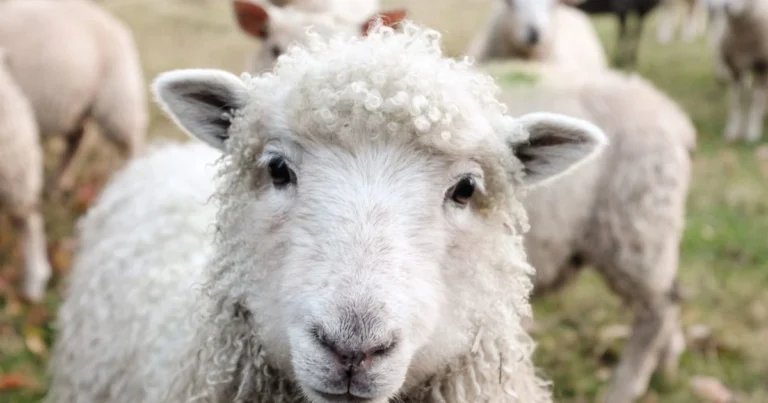
Nike’s animal welfare rating stands at "Not Good Enough," a status that has unfortunately remained unchanged for several years. The brand incorporates various animal-derived materials into its products, including wool, leather, down, shearling, and angora. While some of these materials may be recycled or sourced from certified alternatives to conventional leather and wool, these efforts are not deemed sufficient given the brand’s immense scale. Critics argue that Nike’s large-scale production inherently drives continued demand for virgin animal fibers, contributing to the broader ethical concerns associated with animal agriculture and its environmental impact. Without a clearer commitment to phasing out or significantly reducing its reliance on these materials, and ensuring stringent welfare standards across its entire supply chain, the brand’s animal welfare performance remains subpar.
The Broader Implications of Nike’s "It’s a Start" Rating
Nike’s "It’s a Start" rating, while acknowledging some foundational efforts, underscores a critical disconnect between its market leadership and its ethical performance. As a titan of the sportswear industry and a powerful influencer in consumer culture, Nike has a profound responsibility to set higher standards. Its immense global reach and financial resources mean that any positive change implemented by the company could have a ripple effect across the entire industry, improving conditions for countless workers and significantly reducing environmental impact. Conversely, its continued reliance on reactive measures rather than proactive leadership perpetuates a cycle where ethical progress lags behind financial success.
The challenges Nike faces in achieving higher ethical standards are compounded by the complexity of its global supply chain, which spans numerous countries and involves thousands of factories and millions of workers. Ensuring transparency, fair wages, and safe working conditions across such an extensive network is an arduous task. However, advocacy groups consistently argue that the scale of the challenge does not absolve the company of its responsibility, particularly given its historical awareness of these issues. The implication for consumers is that while Nike products are ubiquitous, purchasing them may indirectly support practices that fall short of widely accepted ethical and sustainable benchmarks.
Moving Forward: Calls for Enhanced Transparency and Accountability
The consistent theme emerging from evaluations of Nike’s ethical performance is the urgent need for enhanced transparency and accountability. From publishing comprehensive material breakdowns to providing clear evidence of emissions reduction progress and, most critically, ensuring living wages and safe working conditions throughout its entire supply chain, the demands on Nike are clear. The brand’s historical pattern of responding to sustained pressure suggests that continued advocacy from consumers and organizations will be crucial in driving meaningful change.
Consumer Choices and Ethical Alternatives
For consumers who appreciate Nike’s aesthetic and functionality but wish to align their purchases with brands demonstrating stronger ethical and sustainable commitments, several alternatives exist. Brands like Tripulse, BAM, Flamingos’ Life, Agazi, and Ucon Acrobatics are examples of companies striving for "Good" or "Great" ratings by prioritizing sustainable materials, fair labor practices, and animal-friendly production methods. These alternatives often feature transparent supply chains, utilize organic or recycled materials, and commit to initiatives like living wages and robust worker safety protocols.
However, recognizing that these alternatives may not always meet every consumer’s specific needs, budget, or size requirements, opting for secondhand Nike products from resale platforms or thrift stores offers a more sustainable approach to acquiring the brand’s items, extending product lifecycles and reducing demand for new production. Furthermore, consumer engagement remains a powerful tool. Reaching out directly to brands through social media or dedicated feedback channels to demand greater ethical responsibility can contribute to the collective pressure needed to encourage significant corporate shifts.
Editor’s Note:
Feature image via Unsplash, all other images via brands mentioned. Good On You publishes the world’s most comprehensive ratings of fashion brands’ impact on people, the planet, and animals. Use our directory to search thousands of rated brands.
This article was updated on 17 March 2026, with the analysis reflecting the brand’s rating review published in January 2026.