






The Resurgence of Ultra-Thinness and the Pharmaceutical Push
One of the most visible and widely discussed manifestations of this "death aesthetic" is the return of the ultra-skinny body ideal, particularly among high-profile individuals. This trend has been significantly fueled by the increasing accessibility and widespread use of GLP-1 receptor agonist medications, such as Ozempic and Wegovy. Originally developed for the management of type 2 diabetes and chronic weight management, respectively, these drugs have seen a dramatic surge in off-label prescriptions for purely aesthetic weight loss.
A Rapid Rise in Pharmaceutical Weight Loss:
The U.S. Food and Drug Administration (FDA) approved semaglutide (marketed as Ozempic for diabetes and Wegovy for weight loss) in 2017 and 2021, respectively. Since then, prescriptions for these medications have skyrocketed. Data from IQVIA indicates that over 9 million prescriptions for GLP-1 agonists were dispensed in the U.S. in 2022, a significant portion of which were for weight loss. While initially praised for their efficacy in combating obesity, their cosmetic adoption by celebrities has rapidly shifted public perception, making extreme thinness appear attainable without the stringent diet and exercise regimens traditionally associated with maintaining such physiques. This has led to a noticeable change in celebrity appearances, with many appearing visibly thinner, sometimes to a degree that sparks public concern about their health. The term "Ozempic face" has emerged to describe the gaunt, hollowed-out look that can result from rapid weight loss, further emphasizing the potentially unhealthy extreme of this aesthetic.
Historical Context of Body Ideals:
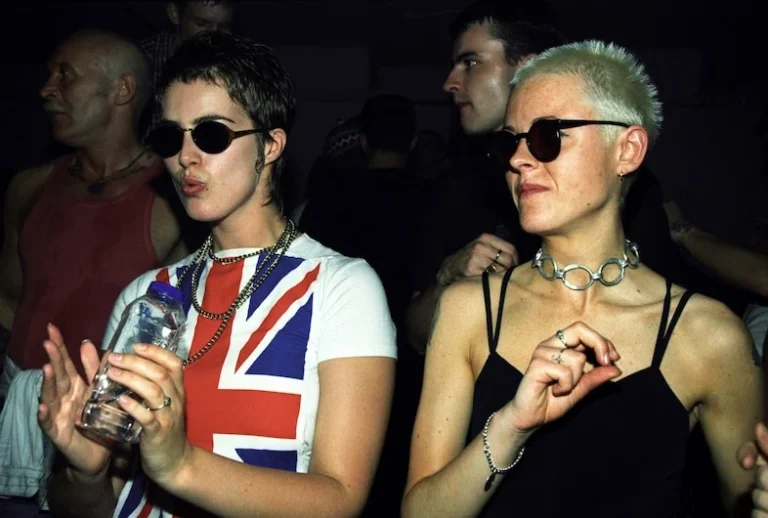
The current "starvation chic" echoes previous fashion epochs, such as the "heroin chic" of the 1990s, which glorified an emaciated, waif-like figure. However, the current iteration is distinct due to the pharmaceutical pathway to achieving it. Unlike previous eras where extreme thinness was often achieved through restrictive diets and intense exercise (or, tragically, eating disorders), GLP-1s offer a seemingly less arduous route, democratizing extreme weight loss for both the elite and, increasingly, the general public. This raises complex questions about societal values: does such frailty, potentially signaling a life unburdened by strenuous physical labor or the need to manage caloric intake, become a new status symbol? It suggests a life of "glamorous suspended animation," where the body exists in a state of carefully managed, almost ethereal, stillness.
The Allure of Numb Femininity
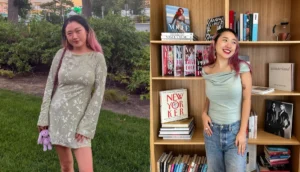
Complementing the skeletal aesthetic is the burgeoning trend of "numb femininity," a cultural phenomenon characterized by emotional detachment and a muted affect. This concept gained significant traction following actress Rachel Sennott’s declaration on the Oscars red carpet that "numb is in!" The statement, seemingly flippant, taps into a deeper current of cultural sentiment, particularly among younger generations.
Beta-Blockers and Emotional Management:
The "girlification" of beta-blocker medication, typically prescribed for heart conditions, hypertension, and performance anxiety, is a key component of this trend. Beta-blockers work by blocking the effects of adrenaline, reducing physical symptoms of anxiety like a racing heart or trembling hands, without significantly altering cognitive function. The appeal of these medications for managing social or professional anxiety, especially in high-pressure environments, has become increasingly normalized. This echoes a historical pattern of medicalizing female emotional states.
A Historical Echo of Female Tranquilization:
The concept of "numb femininity" is not entirely new. It recalls the "lobotomy chic" aesthetic of a few years prior and, more broadly, a long history of female tranquilization during periods of social and political upheaval. The 1950s and 60s, often referred to as the "golden age of tranquilizers," saw drugs like Valium aggressively marketed to women as "mother’s little helpers." These medications were presented as aspirational commodities, akin to household appliances, designed to help women cope with the immense pressures of domesticity and restrictive gender roles. Betty Friedan, in her seminal 1963 work The Feminine Mystique, critically observed that tranquilizer use was a widespread coping mechanism for women struggling with the "problem that has no name" – the profound dissatisfaction arising from societal expectations. The contemporary embrace of "numbness" through medication or aesthetic choices can be seen as a modern iteration of this coping mechanism, perhaps in response to the relentless demands of digital life, social scrutiny, and ongoing gender-based challenges.
Cadaveric Contributions to Cosmetic Perfection
Beyond aesthetic ideals and pharmaceutical aids, the literal incorporation of death into beauty practices has reached new frontiers through the use of human cadaveric material in cosmetic surgery. This represents a significant, and to some, unsettling, innovation in the pursuit of "mortal perfection."
The Science of Cadaveric Tissue in Aesthetics:
Cosmetic surgery conferences routinely utilize cadavers as practice models, allowing surgeons to refine techniques for procedures such as rhinoplasty or jawline contouring on non-living tissue. More significantly, donated human tissue from deceased individuals is increasingly being processed and used in actual cosmetic procedures. Products like Renuva and AlloClae, which are allograft adipose matrices derived from cadaveric fat, are gaining popularity. These materials are used for volume restoration, contouring, and even breast augmentation and Brazilian Butt Lifts (BBLs). AlloClae, for instance, allows individuals to achieve desired body contours, like a BBL, even if they lack sufficient autologous (their own) fat for transfer, a common challenge in the era of extreme thinness.
Market Growth and Ethical Considerations:
The market for allograft tissues in reconstructive and aesthetic surgery has been growing steadily. Transparency Market Research estimated the global allograft market to be valued at over $4.5 billion in 2022, with a projected compound annual growth rate (CAGR) of over 6% in the coming years. While these materials undergo rigorous screening and processing to ensure safety and minimize immunological rejection, their use raises profound ethical questions. The commodification of human remains for purely aesthetic purposes, even with donor consent, sparks debate among bioethicists and the public. Issues of informed consent, equitable access to donated tissue, and the psychological impact on recipients are all under scrutiny. The irony of using "store-bought" cadaver fat to achieve a BBL at a time when ultra-skinny is vogue highlights a disconnect: the demand for specific body shapes persists even when natural means to achieve them are undermined by other trends. As the article states, paraphrasing Ina Garten, "if you don’t have homemade body fat, store-bought is fine."
A Historical Lineage of Death and Beauty
The intricate relationship between death and beauty is not a modern invention; it has permeated human culture for millennia. From the elaborate funerary practices of Ancient Egypt, where bodies were meticulously preserved and adorned for the afterlife, to the aesthetic preferences of the Victorian era, where a pale, delicate, almost consumptive pallor was considered beautiful, evoking a romanticized fragility often associated with tuberculosis.
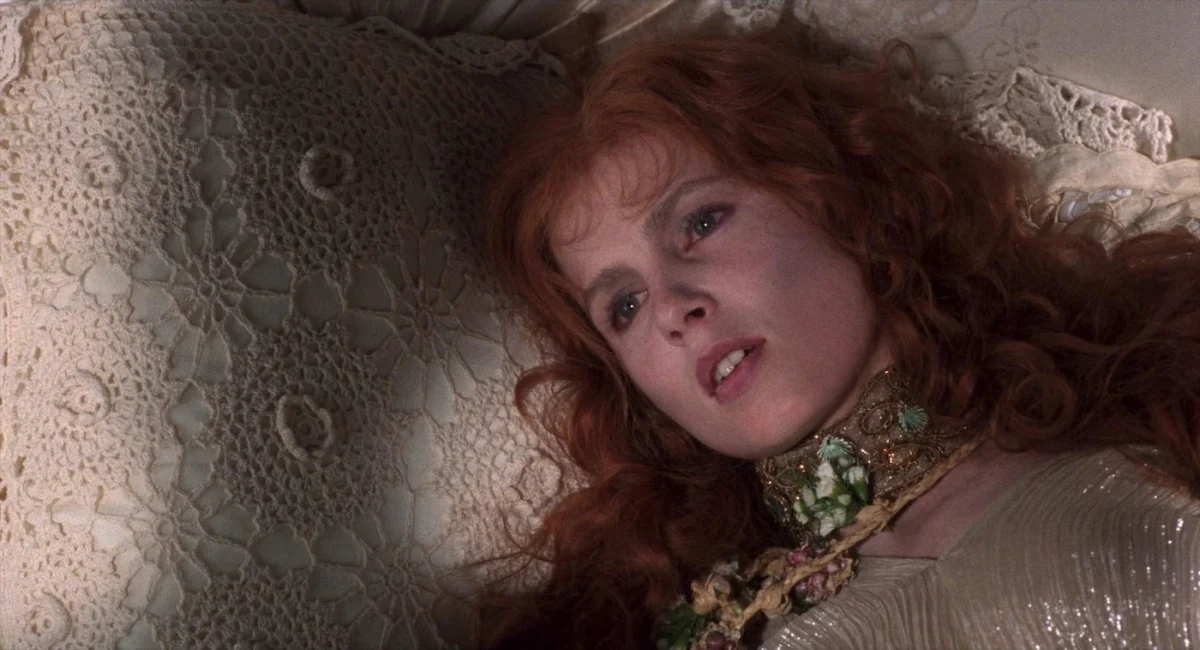
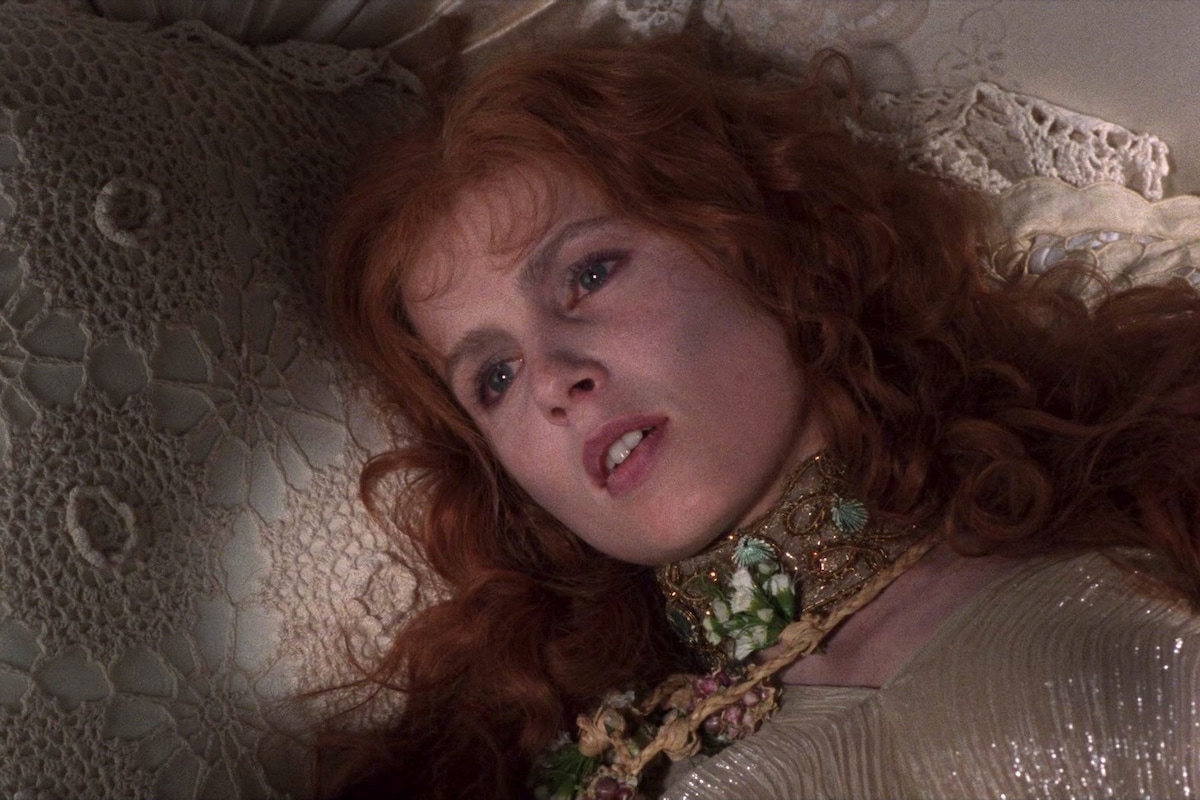
In popular culture, this fascination has been explored with satirical depth. Films like Robert Zemeckis’s 1992 dark comedy Death Becomes Her depicted two rival women obsessed with eternal youth, resorting to a magical potion that grants immortality but with grotesque side effects, metaphorically showcasing the horrors of an unnatural pursuit of beauty. Similarly, Ryan Murphy’s hypothetical 2026 series The Beauty (as referenced in the original article) would likely delve into the contemporary extremes of the beauty industry and its potentially morbid undertones. These narratives serve as cultural critiques, reflecting society’s enduring anxieties about aging, mortality, and the lengths to which individuals will go to defy them.
The Obscene Juxtaposition: Aestheticized Death vs. Real Death
What distinguishes the current moment, however, is the jarring juxtaposition of these beautified, aestheticized versions of death with the visceral reality of suffering and actual death unfolding globally. The ubiquity of social media platforms has collapsed these disparate realities into a single visual field, creating an experience that is both profoundly disturbing and, alarmingly, increasingly ordinary.
The Digital Feed’s Collisions:
On a typical social media feed, users can scroll from images of an ultra-thin celebrity on a red carpet, potentially reflecting the effects of GLP-1 medication or rigorous aesthetic regimes, directly to graphic news reports featuring emaciated bodies of people in Gaza, victims of famine and conflict. Articles detailing the latest cadaveric cosmetic procedures might appear alongside breaking updates on the war in Ukraine, complete with images of destruction and human loss. This relentless stream of information blurs the lines between manufactured aesthetics and profound suffering, between privileged self-optimization and existential struggle. The contrast feels obscene, yet the rapid-fire nature of digital consumption can desensitize individuals, making these jarring transitions strangely mundane.
Necropolitics and the Racialized Beauty Deathworlds
This stark divide between those who can aestheticize and profit from concepts of death and those who face its harsh reality directly aligns with the political theorist Achille Mbembe’s concept of "necropolitics." First articulated in 2003, necropolitics posits that power, in its ultimate expression, is the ability to determine who lives and who dies, or, more subtly, who is subjected to conditions that constitute a "living death." Mbembe coined the term "deathworlds" to describe "new and unique forms of social existence in which vast populations are subjected to living conditions that confer upon them the status of the living dead." His theory, rooted in observations of colonization and the racialized violence inherent in systems of control, argues that racism is a primary driver of necropolitics, a truth still evident in global inequalities and conflicts today.
Racialized Beauty Standards and Social Death:
In the context of contemporary beauty culture, these "deathworlds" are undeniably racialized. The "beautiful version of death" promoted through extreme thinness, emotional numbness, and preserved cadaveric perfection is overwhelmingly a whitened, privileged fantasy. It is a vision of stillness that is "numb, thin, preserved, and untouched," far removed from the violent, emaciating, and often racialized deaths depicted in global news. This aestheticized death is inaccessible and irrelevant to those living in actual deathworlds.
Furthermore, Mbembe’s necropolitics extends beyond literal death to encompass social or political death. In the current socio-political climate, marked by the rise of "manosphere" ideologies, legislative rollbacks of gender-based rights, a global turn towards "traditional" values, and outright claims by tech leaders that artificial intelligence and automation are designed to disenfranchise women, women are increasingly pushed into a state of social and political marginalization. Beauty’s "deathworlds" become yet another mechanism through which this "living death" is encouraged. Marginalization is cleverly repackaged as innovation, detachment, or aspiration. The pursuit of a detached, idealized, and almost lifeless beauty can be interpreted as a form of self-erasure, a capitulation to pressures that discourage robust agency and emotional expression. It transforms societal pressures into personal aesthetic choices, encouraging women to remain in a state of passive compliance, aesthetically pleasing but politically disempowered.
In conclusion, the contemporary beauty landscape, with its embrace of extreme thinness, emotional detachment, and even cadaveric interventions, reveals a complex and often disturbing relationship with mortality. This aestheticization of death, while rooted in historical precedents, takes on new and profound implications when viewed alongside the raw realities of global suffering and through the lens of necropolitics. It underscores a widening chasm between those who can afford to cultivate a privileged fantasy of stillness and those who are condemned to actual "deathworlds," prompting a critical examination of what our beauty ideals truly reflect about our society.