





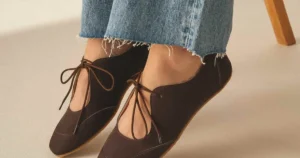


The pursuit of a refined and efficient wardrobe is a cornerstone of modern men’s style. The concept of a minimalist or capsule wardrobe, far from being a restrictive trend, represents a strategic approach to dressing that prioritizes versatility, quality, and enduring style. This philosophy, rooted in the idea of a curated collection of essential pieces that can be mixed and matched to create numerous outfits, offers a solution to the perennial question, "What shall I wear today?" While its origins are often attributed to boutique owner Susie Faux in the 1970s, the fundamental principle of a well-chosen, cohesive wardrobe is as old as dressing itself. A minimalist wardrobe is not about deprivation, but about intentionality, creating a foundation that is timeless, trans-seasonal, and resistant to the fleeting nature of fashion trends, while still allowing for personal expression through carefully chosen accent pieces.
The Pillars of a Minimalist Wardrobe
To construct a truly effective minimalist wardrobe for men, several key principles must guide the selection process. These foundational elements ensure that each piece serves a purpose and contributes to the overall coherence of the collection.
Versatility: The Double-Duty Principle
The essence of a minimalist wardrobe lies in its conciseness. Every item must be capable of performing multiple roles. A garment is only a valuable addition if it can seamlessly integrate into at least three distinct outfits. This principle extends to items like blazers, which should be equally at home paired with denim as they are with chinos. The focus is on maximizing utility, ensuring that each piece offers broad styling potential rather than serving a singular, niche purpose. This approach combats the accumulation of single-use items that often clutter traditional wardrobes.
Neutrality: The Foundation of Cohesion
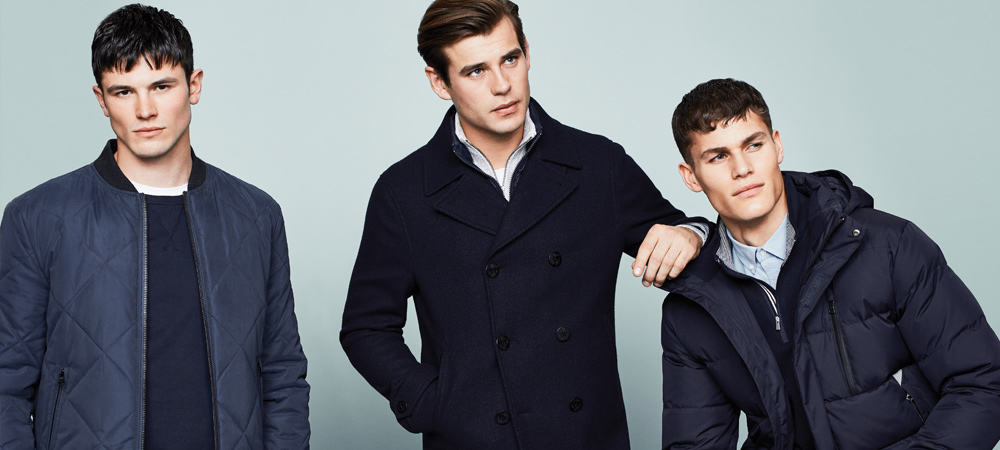
Color selection is paramount in a minimalist wardrobe. While vibrant hues have their place in fashion, a minimalist approach relies heavily on a palette of neutrals. These foundational colors—navies, greys, browns, olives, and blacks—form the backbone of the wardrobe, ensuring that nearly every item can be worn together. This strategy simplifies outfit creation and promotes a sophisticated, understated aesthetic. Unless one possesses an advanced understanding of color theory, sticking to a neutral base is the most effective way to achieve harmonious combinations.
Appropriateness: Functionality Meets Lifestyle
The value of any garment is ultimately determined by its wearability. A wardrobe, no matter how expensive or trend-driven, is only effective if its contents align with the wearer’s lifestyle and daily needs. Pieces should be chosen for their ability to transition effortlessly between various settings, from casual weekends to professional environments and evening engagements. The focus is on practicality and adaptability, ensuring that clothing enhances rather than hinders one’s daily activities.
Quality: Investing in Longevity
Given the limited number of items in a minimalist wardrobe, the quality of each piece becomes critically important. These are garments that will be worn frequently, and therefore, they must be constructed to withstand the test of time. High-quality fabrics and meticulous craftsmanship not only ensure durability but also contribute to a superior aesthetic. Unlike trend-driven items that may rely on embellishments or ostentatious details, minimalist pieces showcase the inherent quality of their construction. Poorly made garments will quickly betray their flaws when stripped of extraneous styling.
Embarking on the Minimalist Wardrobe Journey
Transitioning to a minimalist wardrobe can initially seem daunting, particularly for those accustomed to extensive collections. However, the process is fundamentally about decluttering and intentional acquisition. It’s not about discarding everything and starting anew with a monochromatic palette, but rather about a thoughtful assessment of existing possessions and a strategic approach to adding new pieces that enhance versatility and style.

Step 1: Defining Your Personal Style
The cornerstone of building a minimalist wardrobe is a clear understanding of one’s personal style. This involves reflecting on the pieces that are most frequently worn and those that are indispensable. Identifying existing staples and understanding one’s preferences for colors, patterns, and silhouettes is crucial. Furthermore, considering the practical demands of one’s profession and social life will help to tailor the wardrobe to specific needs, ensuring that the chosen pieces are not only aesthetically pleasing but also functional. This self-awareness serves as a guiding principle when evaluating current possessions and making future purchases.
Step 2: The Wardrobe Audit
A thorough decluttering of one’s entire clothing collection is the next essential step. This process, akin to a Marie Kondo-style tidying, involves emptying closets, drawers, and storage spaces to take a comprehensive inventory. Items should then be sorted into three categories: "Keep," "Toss," and "Maybe."
- Keep Pile: This category should comprise items that genuinely align with the established personal style, are frequently worn, and "spark joy." It’s important to be ruthless in this selection, as the purpose of a minimalist wardrobe is to eliminate items that are rarely worn or do not fit the intended aesthetic.
- Toss Pile: This includes items that are damaged, ill-fitting, or have not been worn in over a year. If an item does not fit the personal style or is consistently overlooked, it belongs in this pile.
- Maybe Pile: This category is for items that are difficult to part with but are not definitive keepers. These items can be stored separately for a period, and if they are not missed or worn, they can be donated or discarded.
The objective of this audit is to arrive at a collection of key pieces that are actively worn and genuinely reflect the individual’s style, rather than a closet filled with excess.
Step 3: Reacquainting with Your Optimized Wardrobe
Once the decluttering process is complete, the next phase involves understanding and appreciating the curated collection that remains. This is an opportunity to re-examine existing pieces, experiment with new combinations, and identify any genuine gaps that need to be filled. By becoming intimately familiar with the functionality and versatility of each item, one can confidently assemble outfits with ease, knowing that every piece contributes to a cohesive and stylish look.

Essential Components of a Men’s Capsule Wardrobe
The selection of core items is vital for building a functional and versatile minimalist wardrobe. These are the pieces that form the foundation, ensuring adaptability across various occasions and seasons.
Underwear and Socks: The Unsung Heroes
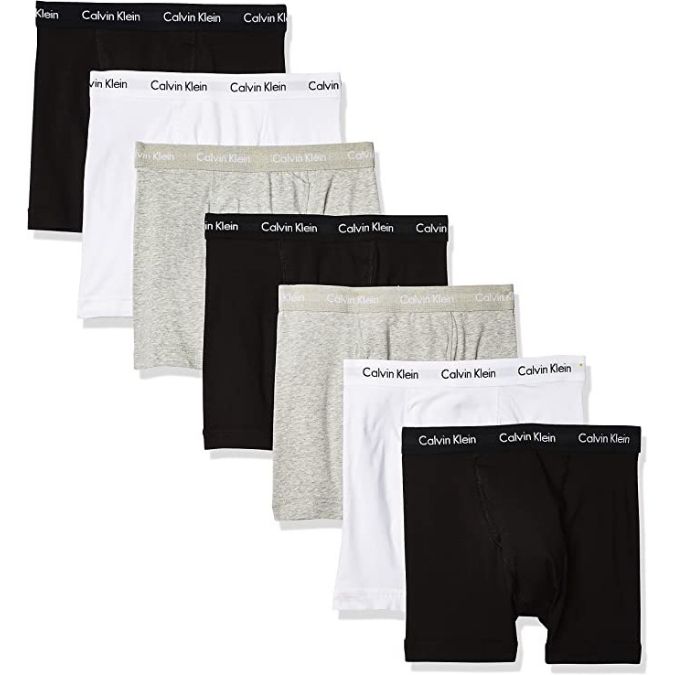
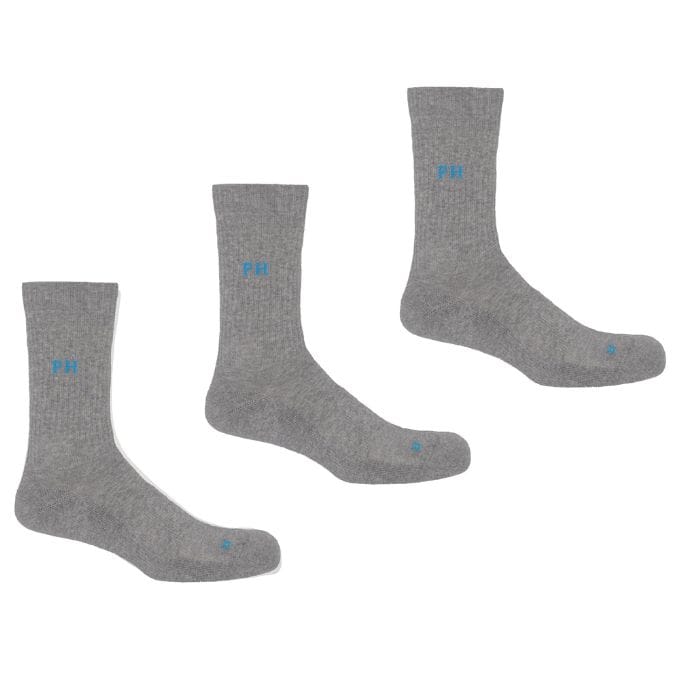
While often overlooked, the quality and suitability of underwear and socks are foundational. Opt for comfortable, breathable fabrics like cotton in dark, neutral colors. The fit is paramount, and it’s essential to replace items that show signs of wear, such as holes, sagging elastic, or loss of shape. While sustainability is a concern, maintaining a high standard of these essential items ensures comfort and a clean appearance. Regular replacement, even if not as frequent as every six months as some suggest, is advisable.

T-Shirts: Versatile Foundations
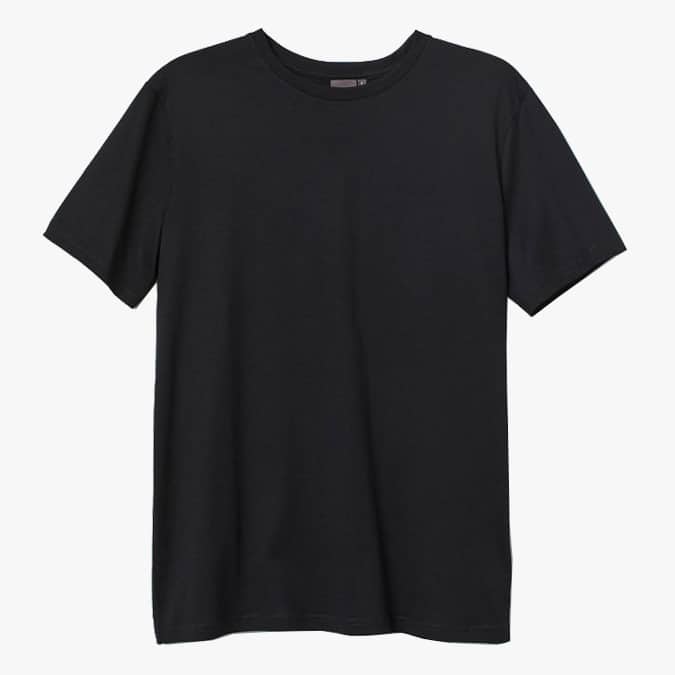
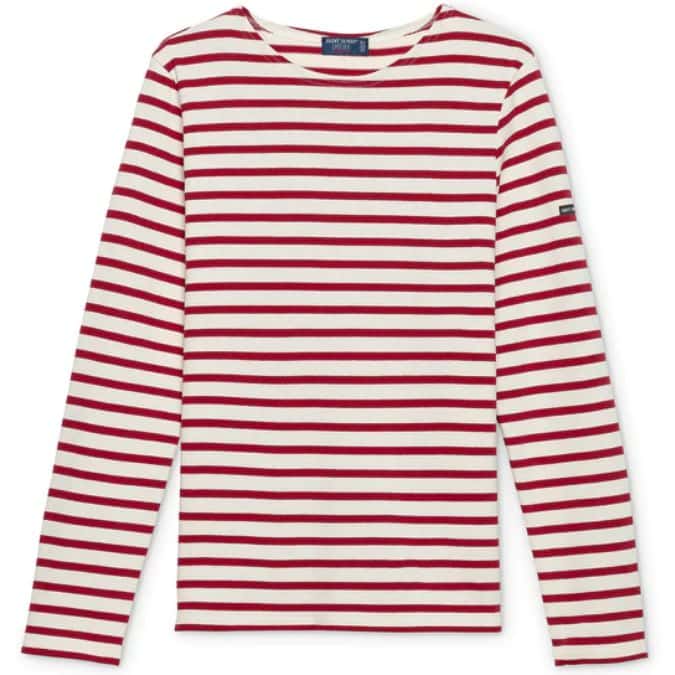
T-shirts are wardrobe workhorses, but their proliferation can lead to wearing less-than-ideal options simply because they are clean. A discerning approach is necessary. Avoid overly branded or slogan-heavy designs, as these can date quickly and detract from a sophisticated look. Instead, focus on high-quality t-shirts in solid, neutral colors (white, black, grey) and classic patterns like Breton stripes. These form the basis for countless casual and layered outfits.
Loungewear: Comfort with Style
While not strictly necessary for everyone, comfortable loungewear, such as well-fitting pajama sets or lounge shorts, can serve a dual purpose. They provide comfort for relaxation and sleep, and their stylish, understated design can even be integrated into casual daywear, as seen with the recent trend of elevated sleepwear. Prioritize natural, breathable fabrics and avoid novelty or overly casual designs that are solely intended for sleep.
Sweatshirts: Elevated Casual Comfort
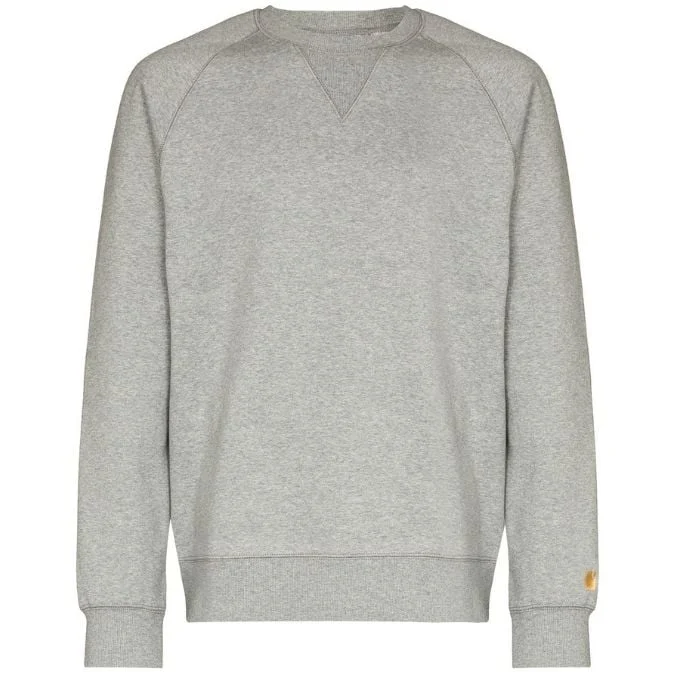
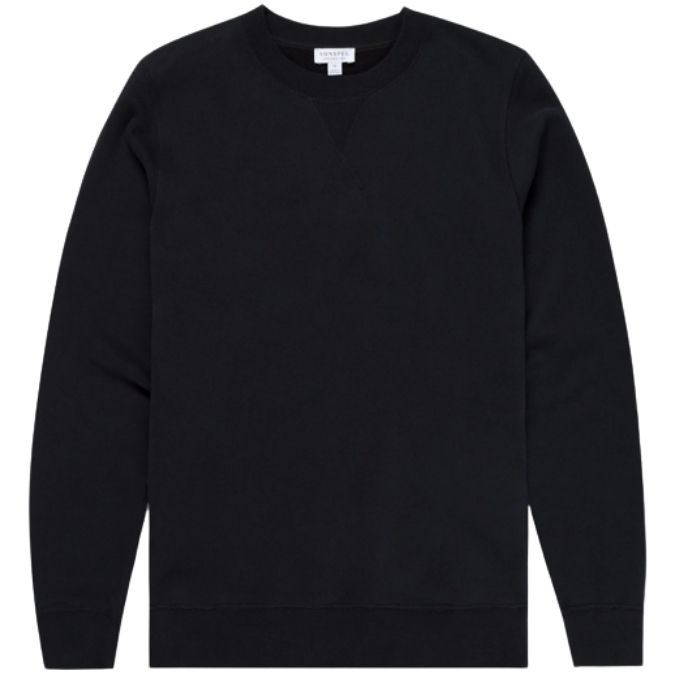
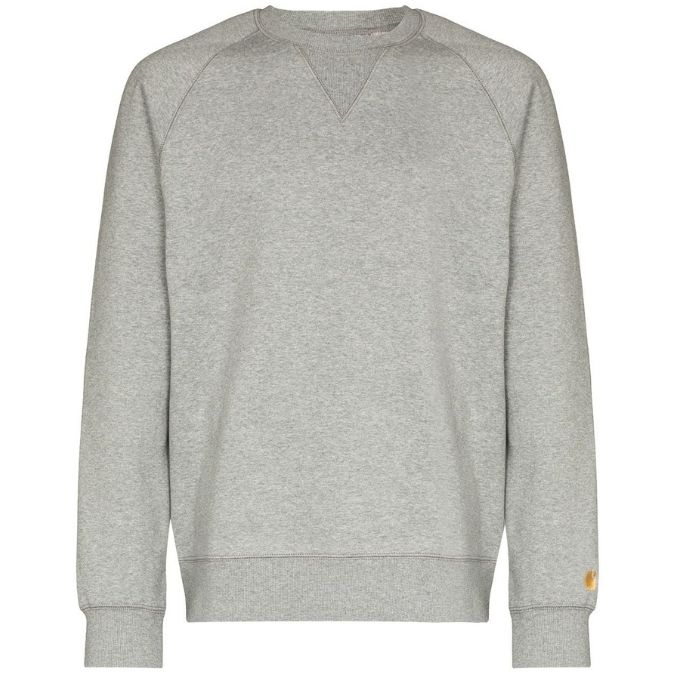
A well-chosen sweatshirt transcends its athletic origins to become a stylish casual staple. Steer clear of heavily branded or overtly sporty designs. Instead, opt for classic crewneck or hooded styles in versatile colors like navy, black, or charcoal grey. These can be paired with chinos for a smart-casual look reminiscent of classic style icons like JFK, or with joggers for a more contemporary, relaxed ensemble.
Minimalist Casualwear: Bridging the Gap
In a minimalist wardrobe, the distinction between casual and dressed-up attire often blurs, with many pieces offering versatility across different levels of formality.
Jeans: The Enduring Classic
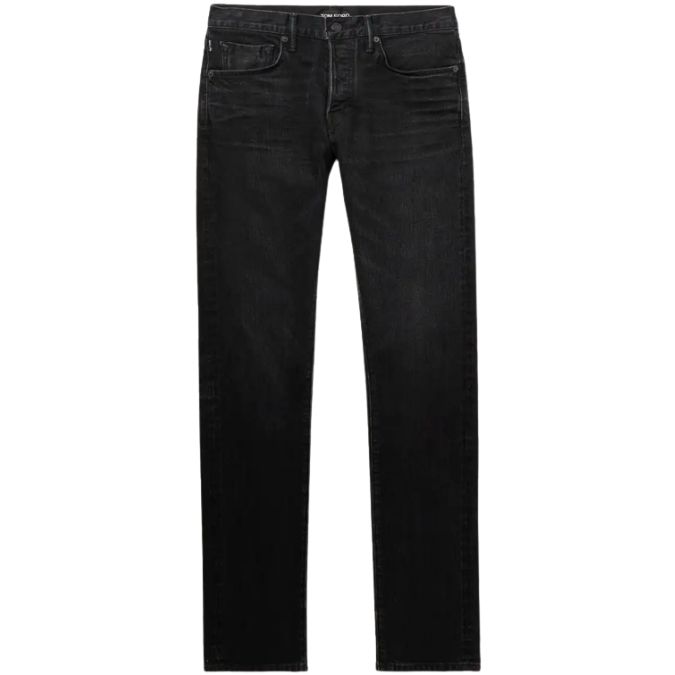
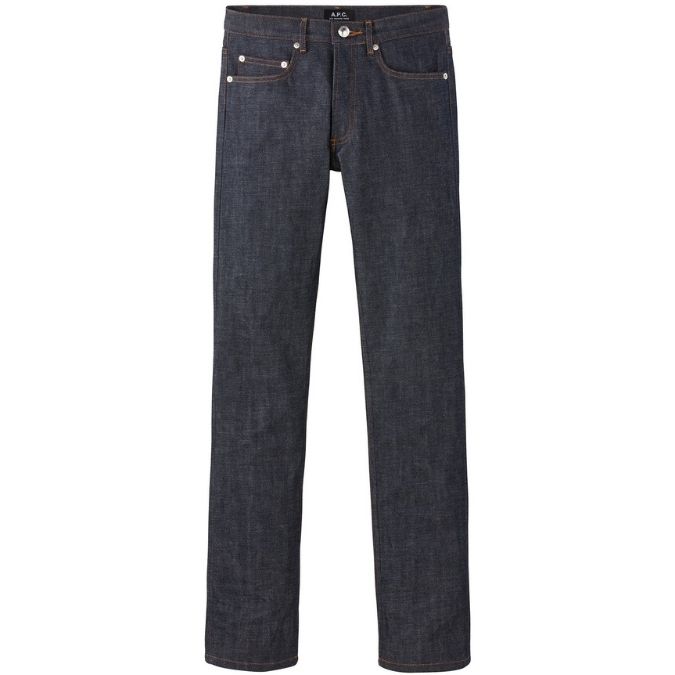
A pair of well-fitting, dark wash jeans is indispensable. Opt for a slim or straight-leg cut crafted from quality selvedge denim. The ideal pair should be sharp enough for casual dinners but durable enough to withstand everyday wear. Avoid excessive distressing or artificial fading; instead, allow natural wear to develop over time. When rips inevitably appear, consider them a signal to invest in a fresh, smart pair.
Oxford Shirts: Timeless Versatility
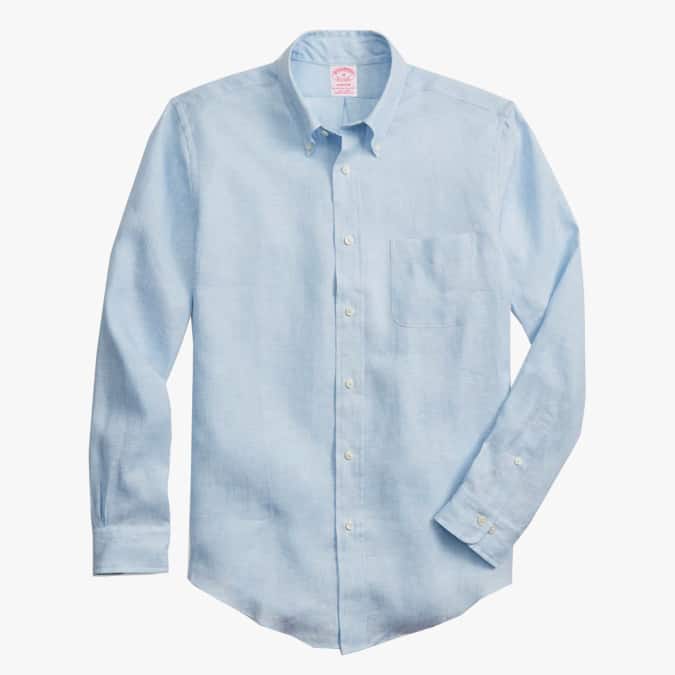
The Oxford shirt is a cornerstone of versatile menswear. Prioritize block colors in neutral shades, with fit being a paramount consideration. The shirt should be slim enough to layer comfortably under a jacket but not so tight as to restrict movement or appear overly formal when worn unbuttoned over a t-shirt. Having a few in white and light blue provides a solid foundation.
Chambray Shirt: A Denim Alternative
A chambray shirt offers a softer, lighter alternative to denim. Choose a mid-weight fabric that bridges the gap between a rugged look and a more refined appearance. It provides a subtle textural variation and can be worn similarly to an Oxford shirt, offering a distinct yet complementary option within the casual wear rotation.
Wool Roll Neck: Sophistication and Warmth
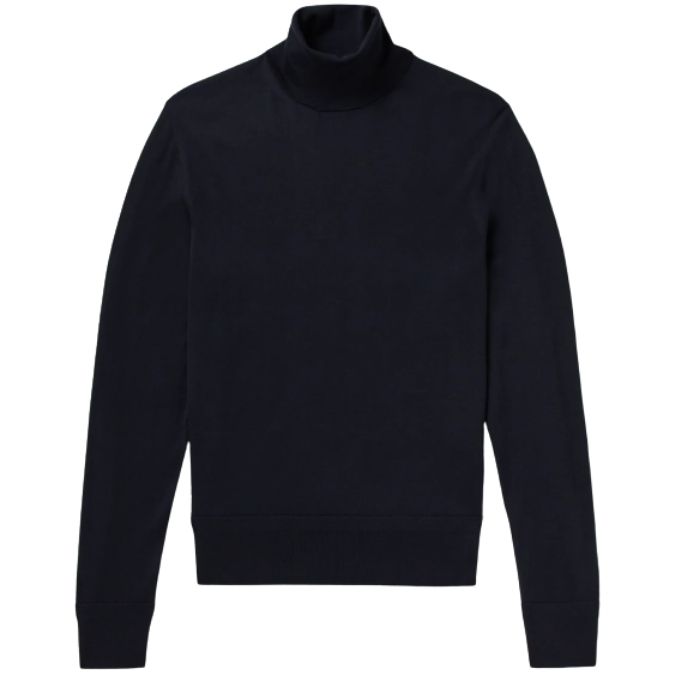
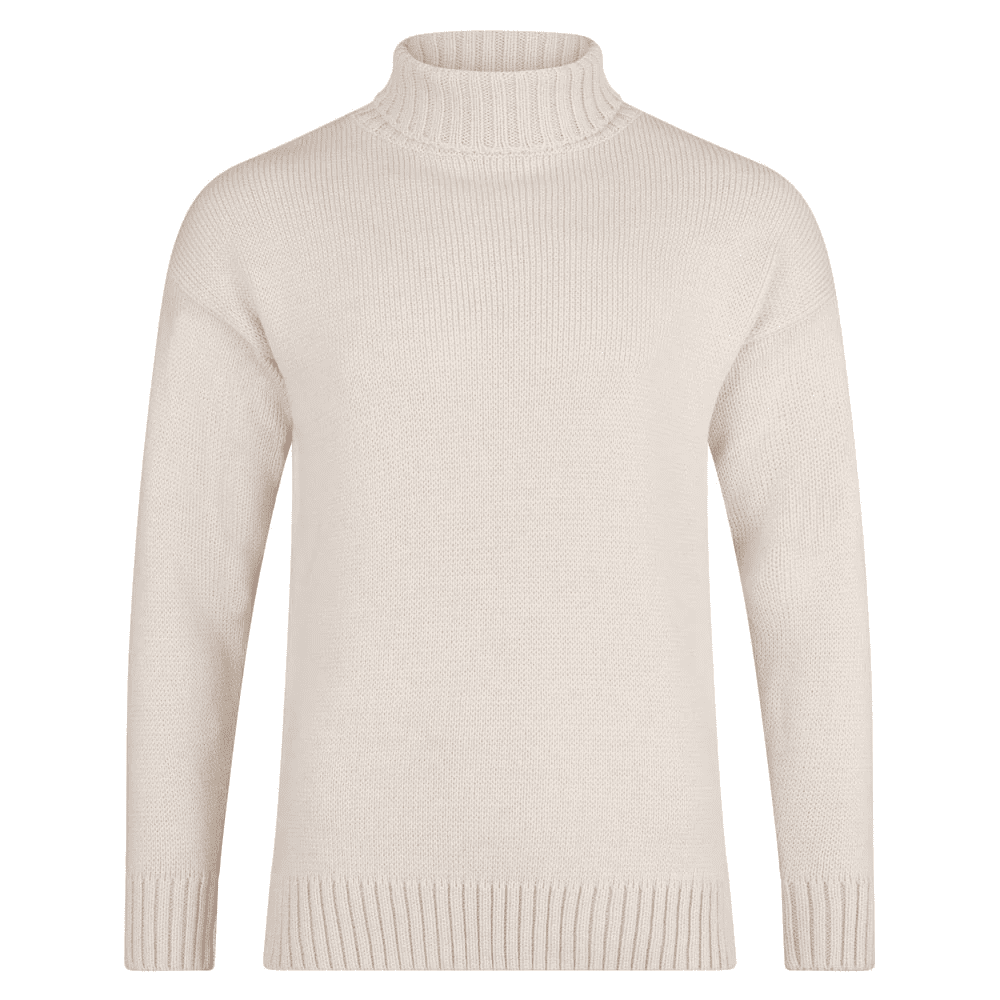
The wool roll neck is a highly effective piece for adding an element of sophistication and warmth. Its flattering silhouette makes it suitable for layering under jackets or even blazers, instantly elevating an outfit. Black is a classic choice, but jewel tones like emerald or burgundy can add a touch of personality. Its comparative rarity makes it a subtle yet impactful style statement.
Polo Shirts: The Smart-Casual Bridge
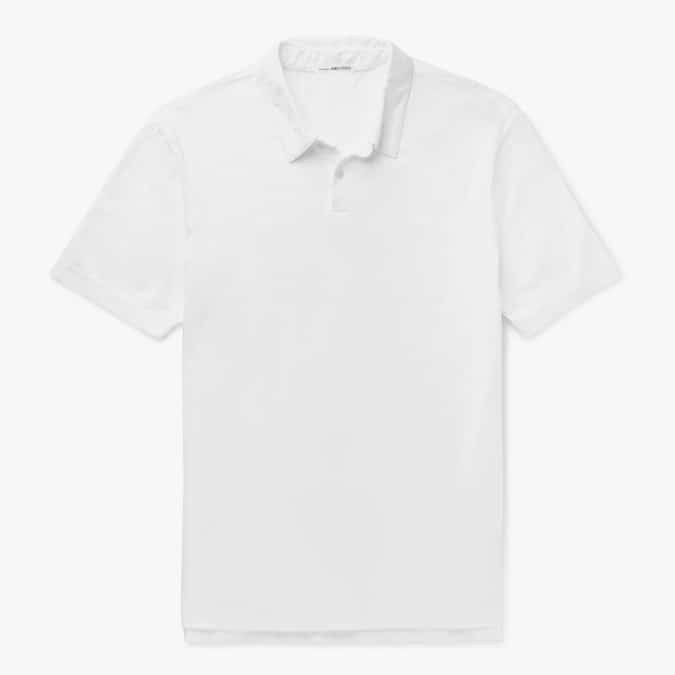
Positioned between t-shirts and dress shirts, the polo shirt is a true wardrobe chameleon. Start with neutral colors that can be dressed down with jeans or smartened up with a blazer. Long-sleeved options offer a more considered look for cooler weather. The fit is critical; avoid anything too baggy or too tight, as both extremes can detract from the overall aesthetic.
Breton Top: Nautical Chic
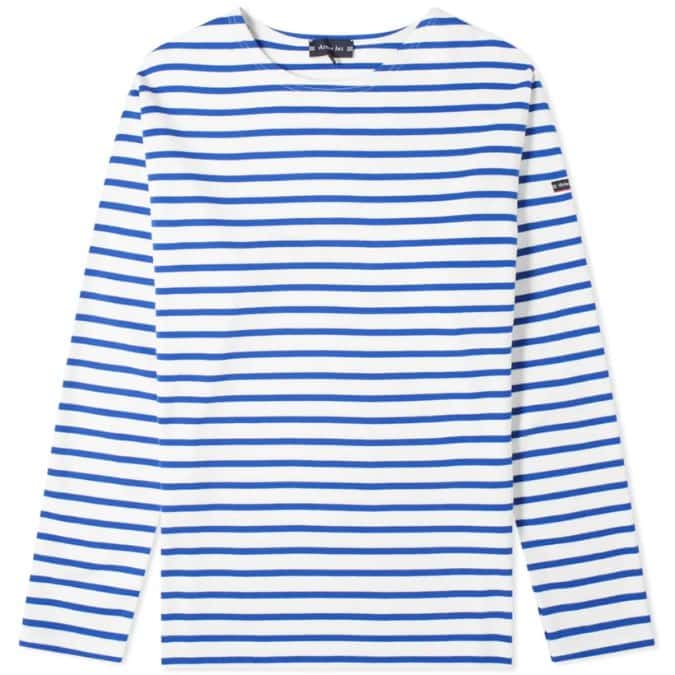
The Breton stripe, a classic sailor’s garment, offers a timeless and effortlessly stylish option. Opt for long sleeves and a classic design, ideally from a reputable brand known for its quality. The Breton top is as easy to wear as a t-shirt but offers a slightly more elevated feel, making it ideal for layering under jackets or blazers.

Knitted Jumpers: Layering Essentials
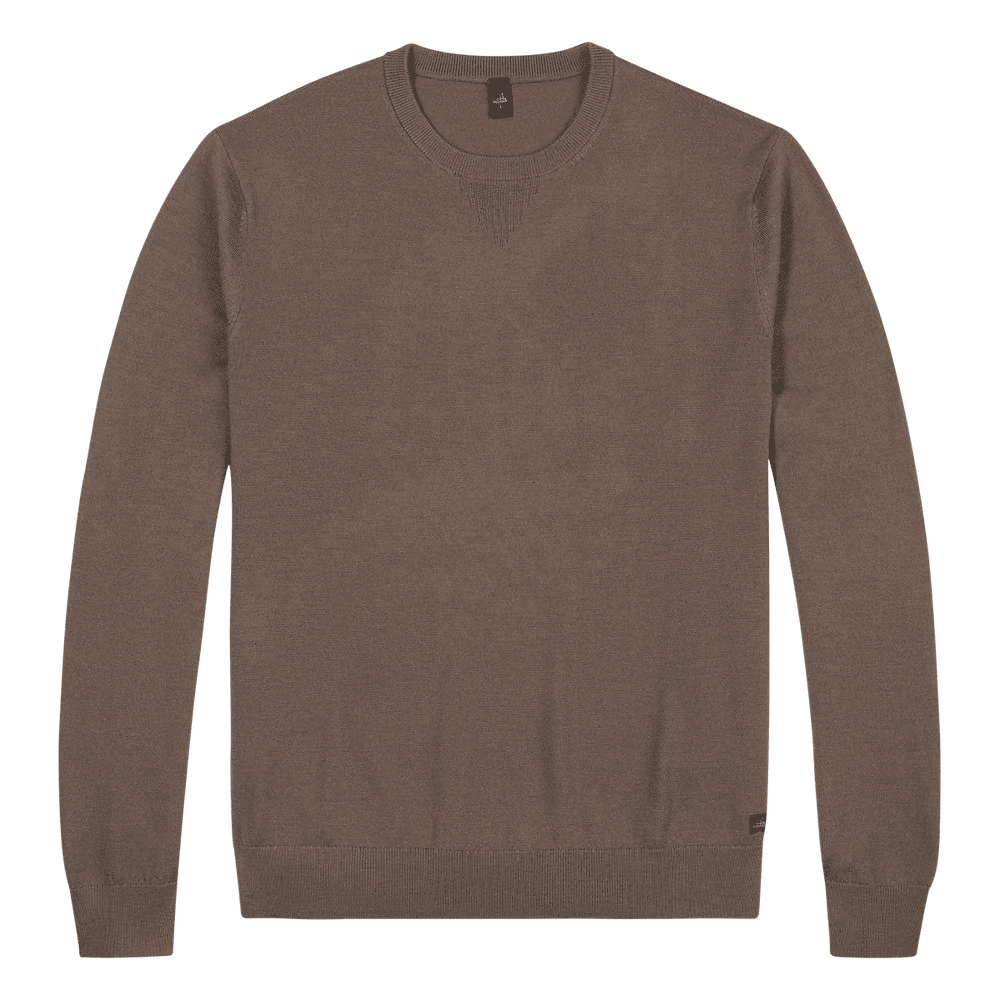
A well-curated wardrobe includes knitted jumpers for varying temperatures. A lightweight option is ideal for layering under tailoring, while a heavier knit provides warmth for colder days. Sticking to neutral colors for these core pieces ensures maximum versatility. As the collection expands, introducing richer, autumnal tones like burgundy or mustard can add depth and character.
Tailored Shorts: Summer Sophistication
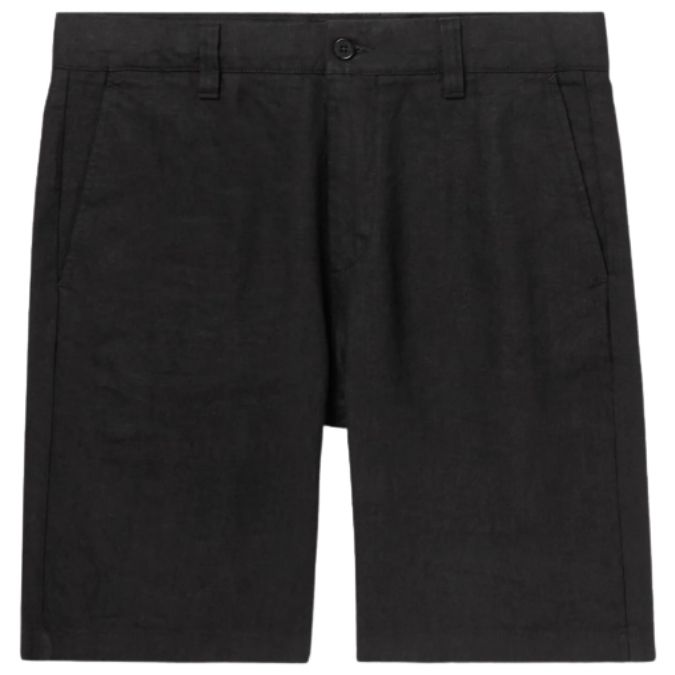
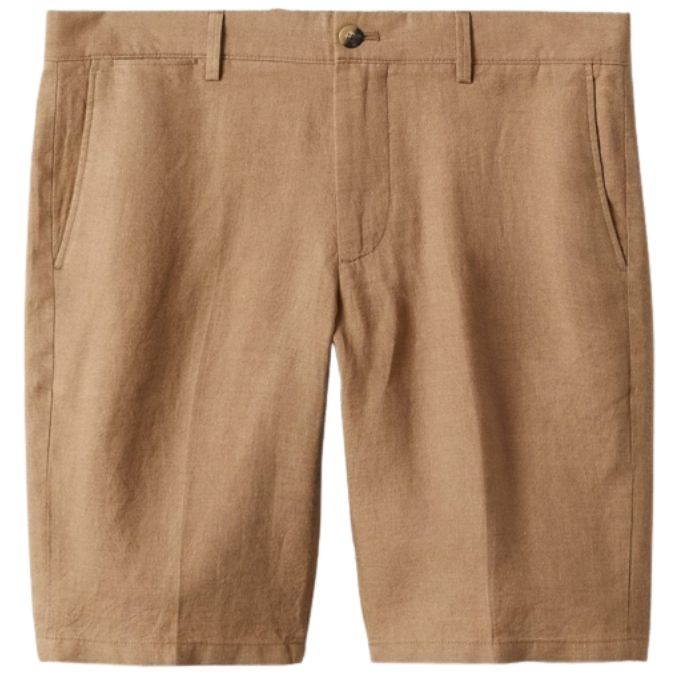
For warmer weather, tailored shorts offer a refined alternative to casual athletic shorts. Focus on cuts that end an inch or two above the knee, a length that remains timeless regardless of fleeting hemline trends. Muted colors ensure they can be worn without drawing undue attention, making them suitable for various smart-casual settings.
Chinos: A Versatile Staple
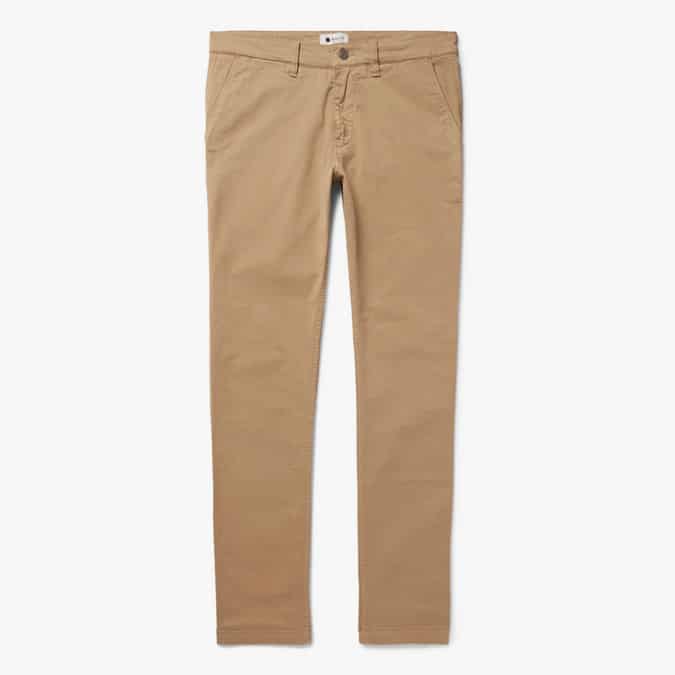
Chinos are a fundamental element of a versatile wardrobe. A slim-fit pair in tan and navy provides a solid base. Consider adding a third pair with a wider leg and pleats for a contemporary update that offers enduring style. The versatility of chinos allows them to be dressed up or down, making them suitable for a wide range of occasions.
Swimwear: Polished Vacation Essentials
Even a minimalist wardrobe requires functional items for leisure. Invest in a pair of tailored swim shorts that resemble regular shorts in their cut and fabric. This ensures they are appropriate for a variety of settings, from the beach to a casual poolside bar, avoiding the pitfalls of overly loud board shorts or overly revealing styles.

Tailoring for a Capsule Wardrobe: Elevating the Look
Investing in well-fitting tailored pieces is crucial for a polished appearance, even if suits are not a daily requirement. The impact of tailoring cannot be overstated; even minor adjustments can significantly enhance the perceived value and sophistication of any garment.
Navy Suit: The Ultimate All-Rounder
A two-button navy suit in a slim cut is a timeless investment. The trousers can be worn interchangeably with chinos, and a suit crafted from a textured fabric like hopsack, with a slightly shorter jacket hem, can often serve as a standalone blazer. This piece offers unparalleled versatility, transitioning seamlessly from professional settings to formal events.

Unstructured Blazer: Relaxed Sophistication
An unstructured blazer, characterized by its lack of padding, offers a cooler and more relaxed silhouette. It drapes more like a cardigan than a traditional jacket, making it ideal for layering over t-shirts, Breton tops, or even casual shirts. This piece bridges the gap between formal tailoring and casual comfort.
Dress Shirts: Occasion-Specific Essentials
The number of dress shirts required depends on the wearer’s engagement with formal attire. For occasional events, a few well-fitting white shirts may suffice. For those who wear suits more frequently, incorporating blue, pink, or subtly striped shirts can add variety. It is important to note that dress shirts are designed to be tucked in and generally do not lend themselves well to casual, untucked styling.
Summer Suit: Seasonal Adaptability
While a lightweight navy suit can often suffice for warmer months, a dedicated summer suit, particularly in linen, offers superior breathability and a distinctively seasonal aesthetic. Options in lighter colors like pale grey can add a touch of sartorial flair during warmer periods.
Dinner Suit: For Special Occasions
While not an everyday necessity, a dinner suit (tuxedo) is an important addition for formal events. Renting is often discouraged due to potential fit and quality issues. Investing in a well-fitting midnight blue or black tuxedo with classic details, such as silk lapels and a trouser stripe, ensures readiness for any black-tie occasion. Customization by a tailor can further enhance its appearance.
Grey Wool Trousers: A Versatile Pairing
Grey wool trousers offer remarkable versatility. They can be paired with a blazer, a suit jacket, or even styled with a t-shirt for a more casual yet sophisticated look. A slim fit with a minimal break ensures they can be dressed down effectively, making them a valuable addition to any wardrobe.
Ties: Texture and Tone
When selecting ties for a minimalist wardrobe, prioritize texture over intricate patterns. Options in silk, linen, and knitted varieties offer different levels of formality. Focusing on colors that complement the navy suit and a range of shirt colors will maximize their utility. Forest green is a particularly versatile choice.

Minimalist Outerwear and Jackets: Protection with Panache
A well-chosen coat is more than just protection from the elements; it’s an integral part of an outfit, capable of elevating even the most basic ensembles. The choice between smart and casual styles should be guided by the intended use and the rest of the wardrobe.
Overcoat: Timeless Elegance
The overcoat, once exclusively associated with suits, has found a new role in contemporary fashion, looking equally stylish over hoodies and jeans. A navy overcoat in a mid-thigh length is a classic choice, offering timeless appeal and sufficient room for layering. Black can be perceived as somber, making navy a more versatile option.
Bomber Jacket: A Modern Classic
The bomber jacket has evolved from a fleeting trend to a wardrobe staple. Its military origins lend it a distinctive character, with features like ripstop fabrics and functional zippers adding to its appeal. A bomber jacket can serve as the centerpiece of an outfit, providing a stylish yet practical outer layer.
Denim Jacket: Year-Round Versatility
The denim jacket is a rare piece of outerwear that truly works year-round. In warmer months, it functions as a standalone jacket, while in colder weather, it can be layered effectively under a heavier coat. Achieving the right fit is crucial—slim enough for layering but not restrictive—ensuring its adaptability.
Waterproof: Essential Weather Protection
A reliable waterproof jacket is essential for unpredictable weather. Options range from traditional trench coats to more modern rubberized designs. Prioritize muted, classic colors like tan or charcoal grey, which complement a wide array of outfits and are less prone to showing dirt.
Footwear: The Foundation of Style
A minimalist shoe collection should prioritize versatility and quality. While black shoes for formal occasions and white sneakers for casual wear form a practical base, having a few additional options can enhance personal style and ensure longevity for each pair.
Black Oxfords: Formal Essential
Every man should own a pair of classic black Oxford shoes. Their clean, minimalist design makes them suitable for formal events. Prioritize a simple, almond-toe shape without excessive embellishments. Proper care and polishing will ensure they remain a reliable choice for years.
Brown Brogues: Versatile Charm
Brown brogues offer a sophisticated yet approachable option that pairs well with both jeans and suits. A chocolate brown hue is particularly versatile. Opt for brogueing that is subtle rather than overly ornate, ensuring the shoes complement rather than distract from the overall look.

White Sneakers: The Modern Staple
White sneakers have become arguably the most essential footwear item in a modern capsule wardrobe. They offer unparalleled versatility, pairing equally well with jeans, chinos, and even suits. Maintaining their cleanliness is key to preserving their stylish appeal.
Boots: Ankle Elevation
Including at least one pair of boots that extend above the ankle adds another dimension to a footwear collection. The type of boot chosen should align with the wearer’s overall style—work boots for a rugged aesthetic, Chelsea boots for a more streamlined look. Desert boots, in particular, offer broad versatility.
The Finishing Touches: Elevating the Minimalist Aesthetic
Beyond clothing, accessories play a crucial role in refining a minimalist wardrobe, allowing for personal expression and adding a distinctive flair.
Fragrance: A Personal Signature
A signature fragrance can significantly enhance one’s personal style. Whether choosing a single, enduring scent or rotating scents based on mood, citrus-based fragrances are generally a safe and universally appealing choice. The subtle impact of fragrance can transform the perception of an outfit.
Watches: Functional Elegance
A minimalist watch collection can be concise yet impactful. A classic three-hand watch is highly versatile, suitable for both formal and casual wear. For those seeking more variety, a sportier timepiece or the simple act of changing straps can alter the watch’s appearance and feel, offering a subtle yet effective way to diversify.
Umbrella: Practical Sophistication
An umbrella is a practical accessory that should not be overlooked. Investing in a sturdy, well-designed umbrella with a wooden handle adds a touch of sophistication. Opting for solid colors or subtle patterns ensures it complements rather than clashes with outfits.
Bags: Function Meets Form
The choice of bag should prioritize functionality without sacrificing aesthetics. A well-designed backpack offers practicality for daily essentials, while a tote bag provides a stylish alternative. Leather bags suit a more dressed-up style, while technical fabrics like nylon are better suited for casual wear.
Sunglasses: Timeless Appeal
A classic pair of Wayfarer-style sunglasses offers enduring style and suits most face shapes. For those who prefer to experiment with trends, less expensive frames can be a good way to update one’s look. The key is to choose sunglasses that complement the individual’s features and overall style.
Jewellery: Subtle Accents
Jewellery in a minimalist wardrobe should serve as an accent rather than a focal point. A simple chain necklace or understated rings can add a touch of personality without overwhelming an outfit. The emphasis should be on subtle enhancement, allowing the clothing to remain the primary focus.
The development of a minimalist wardrobe is an ongoing process of refinement and intentionality. By adhering to principles of versatility, quality, and personal style, men can cultivate a collection of clothing that not only simplifies daily dressing but also enhances their overall presence and confidence. This approach to style is not about limitation, but about liberation—freeing oneself from the burden of excessive possessions and embracing the power of considered, impactful choices.