










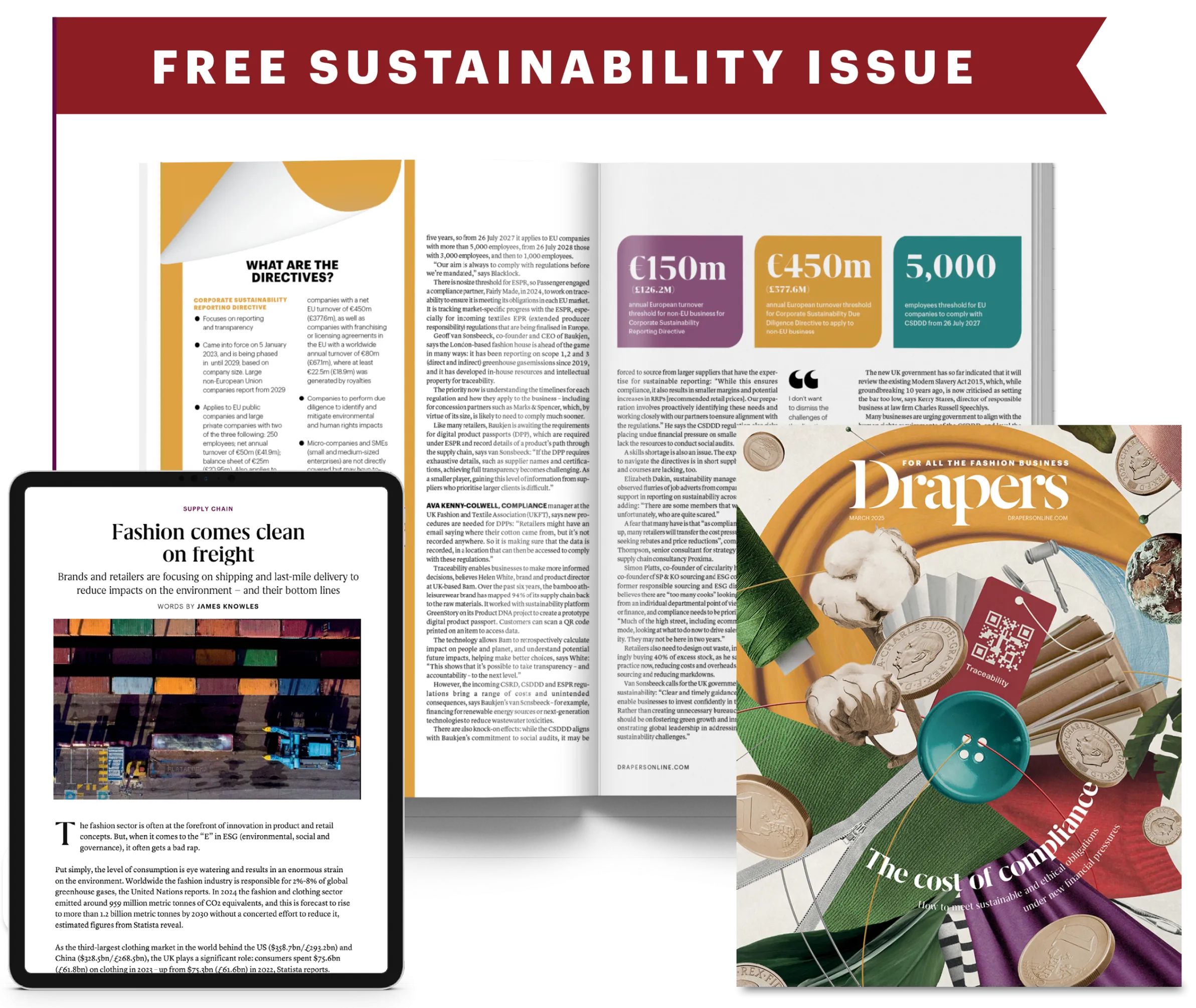
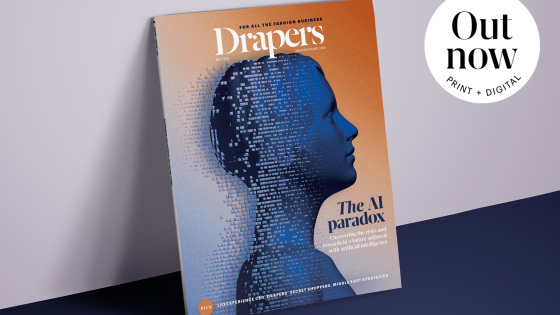
The May 2026 digital edition of Drapers, released on May 8, 2026, serves as a crucial precursor to the much-anticipated Drapers Future of Fashion event, scheduled for May 20 in London. This issue meticulously dissects the multifaceted landscape of technological innovation within fashion retail, illuminating both the significant opportunities and potential threats that define this rapidly evolving business environment. Authored by Samantha Warrington, the comprehensive editorial package provides an in-depth exploration of how advanced technologies, particularly artificial intelligence, are reshaping every facet of the industry, from design and manufacturing to consumer engagement and supply chain management. The publication arrives at a pivotal moment, as fashion businesses globally grapple with the imperative to integrate cutting-edge solutions while safeguarding brand integrity and consumer trust.
The Algorithmic Revolution: Opportunities and Disruptions
At the heart of Drapers’ May 2026 issue lies an extensive feature titled "The AI Takeover," a phrase that encapsulates the transformative, and at times disruptive, influence of artificial intelligence on the fashion sector. This segment moves beyond sensationalism to provide a balanced analysis of AI’s burgeoning role. By 2026, AI is no longer a nascent technology but an embedded component across various operational strata. Industry reports suggest that the global market for AI in fashion and retail is projected to exceed $10 billion by 2027, growing at a compound annual growth rate (CAGR) of over 25% since 2022. This exponential growth underscores the urgency for fashion businesses to understand and strategically deploy AI solutions.
The opportunities presented by AI are diverse and profound. In design, generative AI is enabling designers to rapidly prototype new collections, explore novel material combinations, and even predict consumer aesthetic preferences with unprecedented accuracy. This leads to reduced time-to-market and a more efficient allocation of creative resources. For instance, several leading brands have reported a 15-20% reduction in sample production costs through AI-driven design iterations. Personalization, a long-standing goal in retail, is reaching new heights with AI algorithms that analyze vast datasets of consumer behavior, purchase history, and even social media sentiment to offer hyper-targeted product recommendations and bespoke shopping experiences. A study published in late 2025 indicated that retailers leveraging advanced AI personalization saw a 30% increase in customer lifetime value compared to those with more rudimentary systems.
Beyond the front-end, AI’s impact on supply chain optimization is equally transformative. Predictive analytics, powered by machine learning, allows brands to forecast demand with greater precision, minimizing overproduction and reducing waste – a critical step towards sustainability goals. Real-time inventory management, automated warehousing, and intelligent logistics routing are becoming standard practices, leading to significant cost savings and improved operational efficiency. Fashion brands embracing AI in their supply chains have reported average inventory reductions of 10-12% and a 5-7% decrease in logistics costs. Customer service is also being revolutionized, with AI-powered chatbots and virtual assistants handling routine inquiries, freeing human agents to address more complex issues, thereby enhancing overall customer satisfaction. The Drapers article provides examples of how major retailers are using AI to manage customer interactions across multiple channels, offering 24/7 support and consistent brand messaging.
Navigating the Threats: Ethics, Employment, and Data Privacy
While the advantages are clear, "The AI Takeover" also candidly addresses the inherent threats and challenges. The ethical implications of AI, particularly concerning data privacy and algorithmic bias, are a central concern. As AI systems collect and process vast amounts of personal data to tailor experiences, ensuring robust data security and transparent data usage policies becomes paramount. Instances of data breaches or misuse could severely erode consumer trust, a commodity far more valuable than any technological gain. The article highlights emerging regulatory frameworks, such as enhanced GDPR-like stipulations, that are pushing companies towards greater accountability in their AI deployments.
The specter of job displacement, particularly in manufacturing, retail operations, and even certain design functions, is another critical area of discussion. While AI is creating new roles in data science, AI ethics, and human-AI collaboration, the transition is not seamless. Drapers delves into the need for significant upskilling and reskilling initiatives within the industry to prepare the workforce for an AI-augmented future. The challenge lies in balancing automation for efficiency with preserving human creativity and employment. A recent report by the World Economic Forum estimated that while AI could displace 85 million jobs globally by 2025, it could also create 97 million new ones, necessitating a proactive approach from industry leaders and policymakers alike.
Furthermore, the article explores the potential for AI to stifle creativity if not managed judiciously. The reliance on algorithms to dictate trends or design elements could lead to a homogenization of aesthetics, diminishing the unique artistic expression that defines fashion. Striking a balance between AI’s analytical power and human intuition remains a delicate act. The "AI Takeover" feature concludes with a call for responsible innovation, emphasizing that AI should serve as a tool to augment human capabilities, rather than replace them wholesale, fostering a future where technology and creativity co-exist harmoniously.
Leadership Insights: The LuxExperience Paradigm
Another highlight of the May 2026 Drapers issue is an exclusive interview with the CEO of LuxExperience, a hypothetical yet representative entity at the forefront of luxury retail innovation. This feature offers invaluable insights into how high-end brands are navigating the digital transformation while preserving their inherent values of exclusivity, craftsmanship, and unparalleled customer service. The luxury market, traditionally slow to adopt digital technologies, has seen an accelerated shift post-pandemic, with digital sales now accounting for an estimated 25-30% of total luxury sales globally by 2026.
The LuxExperience CEO, whose identity is kept generic for broader applicability, discusses the critical challenge of translating the tactile, sensory experience of luxury into the digital realm. This involves leveraging immersive technologies such as augmented reality (AR) for virtual try-ons, virtual reality (VR) for metaverse storefronts, and high-fidelity digital representations of products. The CEO emphasizes that digital engagement for luxury consumers must be as curated and seamless as an in-store visit. "Our objective," the CEO is quoted as saying, "is not merely to sell products online, but to extend the narrative of our brand, its heritage, and its artistry through every digital touchpoint. Technology, for us, is an enhancer of luxury, not a substitute for it."
The interview also touches upon the growing importance of sustainability and ethical sourcing within the luxury sector. Modern luxury consumers, particularly younger demographics, are increasingly discerning about the environmental and social impact of their purchases. LuxExperience, as depicted, is pioneering blockchain technology to provide transparent traceability of its supply chain, from raw materials to finished goods, assuring customers of the authenticity and ethical provenance of their purchases. This move aligns with broader industry trends, where a 2025 consumer survey revealed that 70% of luxury buyers considered sustainability factors important in their purchasing decisions.
Finally, the CEO elaborates on the evolving definition of exclusivity in a connected world. While scarcity remains a cornerstone of luxury, the digital age introduces new dimensions of access and community. This includes exclusive digital drops, NFTs representing digital ownership or access to unique experiences, and personalized communication channels that foster a sense of belonging among elite clientele. The LuxExperience CEO’s perspective underscores the notion that true luxury in 2026 is a blend of tangible quality, intangible experience, and a deep, authentic connection with the brand.
Retail Scrutiny: The Menswear Mystery
Complementing the technological and leadership narratives, the Drapers May 2026 issue presents a revealing investigation into the state of customer service within the burgeoning menswear market through the lens of "menswear mystery shoppers." The menswear sector has experienced robust growth, outperforming womenswear in several segments over the past five years, with projections indicating continued expansion. This growth has intensified competition and heightened consumer expectations for an exceptional shopping experience.
The mystery shopping initiative detailed in the article involved a team of professional evaluators posing as ordinary customers across various menswear retail environments, including luxury boutiques, high-street chains, and department store concessions. Their mission was to assess every aspect of the customer journey: initial greeting, product knowledge of staff, fitting room experience, checkout efficiency, and post-purchase follow-up. The findings offer a granular view of service quality, highlighting both areas of excellence and critical deficiencies.
One significant finding was the inconsistent level of product knowledge among sales associates. While some staff demonstrated expert understanding of fabrics, fits, and styling advice, others struggled to answer basic questions, particularly regarding sustainable materials or technological innovations in apparel. This disparity directly impacts customer confidence and conversion rates. Data from the mystery shopping exercise indicated that stores with highly knowledgeable staff achieved, on average, a 15% higher conversion rate for menswear sales.
Another key area of focus was the in-store experience, particularly the fitting room environment. For menswear, where fit and tailoring are paramount, the quality of fitting rooms (lighting, spaciousness, availability of mirrors, and prompt assistance) proved crucial. Stores offering personalized styling consultations and seamless omnichannel integration (e.g., ability to check online stock in-store or arrange home delivery from the fitting room) consistently scored higher in customer satisfaction metrics. The report found that 60% of mystery shoppers rated the fitting room experience as a "major factor" in their purchasing decision.
The "menswear mystery shoppers" report also scrutinizes the post-purchase experience, including return policies and customer follow-up. While online returns have become streamlined, the in-store return process often presented friction points. The article concludes that investing in comprehensive staff training, leveraging technology to empower associates with real-time product information, and designing seamless omnichannel journeys are indispensable for menswear retailers aiming to capture and retain the increasingly sophisticated male consumer. "The male shopper of 2026 isn’t just looking for clothes; he’s seeking an informed, efficient, and enjoyable experience," notes a retail analyst quoted in the piece. "Brands that fail to deliver this will rapidly lose ground."
Drapers Future of Fashion 2026: A Confluence of Innovation
All these thematic explorations in the May 2026 issue converge towards the Drapers Future of Fashion event on May 20 in London. This annual conference has solidified its reputation as a premier platform for thought leadership and networking within the UK and European fashion retail sectors. Its consistent focus on technological innovation, sustainability, and evolving consumer behaviors makes it an essential gathering for industry executives, brand strategists, tech innovators, and policymakers.
The 2026 agenda, as teased in the Drapers issue, promises a series of compelling keynotes, panel discussions, and interactive workshops. Beyond AI, anticipated topics include the continued evolution of Web3 technologies, such as blockchain and NFTs, in fostering digital ownership and loyalty programs; the impact of advanced materials science on sustainable fashion; the rise of immersive retail experiences; and the critical role of data analytics in understanding and predicting consumer trends. Experts from leading tech firms, established fashion houses, and disruptive startups are slated to share their insights, offering practical strategies and visionary outlooks.
Drapers’ Editor-in-Chief, whose remarks are implicitly cited in the article’s framing, emphasizes the event’s mission: "The Future of Fashion is designed to cut through the noise, providing actionable intelligence and fostering collaboration at a time of unprecedented change. It’s about equipping our industry with the knowledge and tools to not just survive, but thrive, in a tech-infused future." The conference serves as a crucial barometer for the industry’s direction, offering attendees a comprehensive overview of the challenges and opportunities that lie ahead, and fostering a collaborative environment for shaping the next era of fashion.
Broader Implications for the Fashion Ecosystem
The narratives woven throughout Drapers’ May 2026 edition collectively paint a picture of an industry undergoing a profound transformation. The pervasive influence of technology, particularly AI, extends beyond mere operational efficiencies to fundamentally redefine the very essence of fashion – from the creative process to the final consumer interaction. This shift demands a holistic approach from all stakeholders. Designers must embrace AI as a co-creator, leveraging its power to enhance rather than diminish human ingenuity. Manufacturers must integrate smart factories and predictive analytics to optimize production and minimize environmental impact. Retailers must transition from transactional models to experiential hubs, driven by data-rich personalization and seamless omnichannel capabilities.
The imperative for adaptation is clear. Companies that fail to invest in technological innovation, to cultivate a tech-savvy workforce, and to prioritize ethical considerations in their digital strategies risk being left behind. Conversely, those that embrace these changes proactively stand to unlock new avenues for growth, enhance customer loyalty, and contribute to a more sustainable and equitable fashion ecosystem. The Drapers May 2026 issue, alongside the upcoming Future of Fashion event, serves as an indispensable guide for navigating this complex yet exciting journey, offering both a critical assessment of the present and a visionary glimpse into the future of fashion. The convergence of technology, leadership, and customer experience outlined within these pages underscores that the future of fashion is not a distant concept, but a dynamic reality unfolding today.