









The vibrant tapestry of festival fashion, an annual sartorial phenomenon that captivates millions, is undergoing intense scrutiny as consumers and industry watchdogs increasingly question its environmental footprint, ethical implications, and cultural sensitivities. What began as a spontaneous expression of counter-culture at events like Woodstock has transformed into a global trend, often fueled by the rapid cycles of fast fashion and celebrity influence, leading to widespread concerns about overconsumption and cultural appropriation. This article delves into the origins of festival style, analyzes its problematic modern manifestations, and explores the burgeoning movement towards more sustainable and respectful alternatives.
From Counter-Culture to Commercial Craze: The Genesis of Festival Style
The roots of contemporary festival fashion are inextricably linked to Woodstock 1969, a pivotal three-day event in upstate New York that became an enduring symbol of peace, love, and a generation’s yearning for social change. The attendees, primarily young people from the burgeoning hippie movement, used their clothing as a potent form of self-expression and protest against conventional norms. Styles such as flared jeans, tie-dye garments, fringed jackets, crochet tops, denim, and elaborate beaded headbands were not merely fashion choices; they were emblems of a politically charged era, reflecting a rejection of consumerism and an embrace of communal, nature-aligned ideals. The iconic images from Woodstock — Jimi Hendrix’s fringed jacket, Janis Joplin’s eclectic mix of bohemian pieces — cemented these looks as the archetype of festival attire.
Over the decades, this distinctive aesthetic trickled down from a subcultural statement to a broader annual summer trend. The early 2000s saw a resurgence of interest, particularly with figures like Kate Moss at Glastonbury, whose effortless, mud-splattered chic became a blueprint for festival-goers. This evolution accelerated with the rise of social media and influencer culture, epitomized by celebrities such as Vanessa Hudgens and the Kardashian-Jenner clan at Coachella. What was once an organic expression of individuality morphed into a highly curated, influencer-driven spectacle. When Coachella kicks off the Northern Hemisphere’s festival season each April, brands swiftly inundate consumers with "festival edits," nearly always harking back to the original Woodstock-inspired motifs, often stripped of their original socio-political context.
The Fast Fashion Imperative: Driving Overconsumption and Environmental Degradation
The annual onslaught of "festival collections" from fast fashion retailers serves as a stark reminder of the industry’s role in promoting excessive consumption and unsustainable production practices. These brands capitalize on the transient nature of trends, offering inexpensive, disposable garments designed to be worn once or twice before being discarded.
Consider the sheer scale: at the time of writing, a prominent fast fashion entity like Boohoo listed an astonishing 563 products in its "festival" category, with prices starting as low as £4.00. These offerings faithfully reproduce the Woodstock-era styles—flares, crop tops, crochet, psychedelic prints—but are fundamentally disconnected from the "peace and love" ethos that informed the original event. Brands such as SHEIN and Temu similarly feature extensive festival-specific filters, categories, or tags on their platforms, highlighting a business model built on rapid trend replication and mass production.
The implications of this model are severe. The global fashion industry is a significant contributor to environmental degradation, accounting for an estimated 8-10% of global greenhouse gas emissions, more than all international flights and maritime shipping combined. The production of these "festival" items, often made from synthetic materials like polyester, relies heavily on fossil fuels and contributes to microplastic pollution. Furthermore, the accelerated production cycles and low price points necessitate exploitative labor practices, with garment workers frequently toiling in unsafe conditions for meager wages, often below a living wage.
The short lifespan of fast fashion festival wear is another critical concern. Designed for fleeting trends and minimal durability, these garments are often destined for landfills within a year. Globally, an estimated 92 million tons of textile waste are generated annually, a figure projected to rise to 134 million tons by 2030. This cycle of rapid consumption and disposal exacerbates the waste crisis, contributing to overflowing landfills and the depletion of finite resources. The drive for novelty, fueled by social media’s demand for fresh content, encourages consumers to purchase new outfits for each event, perpetuating a deeply unsustainable pattern.
Cultural Appropriation: A Persistent Stain on Festival Aesthetics
Beyond environmental and labor concerns, festival fashion has been increasingly criticized for its pervasive issue of cultural appropriation. While some elements of Woodstock’s original attire, such as Indian prints and Native American-connoting fringed garments, could be viewed as culturally appropriative even then, the phenomenon has reached new, more overt levels in the past two decades, particularly with the commercialization of festival culture.
Cultural appropriation, in this context, refers to the adoption or use of elements of a minority culture by members of the dominant culture without understanding or respecting the original culture, often commodifying sacred or significant items for aesthetic or profit motives. One of the most glaring examples is the widespread use of feather headdresses, or "war bonnets," as festival accessories. These items hold immense spiritual, political, and historical significance within numerous Native American communities, including the Cheyenne and Lakota nations. For non-Native individuals to wear them as a frivolous costume, especially when mass-produced for profit by fast fashion corporations, is considered profoundly offensive. It perpetuates harmful stereotypes and reinforces colonialistic attitudes that disregard indigenous heritage and sovereignty.
Other instances of appropriation include the misuse of bindis (a traditional forehead decoration in South Asian cultures), specific tribal prints, and religious symbols as mere fashion statements. Such practices strip these items of their profound meaning, reducing them to trendy accessories and contributing to the marginalization and erasure of the cultures from which they originate.
In response to growing public awareness and advocacy, some festival organizers have taken proactive steps to combat cultural appropriation. Following a petition in 2014, Glastonbury, one of the UK’s largest festivals, added Native American-inspired headdresses to its list of prohibited items for traders and attendees. Similarly, Shambala, another prominent UK festival, has issued clear guidance on avoiding cultural appropriation, emphasizing respect for diverse cultures in fashion choices. These actions reflect a broader societal shift towards greater cultural sensitivity and accountability.
Despite these efforts, ultra-fast fashion brands continue to churn out appropriative styles. Temu, for instance, has been observed offering "Native American-inspired" beaded and feathered garments, including headdresses, as "festival attire." This disregard for cultural heritage underscores the profit-driven nature of these companies, often at the expense of ethical considerations and respect for marginalized communities.
Towards a Conscious Festival Wardrobe: Embracing Sustainability and Respect
The growing awareness of fast fashion’s detrimental impact and the ethical complexities of cultural appropriation is fostering a movement towards more responsible festival dressing. Attending a festival or embracing the bohemian aesthetic does not inherently mean contributing to these problems. Instead, it presents an opportunity to engage with fashion more thoughtfully and sustainably.
Shop Your Existing Wardrobe First
The most sustainable garment is often the one already owned. Before considering new purchases, consumers are encouraged to explore their existing wardrobes. Can items be combined in new ways? Can a plain top be tie-dyed at home? Can old jeans be embellished or cut into shorts? The original festival fashion, particularly at Woodstock, was rooted in creativity, DIY ethos, and a rejection of mass-produced conformity. Modern festival style can reclaim this spirit, allowing for unique, unconventional outfits that reflect personal style rather than fleeting trends. This approach not only minimizes environmental impact but also fosters individuality.
Embrace Second-Hand and Vintage Options
Diving into the world of second-hand and vintage clothing offers a powerful antidote to fast fashion. Thrift stores, charity shops, consignment stores, online marketplaces, and dedicated vintage boutiques are treasure troves for unique, high-quality pieces that often align perfectly with the festival aesthetic. Shopping second-hand directly diverts clothing from landfills, extending the life cycle of garments and reducing demand for new production. It also presents an opportunity to discover authentic pieces, perhaps even genuine 1960s or 70s attire, ensuring a truly distinctive festival look.
Crucially, when opting for second-hand, the same principles of cultural sensitivity apply. Buyers should remain mindful of the origins and meanings of items, particularly those with cultural significance. Asking critical questions—"What is the original purpose of this item? What does it mean to take it out of its cultural context? Have the people whose culture originates from directly benefited from its purchase?"—can guide ethical choices and prevent inadvertent appropriation.
Invest in Sustainably Produced Brands
For items that genuinely need to be purchased new, choosing brands committed to sustainable and ethical practices is paramount. These brands typically prioritize lower-impact materials, fair labor conditions, transparency in their supply chains, and durability in their designs. Investing in well-made pieces ensures longevity, reducing the need for frequent replacements and thereby lessening environmental strain.
Several brands are leading the way in offering stylish yet responsible options for festival-goers:
- MUD Jeans: A Dutch denim brand renowned for its circular economy model, MUD Jeans offers repair and even rental services. Utilizing GOTS certified organic cotton and post-consumer recycled cotton, their durable denim jeans, including flared styles, are ideal for outdoor events and designed to last. Available in a range of sizes (W25 L30-W33 L32 for women, W28 L34-W36 L34 for men), they ship internationally from the Netherlands.
- Christy Dawn: This US brand, rated "Great" for its sustainability, produces cosy knitted cardigans perfect for chilly festival evenings. Christy Dawn focuses on "farm-to-closet" practices, using organic and upcycled fabrics. Their range includes standard sizes XS-XL, as well as extended and petite collections, shipping internationally from the US.
- Happy Earth: A US organic clothing brand, Happy Earth Apparel is deeply committed to environmental preservation, partnering with non-profits to plant trees and fight climate change. Their nature-inspired designs, available in sizes XS-3XL, offer comfortable and eco-conscious festival wear.
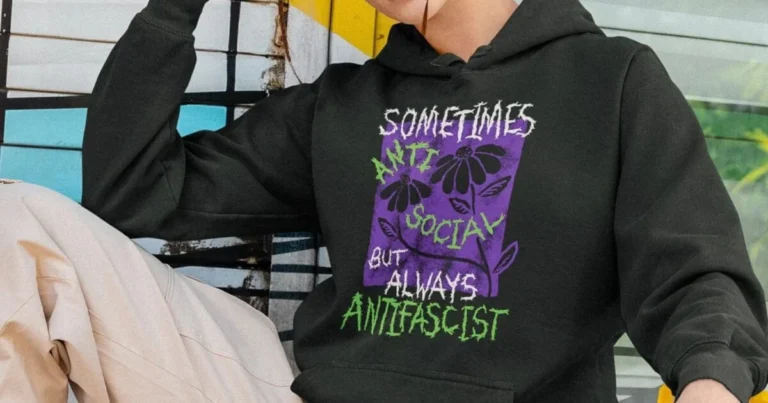
- WAWWA: This UK brand champions organic, fair trade, and vegan-friendly clothing with a positive social impact. WAWWA uses lower-impact materials, non-toxic dyes, and reuses offcuts to minimize waste. Their thick organic cotton hoodies, printed to order, are essential for unpredictable festival weather and versatile for future casual wear. Available in sizes XS-2XL, shipping internationally from the UK.
- Flare Street: Based in Melbourne, Flare Street captures the essence of 1960s and 70s style with quality fabrics and vintage-inspired prints. The brand uses lower-impact materials and locally sourced factory ends in limited production runs, ensuring fair wages in its final production stage. Their flared designs are a perfect nod to classic festival aesthetics. Available in sizes 2XS-3XL.
- Parker Clay: A US-based brand dedicated to creating a future without exploitation, Parker Clay empowers women in Ethiopia by providing stable incomes and safe working environments. They also preserve traditional Ethiopian techniques and materials. Their durable leather bags, such as the Tana bucket bag, are ideal for carrying festival essentials. Shipping internationally from the US.
- Lefrik: This Spanish brand specializes in urban bags, backpacks, and travel essentials made from recycled plastic PET bottles. Founded in 2012, Lefrik offers fashionable and functional bags for the modern, eco-conscious traveler, perfect for carrying festival gear.
- ARTICLE22: Every piece of ARTICLE22 jewelry is handcrafted in Laos using recycled materials from Vietnam War bombs, plane parts, and other aluminum scraps. Their "Love All Around Bangle," inscribed with translations of "love," beautifully symbolizes the core sentiment of Woodstock 1969, offering a meaningful accessory. Available in sizes S-XL, shipping internationally from the US.
- Spell: An Australian fashion brand, Spell is inspired by vintage treasures and designed in Byron Bay, with responsible production globally. Their flouncy dresses are festival-ready, and their versatile travel scarves can serve multiple purposes, from sitting on the grass to beachwear. Most garments are available in sizes 2XS-2XL, shipping internationally from Australia.
Broader Implications and The Future of Festival Culture
The discourse around festival fashion extends beyond individual choices; it reflects broader societal shifts towards ethical consumption and cultural sensitivity. The implications of continuing the status quo are dire: escalating environmental damage, perpetuation of labor exploitation, and ongoing disrespect for cultural heritage. Conversely, embracing sustainable and respectful practices offers a pathway to a more conscious and responsible festival culture.
The future of festival fashion lies in a renewed appreciation for authenticity, durability, and respect. This involves a collaborative effort from consumers, who must prioritize mindful purchasing and cultural education; from festival organizers, who can enforce ethical guidelines and promote sustainable vendors; and from the fashion industry itself, which must pivot away from disposable trends towards truly circular and ethical production models. By consciously choosing how we dress for these celebratory events, we can ensure that the joy and freedom of festivals are not overshadowed by their hidden costs, fostering a community that truly embodies peace, love, and respect for all.
Editor’s note: Good On You publishes the world’s most comprehensive ratings of fashion brands’ impact on people, the planet, and animals. Our editors curate highly rated brands that are first assessed by our rigorous ratings system. Buying through our links may earn us a commission—supporting the work we do. This article was updated on April 1, 2026, with refreshed references and product recommendations to reflect current brand ratings.