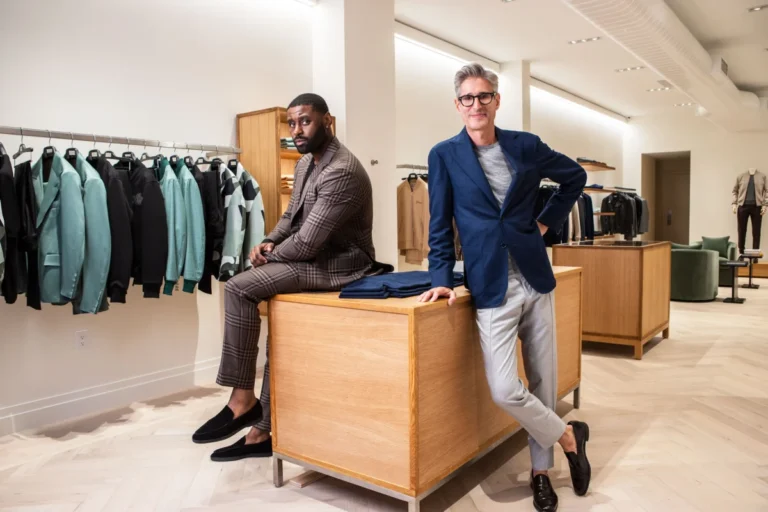





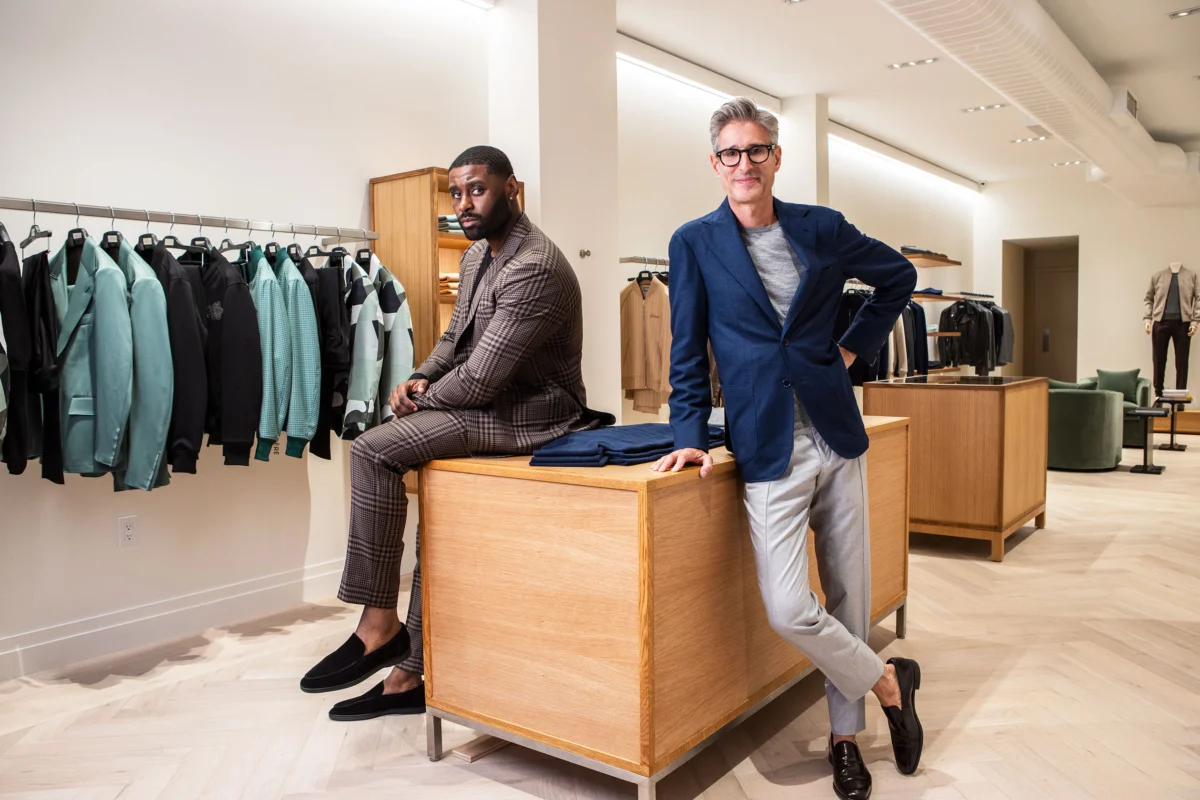
The intersection of high-performance technology and high-end fashion has found a new focal point in Frère, a bespoke and ready-to-wear luxury brand that has rapidly become the wardrobe of choice for the world’s most influential power players. Since its official launch in March 2024, the brand has secured an enviable client list that includes Apple CEO Tim Cook, music mogul and entrepreneur Jay-Z, and Coinbase co-founder Fred Ehrsam. This momentum culminates this month with the opening of the brand’s first physical flagship store in New York City’s historic SoHo neighborhood, marking a strategic pivot toward physical retail as the primary medium for luxury storytelling.
Frère represents a specific evolution in the "quiet luxury" movement—a trend characterized by hyper-expensive, logo-free garments that signal status through material quality and tailoring rather than overt branding. With a product line featuring $3,490 wool knit tracksuits and $5,990 cashmere overcoats, the brand is positioning itself as the definitive outfitter for a new generation of leaders who prioritize "stealth wealth."
The Architect and the Executive: A Fusion of Luxury Pedigree
The foundation of Frère rests on the complementary expertise of its co-founders, Davidson Petit-Frère and François Kress. Petit-Frère, who serves as the brand’s creative director, followed an unconventional path to the pinnacle of the fashion world. Originally a professional in luxury real estate, he transitioned into menswear through a series of internships and self-taught design initiatives. His first major venture, Musika Frère, gained international acclaim for its sharp, bespoke tailoring, eventually dressing icons such as Beyoncé and NBA star Stephen Curry.
By contrast, François Kress, the company’s CEO, brings decades of institutional knowledge from the highest echelons of European luxury conglomerates. Kress’s resume reads like a directory of the industry’s most prestigious houses: he previously served as the president of Fendi for North and South America, CEO and managing director of Bulgari in the same regions, and president and CEO of the Prada Group’s U.S. operations.
The partnership between Petit-Frère’s creative intuition and Kress’s operational mastery was born from a shared vision of the future of menswear. According to the founders, the brand was conceived to bridge the gap between classic tailoring and the modern needs of the global elite. "We saw an opportunity to reshape the menswear narrative by focusing on what will never go out of style: beautiful tailoring, timeless elegance, and exceptional craftsmanship," Kress noted during the store’s unveiling.
The Evolution of the Tech Aesthetic: From Vests to Bespoke
For decades, the "tech bro" aesthetic was defined by a utilitarian, almost anti-fashion ethos. The "Patagonia vest," paired with hoodies, distressed jeans, and startup-branded T-shirts, became the unofficial uniform of Silicon Valley. This look was rooted in the "move fast and break things" philosophy, where sartorial effort was often viewed as a distraction from engineering and innovation.
However, as the leaders of the tech revolution have matured into the stewards of the global economy, their aesthetic has undergone a significant refinement. While the core tenets of the look—comfort and minimalism—remain, the materials and execution have shifted toward the ultra-premium. This transition has seen tech CEOs move away from mass-market brands in favor of "stealth wealth" staples like Loro Piana, Brunello Cucinelli, and Common Projects.
Frère is capitalizing on this shift by offering garments that fit seamlessly into a professional environment while providing a level of sophistication that traditional tech-wear lacks. "Frère blends classic tailoring with contemporary elements, allowing leaders in the world of tech and beyond to stand out subtly in environments where understated style often speaks the loudest," Petit-Frère explained. The brand’s ability to offer "neutrals that cost around $1,000" appeals to the modern executive’s desire for a wardrobe that is both functional and indicative of their position at the top of the socio-economic ladder.
Strategic Capital and the "Seed Round" Momentum
The rapid ascent of Frère is supported by a sophisticated group of investors from the worlds of finance, biotechnology, and entertainment. The company is currently in the process of closing a seed funding round, led by Robert Nelsen, the co-founder and managing director of ARCH Venture Partners. Nelsen, primarily known for his high-stakes investments in the biotech sector, invested in Frère as an angel investor, signaling a unique cross-pollination between scientific innovation and luxury fashion.

Nelsen’s endorsement of the brand highlights why Frère resonates with the tech community. "They make a helluva suit, plain and simple," Nelsen told TechCrunch. "Frère blends timeless craftsmanship with a fresh perspective, and that’s what makes it stand out. For folks in tech, it’s about having style that feels personal but still professional, something that reflects who you are and where you’re going."
Joining Nelsen in the investment round are other high-profile figures, including Robert Hamwee of New Mountain Capital and Jay-Z. The involvement of Jay-Z, a long-time client of Petit-Frère, underscores the brand’s cultural relevance and its ability to transcend the boundaries between the boardroom and the recording studio. The capital raised thus far has been deployed toward building a specialized design team, developing the initial ready-to-wear collections, and securing the high-value real estate required for the SoHo flagship.
The SoHo Flagship: Why Physical Retail Precedes E-Commerce
In a digital-first era, Frère has taken the contrarian approach of prioritizing a physical boutique over an e-commerce platform. While an online store is slated for launch later this month, the founders insisted that the brand’s debut be defined by a tangible experience.
The decision to open in SoHo is strategic. As a global hub for both luxury shopping and creative industries, SoHo provides the ideal backdrop for a brand that seeks to merge traditional artistry with modern culture. For luxury consumers, the "touch and feel" of a garment—especially when dealing with materials like high-grade cashmere and bespoke wool—is a critical component of the purchasing process.
"Beautiful products like ours need to be experienced firsthand, not just through a screen," Kress emphasized. The flagship store is designed to immerse customers in the brand’s narrative, incorporating elements of Petit-Frère’s Haitian heritage into the interior design and brand identity. This cultural infusion provides a unique point of differentiation in a luxury market that can often feel homogenized.
The physical store also serves as a laboratory for fit and personalization. In the world of high-end tailoring, the relationship between the client and the clothier is paramount. By establishing a physical presence first, Frère is building a foundation of brand loyalty and "high-touch" service that digital platforms struggle to replicate.
Broader Impact and the Future of the Luxury Market
The emergence of Frère comes at a time of transition for the global luxury market. As consumer spending in the "loud luxury" sector (heavily branded items) shows signs of cooling in certain regions, the "quiet luxury" sector continues to show resilience. High-net-worth individuals are increasingly seeking longevity and exclusivity over trend-driven pieces.
Frère’s success with the tech elite suggests that there is a growing market for brands that can speak the language of innovation while respecting the traditions of craftsmanship. By securing the patronage of figures like Tim Cook and Fred Ehrsam, Frère is not just selling clothes; it is selling a lifestyle of "refined power."
The brand’s roadmap involves expanding its ready-to-wear offerings while maintaining its core bespoke services. As the seed round concludes and the e-commerce platform goes live, the industry will be watching to see if Frère can scale its "bespoke-to-ready-to-wear" model globally. If its early traction is any indication, the brand is well on its way to becoming the new standard for the modern executive’s wardrobe, proving that in the world of high-stakes leadership, the most powerful statement is often the most understated.