











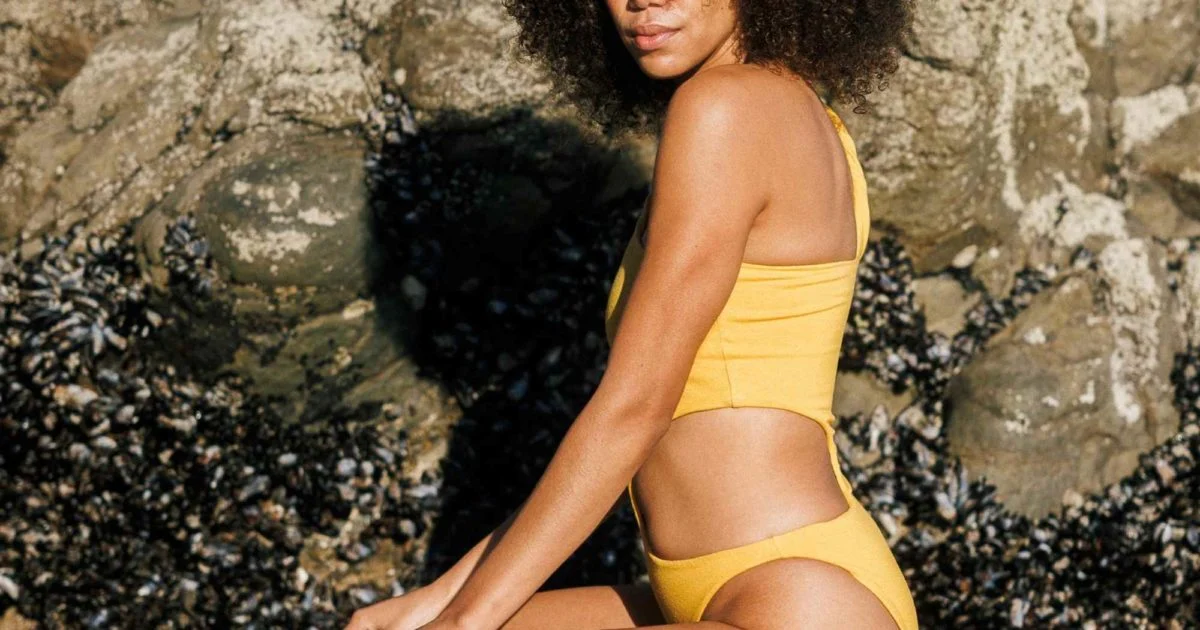
The global fashion industry, long under scrutiny for its environmental and social footprint, is witnessing a significant paradigm shift, particularly within the swimwear sector. As consumers become increasingly conscious of their purchasing power and its impact, the demand for responsibly produced garments is surging. This comprehensive exploration delves into the critical need for sustainable swimwear, highlights innovative material solutions, and showcases leading brands worldwide that are setting new benchmarks for ethical and eco-friendly practices. Guiding this movement, platforms like Good On You provide invaluable insights, meticulously curating and rating brands to empower consumers in making informed, impactful choices.
The Environmental Wake-Up Call: Unpacking the Impact of Conventional Swimwear
For decades, swimwear has been predominantly manufactured from synthetic materials such as virgin nylon, polyester, and spandex. These fabrics, while lauded for their practicality – offering durability, stretch, quick-drying properties, and resistance to chlorine and saltwater – come with a steep environmental cost. Derived from petroleum, their production is energy-intensive and contributes significantly to greenhouse gas emissions. However, the most alarming consequence of these plastic-based materials manifests throughout their lifecycle, particularly during use and disposal.
A major concern is the insidious release of microfibres. Every wash cycle of a garment made from synthetic textiles can shed thousands of microscopic plastic fibres, which are too small to be filtered by conventional wastewater treatment plants. These microfibres then enter aquatic ecosystems, polluting oceans, rivers, and lakes. Research indicates that textiles are a primary source of microplastic pollution, with swimwear contributing to this global crisis. Once in the environment, these microplastics are ingested by marine life, entering the food chain and posing potential health risks to both wildlife and humans. The United Nations Environment Programme (UNEP) has consistently highlighted the pervasive issue of plastic pollution, with an estimated 8 million tonnes of plastic entering our oceans annually, much of it breaking down into these harmful microfibres. This alarming trend underscores the urgency for a radical shift in textile production and consumption.
Furthermore, the end-of-life scenario for conventional swimwear is equally bleak. Being plastic-based, these garments are non-biodegradable, meaning they can persist in landfills for hundreds of years, slowly breaking down into microplastics and leaching chemicals into the soil and groundwater. The sheer volume of textile waste generated globally – estimated by the Environmental Protection Agency (EPA) to be over 17 million tons in the U.S. alone in 2018, with a significant portion being synthetic – necessitates a move towards more circular and sustainable alternatives.
Innovation in Fabrics: Pioneering a New Wave of Eco-Conscious Materials
In response to this environmental imperative, a growing number of forward-thinking brands are revolutionizing swimwear production by incorporating lower-impact materials and adopting circular economy principles. This innovation is crucial for mitigating the ecological damage caused by the fashion industry.
One of the most prominent breakthroughs is ECONYL, a regenerated nylon yarn made from discarded fishing nets, fabric scraps, carpet flooring, and industrial plastic from landfills and oceans worldwide. The ECONYL Regeneration System allows these waste materials to be transformed back into virgin-quality nylon without the need for new petroleum resources. This not only reduces waste but also helps clean up existing pollution, offering a truly circular solution. Garments made from ECONYL maintain the desired performance characteristics of conventional nylon – elasticity, durability, and UV protection – but with a significantly reduced environmental footprint.
Beyond regenerated nylon, recycled polyester is another widely adopted sustainable alternative. Produced from post-consumer plastic bottles, this material diverts plastic waste from landfills and oceans, reducing the demand for virgin polyester and its associated fossil fuel consumption. While still a synthetic material, its use represents a significant step towards a more sustainable production model by repurposing existing resources.
Natural fibers are also making a resurgence in swimwear. Hemp, for instance, offers a compelling eco-friendly option. This rapidly growing plant requires minimal water and no pesticides to cultivate, making it a low-impact crop. When processed into fabric, hemp is naturally antimicrobial, UV resistant, and incredibly durable. Its breathability and softness, combined with its biodegradable nature, position it as an excellent, healthier choice for both wearers and the planet. Brands integrating hemp into their collections are tapping into ancient textile wisdom to address modern sustainability challenges.
Other innovations include the use of organic cotton for linings or non-stretch components, and advancements in dyeing processes to reduce water usage and chemical pollution. The market for sustainable textiles is experiencing robust growth, with projections indicating a continued upward trajectory as consumer awareness and technological capabilities expand. Industry analysts estimate that the global sustainable textile market could reach tens of billions of dollars in the coming years, driven by ethical consumerism and corporate responsibility.
A Global Commitment: Leading Brands Paving the Way in Sustainable Swimwear
The shift towards responsible swimwear is a global phenomenon, with brands across continents committing to ethical production, innovative materials, and transparent practices. These brands, often highly rated by independent evaluators like Good On You, demonstrate that style, comfort, and sustainability can coexist.
USA and Canada: Pioneers of Ethical Production and Material Innovation
North American brands are at the forefront, blending design with a deep commitment to environmental and social responsibility.
- Natasha Tonic exemplifies the power of natural fibres. This brand’s innovative swimwear utilizes a unique hemp-based fabric, which is not only antimicrobial and UV resistant but also durable and gentler on the skin and oceans. Each piece is further distinguished by hand-printed designs, ensuring uniqueness and supporting traditional craftsmanship. Available in sizes XS-XL, Natasha Tonic offers a luxurious, eco-conscious choice.
- Patagonia, a venerable name in outdoor apparel, extends its long-standing environmental ethos to its swimwear collection. Known for its robust "Good" labour practices and commitment to reducing energy use and emissions, Patagonia champions recycled polyester over virgin alternatives. This dedication to sustainability is ingrained in the brand’s DNA, making it a reliable choice for eco-minded adventurers across sizes 2XS-3XL. The brand also encourages circularity through initiatives like its Worn Wear program, promoting repair and reuse.
- LONDRÉ, a Canadian minimalist swimwear brand, makes a tangible impact by repurposing recycled plastic bottles salvaged from the streets and beaches of Taiwan. Beyond its material innovation, LONDRÉ operates with a closed-loop water system, reusing and recycling water in its production process. The brand’s commitment extends to social causes, having donated over $10,000 to organisations like Amazon Watch and the Yellow Hammer Fund, supporting women’s health and environmental initiatives. Its inclusive sizing, from XS-5XL, further broadens its appeal.
- Outerknown, co-founded by surf champion Kelly Slater, seamlessly blends high-performance surfwear with environmental stewardship. The brand’s Bluesign certification attests to its responsible use of resources and reduction of environmental impact, while its partnership with the Fair Labour Association ensures ethical working conditions. Offering sizes XS-2XL, Outerknown caters to those who demand both functionality and integrity in their beachwear.
- Sage Larock elevates sustainable swimwear into the luxury segment. Handcrafted in Los Angeles by a small, dedicated team, their timeless pieces are fashioned from high-quality Italian recycled plastic fabric. A notable aspect of Sage Larock’s mission is its direct contribution to marine conservation non-profits, with a percentage of profits from each sale. The brand’s range is available in sizes XS-L.
- Reformation, a Los Angeles-based fashion powerhouse, famously declares its mission to create "killer clothes that don’t kill the environment." This ethos is reflected in its swimwear, which is produced with a strong emphasis on sustainability. The brand ensures a proportion of its suppliers pay a living wage and provides training to improve working conditions across its supply chain. Reformation’s commitment to both people and planet is accessible in sizes XS-3XL.
Australia and New Zealand: Beach Culture Meets Conscious Craftsmanship
Given their iconic beach cultures, it’s no surprise that Australian and New Zealand brands are embracing sustainable swimwear with enthusiasm.
- Spell, an Australian fashion label rooted in Byron Bay, draws inspiration from far-off places and vintage aesthetics. Its garments are designed and sampled locally, with production carried out responsibly in certified factories worldwide. Spell’s swimwear embodies a free-spirited yet ethical approach, available in sizes 2XS-2XL.
- peony represents luxury swimwear crafted consciously from recycled and lower-impact fabrics. This Australian brand ensures its factories are certified by Social Accountability International (SA8000), a robust standard for social compliance. Furthermore, peony diligently traces most of its supply chain, offering transparency and accountability. Its sophisticated designs are available in sizes XS-XL.
- Oobi, an Australian brand specializing in girls’ fashion, swimwear, and homewares, extends its ethical practices to children’s wear. The brand prioritizes the use of low-impact, non-toxic dyes and avoids animal products across its range. To minimize its carbon footprint, Oobi opts for sea freight for product transportation. The brand’s commitment provides a refreshing option for parents seeking stylish and sustainable choices for their children.
Europe and the UK: Diverse Approaches to Sustainable Swimwear
European brands are showcasing a wide array of sustainable strategies, from localized production to innovative material sourcing and social initiatives.
- ColieCo, based in Portugal, is recognized for its uniquely fun and striking designs in lingerie, underwear, and swimwear. The brand manufactures all its pieces in-house from sustainably-sourced fabrics, proving that ethical production can be both adventurous and affordable. ColieCo offers a broad size range from 2XS-3XL.
- NIKIN, a Swiss brand, intertwines consumer purchases with direct environmental action: a tree is planted for every product sold. This tangible commitment to reforestation, combined with sustainably produced apparel, allows customers to wear their environmental values. NIKIN’s products are available in sizes XS-2XL.
- Anekdot stands out for its radical approach to circularity. This Berlin-based brand handmakes designer underwear, swimwear, and loungewear by upcycling production leftovers, deadstock fabrics, and vintage trimmings. This creative reuse of materials not only minimizes waste but also results in unique, limited-edition products. Most items are available in sizes XS-XL.
- CASAGiN, an Italian brand, champions a conscious lifestyle through its apparel. Its swimwear, like its other collections, is designed for individuals who prioritize sustainability in their wardrobe choices. The brand focuses on creating pieces that align with eco-friendly values, available in sizes XS-2XL.
- TWOTHIRDS, with its deep reverence for the ocean, crafts apparel for those who value marine ecosystems as much as style. The brand emphasizes local manufacturing to significantly reduce its carbon footprint and conducts thorough audits of its final production stages. TWOTHIRDS offers clothing in sizes XS-L.
- Bluebuck, a French menswear label, combines a playful, adventurous spirit with a dedication to nature. Specializing in durable technical basics and swimwear, Bluebuck produces locally to minimize its environmental impact and utilizes superior materials such as GOTS certified cotton and recycled marine plastic. Most items are available in sizes XS-2XL.
- Kampos, a luxurious Italian brand, is driven by a mission to foster integrity and conscience for future generations. It actively raises awareness about over-fishing and marine pollution, offering unique swimwear pieces made from recycled plastic bottles, fishing nets, and other lower-impact organic fabrics. Kampos’s collection is available in sizes XS-2XL.
- Underprotection, a Danish brand, seamlessly merges ethics with aesthetics in its underwear, loungewear, and swimwear. Utilizing lower-impact materials like organic cotton, the brand ensures all packaging is recycled or biodegradable. Crucially, Underprotection partners exclusively with certified factories, upholding its belief that "fair working conditions and fair wages are human rights." The brand celebrates women of all kinds, aiming to make them feel beautiful and comfortable in sizes XS-XL.
- ASKET, a Swedish brand founded in 2015, challenges traditional fashion cycles by focusing on timeless wardrobe essentials, revolutionary sizing, and transparent, fair pricing. By disregarding seasonal collections and selling directly to consumers, ASKET dedicates itself to building a single, permanent collection. Its swimwear reflects this enduring quality and commitment to reducing waste, available in sizes 2XS-2XL.
Rest of the World: Global Efforts for a Sustainable Swim Industry
Sustainability in swimwear is a truly global endeavor, with innovative brands emerging from diverse regions.
- Loop Swim, founded by two women from the US and India and headquartered in Shanghai, is on a mission to close the loop on waste through circular design. The brand ingeniously transforms post-consumer plastic bottles into high-quality REPREVE UP50+ sun protective swimwear for men, women, and children. Loop Swim’s trendless designs are engineered for longevity, retaining shape and color through countless swims. Most items are available in sizes XS-XL.
- The Summer House, based in India, creates beautiful women’s wear using locally sourced, lower-impact fabrics. The brand fosters community development by partnering with local artisans and NGOs, providing vital opportunities within the region. Its elegant prints and flowing silhouettes offer a unique blend of cultural artistry and ethical production, available in sizes XS-XL.
- Koraru, named after the Japanese pronunciation of ‘coral,’ is a Tokyo-based brand deeply inspired by circularity principles. It develops swimwear using lower-impact materials and actively offers a recycling program for its products. Koraru also partially traces its supply chain, reflecting a commitment to transparency and environmental stewardship. The brand’s range is available in sizes XS-XXL.
The Broader Implications: A Call for Transparency and Consumer Empowerment
The rise of sustainable swimwear brands signals a significant shift within the broader fashion industry. This movement is not merely about alternative materials; it embodies a holistic commitment to environmental protection, ethical labour practices, and supply chain transparency. The growing market for ethical fashion underscores a powerful trend: consumers are increasingly willing to invest in brands that align with their values.
However, challenges remain. Scaling sustainable practices across the entire industry, particularly for larger fast-fashion entities, presents economic and logistical hurdles. The cost of innovative, eco-friendly materials and ethical labour can sometimes translate to higher price points, potentially limiting accessibility for some consumers. Furthermore, the phenomenon of "greenwashing" – where brands make unsubstantiated or misleading claims about their sustainability efforts – continues to be a concern, making it difficult for consumers to discern genuinely ethical options.
Despite these obstacles, the future outlook for sustainable swimwear is optimistic. Continued innovation in material science, coupled with increasing consumer demand and pressure from environmental advocacy groups, is likely to drive further adoption of responsible practices. The development of advanced recycling technologies and bio-based alternatives will broaden the spectrum of sustainable fabric choices, while greater supply chain transparency, perhaps mandated by future regulations, will build trust.
Platforms like Good On You play a crucial role in this evolving landscape. By providing comprehensive, objective ratings of fashion brands’ impact on people, the planet, and animals, they empower consumers to navigate the complexities of ethical shopping. Their detailed directories and updated analyses help demystify sustainability claims, enabling individuals to make choices that truly "wear the change they want to see." As the understanding of our collective environmental responsibility deepens, the preference for swimwear that protects both the wearer and the planet will only continue to grow, fostering a healthier, more sustainable relationship between fashion and our natural world.