








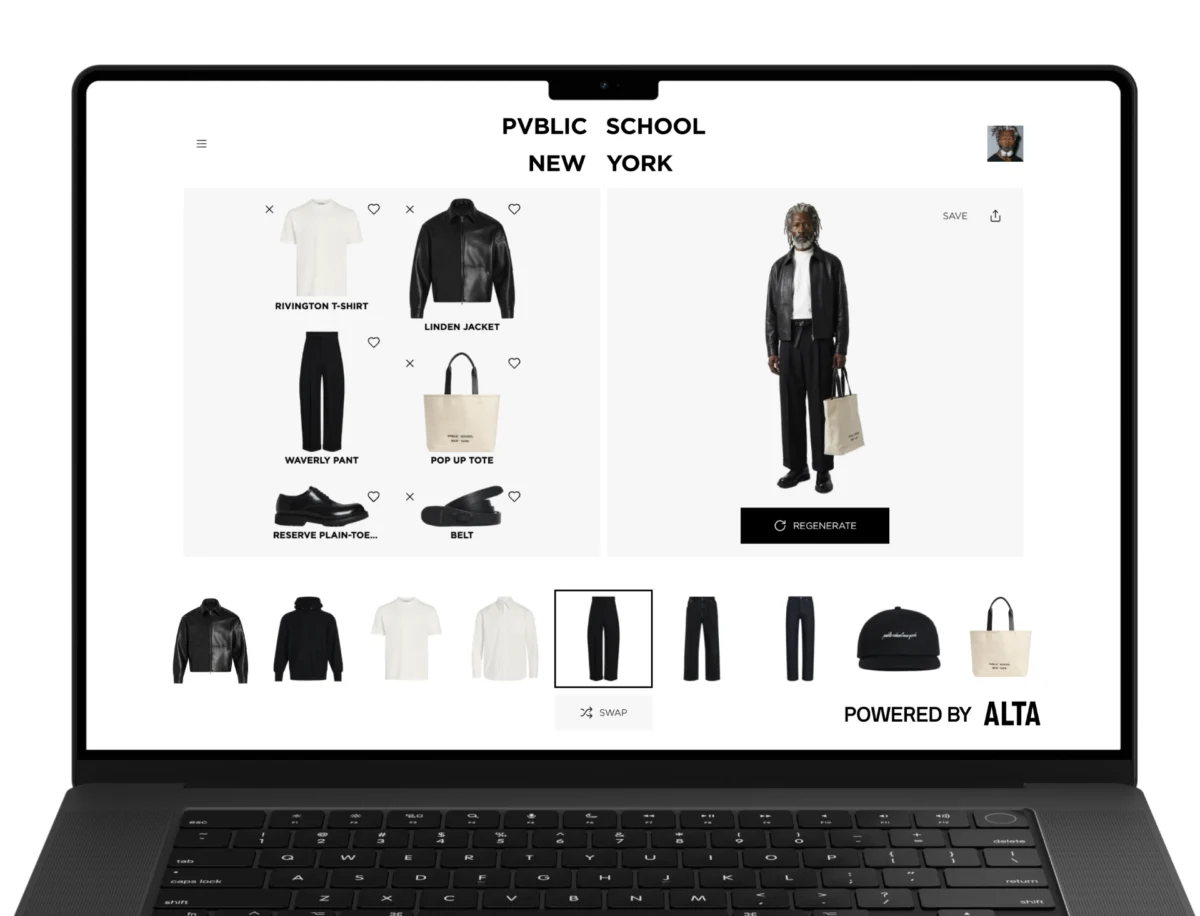
The landscape of retail technology is undergoing a transformative shift as Alta, a pioneer in artificial intelligence-driven fashion, announces a significant expansion of its platform capabilities and a high-profile partnership with the iconic New York brand Public School. Led by founder Jenny Wang, Alta has successfully transitioned from a conceptual "digital closet" inspired by 1990s cinema into a robust enterprise solution that aims to become the "personal identity layer" for the future of global e-commerce. During the most recent New York Fashion Week (NYFW), the company demonstrated how its proprietary avatar technology is being embedded directly into designer websites, allowing consumers to interact with high fashion in a highly personalized, virtual environment.
The Evolution of the Digital Closet
The core premise of Alta began with a vision to replicate and enhance the "Clueless" fashion technology—a reference to the 1995 film where protagonist Cher Horowitz used a computer interface to style her daily outfits. While the concept has existed in the cultural zeitgeist for nearly three decades, the technical hurdles of realistic fabric rendering, body mapping, and cross-platform integration remained significant barriers until the recent advancements in generative AI and machine learning.
Since its official launch in 2023, Alta has seen explosive growth. The company reported that users have generated more than 100 million outfits on the platform to date. This milestone underscores a shifting consumer appetite toward digital-first shopping experiences where "trying on" a garment precedes the physical purchase. The platform’s recognition by Time and Vogue as one of the premier innovations of the past year has further solidified its standing within the competitive intersection of Silicon Valley and the global fashion industry.
Strategic Funding and Industry Backing
The rapid scaling of Alta’s infrastructure was fueled by a successful $11 million funding round led by Menlo Ventures. The investment attracted a sophisticated mix of venture capital and industry insiders, signaling broad confidence in Wang’s vision. Notable participants included the Anthology Fund—the venture arm of the AI safety and research company Anthropic—and prominent figures from the fashion world such as supermodels Karlie Kloss and Jasmine Tookes.
The inclusion of Jenny Fleiss, co-founder of Rent the Runway, as an investor provides Alta with deep institutional knowledge regarding the circular economy and the logistics of digital apparel management. This diverse backing has allowed Alta to refine its "agentic commerce" model, which posits that future shopping will be facilitated by AI agents that understand a user’s specific body measurements, style preferences, and existing wardrobe inventory.
The Public School Collaboration: A New Frontier in Integration
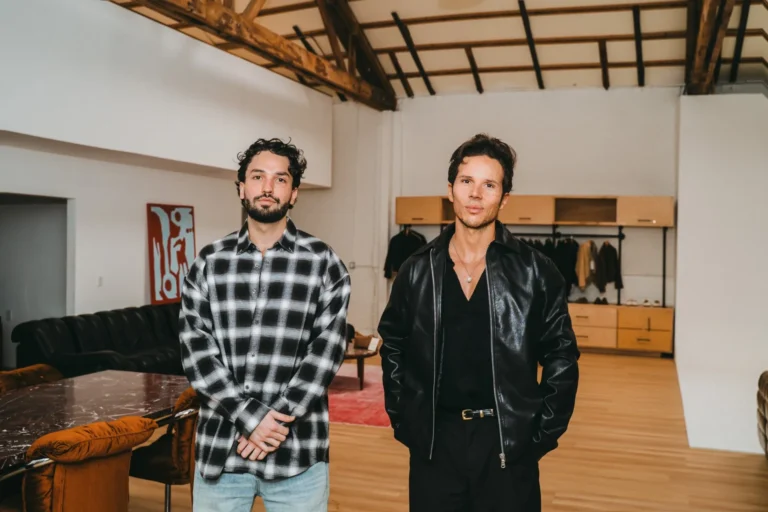
A pivotal moment for Alta occurred during this year’s New York Fashion Week, marking the company’s first major enterprise integration with the streetwear label Public School. Founded by Dao-Yi Chow and Maxwell Osborne, Public School has long been a fixture of the New York fashion scene, known for its blend of high-fashion tailoring and urban aesthetics. After a multi-year hiatus, the brand utilized its "re-debut" to embrace technological modernization.
The collaboration introduces a "Style with Alta" feature directly on the Public School website. This integration allows shoppers to select items, such as the Linden Jacket, and instantly visualize them on their personalized Alta avatar. Unlike previous iterations of virtual try-on tech, which often redirected users to third-party apps, this implementation keeps the consumer within the brand’s ecosystem while leveraging Alta’s backend processing power.
Dao-Yi Chow emphasized the necessity of this shift, noting that the fashion industry can no longer view technology as an auxiliary component. "We have to look at tech as a partner in the business today," Chow stated. He highlighted that the goal of using AI was not to replace the creative design process but to extend the brand’s storytelling and provide a tactile-adjacent experience for consumers who cannot visit a physical showroom.

Technical Superiority and the Competitive Landscape
Alta enters a market where legacy retailers like Zara and luxury houses like Balmain have previously experimented with digital avatars. However, Wang notes that Alta’s competitive advantage lies in its speed and capacity for complexity. Current industry standards, such as those utilized by Zara, often limit avatars to wearing four items simultaneously, with rendering times often exceeding two minutes. In contrast, Alta’s technology allows avatars to be styled with eight or more items in a matter of seconds.
This technical efficiency is critical for "agentic commerce," a term Wang uses to describe a data-rich shopping environment. For this model to function, the AI requires a "data layer" that encompasses the shopper’s likeness, body geometry, past purchase history, and current closet contents. By centralizing this data, Alta aims to eliminate the friction of online shopping, specifically the high return rates associated with poor fit and styling uncertainty.
Chronology of Alta’s Growth
The trajectory of Alta illustrates the accelerating pace of AI adoption in the retail sector:
- Early 2023: Alta launches its consumer-facing app, allowing users to digitize their personal closets and experiment with AI-generated styling.
- Mid-2023: The platform surpasses 50 million generated outfits and gains traction among fashion influencers and Gen Z demographics.
- Late 2023: Recognition from major publications (Time/Vogue) elevates the brand’s profile, leading to partnerships with the Council of Fashion Designers of America (CFDA) and Poshmark.
- 2024: Alta secures $11 million in funding and pivots toward B2B integrations, focusing on helping brands embed virtual try-on tech into their own e-commerce stacks.
- Present: The Public School integration serves as a proof-of-concept for widespread enterprise adoption, with Wang hinting at several more high-profile partnerships to be announced in the coming fiscal quarters.
Broader Impact on the Fashion Industry
The implications of Alta’s technology extend beyond mere convenience. The fashion industry is currently grappling with an environmental crisis driven by overproduction and a 30% to 40% return rate for online apparel purchases. By providing a more accurate representation of fit and style before a transaction occurs, Alta’s virtual try-on technology has the potential to significantly reduce the carbon footprint associated with shipping and returns.
Furthermore, the partnership with the CFDA suggests a systemic move toward digital standards in fashion. As more designers adopt "digital twins" for their collections, the barrier between the physical runway and the digital consumer continues to dissolve. This democratization of high fashion allows niche brands to reach a global audience with the same technological sophistication as multi-billion dollar conglomerates.
The Future: A Personal Identity Layer
Looking ahead, Jenny Wang envisions Alta as more than just a styling tool. She describes the company’s ultimate goal as becoming the "personal identity layer" for the future of consumer AI. In this vision, a user’s Alta avatar and data profile would follow them across the internet, from social media platforms to various retail sites, ensuring a consistent and personalized experience.
"The consumer Alta app is the ‘Clueless’ closet, while the enterprise Alta experience allows shoppers to style pieces and try the outfits on their pre-existing Alta avatar," Wang explained. This dual-track approach—maintaining a popular consumer app while building a robust B2B integration service—positions Alta as a central utility in the evolving digital economy.
As AI continues to redefine how humans interact with products, Alta’s successful integration with Public School serves as a benchmark for the industry. It proves that when legacy craftsmanship meets cutting-edge computation, the result is a more immersive, efficient, and personalized consumer journey. With the backing of both Silicon Valley’s most prominent AI investors and the fashion world’s elite, Alta is poised to lead the transition into a new era of "agentic" retail.