










The global fashion landscape is currently navigating a period of unprecedented acceleration, driven by the rise of ultra-fast fashion and a consumer base that demands constant novelty. To address the logistical and creative bottlenecks inherent in traditional apparel development, Raspberry AI has secured $24 million in a Series A funding round led by Andreessen Horowitz. This significant capital infusion, which includes participation from Greycroft, Correlation Ventures, and MVP Ventures, arrives just ten months after the company’s $4.5 million seed round. The rapid succession of funding highlights a growing consensus among venture capitalists that generative artificial intelligence is poised to become the foundational infrastructure for the next generation of retail design.
Founded two years ago by Cheryl Liu, a former private equity analyst at KKR with experience at Amazon and DoorDash, Raspberry AI aims to bridge the gap between creative vision and industrial production. By leveraging a specialized text-to-image platform, the startup allows designers to visualize and iterate on garment concepts almost instantaneously. This technology directly addresses the most time-consuming phase of fashion production: the sampling process. In an industry where market trends can shift in a matter of days, the ability to bypass weeks of physical prototyping represents a paradigm shift in how brands maintain competitiveness.
The Evolution of the Fashion Design Lifecycle
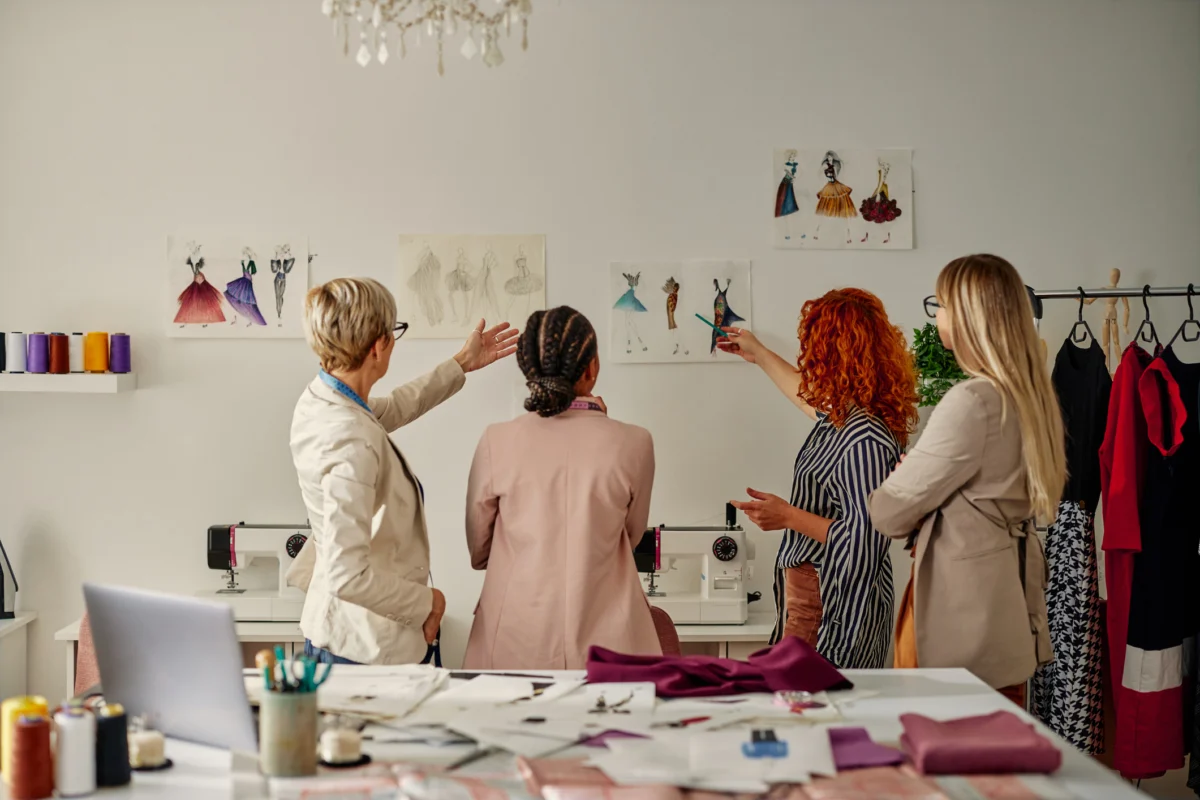
Historically, the journey from a designer’s sketch to a retail floor has been a linear and often cumbersome process. For decades, the industry relied on physical samples—prototypes of garments manufactured in overseas factories and shipped back to design headquarters for review. A single garment might undergo several iterations, with each physical sample requiring weeks of logistics and significant material costs. While software tools like Adobe Photoshop and 3D modeling platforms like Browzwear introduced digital efficiencies, they still required high levels of technical proficiency and significant manual labor to produce realistic results.
The emergence of foundational image models in late 2022, specifically OpenAI’s DALL-E and Stability AI’s Stable Diffusion, provided the spark for Raspberry AI’s inception. Cheryl Liu recognized that these models represented a "zero-to-one" moment for fashion. For the first time, a designer could describe a garment in plain language and receive a high-fidelity visual representation in seconds. However, general-purpose AI models often lacked the nuance required for professional manufacturing. Raspberry AI was built to solve this specific problem, tailoring generative technology to the unique vocabulary and structural requirements of the apparel industry.
Technical Differentiation and Industry-Specific Intelligence
While generic AI image generators can produce aesthetically pleasing visuals, they often fail when confronted with the technical specifications required by professional designers. A common critique of general-purpose models is their inability to distinguish between specific fabric weights, knit patterns, or technical construction details. During the development of Raspberry AI, Liu emphasized the importance of industry-specific terminology.
For example, a prompt for a "fuzzy sweater" in a standard model might yield a generic image of knitwear. In contrast, Raspberry’s platform is designed to understand the underlying technicalities—whether the "fuzziness" is achieved through mohair, brushed alpaca, or a specific synthetic blend—and how those materials drape and interact with light. This level of precision allows designers to see a foundational piece rendered in dozens of different materials and prints without the need for a single physical swatch.
The platform also offers a "sketch-to-photo" feature, which is particularly valuable for creative directors who prefer to start with hand-drawn concepts. By uploading a rough sketch, a designer can generate a photorealistic image that looks like a finished product on a brand’s e-commerce site. This capability allows executives to make informed "go/no-go" decisions on specific designs before a single dollar is spent on manufacturing, effectively de-risking the creative process.
Strategic Partnerships and Market Adoption
The commercial viability of Raspberry AI is evidenced by its rapidly expanding roster of high-profile clients. The company currently serves 70 customers, ranging from high-performance athletic brands to luxury heritage houses. Notable partners include Under Armour, which operates in the highly technical sportswear sector, and MCM Worldwide, a luxury brand known for its distinct leather goods and accessories.

Furthermore, the platform has gained traction with large-scale manufacturers such as Gruppo Teddy. Based in Italy, Gruppo Teddy is a global powerhouse in the fast-fashion sector, overseeing a network of over 8,840 stores across 39 countries. For a company of this scale, the ability to accelerate the design cycle is not merely a convenience but a critical operational advantage. By integrating Raspberry AI into their workflow, these large-scale retailers can respond to viral trends with the speed of digital-native companies like Shein, while maintaining the quality standards associated with traditional Western brands.
Bryan Kim, a partner at Andreessen Horowitz, noted that the firm’s decision to lead the Series A was driven by both the technology and the leadership. According to Kim, the investment team met with numerous companies attempting to apply AI to fashion, but Raspberry stood out due to Liu’s strategic approach and the company’s ability to secure "marquee clients" early in its lifecycle. This enterprise-first approach suggests that Raspberry AI is positioning itself as an essential B2B tool rather than a niche creative toy.
Economic and Environmental Implications
Beyond the immediate benefits of speed and cost reduction, the adoption of AI in fashion design has broader implications for sustainability and economic efficiency. The fashion industry is frequently criticized for its environmental footprint, much of which is generated by overproduction and the waste inherent in the sampling and prototyping phases. Millions of physical samples are produced annually, many of which are discarded after a single review session.
By shifting the iteration process to a digital-first environment, Raspberry AI enables brands to drastically reduce their reliance on physical prototypes. This not only lowers the carbon footprint associated with shipping and material waste but also allows brands to adopt a "pull" manufacturing model. In this scenario, brands can test designs digitally with consumer focus groups or on social media before committing to large production runs, thereby reducing the likelihood of unsold inventory ending up in landfills.
From an economic standpoint, the platform democratizes high-end design capabilities. Small and medium-sized enterprises (SMEs) that previously could not afford the overhead of extensive sampling departments can now compete on a more level playing field. The ability to visualize a full collection in a fraction of the time allows smaller brands to be more agile and experimental with their offerings.
Future Outlook and Expansion Plans
With the $24 million in new funding, Raspberry AI is poised for a significant expansion of its internal operations and its product capabilities. The company plans to aggressively hire across its engineering, sales, and marketing departments to support its growing client base. However, the most ambitious part of the company’s roadmap involves moving beyond the wardrobe.
Liu has indicated that the company intends to expand its generative platform into other design-heavy industries, including home decor, furniture, and cosmetics. These sectors share many of the same pain points as the fashion industry, such as long lead times for prototyping and a high reliance on visual aesthetics for consumer decision-making. A platform that can accurately render the texture of a velvet sofa or the pigment of a new lipstick line would find a ready market among global retailers in those spaces.
As the "Series A" milestone suggests, the transition from experimental AI to integrated industrial tool is well underway. The success of Raspberry AI reflects a broader trend in the technology sector: the move toward "Vertical AI," where general-purpose models are refined and specialized for specific professional domains. In the context of the $1.7 trillion fashion industry, this specialization is not just an incremental improvement—it is a total restructuring of the creative economy.
The integration of Raspberry AI into the workflows of companies like Under Armour and MCM marks the beginning of an era where the "fast" in fast fashion refers not just to the speed of consumption, but to the speed of human-AI collaboration. As the platform matures, the industry will likely see a further blurring of the lines between digital concept and physical product, ultimately leading to a more responsive, efficient, and data-driven fashion ecosystem.