







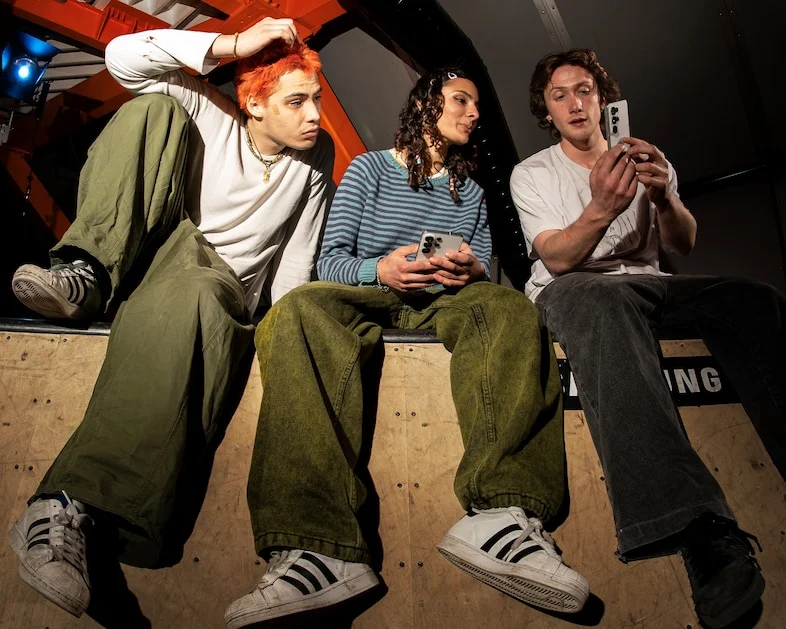
The enduring relationship between skateboarding and videography has consistently pushed the boundaries of both sports and technology. For decades, the lens has been an indispensable tool for capturing the ephemeral artistry of a landed trick, from the pioneering fisheye perspectives of the late 1990s and early 2000s camcorders to the instant global dissemination offered by contemporary smartphones on platforms like TikTok. As skate culture continues its global ascent, fuelled by a burgeoning community and a constant quest for innovation, the technology used to document it must evolve in tandem. This symbiotic evolution was recently underscored by an exclusive event: a collaborative skate session hosted by Dazed Club and Samsung, designed to rigorously test the advanced ‘nightography video’ capabilities of Samsung’s latest flagship device, the Galaxy S26 Ultra.
This unique gathering brought together a select group of Dazed Club members and accomplished skaters at the UK’s F51 skatepark. The objective was not merely to enjoy a drop-in session but to subject the Galaxy S26 Ultra’s low-light video features to an extreme real-world test. To achieve this, the F51 skatepark, renowned for its dynamic layout and diverse obstacles, underwent a dramatic transformation. It was converted into a glow-in-the-dark arena, presenting an environment where conventional cameras would struggle to capture the high-speed action and intricate movements characteristic of a skate session. This innovative setting provided the perfect crucible for Samsung’s ‘nightography’ technology, which boasts wider apertures and enhanced noise reduction algorithms specifically engineered for challenging low-light conditions.
The Dazed Club, a global community platform curated by Dazed Media, consistently champions emerging talent and fosters connections between culture, creativity, and technological innovation. Its partnership with Samsung for this event is a testament to both entities’ commitment to pushing creative boundaries. Dazed Club events often provide exclusive access to cutting-edge experiences, allowing members to engage directly with new technologies and cultural phenomena. For Samsung, such collaborations offer invaluable real-world feedback on their devices from a discerning and active user base, particularly within a youth-driven, content-heavy subculture like skateboarding. The global smartphone market, currently valued at over $400 billion, increasingly competes on camera capabilities, with features like advanced low-light performance becoming crucial differentiators. A recent study indicated that over 85% of video content uploaded to social media platforms originates from smartphones, highlighting their pervasive role in digital content creation, especially among younger demographics.
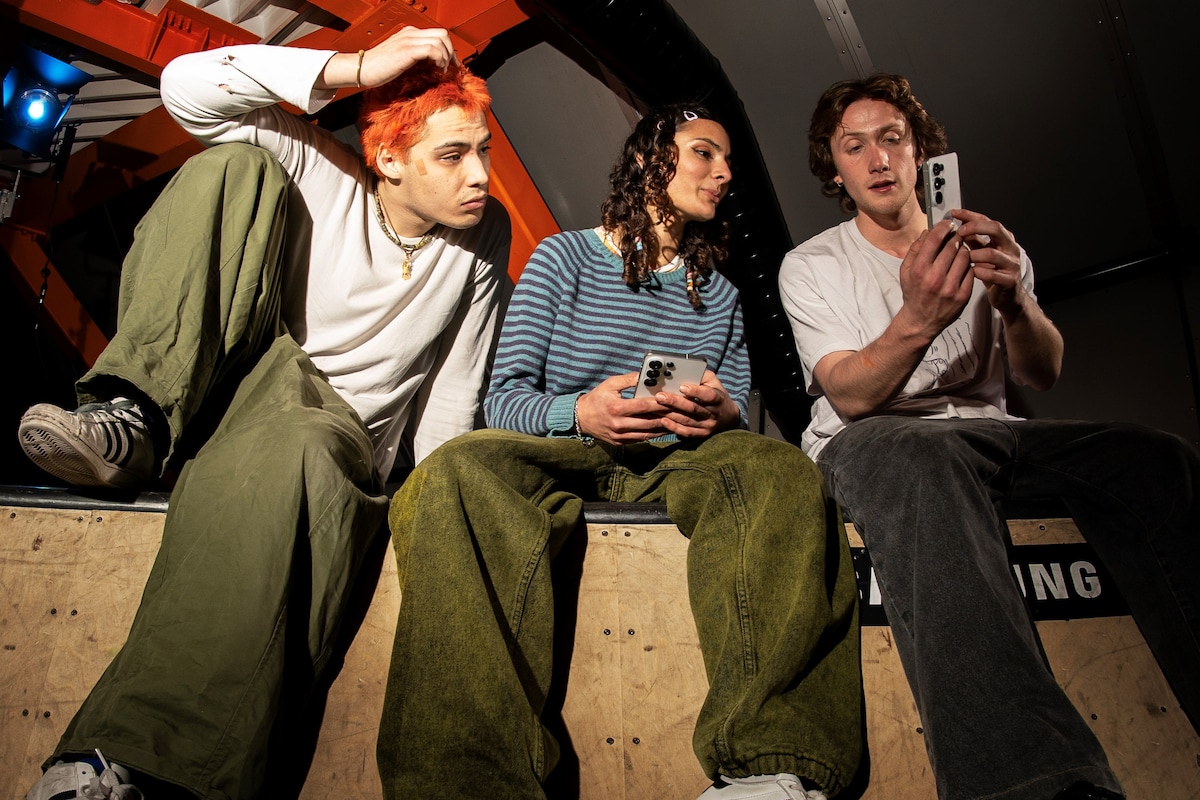
The F51 skatepark, located in Folkestone, Kent, is a monumental facility recognized as the world’s deepest multi-storey skatepark. Its design integrates elements for skateboarding, BMX, and climbing, making it an ideal venue for diverse action sports. The decision to transform it into a glow-in-the-dark environment for the Samsung event was a strategic one, aiming to replicate the challenging lighting conditions often encountered by skaters who film at dawn, dusk, or in dimly lit urban spots. This setup provided a truly authentic stress test for the Galaxy S26 Ultra’s features, demonstrating its capacity to capture crisp, detailed footage even when ambient light is minimal. The event was meticulously documented not only by the participating skaters using the S26 Ultra but also by a dedicated Dazed Club photographer and video editor, ensuring comprehensive coverage of the proceedings.
The Evolution of Skate Videography and Its Technological Backbone
Skateboarding’s narrative has always been inextricably linked to its documentation. From the grainy 8mm films of the 1970s to the VHS tapes that proliferated in the 80s and 90s, capturing tricks has been as fundamental as landing them. The late 90s and early 2000s saw the rise of the fisheye lens, which became synonymous with skate videos, offering an immersive, wide-angle perspective that exaggerated the speed and scale of the tricks. Camcorders like the Sony VX1000 became iconic tools, their robust build and distinct image quality making them a staple for professional and amateur videographers alike.
The transition to digital video, then to high-definition, and ultimately to mobile platforms, marked a significant shift. The proliferation of YouTube in the mid-2000s democratized distribution, allowing individual skaters and small crews to share their content globally without the need for traditional media gatekeepers. More recently, platforms like TikTok and Instagram Reels have further condensed the consumption of skate content, favouring short, impactful clips. This evolution has placed increasing demands on recording devices: they must be portable, user-friendly, and capable of producing broadcast-quality footage, even in challenging environments. Smartphones, with their constant connectivity and ever-improving cameras, have emerged as the primary tool for this new generation of skate content creators. The global skateboarding market, valued at approximately $2.5 billion in 2022, is projected to grow to over $3.3 billion by 2029, a growth trajectory heavily influenced by digital content and viral trends.
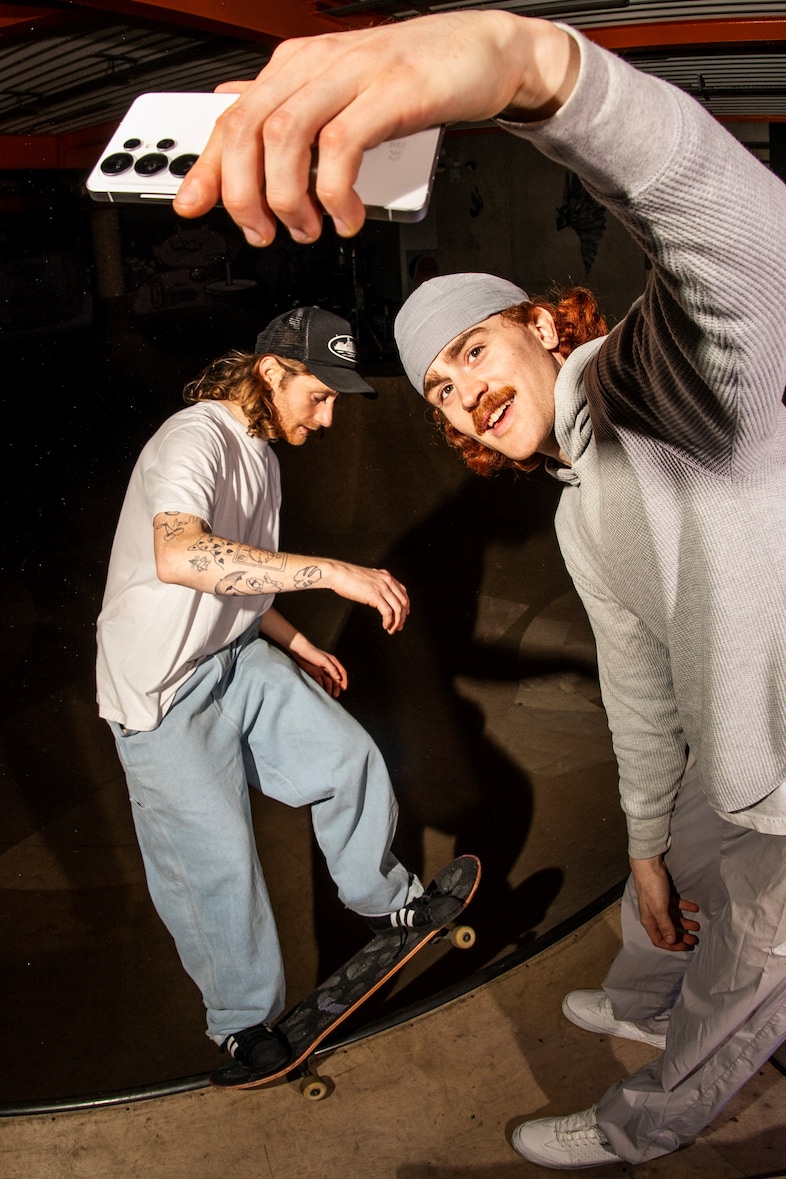
Skater Perspectives: Putting the Galaxy S26 Ultra to the Test
The true measure of any technology lies in its practical application and user feedback. The Dazed Club x Samsung event offered a direct conduit for this, allowing experienced skaters to share their impressions of the Galaxy S26 Ultra’s performance and its potential impact on their craft.
Archie Whiting, a Dazed Club member and avid skater, shared insights into his global skate experiences and how music influences his style. For Whiting, Barcelona stands out as a prime destination. "I think for culture and absolute passion, it would be Barcelona," he stated, emphasizing the city’s unique embrace of skateboarding as "a national sport" where skating is "second nature" and offers a fertile ground for progression. This sentiment highlights the rich cultural tapestry that underpins skate travel and the constant search for new spots and communities. When it comes to music, Whiting gravitates towards reggae or dub, noting that such genres provide "the most chill flow." He elaborated on the kinetic connection between music and movement, describing skating as "kind of like dancing," where the rhythm directly impacts one’s physical expression. Yet, he also appreciates moments of pure auditory focus, finding solace in "just to hear the wheels on the board, just to hear the skate sounds." This demonstrates a nuanced appreciation for the sensory aspects of skateboarding, where both external stimuli and internal focus play crucial roles.
Ruby Brooks offered a compelling argument for the burgeoning popularity of DIY skate spots over traditional skateparks or street locations. "I definitely prefer skating at DIYs at the moment," Brooks explained, "because it’s the perfect mix of the two." She lauded DIY spots for their organic, community-driven nature: "The obstacles make sense; they’re built for a purpose, but it’s rough around the edges. DIYs are all built by the community, and can be adapted to how specific skaters want them, which is different to a big company building a skatepark." This preference speaks to a broader movement within skate culture that values authenticity, community involvement, and adaptable environments over polished, often generic, commercial skateparks. Brooks highlighted a critical distinction: while corporate-built parks "might be seamless and perfect on the outside," they may not always "fit what you want to do" from a skater’s perspective, whereas DIY spots are intrinsically designed by and for the users.
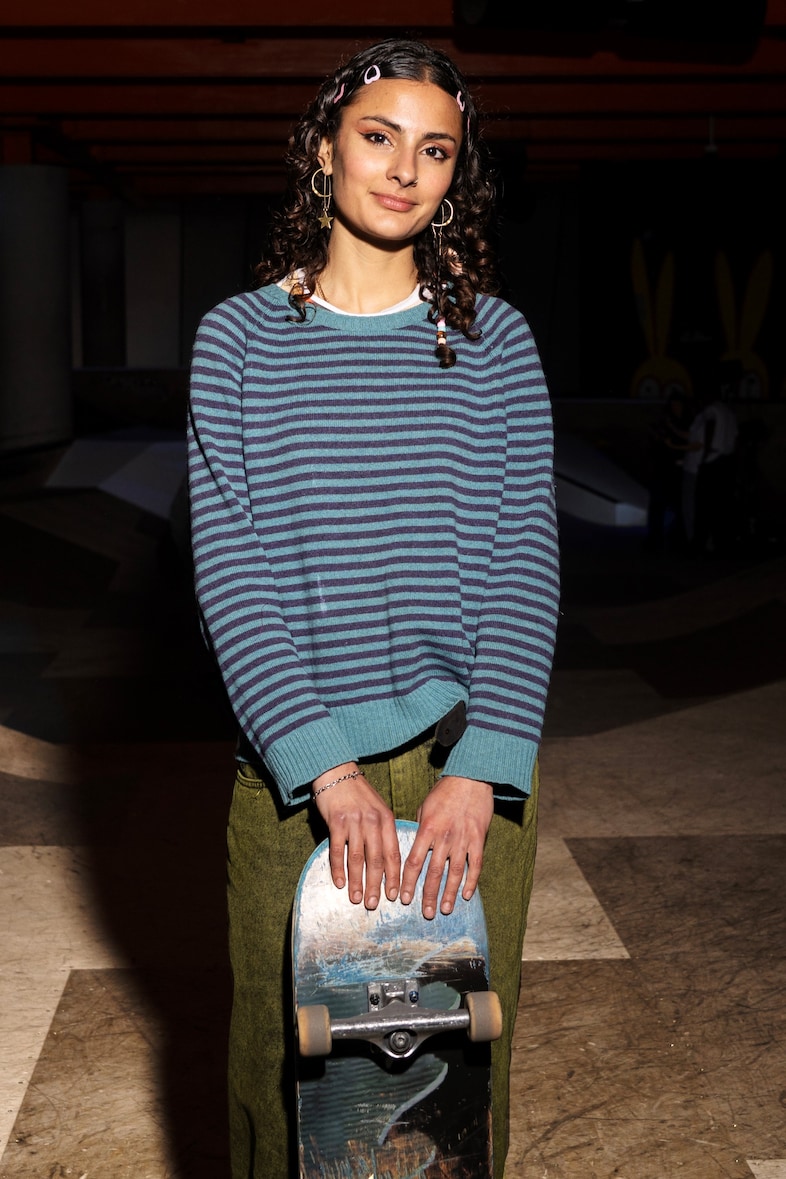
Zhora Akpeki provided direct feedback on the Galaxy S26 Ultra’s camera capabilities, particularly its advanced video features. Akpeki was notably impressed by the device’s performance in the challenging low-light environment. "The nightography video mode is amazing for filming," she enthused, highlighting its ability to capture clear footage in dimly lit conditions. A standout feature for Akpeki was the "super steady stabilisation from the Horizon Lock," which she found "absolutely amazing." She recounted an instance where she was "following my friend around, filming, and it came out super steady," underscoring the effectiveness of the stabilization technology in maintaining smooth footage during dynamic movements. Furthermore, the ability to "film in 8K" was a significant draw, a resolution level rarely seen in smartphone cameras and typically reserved for professional-grade equipment. This capability, she noted, was something she had "never seen before." Akpeki also drew inspiration from contemporary skate media, citing "the last Palace video that dropped, the one they filmed in China," as a significant motivator. She appreciated seeing familiar faces, noting that "it’s actually a few people that I know; they went out on a trip to China and just got sick content." Her go-to soundtrack for skate sessions includes artists like Mavo and Shallipopi, emphasizing the role of specific music in enhancing her skating experience.
Kurtis O’Connor delved into his methods for learning new tricks and finding inspiration. His approach is multifaceted, combining local community engagement with digital exploration. "Either I go to my local skate park and see some good skaters, or I go online, to YouTube, or watch old videos," O’Connor explained. He specifically recommended an older classic, Blueprint – Lost and Found, a video that holds historical significance in British skateboarding. This highlights the intergenerational transfer of knowledge and inspiration within the skate community, where classic videos continue to inform and motivate new skaters. When recalling a memorable skate spot, O’Connor vividly described "these banks in Barcelona, multi-coloured. They were amazing, like red and yellow. Real nice." This evocative description underscores how architectural and aesthetic elements of a spot can contribute to its appeal and leave a lasting impression on a skater. Barcelona, a city frequently cited by skaters, offers a rich tapestry of street architecture conducive to skateboarding, further solidifying its status as a global skate Mecca.
Anton Rolland offered a global and nuanced perspective on skate videos and preferred skating environments. Rolland cited Morok by TransWorld Skateboarding, which features a skateboarder navigating a frozen Russian lake, as a particularly inspiring piece. He praised it for showcasing "new ways of skating on organic materials," highlighting a creative and unconventional approach to the sport. This demonstrates an appreciation for innovation and challenging traditional notions of skate terrain. His musical preferences lean towards rock, specifically mentioning Interpol, which "makes me feel like I’m actually good." This illustrates the profound psychological impact music can have, acting as both a motivator and a confidence booster during intense physical activity. For discovering new or niche skate videos, Rolland turns to online communities, noting, "I usually check Reddit or Internet Archive." He also acknowledges the constant re-posting of "really old 90s stuff" on YouTube and Instagram, suggesting that curated content consumption is key. Like Ruby Brooks, Rolland expresses a preference for "the charm of DIY spots," finding them more appealing than street spots, which he finds "a bit more complicated because of security and people passing over." This reinforces the growing trend towards community-built, accessible, and adaptable skate environments.
Broader Implications: Technology, Community, and the Future of Skate Culture
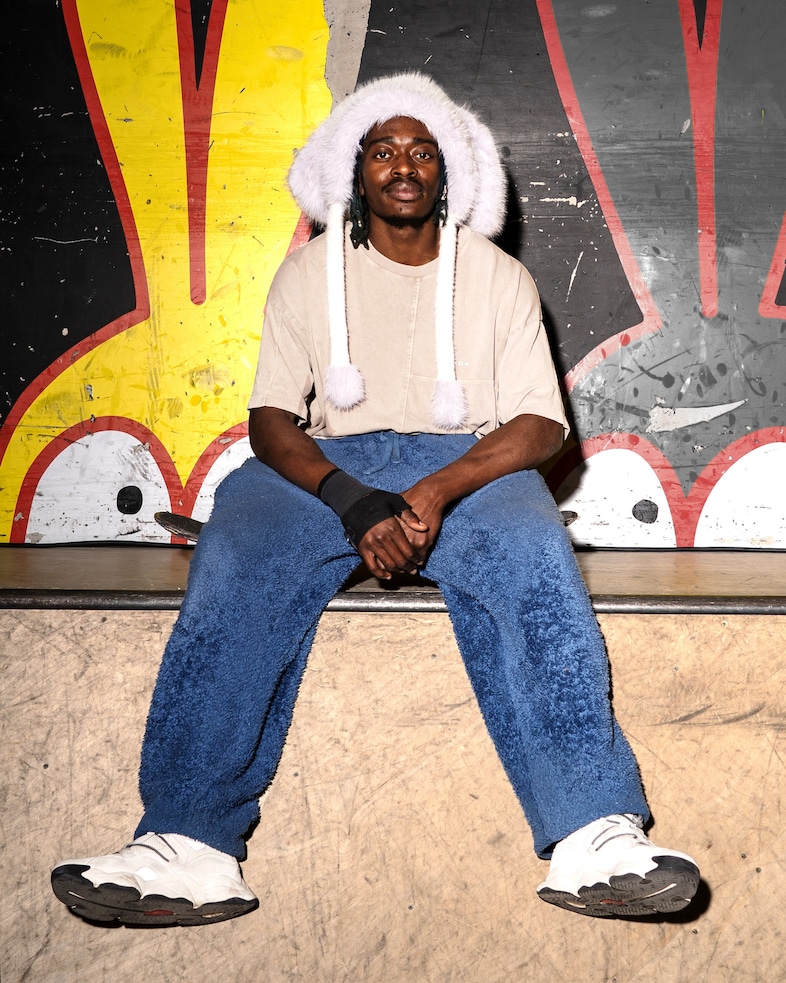
The Dazed Club x Samsung skate session represents more than just a product demonstration; it signifies a pivotal moment in the ongoing integration of advanced technology into youth culture and action sports. The event’s success in showcasing the Galaxy S26 Ultra’s ‘nightography’ capabilities under extreme conditions has several far-reaching implications.
Firstly, it underscores the democratization of high-quality content creation. With smartphones like the S26 Ultra offering features previously exclusive to professional cameras—such as advanced low-light performance, super steady stabilization, and 8K video recording—more skaters can now produce visually stunning footage without significant investment in specialized equipment. This shift empowers individual creators, enabling them to document their progress, share their unique styles, and contribute to the global skate narrative with unparalleled clarity and detail. The accessibility of such powerful tools means that every skate session has the potential to yield viral content, further fueling the sport’s presence on social media.
Secondly, the collaboration highlights the evolving landscape of brand partnerships. Dazed, with its finger on the pulse of contemporary culture, and Samsung, a technology giant, have found common ground in connecting with a vibrant, digitally native audience. These partnerships go beyond traditional advertising, embedding products directly into authentic cultural experiences. For Samsung, it’s an opportunity to showcase its technological prowess in a dynamic, relatable context, while Dazed reinforces its position as a curator of cutting-edge trends and experiences for its community members. This synergy benefits both entities by creating engaging content and fostering genuine connections with consumers.
Thirdly, the event contributes to the ongoing technological push for innovation in consumer electronics. The specific demands of action sports—fast movement, variable lighting, need for durability, and high-quality output—drive advancements in camera sensors, image processing, and stabilization technologies. Features like ‘nightography’ and Horizon Lock, while beneficial for everyday users, find their ultimate stress test and validation in environments like a glow-in-the-dark skatepark. This continuous feedback loop from enthusiastic users in niche communities helps refine and improve future iterations of mobile technology.
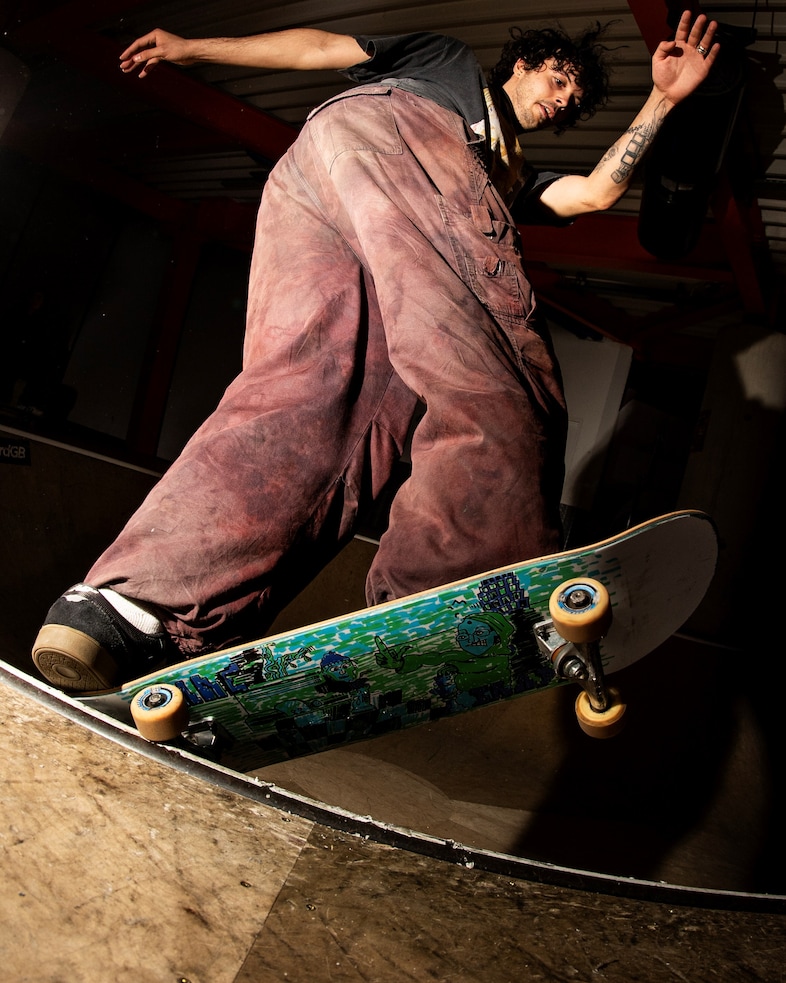
Finally, the increasing sophistication of documentation tools has a profound impact on the future of skate culture itself. Better-recorded content can inspire new generations of skaters, provide instructional material, and preserve the ever-evolving array of tricks and styles for posterity. It allows skate communities to transcend geographical boundaries, connecting individuals through shared passion and digital platforms. As the global skate scene continues to grow, fueled by events like the Olympics and increasing mainstream acceptance, the ability to capture its essence with crystal clarity, even in the darkest of conditions, becomes paramount.
The Dazed Club x Samsung skate session was a vibrant demonstration of how community, sport, and state-of-the-art technology converge. It not only celebrated the enduring spirit of skateboarding but also provided a glimpse into a future where every trick, no matter how dimly lit its setting, can be captured and shared in stunning detail, ensuring that the legacy of skate culture continues to shine brightly.