









The journey of Billie Eilish, from a 13-year-old SoundCloud sensation to a global music and cultural icon, has been as distinctive and unconventional as her sound. Over a decade has passed since her debut single, "Ocean Eyes," first captivated listeners, marking the genesis of an artist whose impact would extend far beyond the realm of music, profoundly influencing fashion and challenging societal expectations. As the 22-year-old artist prepares for the release of her directorial debut, Billie Eilish: Hit Me Hard and Soft – The Tour Live in 3D, an immersive concert film co-directed with three-time Academy Award winner James Cameron, a retrospective examination of her sartorial evolution reveals a compelling narrative of self-discovery, artistic expression, and a powerful defiance of traditional celebrity aesthetics. This cinematic venture, designed to transport audiences directly into the heart of her upcoming 2025 tour experience, serves as a timely reminder of Eilish’s multifaceted artistry and her unwavering commitment to authenticity, a principle consistently mirrored in her transformative style.
The Genesis of a Signature Style: Oversized Silhouettes and Unapologetic Authenticity (2015-2020)
When Billie Eilish first emerged on the music scene in 2015, her aesthetic was immediately striking and intentionally disruptive. At an age when many young artists might conform to industry-prescribed images, Eilish carved out a distinct visual identity characterized by oversized, often brightly colored or graffiti-print matching sets, chunky sneakers, and her signature neon green roots. This look quickly became synonymous with the "Billie brand," making her instantly recognizable even from a silhouette. It was a bold departure from the often hyper-sexualized or meticulously polished images prevalent among female pop stars, signaling a new era of authenticity and comfort-driven fashion.
This initial phase of her style was more than just a preference for baggy clothes; it was a deliberate statement. In candid reflections over the years, Eilish has shed light on the deeper motivations behind her voluminous wardrobe choices. In a recent interview with Elle magazine, she confessed that her baggy attire served as a coping mechanism to manage a "toxic" relationship with her body, stemming from past eating issues. "I remember putting on, like, a big shirt and the relief that I felt," she recounted, highlighting the emotional comfort and psychological barrier her clothes provided. This revelation resonated deeply with many, underscoring the immense pressure young women, particularly those in the public eye, face regarding their physical appearance.
Beyond personal comfort and body image management, Eilish also cited a profound artistic influence: hip-hop culture. She openly acknowledged rappers such as Missy Elliott and Tyler, The Creator as key inspirations for her aesthetic, both of whom are celebrated for their distinctive, loose, and often weighty clothing styles that prioritize self-expression over conventional attractiveness. This connection anchored her fashion in a lineage of artists who used clothing to project power, individuality, and artistic rebellion. Her early red carpet appearances, often featuring custom-made, exaggerated versions of her streetwear staples, further cemented this identity. For instance, her 2020 Dazed cover shoot exemplified this ethos, showcasing her in a custom, larger-than-life Carhartt WIP puffer jacket designed by Duran Lantink, pushing the boundaries of "oversized" to sculptural new heights. These moments were not merely fashion statements; they were extensions of her artistic persona, challenging the very notion of what a female pop star should look like.
The Sartorial Metamorphosis: Challenging Perceptions and Embracing Versatility (2021)
A pivotal moment in Billie Eilish’s fashion journey, and arguably in contemporary celebrity culture, occurred in 2021 when she unveiled a dramatically different image on the cover of British Vogue. Trading her signature baggy garb for a tightly laced corset and latex lingerie, Eilish presented a stark contrast to her established public persona. The visual was shocking to some, liberating to others, and undeniably impactful. It sparked widespread discussion about body image, female agency, and the complex relationship between an artist’s personal style and public perception.
In accompanying interviews, Eilish articulated the profound message behind this transformation: "Showing your body and showing your skin — or not — should not take any respect away from you." This statement became a powerful manifesto for bodily autonomy and self-acceptance, dismantling the false dichotomy that often pits modesty against sensuality. It underscored her belief that an individual’s worth and respect should never be contingent upon their clothing choices or how much skin they choose to reveal. This moment was not a repudiation of her past style but an expansion of her philosophy, demonstrating that her initial choices were about control and comfort, and her new choices were about embracing a broader spectrum of self-expression on her own terms. It challenged the public to look beyond superficial appearances and recognize the agency inherent in every stylistic decision.
The media and public reactions were diverse, ranging from applause for her courage and message of empowerment to accusations of hypocrisy or "selling out." However, E Eilish’s response consistently emphasized personal growth and the right to evolve. This era marked a significant turning point, demonstrating her readiness to defy expectations not just in music but in every facet of her public identity. It proved that her brand of authenticity was not static but dynamic, evolving as she matured and explored new dimensions of her identity.
The Eclectic Era: Blending Worlds and Forging New Paths (2021-Present)
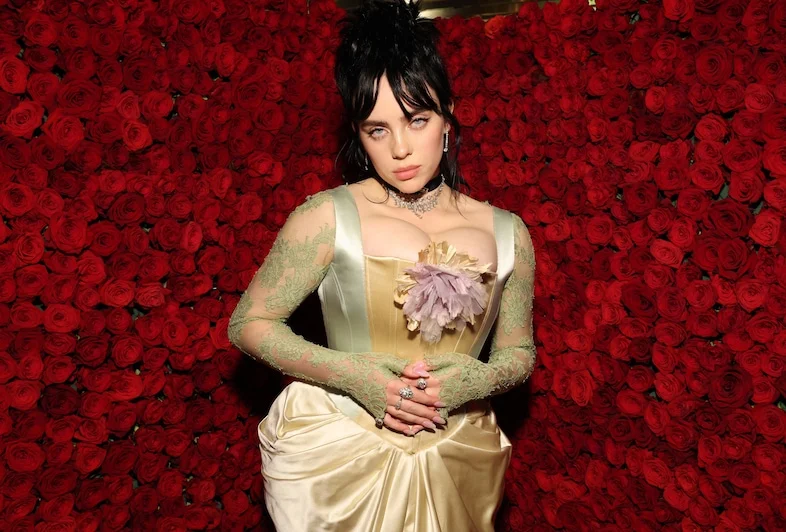
Following her British Vogue cover, Billie Eilish entered an eclectic sartorial era, characterized by a fluid and fearless blending of her previously distinct styles. She no longer adhered to a singular aesthetic but moved seamlessly between various fashion worlds, demonstrating a profound understanding of how clothing can communicate complex narratives. Some days, she might embody a corseted pin-up doll, exuding classic Hollywood glamour, while on others, she would confidently command a stage in a cap and basketball jersey, channeling her hip-hop influences.
More interestingly, Eilish began to master the art of juxtaposition, merging seemingly disparate elements into cohesive, impactful looks. A prime example of this was her appearance at the 2023 Academy Museum Gala, where she paired a babushka-style silk headscarf – an item often associated with traditional femininity or vintage aesthetics – with striking silver grillz, a bold accessory deeply rooted in hip-hop culture. This fusion created a powerful visual statement that was both unexpected and uniquely "Billie." Other notable instances include her appearances at the Met Gala, where she consistently delivers looks that are both thematic and personal, often incorporating elements of grandeur with her characteristic edge. Her 2021 Met Gala look, a voluminous peach Oscar de la Renta gown inspired by Marilyn Monroe, was another nod to classic glamour, yet imbued with her distinct persona. For the 2023 Met Gala, honoring Karl Lagerfeld, she wore a black, deconstructed custom Simone Rocha gown, a perfect blend of gothic romance and modern rebellion, accessorized with sheer lace tights and platform boots, showing a harmonious blend of the elegant and the edgy.
This period also coincided with significant musical milestones. Her second album, "Happier Than Ever" (2021), explored themes of fame, identity, and personal struggle, with its sound mirroring a shift towards a more mature, introspective artistry. Her Oscar-winning song "No Time To Die" (2022) further showcased her versatility, while "What Was I Made For?" (2023) from the Barbie soundtrack garnered her a second Academy Award, cementing her status as a global phenomenon. Throughout these career high points, her fashion choices continued to reflect her evolving artistic narrative, demonstrating a thoughtful connection between her visual and auditory expressions.
The Broader Impact and Implications of a Fashion Icon
Billie Eilish’s fashion journey is more than just a chronicle of personal style; it is a significant cultural phenomenon. Her evolution has had a tangible impact on the fashion industry, influencing designers, trends, and the broader conversation around celebrity image. She has championed inclusivity, challenged gender norms in clothing, and consistently advocated for individual expression over conformity. Her initial embrace of oversized clothing resonated with a generation tired of unrealistic beauty standards, offering a refreshing alternative that prioritized comfort and self-expression. Her subsequent exploration of more traditionally feminine silhouettes, always on her own terms, further solidified her message of bodily autonomy and the right to define one’s own beauty.
Her influence extends to the realm of sustainability as well. As a vocal advocate for environmental consciousness, Eilish has often chosen sustainable brands or upcycled garments for public appearances, drawing attention to the environmental impact of fast fashion. Her partnerships with brands often carry a message of ethical production or responsible consumption, further integrating her values into her public image. This holistic approach to her brand has positioned her not just as a musician but as a powerful cultural voice.
The Future Through an Immersive Lens: Hit Me Hard and Soft – The Tour Live in 3D
The impending release of Billie Eilish: Hit Me Hard and Soft – The Tour Live in 3D marks another exciting chapter in her career, this time as a director alongside a cinematic legend. This documentary offers a unique opportunity for fans to experience her artistry in a new dimension, taking them behind the scenes and into the electrifying atmosphere of her 2025 tour. The title itself, Hit Me Hard and Soft, reflects the dualities and complexities inherent in her music and, indeed, in her fashion evolution. It speaks to the raw emotional impact of her lyrics and the nuanced vulnerability she often expresses.
The collaboration with James Cameron, a pioneer in immersive cinematic experiences, suggests a visually stunning and technologically advanced production. It underscores Eilish’s commitment to pushing creative boundaries across all artistic mediums. As audiences prepare to delve into this new film, they will not only witness her musical prowess but also be reminded of the visual journey that has accompanied her rise to superstardom. Her fashion choices, from the initial defiant baggy sets to the empowered corsets and the current eclectic blends, serve as a visual autobiography, charting her growth from a talented teenager to a globally revered artist who continually redefines the parameters of celebrity and self-expression. Her enduring legacy is built on a foundation of authenticity, courage, and an unwavering commitment to being unapologetically Billie.