







April marks the annual return of Fashion Revolution Week, a pivotal global campaign that galvanizes the world’s largest fashion activism movement from April 22nd to 28th. This year’s iteration, centered on the theme of "Collective Action," calls upon consumers, brands, and policymakers to deepen their engagement in building a more equitable and sustainable fashion industry, ten years after the tragedy that sparked its inception. Amidst a complex global landscape characterized by economic headwinds and evolving advocacy strategies, the movement underscores the enduring necessity of valuing people and the planet above unchecked growth and profit.
The Genesis of a Movement: Remembering Rana Plaza
Fashion Revolution Week emerged from the ashes of one of the worst industrial disasters in history: the collapse of the Rana Plaza garment factory in Dhaka, Bangladesh, on April 24, 2013. This catastrophic event claimed the lives of 1,138 workers and left over 2,500 injured, exposing the brutal realities of the global fast fashion supply chain. The tragedy served as a stark, undeniable wake-up call, revealing the dire consequences of prioritizing speed and cost savings over human life and safety. In the immediate aftermath, global outrage surged, culminating in the founding of Fashion Revolution by Carry Somers and Orsola de Castro. Their vision was to transform the industry from within, demanding transparency, accountability, and ethical practices across the entire value chain.
The movement quickly gained traction, launching its iconic #WhoMadeMyClothes? campaign. This simple yet profound question empowered consumers to inquire directly with brands about their supply chains, forcing companies to confront the human element behind their garments. Over the past decade, Fashion Revolution has evolved into a global network spanning over 90 countries, pushing for systemic change through public awareness campaigns, educational initiatives, policy advocacy, and the annual Fashion Transparency Index, which tracks how much information major fashion brands disclose about their social and environmental policies, practices, and impacts. Interviews with key figures, such as former policy and research manager Liv Simpliciano, highlight the incremental but significant progress achieved in raising industry standards and consumer consciousness.
The Inherent Flaws of the Fashion System
At its core, the fashion industry has historically operated on a model that exploits both human labor and natural resources. This architecture concentrates wealth and power in the hands of a select few, perpetuating a relentless cycle of overproduction and hyper-consumption. The drive for maximum profit often sidelines ethical considerations, compelling brands into a frantic race to produce more garments at ever-increasing speeds. This "fast fashion" paradigm aggressively pushes consumers to buy more frequently, contributing to a massive environmental footprint and exacerbating social injustices.
While executives and shareholders at the top of the supply chain continue to amass fortunes, the garment workers—predominantly women in developing nations—who produce these clothes often endure abysmal conditions. They are subjected to poverty wages, unsafe working environments, excessive hours, and a lack of fundamental labor rights. Industry reports consistently reveal that a vast majority of garment workers globally do not earn a living wage, meaning their income is insufficient to cover basic necessities like food, housing, healthcare, and education for themselves and their families. Furthermore, the environmental toll is staggering: the fashion industry is a major contributor to global carbon emissions, water pollution (from dyeing and finishing processes), and textile waste, with millions of tons of clothing ending up in landfills annually. Fashion Revolution emphatically asserts that genuine sustainability cannot exist without fair pay, safe working conditions, and respect for human rights, directly challenging the prevailing narrative that often separates environmental concerns from social equity.
Navigating a Shifting Landscape: Challenges and Resilience
The 2026 Fashion Revolution Week unfolds against a backdrop of significant global challenges that are reshaping the landscape for sustainability initiatives. Funding for ethical and environmental projects is becoming increasingly difficult to secure, as corporations face mounting economic pressures and, in some cases, a retrenchment from earlier sustainability commitments. Geopolitical crises worldwide contribute to supply chain disruptions, escalating operational costs, and diminished consumer spending power, leading to the closure of small, ethically-minded brands and further hardship for vulnerable garment workers.
In a notable strategic pivot, Fashion Revolution itself recently announced the closure of its UK headquarters. This decision, partly attributed to funding challenges, signals a move towards a "more federated, globally coordinated, and locally led next phase of the work." While some might view this as a setback, the organization frames it as an evolution, decentralizing its operations to empower local movements and campaigns more effectively. This strategic shift underscores the adaptability of the movement and its commitment to continued advocacy, emphasizing that the global community of campaigners remains steadfast in its mission. The focus this year is firmly on collective action and the power of unity in the face of ongoing exploitation of people, the planet, and animals. Fashion Revolution’s message resonates: "As a movement we’re going back to our roots, and we’re asking fashion revolutionaries to do the same. Seek connection, ask questions, and take to the streets – for both a better fashion industry and for future generations that follow in our footsteps." This call to action emphasizes grassroots engagement and community-driven change, recognizing that systemic transformation requires broad participation.
Empowering Individual Action: How to Get Involved in 2026
Fashion Revolution Week 2026 provides numerous avenues for individuals to contribute to the movement and advocate for a more ethical fashion industry. The emphasis on collective action means that every voice and every effort, no matter how small, contributes to the larger goal.
1. Engage with Events and Workshops:
Throughout the week, a diverse array of digital and physical events will be hosted globally. These include online conferences, expert panel discussions, interactive workshops on sustainable fashion practices (such as mending, upcycling, and textile recycling), film screenings exploring supply chain issues, and public demonstrations. These events serve as crucial platforms for education, networking, and direct engagement with the complexities of the fashion industry. For those unable to find local events, the decentralized nature of the movement encourages individuals to organize their own gatherings with friends, family, or community groups, fostering local dialogue and action.
2. Amplify Your Voice Through Social Media:
One of the most accessible and impactful ways to participate is by leveraging social media platforms. Participants are encouraged to post selfies wearing their clothes, tagging the brands and directly asking #WhoMadeMyClothes? and #WhatsInMyClothes?. These hashtags are not merely symbolic; they are powerful tools for demanding transparency and accountability from brands. When brands are directly confronted by their customers, it creates pressure to disclose more information about their manufacturing processes and material sourcing. If a brand fails to respond, the call is to persist in asking. Tagging @fash_rev ensures the movement can track engagement and monitor brand responsiveness, contributing to a broader understanding of industry transparency levels.
3. Spread the Word and Mobilize Your Network:
Fashion Revolution provides a comprehensive suite of promotional assets, including social media templates, posters, and a detailed official campaign branding pack. Downloading and utilizing these resources allows individuals to effectively communicate the movement’s message and encourage wider participation. Sharing statistics, stories, and calls to action across personal networks significantly amplifies reach and raises awareness among a broader audience, fostering a ripple effect of engagement.
4. Join the Global Conversation:
Beyond direct brand engagement, Fashion Revolution stresses the importance of interpersonal dialogue. "Speaking with our family and friends about the global impact of our clothes is a powerful step to change the fashion industry," the organization states. Their "Talk Climate Change" site offers a unique platform where individuals can map their conversations, drawing inspiration from Fashion Revolution’s manifesto and exploring discussions initiated by other "Fashion Revolutionaries" worldwide. This collective sharing of ideas and experiences strengthens the movement’s intellectual and emotional foundation, fostering a sense of shared purpose and collective responsibility.
5. Direct Engagement with Brands:
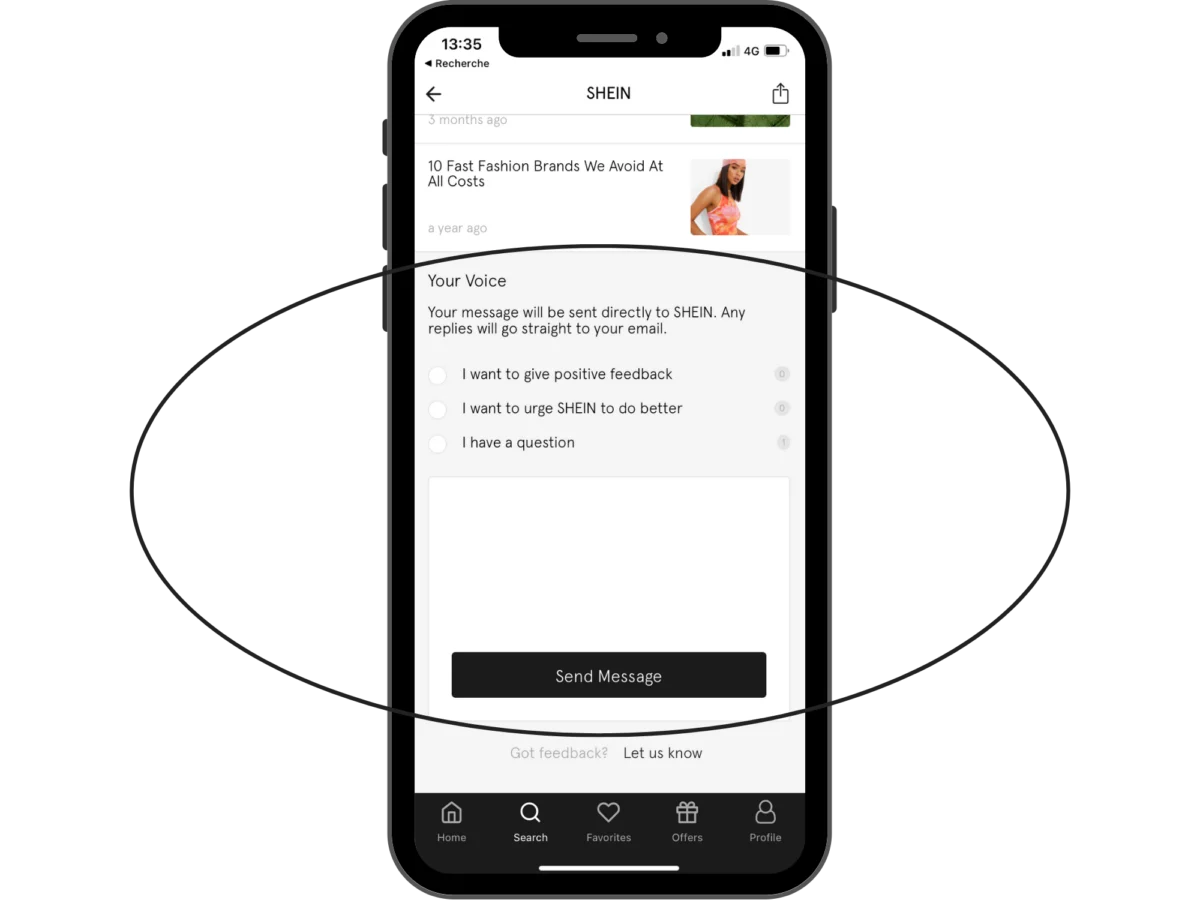
For those seeking more direct advocacy, Fashion Revolution simplifies the process of communicating with brands. A readily available PDF template allows individuals to write letters to their favorite brands, explicitly asking #WhoMadeMyClothes? This direct mail approach can be particularly impactful, demonstrating a deeper level of commitment and consumer concern. Furthermore, the Good On You app, a leading resource for ethical brand ratings, offers an integrated "Your Voice" section. Here, users can send direct messages to brands, either urging them to improve their practices or offering positive feedback to companies demonstrating exemplary ethical conduct. This two-way communication channel empowers consumers to hold brands accountable and reward responsible behavior.
The Broader Implications and Future Outlook
Fashion Revolution Week 2026 is more than just an annual campaign; it is a critical moment for reflection and renewed commitment to a vision of a fashion industry that prioritizes human dignity and ecological health. The decade since the Rana Plaza tragedy has shown that while progress is often slow and challenging, sustained pressure from consumers and advocates can indeed drive change. The increased transparency from many major brands, the growing awareness of ethical consumption, and the emergence of more sustainable business models are testaments to the movement’s impact.
However, the persistent issues of exploitation, environmental degradation, and the systemic pressures of fast fashion underscore that the revolution is far from complete. The strategic adaptation of Fashion Revolution, amidst global economic and political shifts, signals a mature and resilient movement determined to continue its work. By fostering global collaboration and empowering local action, Fashion Revolution aims to ensure that the lessons of Rana Plaza are never forgotten and that the pursuit of a fair, safe, and sustainable fashion industry remains a paramount global imperative for generations to come. The collective action championed this week is a vital step towards a future where every garment tells a story of ethical production, environmental stewardship, and human flourishing.