








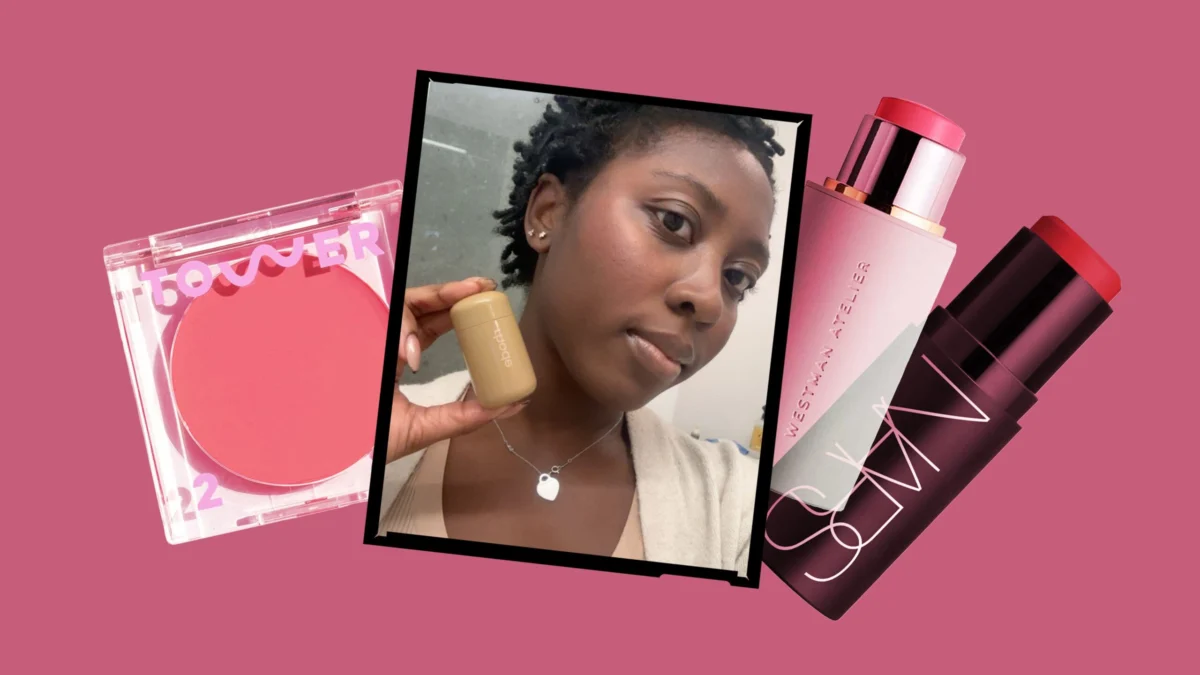
Cream blush has emerged as a perennial favorite in the makeup world, celebrated for its natural finish and skin-loving properties. While powder formulations have long held a dominant position, cream blushes offer a distinct set of advantages that cater to a wider range of skin types and aesthetic preferences. This comprehensive exploration delves into why cream blush continues to captivate beauty enthusiasts, examining its unique formulation, application techniques, and the expert opinions that underscore its efficacy.
The Dermatological Advantages of Cream Blush
At the heart of cream blush’s popularity lies its inherent moisturizing quality. Unlike their drier powder counterparts, cream blushes typically incorporate conditioning oils and emollients. This formulation makes them particularly beneficial for individuals with dry or mature skin. These ingredients help to impart a dewy, hydrated appearance, counteracting the tendency of powder products to settle into fine lines and accentuate skin texture. For mature skin types, in particular, this moisturizing aspect can contribute to a smoother, more youthful-looking complexion.
Furthermore, cream blushes tend to blend seamlessly into the skin, creating a "second-skin" effect that is difficult to achieve with powder. This allows for a more natural flush of color that mimics the body’s natural rosy undertones. The buildable nature of most cream blushes also allows users to achieve a sheer, subtle hint of color or layer for a more impactful statement, without appearing heavy or cakey. This versatility makes them an adaptable choice for various occasions and desired looks.
Mastering the Art of Cream Blush Application
The key to a flawless cream blush application begins with selecting the right shade. Makeup artists consistently emphasize the importance of choosing a hue that complements one’s natural skin tone. For instance, rosy tones are often recommended as a universally flattering choice, providing a healthy, vibrant flush.
Application techniques can vary, but a common thread among experts is the emphasis on placement and blending. Los Angeles-based makeup artist Carissa Ferreri suggests applying cream blush higher on the cheeks, just below the eyes, and then diffusing any harsh edges. This placement can create a lifting effect and a more youthful appearance. Similarly, New York City-based makeup artist Joseph Carrillo advises smiling while applying the color to the apples of the cheeks, then gently fading the color outward. This technique ensures the blush is placed where it naturally appears when the face is animated.
The method of application can also influence the final look. Cream blushes, whether in stick or pot form, can be applied directly from the product and then blended. This blending can be achieved using fingertips, a damp beauty sponge, or a stippling brush. Each tool offers a slightly different finish: fingertips provide a natural warmth and blend, a beauty sponge offers a seamless diffusion, and a stippling brush can offer more precise application and buildability. The forgiving nature of most cream blushes, particularly those with sheer to medium coverage, means that minor application errors can often be easily corrected by diffusing the color further.
Expert Endorsements and Product Testing
The efficacy and appeal of cream blushes are continually reinforced by beauty professionals and rigorous product testing. Makeup artists like Ferreri and Carrillo regularly incorporate cream formulations into their professional kits, citing their ability to create natural-looking radiance and their suitability for diverse skin types. Their consistent recommendation in tutorials and interviews underscores the product category’s enduring relevance.
In the realm of beauty journalism and product reviews, a meticulous testing process is paramount. For instance, publications like Allure employ a comprehensive methodology to evaluate makeup products. This process involves assessing a product’s ingredients, its performance across various skin tones and textures, wear longevity, packaging sustainability, and overall inclusivity. This rigorous approach ensures that recommendations are based on factual performance and user experience, rather than mere trends.
The Allure Testing Methodology: A Commitment to Credibility
The commitment to delivering reliable product recommendations is a cornerstone of reputable beauty publications. When evaluating products such as cream blushes, a multi-faceted approach is employed. This begins with an in-depth examination of the product’s formulation, including its ingredient list. Key considerations include the presence of skin-benefiting ingredients like moisturizing oils and the absence of common irritants for sensitive skin.
Beyond the laboratory-style analysis, real-world testing is crucial. This involves enlisting a diverse panel of testers, encompassing individuals with varying skin tones, undertones, genders, ages, and dermatological conditions. This broad testing base ensures that the product’s performance is evaluated under a wide spectrum of conditions. For example, a blush that performs exceptionally well on fair, oily skin might not yield the same results on deep, dry skin. By gathering feedback from such a varied group, a more comprehensive understanding of a product’s strengths and weaknesses can be formed.
Four primary categories typically guide this evaluation:
- Ingredients: Analyzing the formulation for beneficial, neutral, or potentially problematic components. This includes assessing the presence of moisturizing agents, pigments, and any potential allergens.
- Wear and Longevity: How well the blush adheres to the skin throughout the day, its tendency to fade, migrate, or crease, and its ability to withstand environmental factors like humidity.
- Packaging: Evaluating the design for functionality, aesthetics, and, increasingly, sustainability. This includes considerations like ease of use, durability, and the use of recyclable or minimal materials.
- Inclusivity: This is a critical aspect, focusing on the breadth of the shade range offered by the brand. A truly inclusive line will provide options for a wide spectrum of skin tones and undertones, ensuring that consumers of all backgrounds can find a suitable match.
This detailed testing protocol, often detailed on a publication’s dedicated "reviews process and methodology" page, provides transparency and builds trust with the readership. It moves beyond subjective personal preference to offer data-driven insights.
The Diverse Voices Behind Product Recommendations
The realization that beauty is deeply personal fuels the need for diverse perspectives in product testing. Allure, for instance, emphasizes the importance of a varied staff and tester pool. This is not merely a matter of representation; it is fundamental to providing accurate and relevant recommendations. A product deemed "best" for mature skin, for example, would be inadequately assessed if tested solely by individuals in their twenties. Similarly, a hair product’s effectiveness cannot be truly judged without input from those with the specific hair textures it is intended for.
By drawing upon a staff that spans a wide range of ages, skin tones, hair textures, genders, and backgrounds, publications aim to ensure that their evaluations are fair and comprehensive. This inclusive approach allows them to confidently recommend products that will resonate with and serve the needs of their entire readership, regardless of individual characteristics or concerns. This philosophy underpins the entire product review process, aiming to foster a connection between the reader and the recommended beauty items.
The Broader Implications: Cream Blush as a Modern Beauty Staple
The continued prominence of cream blush in the beauty market reflects a broader shift towards formulations that prioritize skin health and natural aesthetics. As consumers become more informed about ingredients and seek products that offer both efficacy and comfort, cream blushes stand out as a compelling choice. Their versatility, from sheer washes of color to more defined applications, allows them to adapt to the diverse needs of contemporary makeup wearers.
The ongoing innovation within the beauty industry also contributes to the evolution of cream blushes. Brands are continuously refining formulas, introducing new finishes (e.g., dewy, satin, matte-cream), and expanding shade ranges to cater to an ever-growing demand for personalized beauty. This dynamic landscape ensures that cream blush will likely remain a key player in makeup routines for the foreseeable future, offering a blend of effortless beauty and skin-nourishing benefits. The discussions surrounding application, formulation, and expert insights will continue to shape how consumers approach and utilize this beloved makeup staple.