









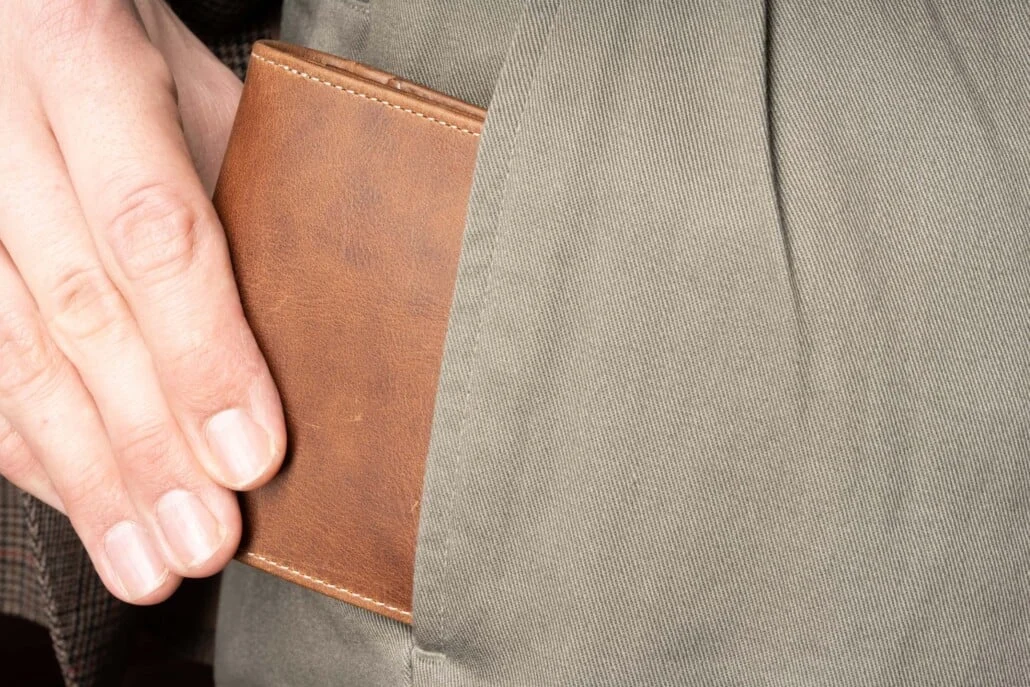
The 1980s, often caricatured by its vibrant neon hues and pulsating synth-pop soundtracks, represented a fascinating inflection point in the evolution of personal style and utility. For the discerning gentleman of this era, the Every Day Carry (EDC) was far from static; it was a dynamic blend of traditional refinement and rapidly advancing technology, mirroring a decade characterized by economic boom, a burgeoning corporate culture, and a distinct embrace of status symbols. This period saw the last vestiges of purely analog living intertwine with the nascent digital revolution, shaping a unique set of essentials that spoke volumes about the man who carried them.

The Rise of the Visual Statement: Sunglasses as a Defining Accessory
As the 1980s dawned, the classic dress hat, a staple of gentlemen’s attire for decades, had largely receded from daily fashion. Its void, however, was swiftly and stylishly filled by the ascendance of sunglasses. No longer merely a practical item for sun protection, shades exploded in popularity, transforming into an undeniable status symbol and a core component of the era’s sartorial identity. This shift was heavily propelled by Hollywood and television, with iconic figures donning specific styles that quickly permeated popular culture. Films like Top Gun (1986) immortalized the Ray-Ban Aviator, linking it inextricably with daring heroism and cool confidence. Similarly, the mischievous charm of Ferris Bueller in Ferris Bueller’s Day Off (1986) often featured the classic Ray-Ban Wayfarer, cementing its image as a versatile accessory for both casual rebellion and sophisticated leisure. On the small screen, Miami Vice (1984-1989) showcased a range of stylish eyewear, further cementing sunglasses as a non-negotiable element of the decade’s "power look." Beyond mere aesthetics, these frames offered an immediate, recognizable statement of style, wealth, and aspiration, reflecting a society increasingly attuned to visual branding and personal presentation. The market responded with a proliferation of designs from brands like Ray-Ban and Persol, each offering variations on the era’s favored bold and oversized silhouettes.

Time on the Wrist: The Dual Nature of 1980s Horology
The wristwatch remained an indispensable tool for punctuality throughout the 1980s, but the decade presented a significant stylistic and technological divergence, offering gentlemen a choice between the enduring appeal of analog craftsmanship and the allure of digital innovation.

The Traditionalist’s Choice: Analog Elegance
For those who valued classic aesthetics and horological heritage, analog watches continued to be the epitome of sophisticated EDC. The prevailing fashion favored two-tone metal colorways, typically a blend of gold and steel, which exuded an air of understated luxury and versatility, easily transitioning from business meetings to social engagements. Square or non-circular dials also gained significant traction, offering a distinctive, modern edge to traditional watchmaking. Leading brands such as Seiko, renowned for its precision and accessible quality, Omega, a symbol of enduring luxury and robust engineering, and IWC (International Watch Company), celebrated for its meticulous Swiss craftsmanship and often larger, more utilitarian designs, were the middle-market and luxury staples. These timepieces were not just instruments for telling time; they were statements of taste, tradition, and a nod to a timeless sense of style, often inherited or purchased as significant investments. The mechanical or high-quality quartz movements within these watches represented a commitment to enduring quality over ephemeral trends.
The Digital Revolution: Gadgets on the Wrist
Parallel to the analog resurgence, the "gadget watch" arrived in earnest, democratizing advanced functionality previously reserved for niche or luxury items. While digital watches had debuted in the 1970s as exclusive novelties—such as Roger Moore’s Hamilton Pulsar in Live and Let Die (1973)—the 1980s made them widely affordable and accessible. Casio emerged as the undisputed king of the digital wrist, transforming the watch from a simple time-teller into a multi-functional personal assistant. Features like built-in lights for nighttime readability, alarms for crucial reminders, stopwatches for fitness enthusiasts, and even integrated calculators for quick computations became commonplace. These watches appealed to a new generation of technophiles and professionals who valued utility and innovation. The digital watch, with its often futuristic aesthetic and array of functions, symbolized the era’s optimism about technology and its potential to simplify and enhance daily life. Its affordability meant that advanced features were no longer exclusive to the elite, fostering widespread adoption across various demographics.
The Analog Lifeline: Loose Change and Payphones
In a world utterly devoid of ubiquitous smartphones, a pocketful of quarters was not merely convenient; it was a literal lifeline. If a gentleman was on the go and needed to make a call—whether for business, an emergency, or simply to check in—his immediate quest was for a payphone booth. These public communication hubs were critical infrastructure, scattered across city streets, highway rest stops, and inside public buildings. The cost of a local call, often 25 cents, meant that having a ready supply of loose change was paramount. Many men kept this spare change either in a dedicated coin purse, often a small leather pouch, or simply allowed it to accumulate and rattle around in a trouser pocket. The reliance on payphones underscored the fragmented nature of communication in the 1980s, highlighting a stark contrast to today’s always-on connectivity. The inability to reach someone instantly or look up information on demand made preparedness—in the form of coins—a fundamental aspect of daily carry.
The Bifold Wallet and the "Card Boom"
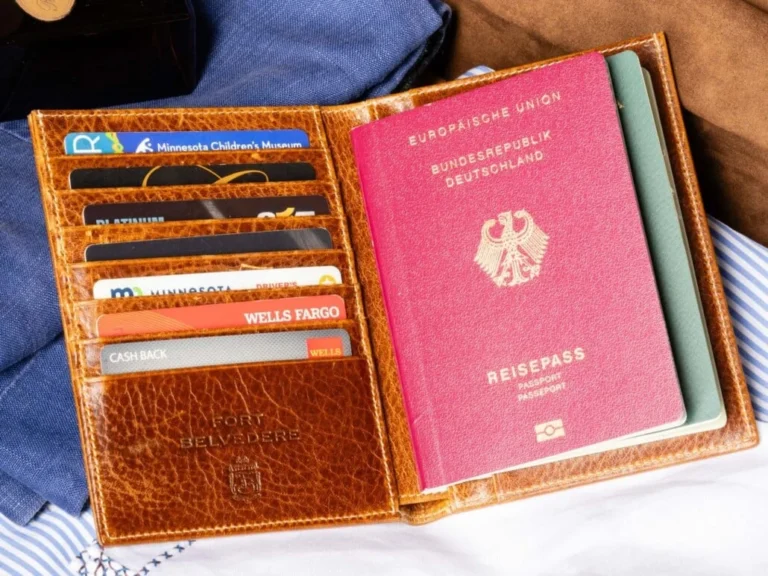
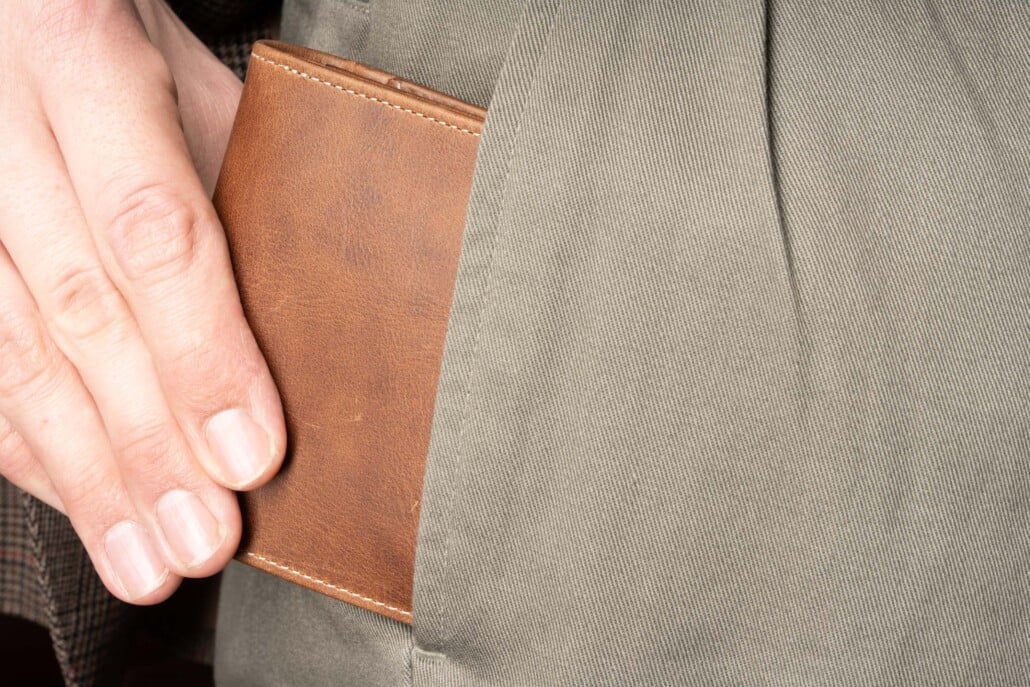
Traditional leather bifold wallets reigned supreme in the 1980s, primarily because gentlemen were carrying significantly more than just cash. This decade witnessed an unprecedented "Card Boom," a proliferation in the variety and necessity of plastic cards in daily life. Credit cards, led by Visa and MasterCard, became widely accepted as a primary payment method, reducing the need for large sums of cash. ATM cards, facilitating the widespread adoption of electronic banking, allowed for convenient cash withdrawals and account management. Loyalty cards for gas stations, grocery stores, and department stores began to emerge, encouraging repeat business. Additionally, identification cards, driver’s licenses, and various membership cards (e.g., gym memberships, video rental cards) all demanded a secure and organized place. This expansion of plastic meant that the average gentleman’s wallet had to be robust enough to accommodate multiple card slots alongside its traditional cash compartment. High-quality leather wallets, prized for their durability and ability to develop a rich patina over time, were essential, reflecting a blend of practicality and refined taste. The wallet became a personal archive of a man’s financial independence, affiliations, and identity.

Professional Prowess: Refined Business Cards and Cases
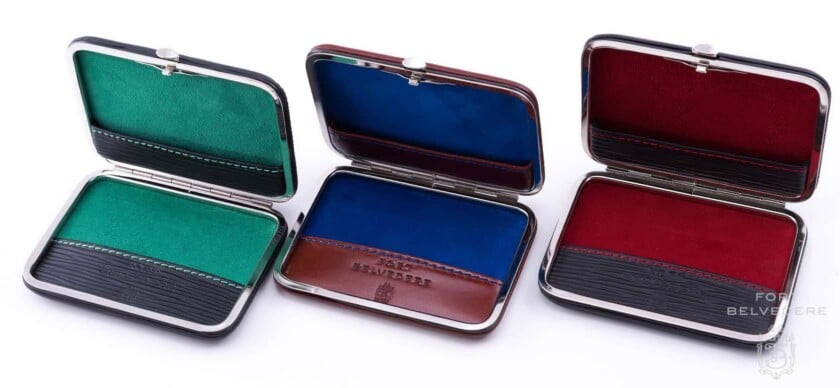
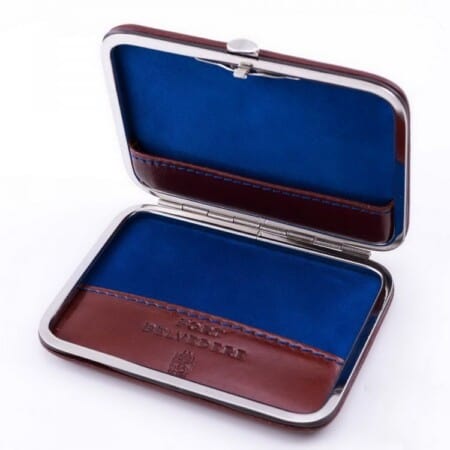
For the ambitious professional in the 1980s, particularly within the burgeoning "yuppie" subculture, exchanging business cards was more than a mere formality; it was a carefully orchestrated ritual. In the upper echelons of the white-collar world, the case from which one presented a business card was often just as important, if not more so, than the card itself. This era, epitomized by the competitive corporate landscape depicted in films like American Psycho, saw an almost obsessive attention to detail in professional presentation. Patrick Bateman’s iconic monologue about the superiority of his business card—"That’s bone. And the lettering is something called Silian Rail"—underscored the intense scrutiny and judgment applied to such seemingly minor details. To navigate this environment with confidence and avoid any "Patrick Bateman-level anxiety," gentlemen invested in elegant leather or metal card cases from prestigious brands. Louis Vuitton, Cartier, and Armani were prominent choices, their cases signifying not just organizational acumen but also a deep understanding of corporate etiquette and personal branding. These accessories were not simply functional; they were powerful non-verbal communicators of status, ambition, and a commitment to professional excellence.
The Enduring Role of the Checkbook
Throughout much of the 1980s, despite the growing prominence of credit cards, the checkbook remained a primary payment method, particularly for larger transactions. Paying rent, utilities, significant purchases, or even for services often necessitated the issuance of a personal check. Typically housed in a sleek leather cover, the checkbook resided alongside cash and credit cards as a foundational pillar of 80s finance. Its presence underscored a slower pace of financial transactions, where immediate digital transfers were non-existent, and physical documentation was key. However, by the latter half of the decade, as electronic banking and credit card acceptance became more widespread, the checkbook’s daily utility began a gradual but steady decline, foreshadowing its eventual marginalization in the digital age.

A Touch of Individuality: Personalized Small Leather Goods
The 1980s celebrated the "personal touch," and advancements in manufacturing made bespoke luxury more accessible. It became increasingly affordable for the average man to have everyday items like key fobs, wallets, and card cases monogrammed or embossed with his initials. This trend allowed individuals to imbue mass-produced accessories with a sense of bespoke craftsmanship without incurring the prohibitive cost of historically custom-made products. Personalized leather goods were a subtle yet significant way for a gentleman to express his individuality and assert a sense of ownership and distinction. This personalization trend reflected a broader cultural movement towards self-expression and curated identity, even within the confines of established corporate aesthetics. The durability and timeless appeal of quality leather meant these items were often cherished for years, acquiring character alongside their owner.
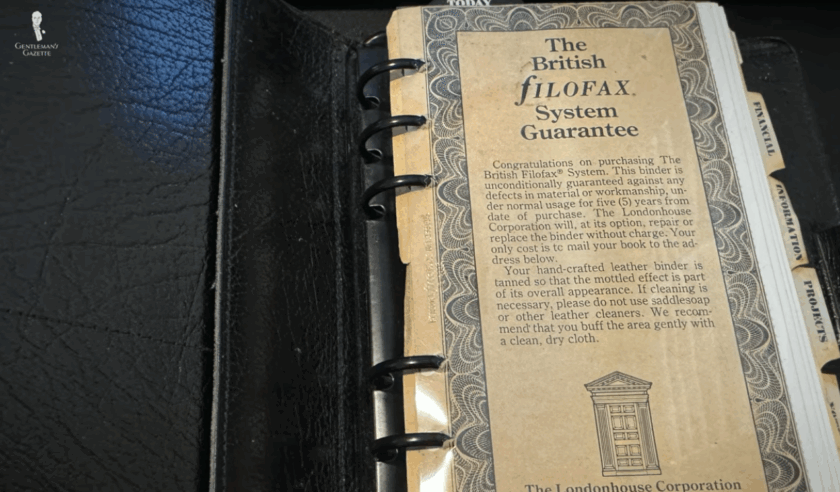
The Analog Organizer: The Daily Planner (The Filofax)
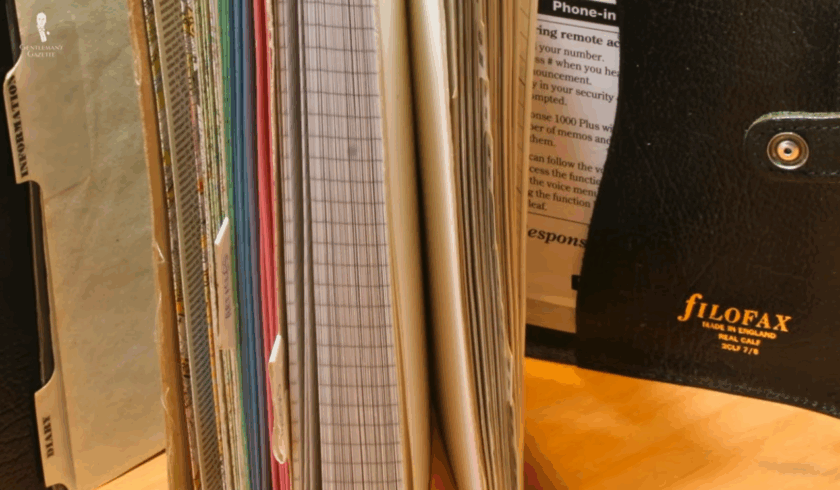
Before the advent of pocket-sized digital calendars, the Filofax was the quintessential organizational tool for the professional gentleman. For the ambitious "yuppie" subculture, a leather-bound daily organizer was the ultimate command center for managing a bustling schedule of meetings, maintaining an address book, tracking tasks, and recording important reminders. The Filofax was more than just a diary; its modular, ring-bound system allowed for customizable inserts, ranging from financial planners and project trackers to maps and blank notepaper. This adaptability made it an indispensable "external brain" for anyone navigating a complex professional life. Its presence in a briefcase or on a desk was a clear indicator of a man who was organized, forward-thinking, and in control. The Filofax, with its robust leather cover and efficient internal system, served as the analog precursor to the smartphone, embodying the era’s drive for efficiency and personal productivity in a tangible, tactile format. It was not uncommon for a Filofax to include a small calculator or pen loop, further solidifying its role as a centralized hub for the professional on the move.
The Ubiquitous Workhorse: The Ballpoint Pen
While the elegant fountain pen retained its prestige as the choice of traditionalists and connoisseurs, the humble ballpoint pen unequivocally became the 1980s workhorse. Its convenience, reliability, and affordability made it an indispensable item for daily writing tasks. Unlike its more temperamental fountain pen counterpart, the ballpoint required minimal maintenance, rarely leaked (though this risk was still present), and was capable of writing on a wider variety of surfaces. Popular brands like Parker (especially the Jotter), Cross, and Bic produced millions of these pens, many of which were durable enough to last for years. The ballpoint’s low cost also made it an ideal candidate for corporate branding; businesses frequently personalized them with logos and distributed them as "swag," transforming them into subtle promotional tools carried by clients and employees alike. This widespread utility cemented the ballpoint pen as a pragmatic and omnipresent element of any gentleman’s EDC.
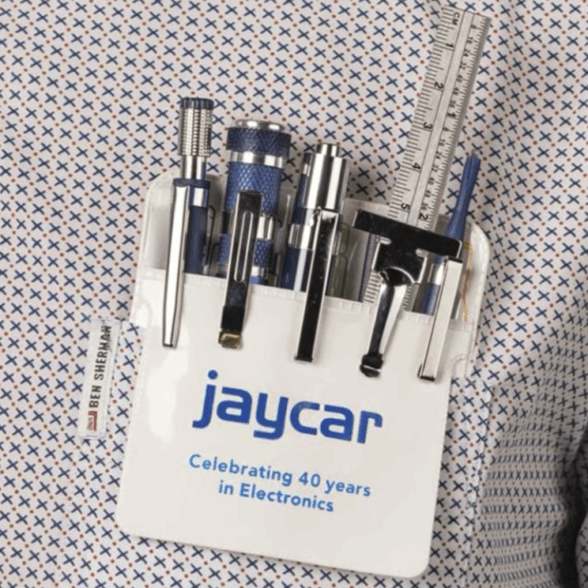
The Practical Shield: The Pocket Protector
As pens became cheaper and more disposable, and their ink formulations varied, the risk of an unexpected leak or stain on an expensive dress shirt increased. Enter the pocket protector. This simple, often clear vinyl sleeve was designed to fit snugly into a shirt pocket, containing pens, pencils, and sometimes a small ruler or slide rule. Engineers, scientists, and office workers, particularly those in technical fields or meticulous administrative roles, frequently sported them. While primarily a practical tool to safeguard costly garments from ink disasters, the pocket protector unfortunately began its cultural trajectory towards becoming a "nerdy" pop-culture cliché. By the close of the decade, its image had shifted from a sign of practicality to one of social awkwardness, leading to a decline in its widespread adoption outside of very specific professions. Nevertheless, for a significant portion of the 80s, it was a common and logical accessory for many working men.
The Professional’s Emblem: The Briefcase & Attaché Case
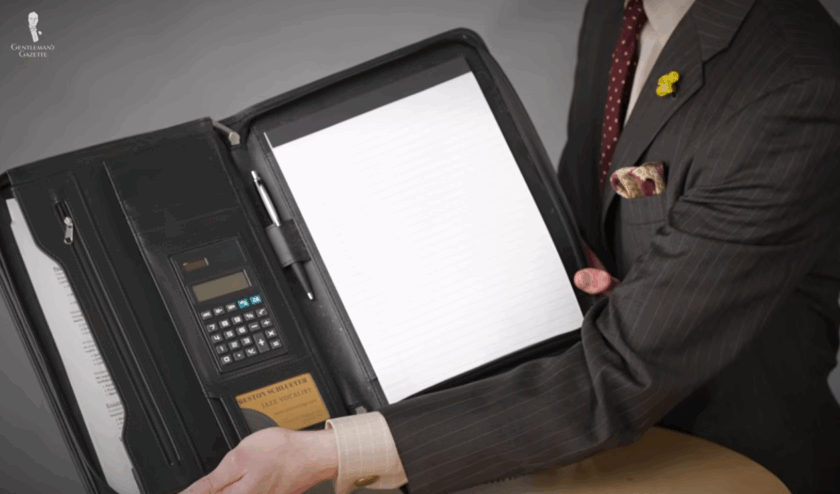
For any professional in the 1980s, a briefcase or attaché case was not merely a bag; it was an essential extension of their professional identity. These cases served as mobile offices, carrying important documents, contracts, reports, and often a daily planner. The choice between a soft-sided leather briefcase and a rigid, hard-shell attaché often reflected a man’s industry or personal style. The attaché, typically made of leather or a composite material with a solid frame, projected an image of strict formality, security, and corporate power. It was the quintessential accessory for executives and those in law or finance. Softer leather briefcases, while still formal, offered a degree of flexibility and often more internal compartments, appealing to a broader range of professionals. Both types were typically crafted from high-quality leather, signaling durability and status. The briefcase was an indispensable tool for maintaining an organized and polished professional appearance, ensuring that vital documents were always at hand and impeccably presented.
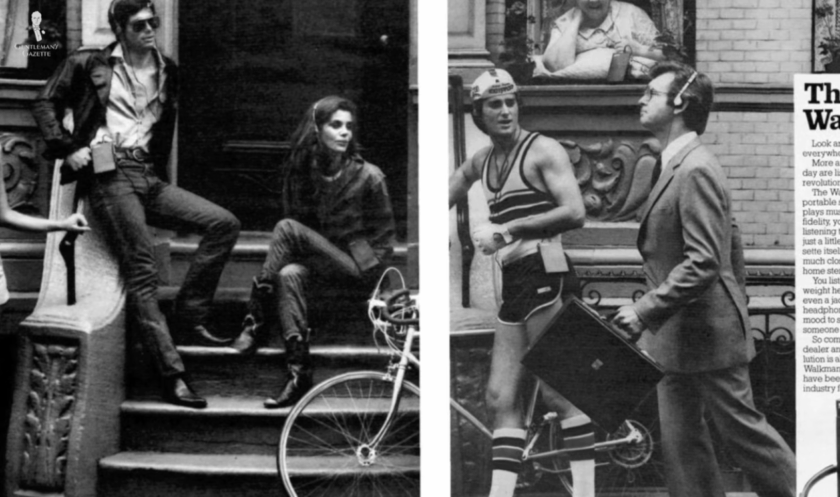
The Soundtrack to Life: The Sony Walkman
The Sony Walkman, first introduced in 1979, was arguably the "poster child" for 1980s tech innovation and consumer electronics. This compact cassette player revolutionized personal audio, allowing individuals to carry their music with them and create a private soundscape in public spaces. Its impact was profound, transforming how men commuted, exercised, and spent their leisure time. No longer confined to home stereos or car radios, music became a deeply personal and portable experience. The Walkman, typically paired with lightweight headphones, quickly became a hip, trendy, and utterly essential companion. For the fitness-obsessed 80s man, it was indispensable for a jog, providing motivational beats. For commuters, it transformed noisy train rides into personal concerts. The Walkman embodied a new freedom and individualism, marking a significant shift in consumer technology and laying the groundwork for all future portable media players. Its design—sleek, compact, and often brightly colored—was as iconic as its function, making it a powerful statement of modernity and personal choice.
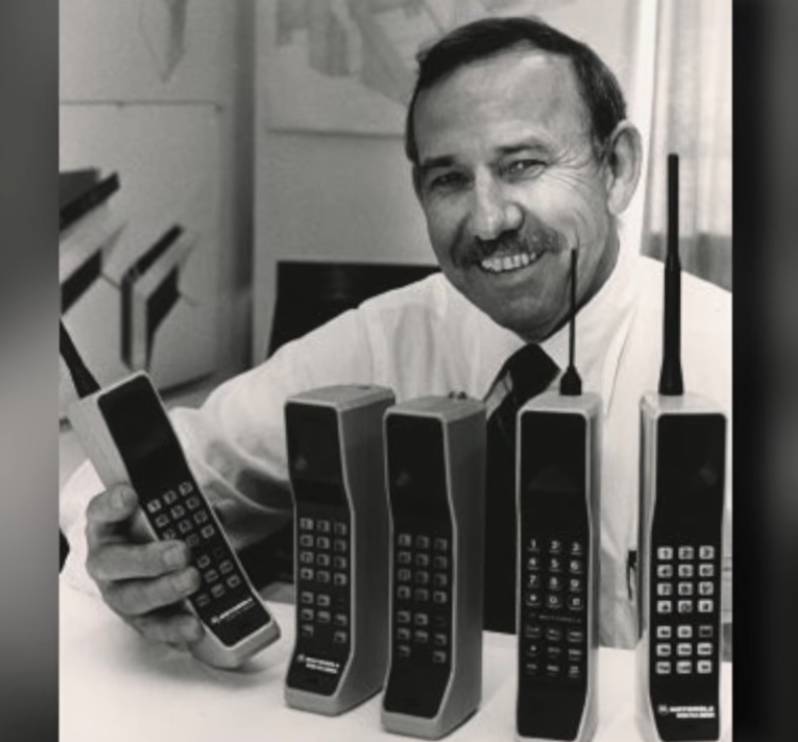
The Dawn of Mobile Connectivity: The "Brick" Mobile Phone
While not universally carried, the 1980s did see the very first glimmer of personal mobile communication. For the privileged 1% on the absolute bleeding edge of technology, there was the Motorola DynaTAC 8000X. Launched commercially in 1983 after years of development, this monumental device—dubbed the "brick" phone due to its size and weight (over two pounds)—retailed for an astounding $3,995 (equivalent to more than $11,000 in today’s money). Its exorbitant price and bulky form factor limited its adoption to high-powered executives, affluent entrepreneurs, and early adopters who needed constant connectivity and could afford the significant investment. Owning a DynaTAC was the ultimate status symbol, a clear signal of immense wealth and influence.
More common throughout the 80s, and a staple for business professionals since the 1960s, was the car phone. These were devices hardwired directly into a vehicle’s electrical system, offering mobile communication primarily from within an automobile. As the decade progressed, car phones became a more common tool for business professionals who spent considerable time on the road. Specialized mounting devices also began to enter the scene, allowing for easier integration and access to these bulky mobile communication tools within the confines of a car, further highlighting the era’s tentative steps towards an always-connected future. These early mobile and car phones, while rudimentary by today’s standards, represented a monumental leap in communication technology, fundamentally altering the expectations of availability and responsiveness for those who could access them.
Summary Table: 1980s EDC Essentials
| Item | Popular Brands | Key Feature | Broader Impact |
|---|---|---|---|
| Sunglasses | Ray-Ban, Oakley, Persol | Wayfarers & Aviators as fashion statements | Defined iconic looks; shifted from utility to status symbol. |
| Wristwatch | Casio, Seiko, Omega, IWC | Digital complications or Two-tone metal | Highlighted divergence between tech utility and traditional elegance. |
| Loose Change | N/A | Essential for payphone communication | Underscored reliance on physical currency for connectivity. |
| Bifold Wallet | Various Leather Brands | Accommodated "Card Boom" (credit/ATM cards) | Reflected shift towards plastic currency and expanded personal affiliations. |
| Business Card Case | Louis Vuitton, Cartier, Armani | Signifier of professional status & etiquette | Critical for networking; emphasized corporate image. |
| Checkbook | N/A | Primary for larger transactions | Gradually phased out by electronic payments, but still vital. |
| Personalized Leather Goods | Various Leather Brands | Monogramming/embossing for individuality | Offered affordable bespoke luxury and self-expression. |
| Daily Planner | Filofax | Leather-bound paper organizers | Analog precursor to smartphones; central hub for professionals. |
| Ballpoint Pen | Parker, Cross, Bic | Convenient, affordable, reliable | Ubiquitous writing tool; became corporate promotional item. |
| Pocket Protector | N/A | Shielded shirts from ink stains | Practical tool, later became a "nerdy" stereotype. |
| Briefcase/Attaché | Samsonite, Montblanc, Tumi | Professional document transport & image | Indispensable for corporate identity and organization. |
| Sony Walkman | Sony | Portable Cassette Player | Revolutionized personal music; created private soundscapes. |
| Mobile Phone | Motorola (DynaTAC) | "Brick" phone for elite, car phones | Expensive status symbol; nascent stage of mobile connectivity. |
Conclusion: An Era of Transition and Modern Foundation
The gentleman’s Every Day Carry in the 1980s was a fascinating snapshot of a society in rapid transition. It embodied a duality: the continued reverence for classic style, fine leather goods, and traditional craftsmanship, seamlessly integrated with a burgeoning enthusiasm for personal technology. From the cinematic cool of Ray-Ban sunglasses to the utilitarian marvel of the Casio digital watch, and from the indispensable analog organization of the Filofax to the revolutionary personal soundtrack provided by the Sony Walkman, each item reflected the aspirations and practicalities of a dynamic decade. Even the bulky "brick" phone, while exclusive, heralded a future that would fundamentally reshape how individuals connected and operated. The 1980s EDC laid crucial groundwork for modern carry, demonstrating how personal items could evolve from mere tools into potent symbols of identity, professionalism, and an ever-advancing technological landscape. Understanding this era’s essentials offers valuable insight into the origins of our contemporary digital dependence and the enduring appeal of thoughtfully chosen personal effects.