





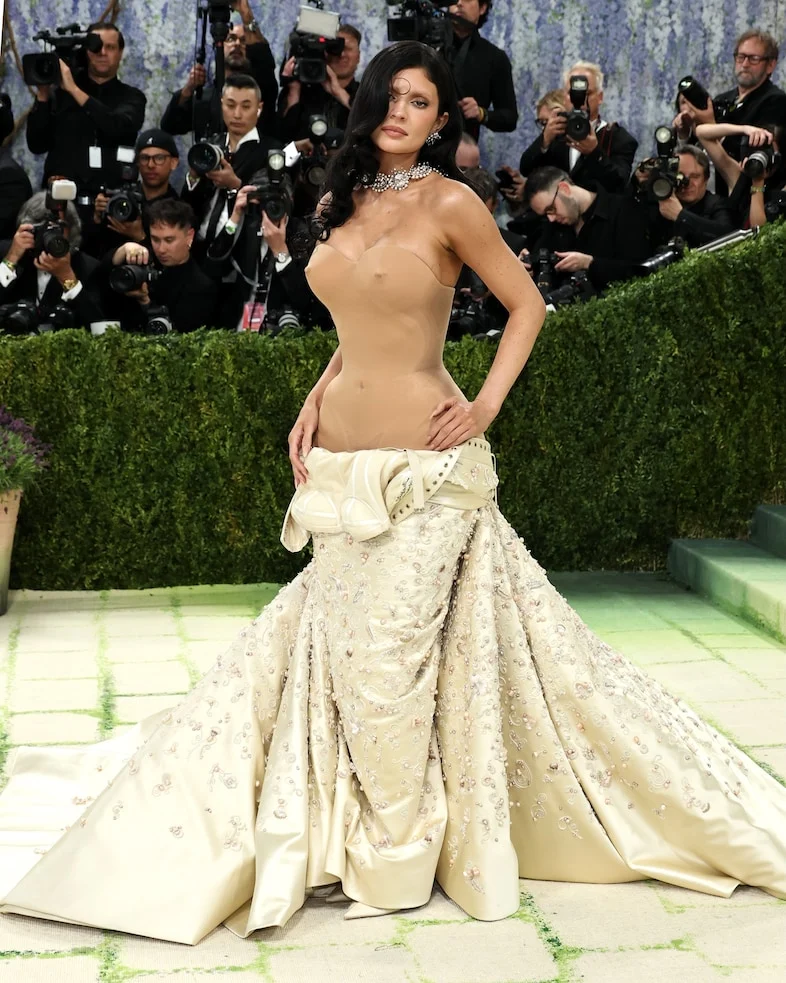
The Metropolitan Museum of Art’s Costume Institute Gala, widely known as the Met Gala, concluded its 2026 edition, once again solidifying its status as fashion’s most significant annual event. Celebrating the opening of the museum’s latest exhibition, Costume Art, the evening unfolded on a meticulously crafted garden-inspired carpet, with guests interpreting the evocative dress code, "Fashion is Art." This year’s gala saw an unprecedented convergence of global luminaries, including Beyoncé, Rihanna, and Madonna, each delivering their most compelling, art-inspired sartorial statements. Beyond the undeniable spectacle and individual triumphs of style, the evening also revealed several potent and intriguing trends that are poised to influence the broader fashion landscape.
The Gala’s Enduring Legacy: A Nexus of Art, Fashion, and Philanthropy
The Met Gala, often dubbed the "Oscars of Fashion," is far more than a mere celebrity gathering; it is the primary annual fundraising event for the Metropolitan Museum of Art’s Costume Institute. Founded in 1948 by fashion publicist Eleanor Lambert, the gala has evolved from a relatively intimate dinner to a global cultural phenomenon, largely thanks to the visionary leadership of Vogue Editor-in-Chief Anna Wintour, who has chaired the event since 1995. Under her stewardship, the gala transformed into a star-studded, high-stakes fashion spectacle, raising critical funds for the Costume Institute, which houses a vast and historically significant collection of fashion items. These funds are vital for the institute’s operations, including its exhibitions, acquisitions, and conservation efforts, making the Met Gala a cornerstone of fashion preservation and scholarship.
The 2026 theme, "Fashion is Art," accompanied the Costume Art exhibition, which aimed to explore the inherent artistic merit and conceptual depth within sartorial expression. This theme challenged designers and attendees to transcend conventional definitions of clothing, viewing garments as canvases, sculptures, and performative pieces. The garden-inspired carpet itself was an extension of this artistic narrative, designed to evoke the organic beauty and intricate structures often found in both natural art and high fashion. The preparation for an event of this magnitude typically spans over a year, involving intricate coordination between the museum, Vogue, numerous designers, and celebrity teams. The theme is usually announced months in advance, allowing designers ample time to conceptualize and create bespoke looks that are both original and deeply connected to the exhibition’s narrative.
The Red Carpet Spectacle: A Global Phenomenon
The Met Gala’s red carpet is a unique global stage, drawing millions of viewers worldwide. Preliminary viewership figures for the 2026 event indicate a record-breaking digital engagement, with live streams across platforms accumulating over 150 million views within the first two hours. Social media engagement surged, with hashtags related to the gala trending globally for over 48 hours, generating billions of impressions. This digital reach underscores the event’s unparalleled influence in shaping public discourse around fashion, celebrity culture, and artistic expression. The economic impact extends beyond the immediate fundraising, with increased exposure for designers, brands, and the fashion industry at large. Media outlets from around the globe dispatch extensive teams to cover the event, producing countless articles, analyses, and visual content that reverberates across traditional and digital channels for weeks.
The "Fashion is Art" theme presented a fertile ground for diverse interpretations, moving beyond literal representations to more abstract and conceptual approaches. From architectural silhouettes to wearable art installations, the red carpet became a living gallery, showcasing the pinnacle of creative collaboration between celebrities and fashion houses. This year’s event particularly highlighted a blend of audacious statements and subtle artistic nods, confirming the Met Gala’s role as a barometer for avant-garde trends and a platform for pushing sartorial boundaries.
Key Fashion Trends of Met Gala 2026
Amidst the individual splendor, several overarching trends emerged, signalling shifts in contemporary fashion and artistic expression. These trends, ranging from provocative body liberation to historical homage, offered a compelling narrative of the evening’s aesthetic landscape.
The Resurgence of Body Positivity: "Free The Nipple" Reimagined
More than a decade after the #FreeTheNipple movement gained significant traction across social media and popular culture in 2014, its spirit was strikingly revived on the Met Gala 2026 carpet. With the Costume Art exhibition delving into the "inherent relationship between clothing and the body," it was perhaps inevitable that some attendees would embrace more daring, body-celebrating interpretations. This year, the movement manifested through sophisticated, art-inspired designs that subtly, yet overtly, championed the female form.
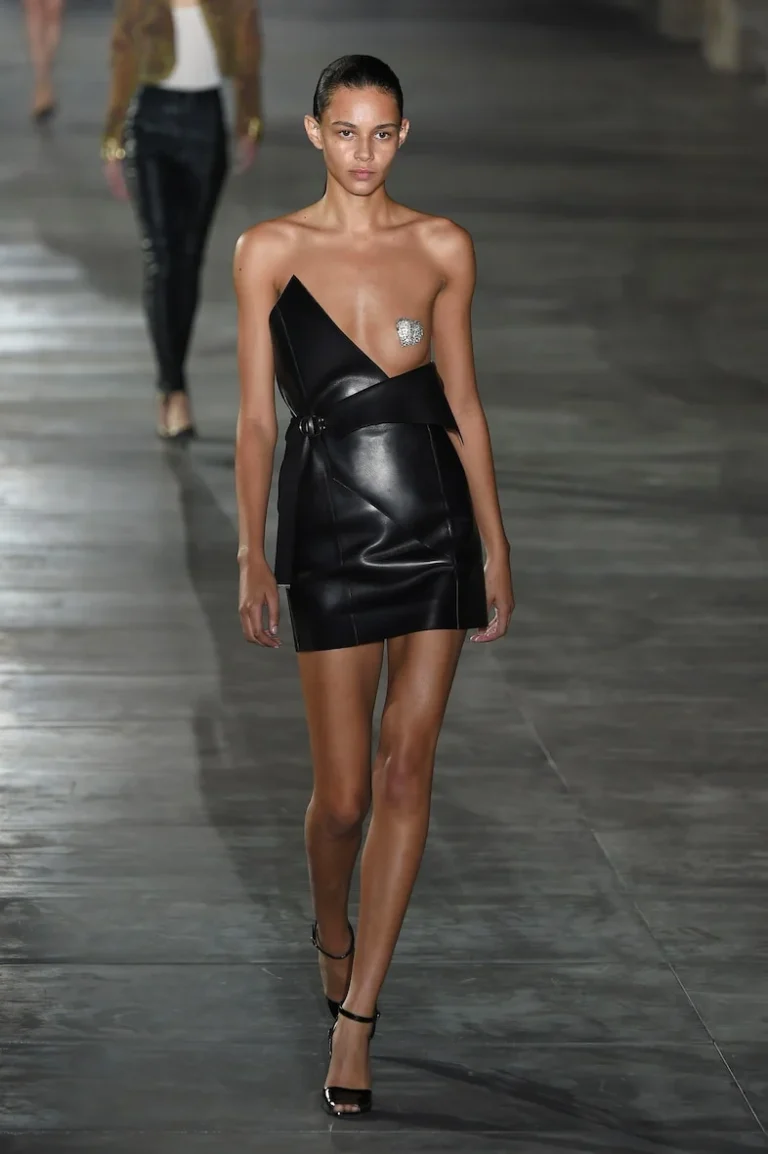
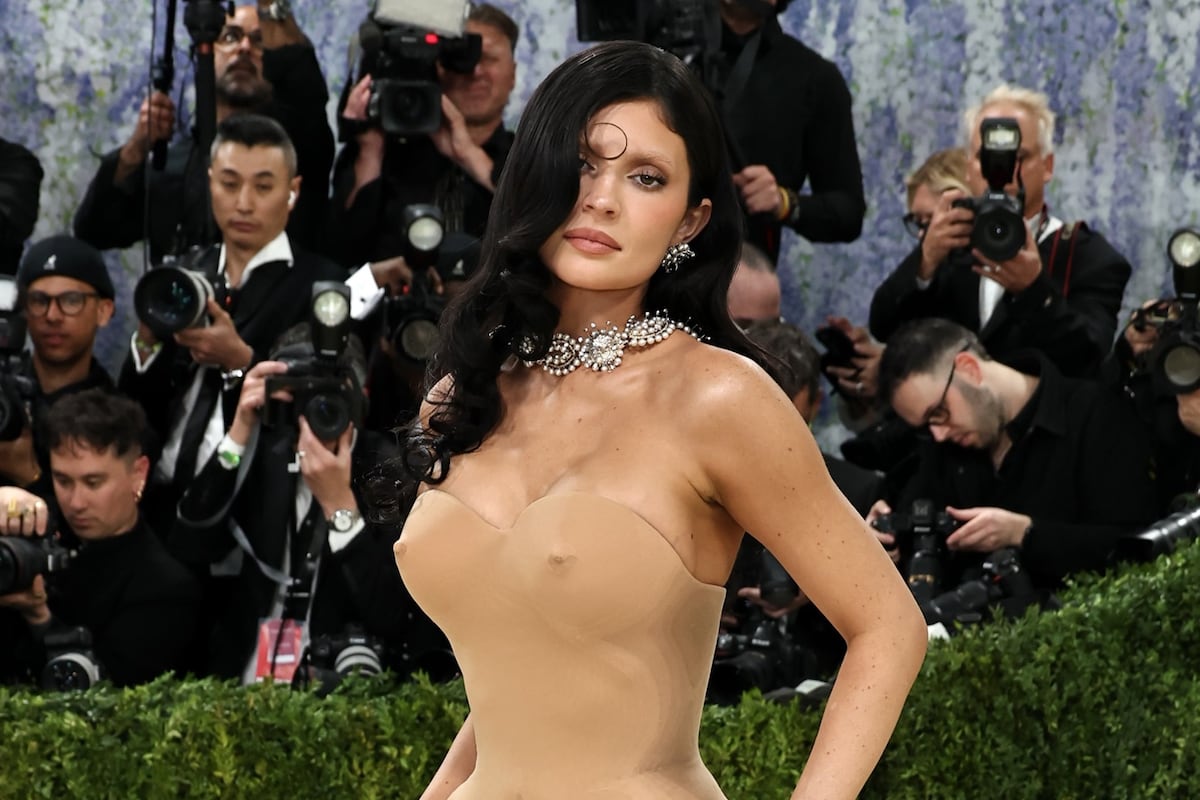
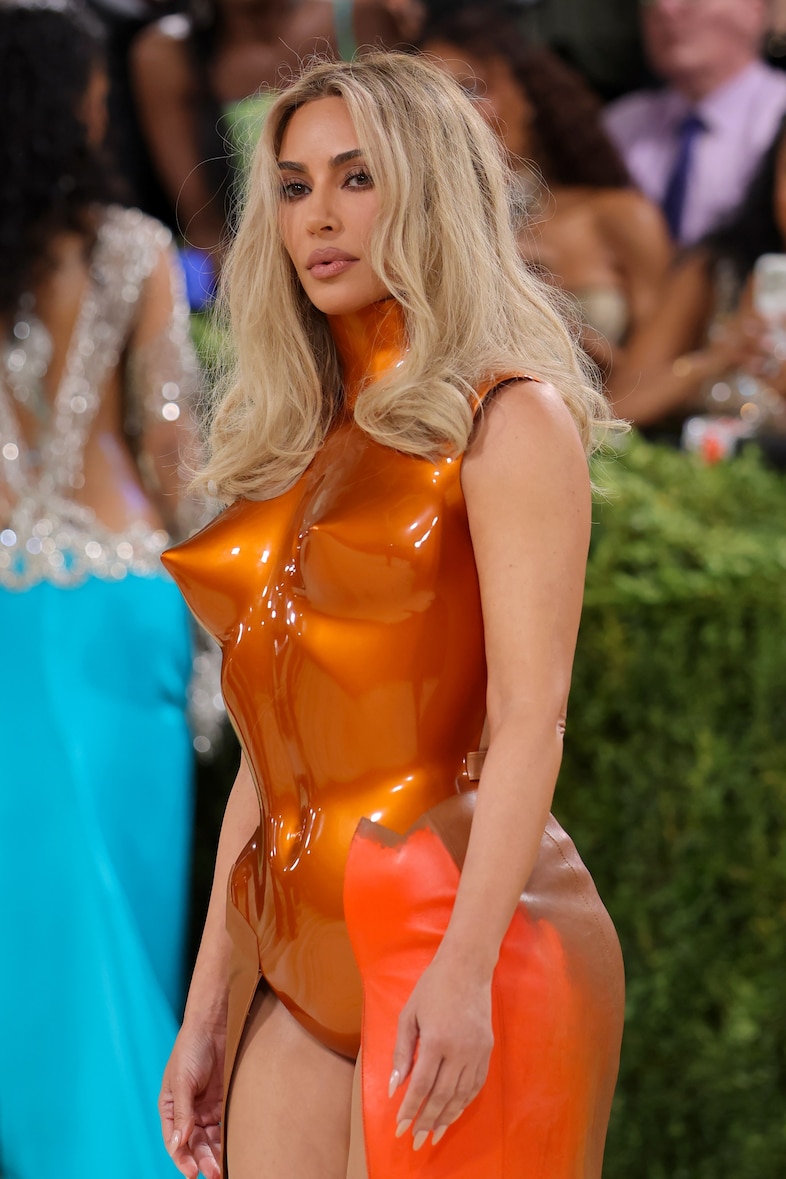
Several prominent figures embraced this audacious trend. Kylie Jenner, for instance, wore a Schiaparelli creation featuring a meticulously sculpted metallic breastplate with accentuated hard nipples, blurring the lines between anatomy and armour. Hailey Bieber, in a Saint Laurent ensemble, echoed this sentiment with a similar metallic breastplate, signifying strength and unapologetic femininity. Kim Kardashian, known for her bold fashion choices, appeared in a custom piece by Allen Jones and Whitaker Malem that also incorporated metallic breastplates designed to highlight the nipples, transforming a traditionally private body part into a sculptural element. Kendall Jenner made a significant statement with a custom Gap Studio dress that featured one exposed breast, a powerful act of defiance against traditional modesty norms, presented with an artistic sensibility. Beyond direct exposure, the theme was also explored through illusion: Chase Infiniti’s Thom Browne look and Sabine Getty’s Ashi Studio dress showcased intricate illustrations and trompe-l’œil effects of naked bodies, suggesting nudity without full exposure. This trend was not merely about shock value; it represented a nuanced conversation about body autonomy, artistic representation of the human form, and challenging societal taboos within the elevated context of high fashion and art. It underscored a growing comfort and confidence in reclaiming and celebrating the body in its natural state, framed within a high-fashion aesthetic.
Artful Illusion: The "Hands Up" Trend
If direct bodily exposure wasn’t the chosen path, many guests opted for another visually arresting trend: the incorporation of trompe-l’œil hands and limbs into their ensembles. This artistic technique, which creates an optical illusion of three-dimensionality, added a layer of surrealism and intrigue to the "Fashion is Art" theme. It allowed for a playful yet profound exploration of the body’s interaction with clothing, as if garments were extensions of the wearer’s physical form, or even inhabited by other entities.
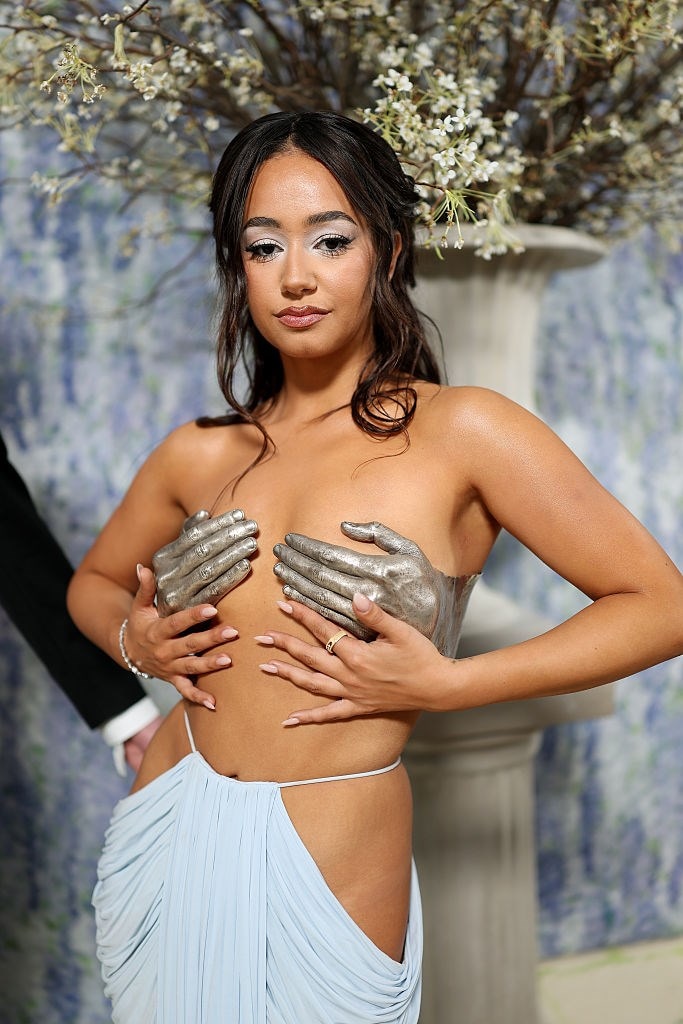
Lena Mahfouf, Sabine Getty, and Nichapat Suphap were among those who sported gowns featuring artfully placed trompe-l’œil hands that appeared to be covering or interacting with their bodies, creating a sense of dynamic movement and sculptural elegance. The effect was both whimsical and thought-provoking, turning the clothing into a performative extension of the wearer. Jordan Roth, known for his dramatic and theatrical Met Gala appearances, delivered a memorable "jump scare" with a creation that featured a demon-like hand seemingly crawling over his shoulder, a testament to the theme’s potential for dark artistry. Lisa (Blackpink), a global fashion icon, also embraced this trend in a striking Robert Wun gown. Her dress was notable for featuring a pair of 3D-printed arms, meticulously crafted from molds of her own, that wrapped around her torso. This bespoke detail not only showcased cutting-edge fashion technology but also transformed the garment into a deeply personal and sculptural self-portrait, perfectly aligning with the "Fashion is Art" ethos. Robert Wun, a designer increasingly lauded for his innovative and dramatic silhouettes, proved to be one of the most popular choices of the evening, demonstrating the growing appetite for fashion that truly blurs the lines with fine art.
Anonymity and Statement: The "Mask 4 Mask" Phenomenon
A trend first observed on the AW26 fashion week runways in London and Paris, masks made a significant and thought-provoking appearance at the Met Gala. Far from being merely decorative, these masks served as powerful statements on identity, anonymity, and even social critique, echoing the thematic depth of "Fashion is Art."
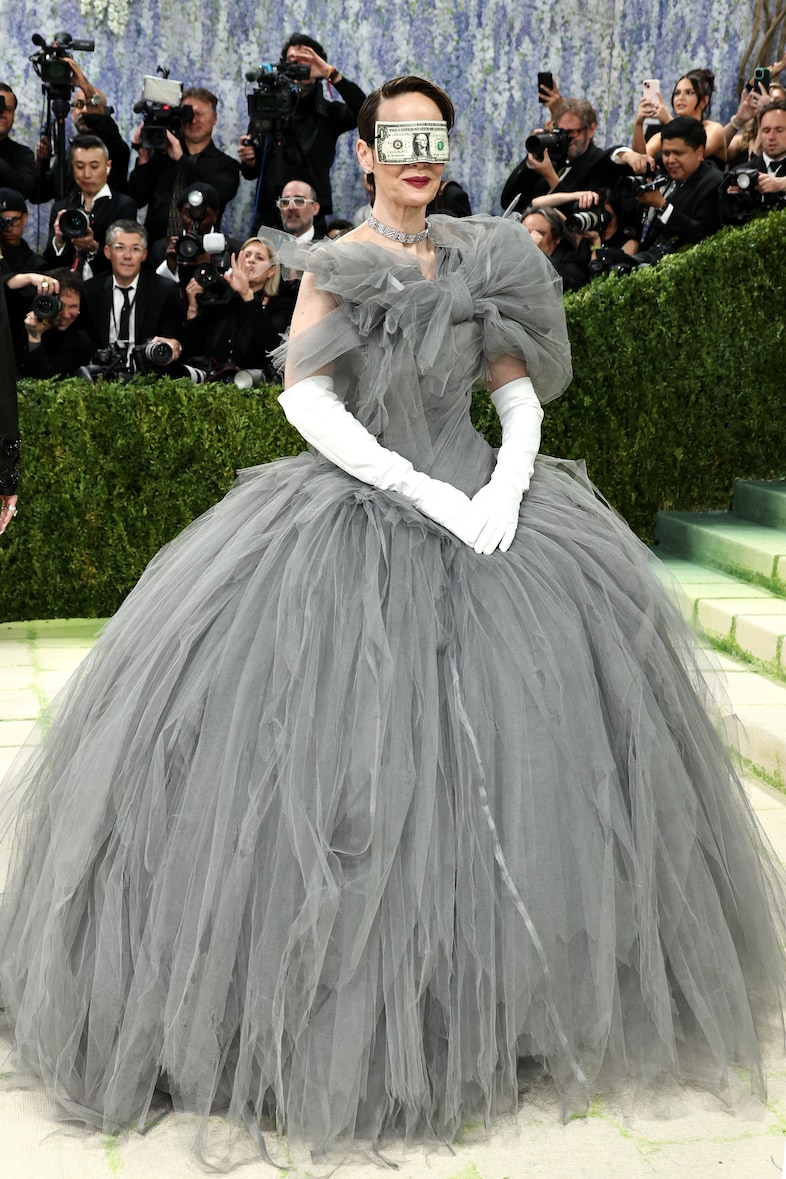
Katy Perry arrived in a striking headpiece by Miodrag Guberinic, resembling a fencing helmet, paired with a custom Stella McCartney gown. This look created an aura of enigmatic elegance, suggesting protection or an artistic detachment. More overtly political was Sarah Paulson’s ensemble, featuring a blindfold crafted from a one-dollar bill, alongside a voluminous tulle gown custom-made by Matières Fécales. This choice was widely interpreted as a pointed commentary on wealth disparity and the perceived commercialization or exclusivity of high-profile events, sparking significant discussion across social platforms. Gwendoline Christie presented a more conceptual take, wearing an elaborate headpiece that mimicked her own face, creating a disorienting yet captivating self-portrait. Madonna, ever the provocateur, had her accompanying models wear various eye masks, collectively creating a sense of mysterious uniformity and artistic performance around her own iconic presence. The prevalence of masks underscored a collective desire among some attendees to subvert traditional celebrity glamour, instead opting for a more artistic, performative, or even critical engagement with the event’s spotlight. This trend offered a fascinating juxtaposition of public presence and concealed identity, inviting viewers to look beyond the individual and focus on the artistic message.
Echoes of the Past: The "Reheated Nachos" Trend and Sustainability in High Fashion
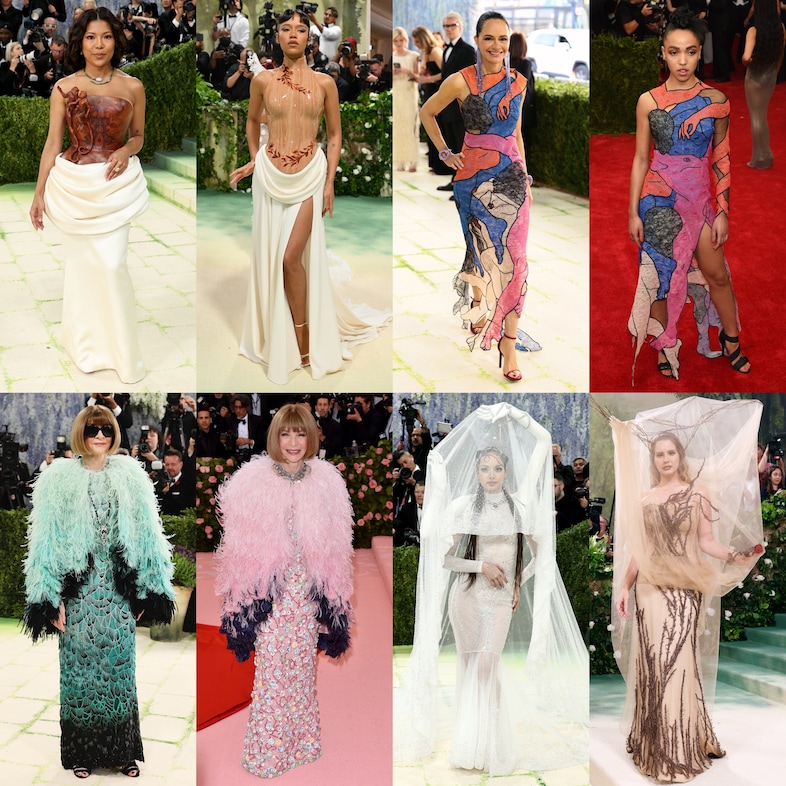
One of the most surprising yet significant trends of the evening was the unexpected recurrence of previously seen designs, or highly similar aesthetics, dubbed colloquially as "Reheated Nachos" by fashion commentators. While some might view this as a lack of originality, its prominence at the Met Gala sparked a deeper conversation about fashion’s cyclical nature, sustainability, and the re-evaluation of iconic looks.
Anna Wintour herself set the precedent, appearing in a custom Chanel couture dress that bore striking resemblance to an ensemble she wore in 2019. Both Chanel couture pieces matched the carpet color – pink in 2019, and a vibrant turquoise this year – creating a powerful visual continuity and a subtle nod to her consistent aesthetic. This act by the event’s chair could be interpreted as a subtle endorsement of fashion longevity and the timelessness of certain designs, or perhaps a pragmatic approach to personal style.
The trend extended beyond Wintour. Jennifer Rubio, a member of the Met’s board of trustees, wore a wood-look breastplate paired with a sweeping cream skirt, an ensemble almost identical in aesthetic to the celebrated Loewe look worn by Taylor Russell at the 2024 Met Gala. This raised questions about inspiration, homage, and the reinterpretation of contemporary classics. Furthermore, the exact Christopher Kane dress worn by FKA Twigs in 2015 resurfaced on dermatologist Lisa Airan, demonstrating a direct re-wearing of a significant piece of fashion history on the red carpet. Lisa (Blackpink)’s Robert Wun gown, while innovative, drew comparisons to Lana Del Rey’s dramatic McQueen dress from the 2024 Met Gala, highlighting thematic or structural similarities that resonate across different years and designers.
This "reheated" trend, far from being a criticism, sparked important dialogue about consumption in high fashion. In an era increasingly conscious of sustainability, the idea of re-wearing, reinterpreting, or drawing heavily from past designs takes on new significance. It challenges the relentless cycle of newness and instead celebrates the enduring power of iconic pieces and the evolution of style over time. It suggests that true artistry in fashion can lie not just in invention, but in the thoughtful re-contextualization and appreciation of what has come before.
A Splash of Color: The "Feeling Blue" Impact of Yves Klein
As anticipated by fashion prognosticators in the weeks leading up to the event, the indelible mark of French artist Yves Klein was prominently displayed on the 2026 Met Gala carpet. Klein, renowned for his radical performance art and, most famously, for developing his own distinctive shade of blue, International Klein Blue (IKB), became an unexpected muse for numerous attendees. His "Anthropometry" series, where women’s bodies were used as "living paintbrushes," offered a direct conceptual link to the "Fashion is Art" theme and the exhibition’s exploration of clothing and the body.
The vibrant, ultra-marine hue of IKB became one of the most popular colours of the evening, dominating the Met steps. Hailey Bieber was a striking example, sporting IKB in a gown designed by Saint Laurent, harmoniously styled with a contrasting gold breastplate. The juxtaposition of the intense blue with metallic gold created a regal and artistic statement. Tessa Thompson delivered one of the most visually arresting interpretations, appearing as though someone had splattered wet paint directly onto her custom Valentino dress. The immersive nature of her look was further emphasized by her fingertips, which were also dipped in the same vivid blue paint, blurring the lines between her body, the garment, and the artistic medium itself. This transformation of the wearer into a living artwork was a powerful homage to Klein’s conceptual approach. Adding to the trend, human rights lawyer Alexi Ashe graced the event in an archive Celine by Phoebe Philo dress, featuring a bold and recognizable Yves Klein print. This choice not only celebrated a specific artistic influence but also highlighted the enduring appeal of iconic designs from a beloved fashion era. The pervasive use of IKB underscored the theme’s influence, demonstrating how a singular artistic vision could translate into diverse yet cohesive sartorial expressions, transforming the red carpet into a vibrant, monochromatic art installation.
Behind the Seams: The Creative Process and Broader Implications
The execution of these elaborate looks represents months of painstaking work by designers, ateliers, stylists, and entire creative teams. From initial sketches and fabric sourcing to intricate hand-embellishments and last-minute adjustments, the journey from concept to red-carpet reality is a testament to the dedication and artistry inherent in the fashion industry. Each gown, suit, or conceptual ensemble is a miniature work of art, often requiring hundreds, if not thousands, of hours of labor.
The Met Gala, year after year, continues to ignite global conversations about fashion’s role in art, culture, and society. The 2026 edition, with its "Fashion is Art" theme, particularly succeeded in elevating this dialogue, showcasing clothing not merely as attire but as a profound medium for expression, social commentary, and artistic innovation. The trends observed—from body liberation and illusory forms to historical re-evaluations and artistic homages—reflect a dynamic and evolving fashion landscape. They suggest a future where clothing is increasingly seen as a canvas for personal and collective narratives, where boundaries between art forms dissolve, and where sustainability and conscious consumption begin to influence even the most extravagant echelons of high fashion. The Met Gala remains a powerful arbiter of style and a crucial platform for the Costume Institute, ensuring that the legacy of fashion as a legitimate art form continues to be championed and preserved.