











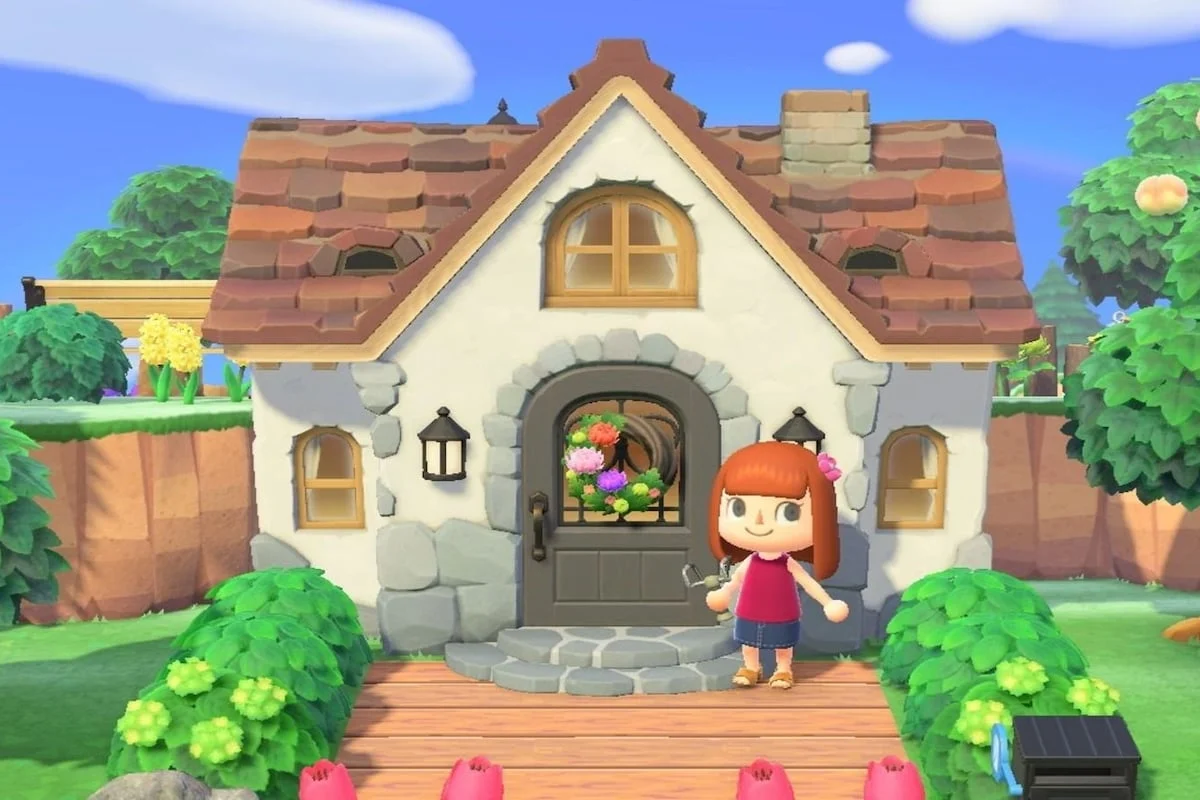
The aspiration to transform a house into a personal sanctuary, a canvas for self-expression through carefully chosen paint, upcycled furniture, or the joyful chaos of a new recipe, remains a powerful human desire. Yet, for a burgeoning segment of young adults, particularly in the United Kingdom and other developed nations, this dream of homeownership is increasingly out of reach. In response to this economic reality, a fascinating cultural phenomenon has emerged: the surging popularity of "cozy gaming," where digital worlds offer an alternative outlet for creative domesticity and a sense of control.
The Shrinking Dream of Homeownership
The original article highlights a stark reality: in the UK, 35% of men and 22% of women aged 20 to 35 currently reside with their parents, figures reported by the Office for National Statistics that continue to climb. This trend is not isolated to the UK; similar patterns are observed across the United States, Canada, Australia, and many European Union countries, where a combination of stagnant wage growth, soaring property prices, and escalating interest rates has created an unprecedented barrier to entry for first-time buyers. Data from the UK Parliament’s Commons Library indicates youth unemployment at its highest level in a decade, further exacerbating financial precarity and making the prospect of saving for a deposit a monumental task. The average house price in the UK, for instance, has grown significantly faster than average earnings over the past two decades, leading to a severe affordability crisis. In London, this disparity is even more pronounced, with property values often ten to fifteen times the average annual salary, rendering independent living a distant fantasy for many.
This economic landscape fuels a deep-seated frustration. As one user, @cybernooped, wryly commented on X following the launch of the home renovation game Hozy, "we are so cooked bro homeownership is now a videogame genre." This sentiment encapsulates the generational disillusionment with an economic system that often feels rigged against them, where hard work does not guarantee basic material security, let alone the traditional markers of adult independence.
The Rise of Cozy Gaming: A Digital Haven
In parallel with the worsening housing crisis, interest in the "cozy gaming genre" has seen a dramatic ascent. Google Trends data reveals a sharp increase in searches for "cosy gaming" since 2024, signaling a widespread and growing embrace of this particular style of digital entertainment. These games, often characterized by non-combative gameplay, gentle aesthetics, and an emphasis on creation and customization, provide a stark contrast to the high-stress, competitive nature of many mainstream titles.
Subcategories within this self-soothing genre are diverse and popular. Farming simulators like Stardew Valley allow players to cultivate land, manage resources, and build community. Life simulation games such as Animal Crossing, The Sims, and Tomodachi Life enable players to design homes, craft virtual lives, and foster relationships. Sandbox builders like Minecraft offer unparalleled freedom to construct elaborate structures and environments from the ground up. Beyond dedicated design games, the influence of domestic creativity is even permeating legacy franchises. Recent editions of titles like World of Warcraft (Midnight) and Pokémon (Pokopia) have begun incorporating interior-decorating features, demonstrating a clear recognition from developers of players’ desire for personalization and a sense of virtual belonging.
Indie game developers are particularly agile in responding to these trends. Hozy, a home renovation game released on Steam, quickly garnered positive reviews for its premise of restoring a forgotten neighborhood "one cosy room at a time." Players engage in cleaning, painting, and decorating abandoned homes, bringing "each space back to life" – a virtual catharsis for those unable to do so in the physical world.
Psychological and Societal Implications
The appeal of cozy gaming extends beyond mere entertainment; it taps into fundamental psychological needs. Matthew Thompson, a 24-year-old fashion designer and part-time receptionist living in a single bedroom flat in London, highlights the satisfaction of customizing digital spaces. A lifelong Animal Crossing player, Thompson notes, "I don’t think we lose our enjoyment in creating imaginary environments and scenarios as we grow up." He draws parallels to childhood play with Lego or dolls, suggesting that the impulse to build and personalize persists, offering a nostalgic melancholy for a past simplicity and a future ideal. His own rental agreement, like many others, restricts personalizing his physical living space, forcing him to hide landlord-provided decor under the bed – a stark contrast to the creative freedom offered in his digital world.
Indie Game Joe, a video game consultant and former painter-decorator, elaborates on this phenomenon, stating, "It is not just about placing furniture; it is about self-expression." He posits that in a real-world economy where the housing market feels like "a game you cannot win," individuals seek out systems with clear rules and tangible rewards. "You can clearly see the fruits of your labour in most cosy games," he observes, a direct counterpoint to the often invisible or delayed returns on effort in real life. He concludes that the genre’s popularity is "a direct response to a high-pressure world. Life is loud and unpredictable right now. Cosy gaming offers a digital sanctuary where the primary objective is peace rather than conquest: it is the video game equivalent of a weighted blanket."
This sentiment is echoed by YouTuber Shandell James in his video, "Why Tired Adults Should Play Cozy Games." He articulates the need for "a soft, calm space where nothing is on fire and nobody is yelling at you." James emphasizes that real life often feels like an overwhelming "quest log," making the additional pressure of competitive or stressful games undesirable. Cozy games, conversely, "give you control in a world where you often don’t feel like you have any."
For individuals like Matthew Thompson, gaming provides an essential creative outlet after a day spent in less stimulating work environments. He finds solace in the "simple, repetitive but productive nature of these games," which he believes helps people unwind and navigate turbulent periods. His gaming rotation includes Harvest Moon, The Sims, Minecraft, Dragon Quest Builders, Boku no Natsuyasumi, and Animal Crossing. While acknowledging that he might still enjoy these games even if he lived in a Chelsea mansion, he poignantly adds, "But maybe it wouldn’t feel quite so depressing to be making ‘dream homes’ while barely being able to afford existing in London." This highlights the underlying tension: while cozy games offer genuine enjoyment and psychological benefits, they also serve as a poignant reminder of real-world aspirations that remain frustratingly out of reach for many.
Broader Impact and Future Outlook
The rise of cozy gaming is more than a fleeting trend; it reflects deeper societal shifts and economic pressures. It underscores a generational divide in access to traditional milestones of adulthood, particularly homeownership, which has historically been a cornerstone of financial stability and personal identity. The gaming industry, in turn, is responding by diversifying its offerings, recognizing the immense market for experiences that prioritize well-being, creativity, and a sense of accomplishment without the high stakes.
Economists and sociologists are increasingly examining how digital spaces are becoming compensatory arenas for real-world deficiencies. While critics might view this as escapism, many experts argue that it provides a vital coping mechanism, offering mental respite and a safe space for self-expression when physical realities are restrictive. The implications are far-reaching: as virtual worlds become more sophisticated and immersive, they may continue to shape how individuals define "home" and "belonging."
This trend also poses questions for policymakers and urban planners. If a significant portion of the younger generation finds fulfillment in digital domesticity, what does this signify for the future of physical communities and housing markets? While gaming offers a temporary sanctuary, it does not solve the fundamental issues of housing affordability and economic inequality. Instead, it serves as a powerful indicator of a generation’s unmet needs and desires, signaling a call for more equitable economic opportunities and accessible pathways to real-world security. The burgeoning popularity of cozy gaming is not just about pixels and code; it’s a profound cultural commentary on the contemporary human condition in an increasingly challenging world.