









The luxury watch industry is currently navigating a complex and, at times, perplexing identity crisis, prompting critical examination of its target audience, pricing strategies, and the very essence of its brand messaging. This introspection is particularly evident in recent discussions among industry observers and enthusiasts, who are questioning who luxury watch brands are truly catering to in today’s evolving market. The chasm between aspirational branding and tangible consumer experience, coupled with a noticeable disconnect in marketing efforts, has led to candid assessments of where segments of the industry may have strayed from their core purpose and consumer base.
A Shifting Landscape: From Collector’s Desire to Market Ambiguity
The core of this ongoing debate revolves around the fundamental question: Who is the modern luxury watch brand selling to? Historically, the allure of horology has been rooted in craftsmanship, heritage, exclusivity, and a deep appreciation for mechanical complexity. However, the contemporary market presents a more nuanced picture, influenced by factors such as increased accessibility to information, the rise of social media influencing purchasing decisions, and a younger demographic with different consumption patterns and values.
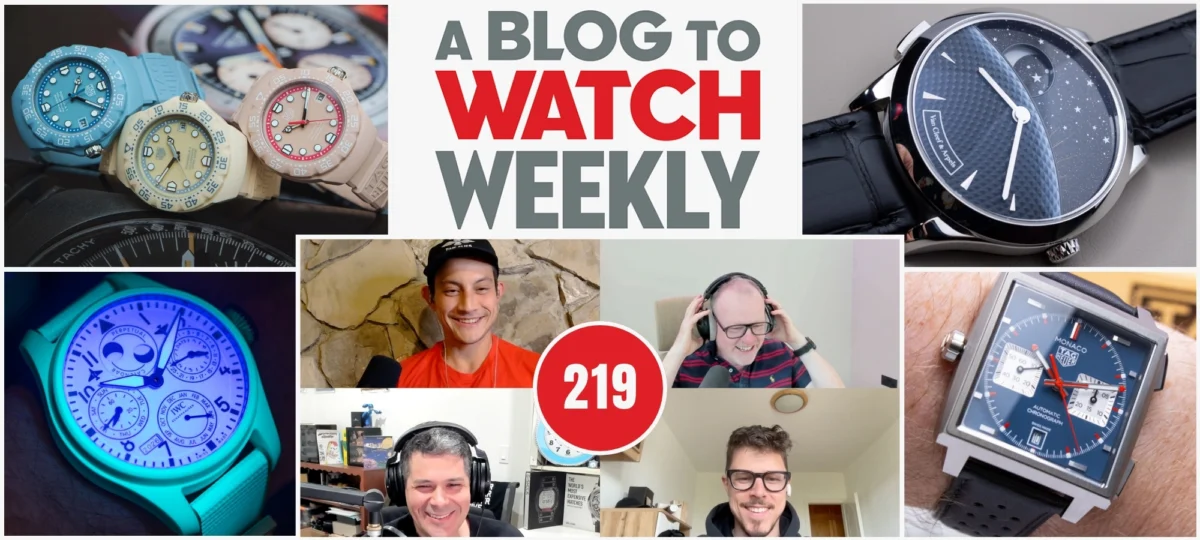
Ariel Adams, founder of aBlogtoWatch, has been a vocal commentator on these industry shifts, particularly following his extensive recaps of major watch events like Watches and Wonders. His observations, shared with his team, highlight a growing concern that brands are struggling to resonate with collectors in this new environment. The traditional pathways to brand loyalty and acquisition, which often involved a deep understanding of watchmaking and a personal connection to a brand’s narrative, appear to be challenged.
"We’re seeing a gap emerge," Adams noted in a recent discussion, "where the marketing messages and the actual product offerings don’t always align with what collectors are looking for, or frankly, what they can realistically afford or justify in the current economic climate. There’s a lot of talk about heritage and innovation, but the pricing often feels detached from the tangible value proposition for many."
This sentiment is echoed by various industry analysts who point to rising retail prices across the board, sometimes outpacing perceived improvements in movement technology or finishing. Data from market research firms specializing in the luxury goods sector indicates a steady increase in average selling prices for luxury watches over the past decade. For instance, reports from Deloitte’s "Global Powers of Luxury Goods" have consistently shown the watch and jewelry segment to be a strong performer, but this growth is increasingly scrutinized for its sustainability, particularly if it alienates a significant portion of its potential customer base.
The TAG Heuer Conundrum: A Case Study in Missed Connections
A particularly striking example that has fueled these discussions involves a seemingly paradoxical situation at the London Marathon. TAG Heuer, a brand with a rich history and significant marketing resources, served as an official sponsor. However, the experience on the ground, as recounted by Rick, a member of the aBlogtoWatch team, painted a picture of an almost invisible presence.
"It was quite baffling," Rick explained. "Here’s a major marathon, a huge public event with tens of thousands of participants and hundreds of thousands of spectators, and a brand like TAG Heuer, which is supposed to be synonymous with timekeeping and sporting events, was remarkably absent. You’d expect prominent branding, maybe interactive displays, or even some kind of presence that truly engages with the runners and the crowd. Instead, it felt like a missed opportunity of colossal proportions. We saw some subtle branding, but nothing that screamed ‘TAG Heuer is here, celebrating this incredible feat of endurance.’"
This anecdote serves as a microcosm of a broader issue: why do some established watch companies, despite substantial investments in sponsorships and marketing, struggle to forge a meaningful connection with their intended audiences? In an era where brand storytelling and authentic engagement are paramount, a disconnect between sponsorship and tangible impact can undermine marketing objectives.
Industry experts suggest that such instances highlight a potential lack of integrated marketing strategies. A sponsorship should ideally be more than just a logo placement; it should be an opportunity to weave the brand’s narrative into the event’s emotional fabric. For TAG Heuer, an event like the London Marathon offers a natural alignment with concepts of precision, endurance, and achievement – themes that could be powerfully communicated through creative activations. The absence of such a robust presence suggests a disconnect between strategic planning and on-the-ground execution, leading to an ineffective use of marketing capital and a failure to capitalize on a prime engagement opportunity.
The Paradox of "Expensive Plastic": A Debate on Value Perception

Adding another layer to the industry’s identity quandary is the ongoing, and often passionate, debate surrounding the perceived value of certain watches, particularly those constructed from materials like high-tech ceramics or advanced polymers. While these materials offer distinct advantages in terms of durability, lightness, and unique aesthetic possibilities, their use in watches priced at luxury levels has become a point of contention for some collectors.
The question arises: when does the material innovation justify the price point, and when does it feel like an unnecessary premium? This debate touches upon the core of what defines luxury in the watch world. Is it solely about the precious metals and intricate mechanical movements, or can advanced materials, combined with sophisticated design and brand prestige, command a similar valuation?
Some argue that brands pushing the boundaries with materials are indeed offering innovation and a distinct product. They point to the research and development costs associated with these materials and the unique properties they impart. However, a vocal segment of the watch community remains skeptical, believing that the intrinsic value of a luxury watch should be more closely tied to traditional horological excellence. This can create a bifurcation in the market, where brands perceived as catering to the "new luxury" consumer may alienate a more traditional base.
Navigating the Maze: From Trade Show Etiquette to Brand Moniker Opinions
Beyond the major strategic issues, the weekly discussions among the aBlogtoWatch team often delve into the more granular, yet equally telling, aspects of the watch world. These include seemingly trivial matters like trade show swag etiquette – the unspoken rules and expectations surrounding promotional gifts at industry events – and the more subjective, yet hotly debated, opinions on specific watch models, such as the iconic TAG Heuer Monaco.
These seemingly minor conversations are, in fact, indicative of a deeper engagement with the culture and nuances of watch collecting. The etiquette around swag, for instance, reflects an understanding of brand perception and the subtle ways in which promotional items can either enhance or detract from a brand’s image. Similarly, impassioned debates over specific watches, like the Monaco, highlight the subjective nature of aesthetic appreciation and the diverse criteria by which collectors evaluate timepieces.
Rick’s personal anecdote about his "invisible" glasses, while lighthearted, can also be metaphorically applied to the broader theme of brand visibility. If a brand’s presence is so subtle that it’s almost unnoticeable, even to those actively looking for it, then its marketing efforts are likely falling short of their intended impact.
The Path Forward: Reconnecting with the Collector
The current identity crisis in the luxury watch industry is not a sign of imminent collapse but rather a call for introspection and adaptation. Brands that have historically thrived on heritage and craftsmanship now find themselves in a marketplace demanding more than just a storied past. They must demonstrate relevance to contemporary consumers, articulate their value proposition clearly, and engage with their audience authentically.
The implications of failing to address these issues are significant. Brands that misjudge their target audience or fail to communicate their value effectively risk losing market share to more agile competitors or emerging brands that better understand the current landscape. Furthermore, a persistent disconnect between branding and consumer perception can erode brand equity over time, making it harder to justify premium pricing and maintain customer loyalty.
The way forward for many luxury watch brands will likely involve a more nuanced approach to marketing and product development. This could include:
- Targeted Marketing: Moving beyond broad-stroke advertising to engage specific collector segments with tailored messaging and experiences.
- Value-Based Pricing: Ensuring that pricing strategies are aligned with tangible product value, material innovation, and historical brand positioning.
- Authentic Storytelling: Emphasizing genuine craftsmanship, heritage, and brand narratives in a way that resonates with modern consumers, rather than relying on generic aspirational tropes.
- Enhanced Consumer Engagement: Creating interactive experiences, both online and offline, that foster a deeper connection between the brand and its community.
- Data-Driven Insights: Leveraging market research and consumer data to better understand evolving preferences and purchasing behaviors.
The discussions on platforms like aBlogtoWatch Weekly serve as a vital barometer for the health and direction of the watch industry. By candidly dissecting these complex issues, from the macro-level identity crisis to the micro-level nuances of brand perception, industry observers and enthusiasts alike are contributing to a crucial dialogue that could shape the future of horology for years to come. The challenge for luxury watch brands is to listen, adapt, and re-establish a clear and compelling connection with the very people who have fueled their success for generations.