





Formula One, once a niche motorsport, has spectacularly accelerated into the global cultural mainstream, transforming its drivers into style icons and its Grand Prix events into high-fashion spectacles. This unprecedented surge in popularity, largely credited to strategic media initiatives like Netflix’s Drive to Survive and recent high-profile cinematic depictions such as Michael Mann’s Ferrari (nominated for an Academy Award for Best Sound), has cultivated an exponentially growing fanbase that spans far beyond traditional motorsport enthusiasts. The fashion industry, ever astute to emerging cultural zeitgeists, has swiftly taken note, forging ambitious partnerships and integrating the high-octane world of F1 into its narrative.
F1’s Ascendant Cultural Influence and Its Impact on Fashion
The journey of Formula One from a sport primarily followed by motorsport aficionados to a global lifestyle phenomenon is a compelling narrative of strategic rebranding and media savvy. Drive to Survive, launched in 2019, offered an unprecedented, behind-the-scenes look at the sport’s drama, rivalries, and personalities, captivating a new generation of viewers, particularly in North America. This docuseries, combined with F1’s enhanced social media presence and the broader appeal of its charismatic drivers, has led to a significant demographic shift in its audience, attracting younger, more diverse, and fashion-conscious individuals. Viewership numbers have climbed steadily, with the 2023 season reportedly drawing over 1.5 billion cumulative viewers globally, underscoring its massive reach. The digital engagement metrics are equally impressive, with F1’s official social media channels boasting hundreds of millions of followers, creating a fertile ground for brand visibility.
This expanded audience has naturally drawn the attention of luxury brands seeking new avenues for engagement. The glamorous, fast-paced, and technologically advanced world of F1 provides a compelling backdrop for fashion, mirroring its own pursuit of innovation, precision, and aspirational luxury. The circuit, with its international stops in iconic cities from Monaco to Singapore, offers a ready-made global stage for designers to showcase their collections and connect with a discerning, affluent demographic. The sport’s inherent drama and high stakes resonate with the emotional narratives often woven into high fashion.
Drivers: From Athletes to Style Icons
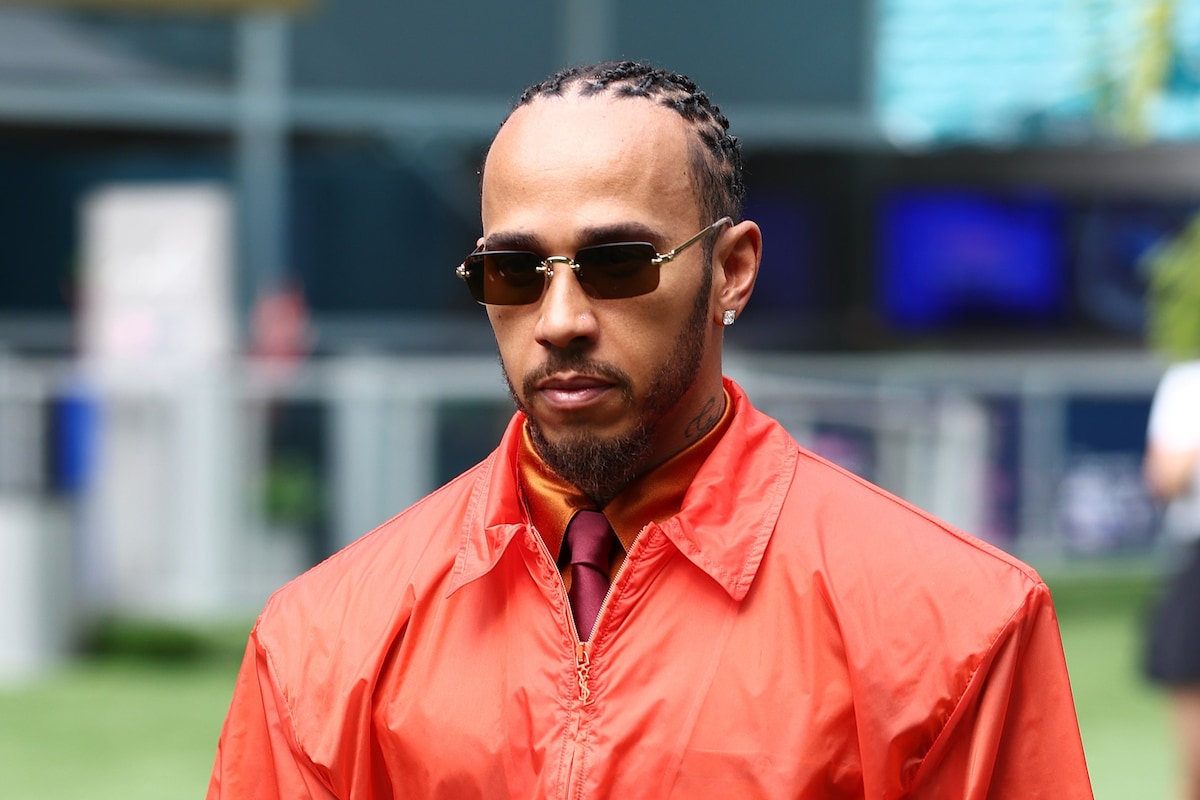
At the forefront of this fashion-F1 convergence are the drivers themselves, who have transcended their athletic roles to become bona fide style arbiters. While seven-time world champion Lewis Hamilton has long been a trailblazer, consistently pushing the boundaries of personal style and gracing front rows at major fashion weeks, a new generation of talent is rapidly following in his tire tracks. Hamilton’s influence has been instrumental in normalizing the presence of F1 drivers in high-fashion circles, making sartorial statements a crucial part of his public persona.
Earlier this year, the spotlight at Demna’s highly anticipated Gucci debut in Milan fell not only on the avant-garde collection but also on 19-year-old Mercedes junior driver Kimi Antonelli. His presence front row, alongside cultural figures like EsDeeKid and Nadia Lee Cohen, signaled a clear shift. Antonelli’s appearance was not merely a celebrity endorsement but a statement about the increasing relevance of young F1 drivers within the elite fashion ecosystem. These emerging talents, with their global fan bases and inherent charisma, are becoming increasingly sought-after by brands looking to tap into a youthful and dynamic market. Their ability to blend performance-driven aesthetics with high-fashion sensibilities positions them as ideal ambassadors for this burgeoning cross-industry trend, representing a fresh, aspirational image for luxury houses.
The Grand Prix as a Global Fashion Showcase
The Grand Prix calendar itself has evolved into a rolling fashion showcase, with each race offering unique opportunities for brands to integrate their identities with the distinct character of the host city. This bespoke approach elevates the entire experience, transforming a sporting event into a multifaceted cultural spectacle that blends athleticism, entertainment, and luxury.
For the upcoming 2026 season, Louis Vuitton has committed to customising 24 bespoke trunks, one for each Grand Prix. These meticulously crafted cases, designed to house the coveted championship trophies, are envisioned to reflect the unique cultural identity and heritage of each host city. A spokesperson for Louis Vuitton, in an inferred statement, might emphasize that "these trunks are not just containers; they are a celebration of local identity and the spirit of competition, embodying the Maison’s dedication to exceptional craftsmanship and global cultural dialogue." This initiative underscores Louis Vuitton’s long-standing relationship with prestigious sporting events, having previously crafted bespoke trophy cases for the FIFA World Cup, the Rugby World Cup, and the America’s Cup, further cementing the brand’s association with excellence and global reach. The customisation adds a layer of cultural depth, transforming each trophy presentation into a moment of local pride and global luxury.
Beyond luxury accessories, team kits are also undergoing a high-fashion makeover, demonstrating a move beyond purely functional design. Back in March, the collaborative powerhouse Y-3, the lovechild of Yohji Yamamoto and adidas Originals, unveiled its new Mercedes-AMG Petronas F1 Team kit at the Japanese Grand Prix. This collection, blending Y-3’s avant-garde sportswear aesthetic with Mercedes’ racing pedigree, showcased a seamless integration of performance engineering and high-design. The partnership saw performance apparel infused with distinctive design elements, such as graphic prints and oversized silhouettes, reflecting Yamamoto’s signature style. An inferred statement from a Mercedes team representative might highlight how "this partnership with Y-3 allows us to push the boundaries of design and functionality, creating a kit that not only performs on track but also resonates with our fans’ contemporary style and our team’s forward-thinking ethos."
The trend extends to eyewear and lifestyle accessories, as seen with Gentle Monster and Disney linking up with F1 to launch a new collection of eyewear. These collaborations demonstrate the breadth of fashion’s embrace of F1, moving beyond apparel to encompass a full range of lifestyle products designed to appeal to the motorsport’s diverse fanbase, offering tangible ways for fans to engage with the F1 brand in their daily lives.
Miami Grand Prix: A Microcosm of the Fashion-F1 Fusion
The Miami Grand Prix, in particular, has rapidly established itself as a vibrant nexus for the fashion and entertainment worlds, epitomizing the high-octane glamour of the sport’s new era. Held in a city synonymous with style, celebrity, and vibrant culture, the event serves as a prime example of how fashion is stepping up a notch with every race, transforming the trackside into a red carpet.
Ahead of this past weekend’s race, the track was already buzzing with fashion activity. Rising music talent Manon, formerly of the acclaimed K-pop group Katseye, was spotted being driven around by Cadillac driver Sergio "Checo" Pérez, all while sporting Tommy Hilfiger. Her stylish presence and sartorial choices, coupled with teasing a potential collaboration with Ray-Ban, highlight the increasing role of music and social media influencers in amplifying the fashion narratives around F1. These strategic appearances generate significant buzz, reaching millions of followers across various platforms and further intertwining the worlds of music, fashion, and motorsport in a highly visible manner.
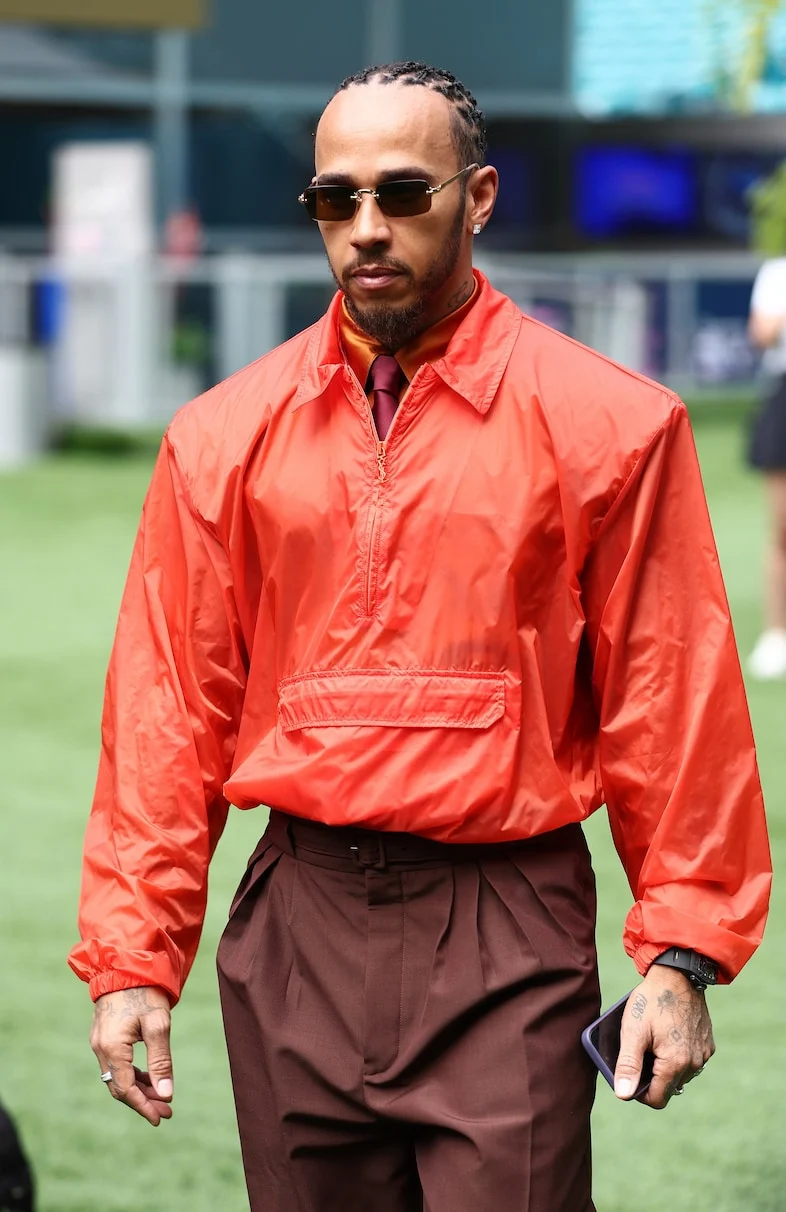
Lewis Hamilton, a consistent trendsetter, continued his sartorial reign, stepping out in new season Saint Laurent, fresh off the runway. His outfits at each Grand Prix are meticulously documented and widely discussed by fashion commentators and fans alike, solidifying his status as a fashion icon whose choices influence trends both on and off the track. His partnership with brands like Saint Laurent demonstrates the reciprocal relationship: Hamilton brings unparalleled visibility and credibility, and the brands provide him with a platform for personal expression and access to the latest, often exclusive, collections.
Further underscoring the fashion industry’s deepening commitment, a new partnership between Italian luxury menswear brand Brioni and the Formula One team Alpine was announced. Brioni, known for its exquisite tailoring and sophisticated aesthetic, will likely provide the team with formal and casual wear, blending their heritage of craftsmanship with Alpine’s modern, performance-driven image. An inferred statement from Brioni’s creative director might articulate that "this collaboration represents a fusion of precision, elegance, and dynamic performance, aligning our brand values with the relentless pursuit of excellence embodied by Formula One. It allows us to dress champions both on and off the grid." This union brings a touch of classic Italian luxury to the high-tech world of F1, reflecting the growing demand for sophisticated sportswear.
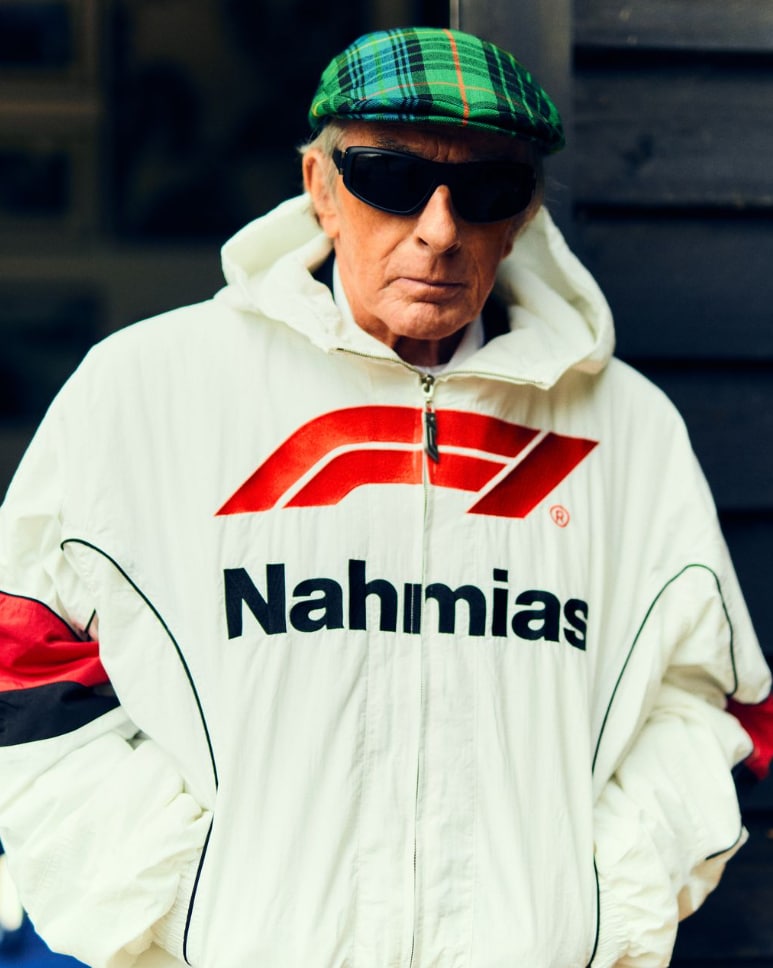
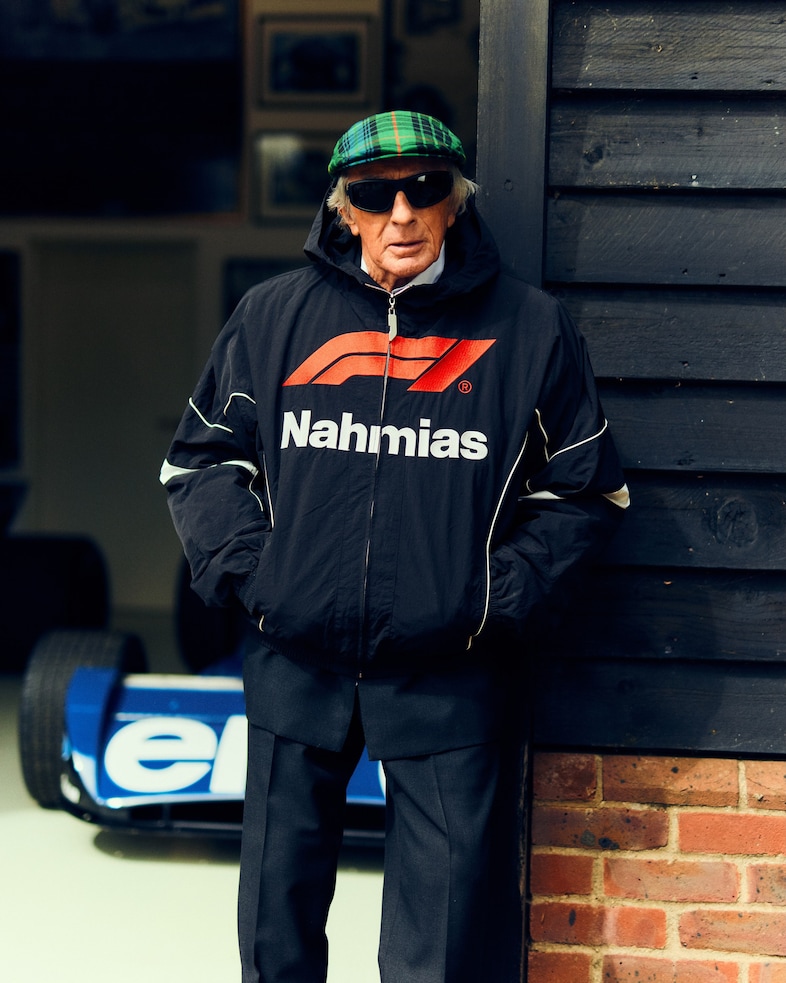
Perhaps one of the most intriguing collaborations to emerge from the Miami circuit was the official F1 partnership with Nahmias. The LA-based skate brand, celebrated for its viral Marty Supreme jacket and its distinct blend of Californian skate culture and luxury streetwear, has officially pivoted from the skate park to the speedway. Founder and creative director Doni Nahmias unveiled an exclusive F1 collaboration, made available both online and through an immersive pop-up experience on race day. The campaign, fronted by motorsport legend Sir Jackie Stewart, symbolically bridges generations and subcultures, connecting the sport’s storied past with its vibrant, youth-driven present. Doni Nahmias, in an inferred statement, might express his excitement: "Bringing our unique aesthetic and streetwise sensibility to the thrilling world of Formula One is an incredible opportunity to connect with a diverse global audience and showcase the universal appeal of speed and style, transcending traditional fashion boundaries." Given the cult success of similar limited-edition releases, such as the A24 collection, this Nahmias x F1 collaboration was undoubtedly a highly sought-after drop, illustrating the commercial potency of these cross-industry ventures and the effectiveness of limited-edition activations.
Broader Fashion Landscape: Beyond the Track
While Formula One dominates the conversation around fashion’s new frontiers, the broader industry continues to evolve with significant developments spanning cinema, music, and global retail.
Cinematic Returns and Fashion Commentary
The cultural impact of fashion in cinema received a significant update with The Devil Wears Prada 2 officially hitting cinemas. The sequel, much like its predecessor, delves into the cutthroat world of high fashion, offering both entertainment and critical commentary. Dazed’s review, noting its "depressingly accurate" portrayal, suggests the film continues to resonate with contemporary industry realities, touching upon themes of AI, billionaires, and the prevalence of trends like Ozempic in elite circles. This highly anticipated release reignites conversations about fashion’s often-unflattering reflections of societal pressures, power dynamics, and the relentless pursuit of youth and perfection. The original film became a cultural touchstone for understanding the fashion industry, and its sequel is poised to continue that legacy, adapting to modern challenges and opportunities.
Looking ahead, the anticipation for the Met Gala remains perennial, a highlight in the global fashion calendar. Dazed editors offered their curated picks for the Met Gala 2026, envisioning how the theme "Fashion is Art" could be interpreted on the iconic steps. This annual event, a pinnacle of fashion’s intersection with art and celebrity, continues to inspire creative speculation and sets the tone for future sartorial explorations, influencing trends and sparking global discussions about creativity and expression.
Music and Luxury Collaborations
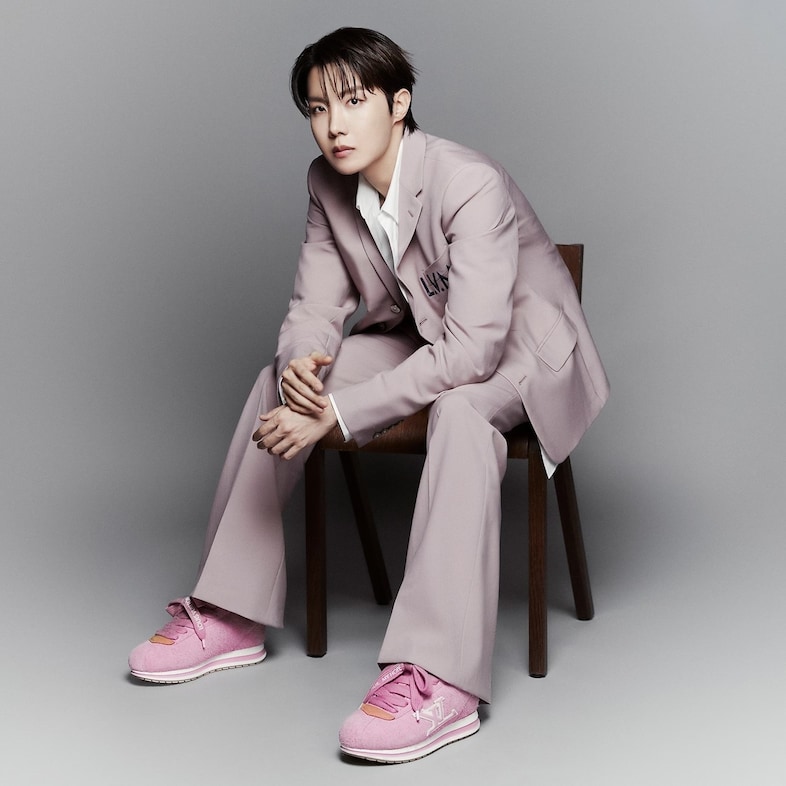
The synergy between music and luxury fashion continues to flourish, exemplified by Louis Vuitton’s latest collaboration with South Korean rapper j-hope of BTS fame. The French heritage house teamed up with j-hope on the new "Buttersoft" trainers. These distinctive shoes, with their vibrant bubblegum pink shade, draw inspiration from the early 2000s aesthetic, reflecting a broader nostalgia trend in fashion. Originally designed for j-hope himself to wear on tour, their public release allows fans to partake in a piece of celebrity-inspired luxury. An inferred statement from Louis Vuitton might highlight how "this collaboration with j-hope celebrates the vibrant energy of contemporary music culture, blending our artisanal heritage with a fresh, youthful spirit that resonates with a global audience." The immediate availability of these trainers underscores the brand’s agility in responding to consumer demand and leveraging global music phenomena to drive engagement and sales.
Meanwhile, an exclusive interview with pop icon Kylie Minogue shed light on her recent work with designer Jonathan Anderson. Such collaborations are crucial for both artists and designers, offering fresh perspectives and cross-promotional opportunities. Minogue’s insights into working with Anderson provide a glimpse into the creative processes that shape high-profile fashion campaigns and artistic ventures, demonstrating how enduring cultural figures continue to shape contemporary fashion narratives.
Sportswear and Lifestyle Innovations
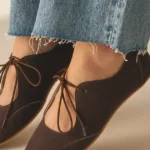
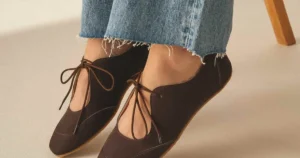
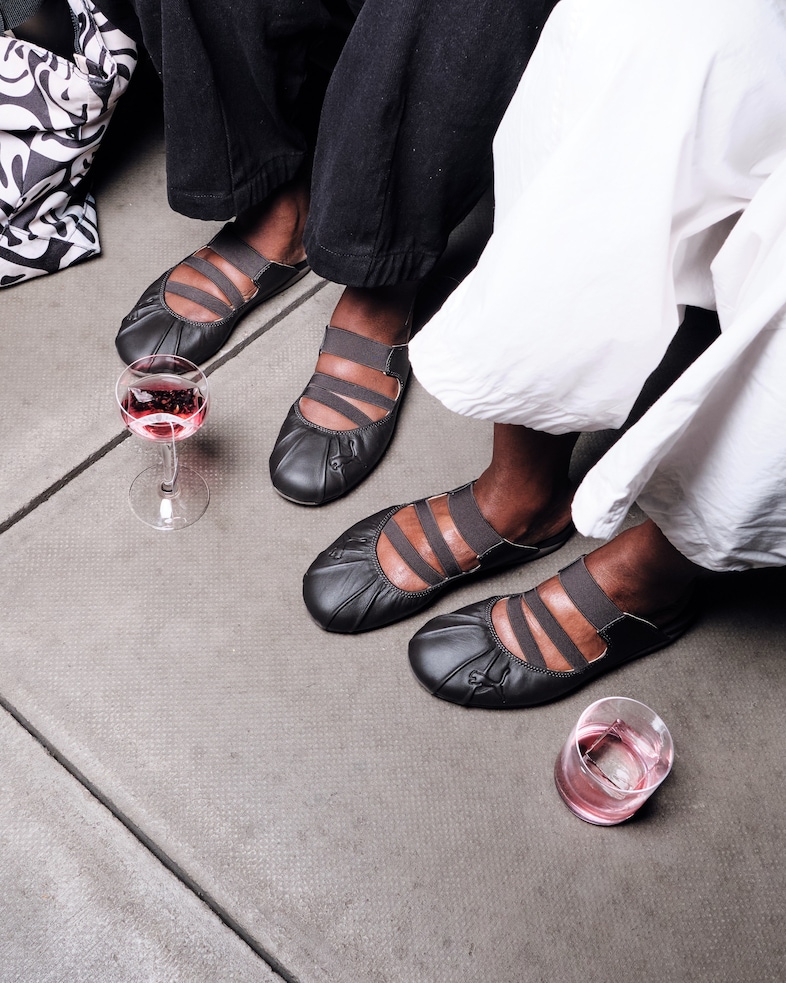
Sportswear giant PUMA hosted an intimate afternoon tea event yesterday evening (April 30) to celebrate the launch of its new "Speedcat Mule." This innovative footwear piece signals a significant trend shift, as the article notes that if last year was dominated by the ballet flat, this summer is poised to embrace the "ballet-mule." The event itself, blending traditional elegance with modern sportswear, reflects PUMA’s strategic positioning of the Speedcat Mule as a versatile, fashionable item for the upcoming summer season. The mule’s design, likely inspired by the classic Speedcat racing shoe but reinterpreted for casual wear, exemplifies the ongoing fusion of athletic heritage with contemporary comfort and style, appealing to consumers seeking both ease and elegance.
In a groundbreaking move that further blurrs the lines between sports, music, and fashion, pop sensation Olivia Rodrigo has stepped into the realm of football kit design. Following Travis Scott’s successful collaboration with FC Barcelona last year, Rodrigo was tasked with designing the kits for the legendary Spanish football club for their upcoming El Clásico match against Real Madrid. This highly anticipated game, one of the most intense rivalries in Spanish football, will feature Rodrigo’s artistic vision on the pitch. This initiative, facilitated by Spotify, FC Barcelona’s main sponsor, highlights a growing trend of leveraging global music stars to connect with wider audiences and inject fresh cultural relevance into traditional sports. An inferred statement from Spotify or FC Barcelona might emphasize that "partnering with artists like Olivia Rodrigo allows us to bridge the worlds of music and sport, creating unique fan experiences and celebrating the power of cultural crossovers that resonate with a global, youth-centric audience."
Global Retail Expansion
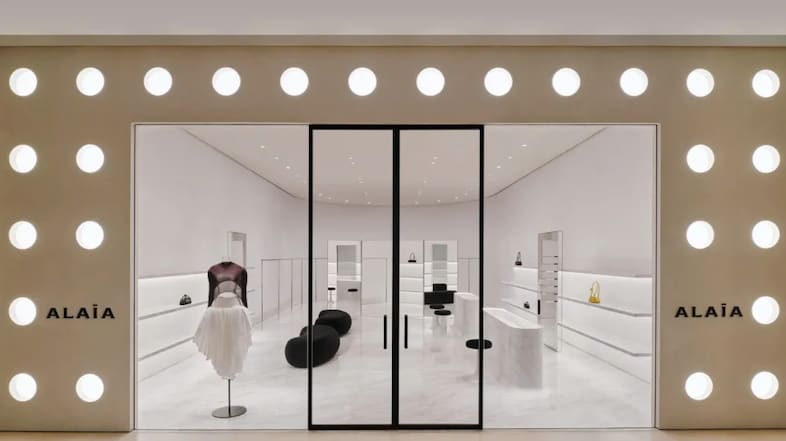
In the luxury retail sector, Alaïa continues its strategic global expansion with the opening of its latest boutique in Bangkok, marking its first presence in Thailand. This move underscores the brand’s commitment to reaching new international markets and strengthening its global footprint, particularly in Southeast Asia’s burgeoning luxury market. The opening occurs amid speculation regarding the succession of Pieter Mulier as the brand’s creative director, whose departure was recently announced. While the search for a new artistic vision continues, the expansion into key emerging luxury markets demonstrates Alaïa’s robust business strategy and enduring appeal to a discerning global clientele. The new boutique will offer a curated selection of Alaïa’s distinctive collections, introducing the brand’s unique blend of sculptural design and timeless elegance to the Thai market, further establishing its presence in the region.
Implications and Future Outlook
The current landscape of fashion reveals a dynamic and increasingly interconnected industry, where traditional boundaries are dissolving. The meteoric rise of Formula One as a fashion platform, the strategic collaborations between luxury houses and music icons, and the innovative crossovers in sportswear and entertainment all point towards a future where brand visibility and cultural relevance are paramount. These trends underscore a broader shift towards experiential marketing and the creation of lifestyle ecosystems that resonate deeply with diverse consumer demographics, offering immersive and authentic brand engagements.
The integration of fashion into sports, entertainment, and digital culture offers unprecedented commercial opportunities and avenues for brand building. As industries continue to converge, we can expect more unexpected and impactful collaborations, transforming how consumers engage with both products and cultural narratives. The emphasis on bespoke experiences, celebrity endorsements, and limited-edition drops will likely intensify, driven by a consumer base eager for authentic connections and