


Brazil’s vibrant fashion landscape has definitively entered a new, ambitious chapter with the triumphant return of Rio Fashion Week (RIOFW) in Spring 2026, signalling the iconic city’s resolute commitment to re-establish its formidable presence on the global sartorial stage. This latest iteration of the event, meticulously staged at the historic Pier Mauá, transcends mere runway presentations, consciously reframing the dialogue around Brazilian fashion to resonate with the complex financial, political, and cultural dynamics of the contemporary moment. Far from a nostalgic revival of its predecessor, Fashion Rio, which concluded its run in 2014, RIOFW 2026 emerges as a meticulously curated platform designed to propel Brazilian creativity into the future, blending deep-rooted heritage with avant-garde experimentation.
A New Dawn for Brazilian Fashion: Setting the Stage
The hiatus following the cessation of Fashion Rio in 2014 left a palpable void in Brazil’s fashion calendar, particularly for a city as culturally rich and aesthetically influential as Rio de Janeiro. While São Paulo Fashion Week (SPFW) continued to champion Brazilian design, Rio’s unique blend of tropical allure, vibrant street culture, and sophisticated urbanity required its own distinct spotlight. The decision to resurrect Rio Fashion Week in 2026 was not merely an act of remembrance but a strategic repositioning, reflecting a national resolve to harness creative industries for economic growth and cultural projection. The intervening years have seen significant shifts in both global fashion consumption and Brazil’s own economic trajectory, making the timing of RIOFW’s return particularly pertinent. After periods of economic fluctuation and political recalibration, Brazil is actively seeking to diversify its global image beyond natural resources and tourism, leveraging its immense creative capital. The fashion industry, with its capacity for job creation, value addition, and cultural soft power, is identified as a critical sector for this renewed national ambition.
Chronology of a Resurgence: From Hiatus to High Fashion
The journey to RIOFW 2026 has been one of careful planning and strategic foresight. Fashion Rio, which flourished for over a decade, provided a crucial platform for designers but eventually succumbed to a combination of economic challenges, dwindling sponsorship, and a shifting media landscape that favored more agile, digitally-focused presentations. Its last edition in 2014 marked the end of an era, prompting a period of reflection within the Brazilian fashion community. Over the past decade, various independent initiatives and smaller showcases attempted to fill the void, but none achieved the institutional scale and international recognition of a full-fledged fashion week.
The conceptualization of RIOFW 2026 began several years prior, driven by a consortium of public and private stakeholders determined to craft an event that addressed past shortcomings and embraced future possibilities. The choice of Pier Mauá, a revitalized port area that has become a cultural and artistic hub, was deliberate. This historic waterfront district, once neglected, now symbolizes Rio’s urban renewal and its embrace of modernity while respecting its past. Its industrial-chic aesthetic and ample spaces proved ideal for hosting a multi-faceted event that goes beyond the traditional catwalk. The Spring 2026 timing, often a critical period for showcasing transitional collections and setting trends, further underscored the ambition to reintegrate Rio into the global fashion conversation with forward-looking propositions. This revival is not just about clothes; it’s about a nation’s renewed confidence and its assertion of cultural agency on a global scale.
A Holistic Platform: Beyond the Runway
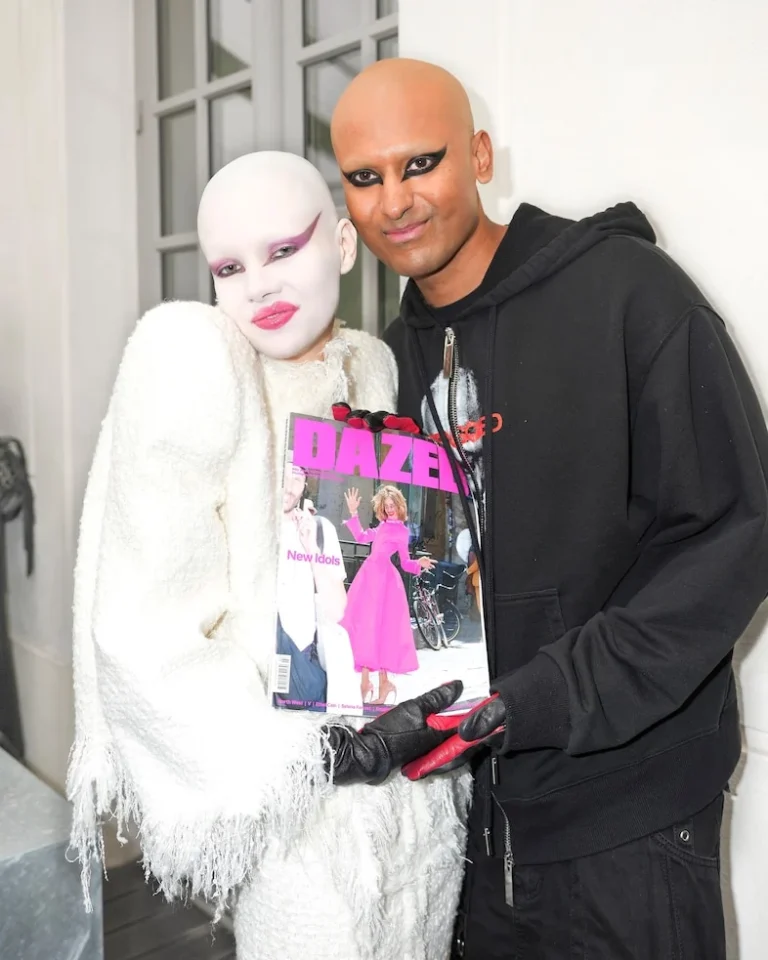
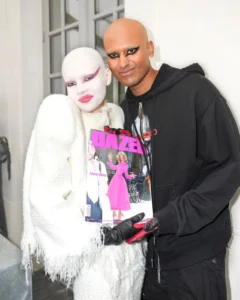
RIOFW 2026 distinguished itself through a comprehensive agenda that seamlessly merged high-stakes runway shows with enriching cultural programming and incisive business sessions. This holistic approach recognized that modern fashion weeks must serve as dynamic ecosystems, fostering creativity, commerce, and intellectual exchange. The event brought together a diverse array of voices, including international luminaries like Imruh Asha, the influential fashion and image director at Dazed. Asha’s participation in discussions unpacking the intricate intersections between fashion and contemporary culture provided invaluable global perspectives, encouraging local designers and industry professionals to think beyond conventional boundaries and engage with broader societal trends.
The cultural programming component included exhibitions, workshops, and immersive installations that celebrated Brazilian artistry across various disciplines, from visual arts to music and dance. These elements aimed to contextualize the fashion presentations within Brazil’s rich cultural tapestry, offering attendees a deeper understanding of the inspirations behind the collections. Concurrently, the business sessions provided critical forums for dialogue on topics such as sustainable production, ethical sourcing, intellectual property, and market access. International buyers, investors, and media representatives engaged with local designers and manufacturers, facilitating networking opportunities crucial for global expansion. This multi-pronged strategy positioned RIOFW not just as a showcase for garments but as a vital incubator for innovation and economic development within the creative economy. The explicit goal, as articulated by event organizers, was to "map a contemporary Brazilian identity shaped by both heritage and forward-thinking design," thereby "reaffirming the country’s growing influence in fashion" by demonstrating its capacity for innovation, commercial viability, and cultural leadership.
Brazil’s Fashion Footprint: Data and Industry Landscape
Brazil boasts one of the world’s largest textile and apparel industries, a significant economic engine that employs millions and contributes substantially to the national GDP. According to recent economic data, the Brazilian fashion sector represents a substantial market, with domestic consumption driving much of its growth. The country’s rich biodiversity offers unique opportunities for sustainable material innovation, while its diverse population provides a vast and varied consumer base. Brazil is also a major producer of cotton, leather, and other raw materials, giving its fashion industry a competitive edge in terms of supply chain integration.
However, despite its scale, the industry has historically faced challenges in consistently translating its domestic prowess into robust international recognition beyond a few niche segments like swimwear and resort wear. The return of RIOFW is a concerted effort to overcome this, providing a sophisticated platform that elevates the perception of Brazilian design to a luxury and high-fashion standard. The potential economic implications are significant: increased international exposure can lead to greater export volumes, attract foreign direct investment, and stimulate job creation across the entire value chain, from textile production to retail and marketing. Furthermore, major events like RIOFW generate substantial tourism revenue, drawing international visitors and media, thus boosting the local economy beyond the fashion sector itself. The event serves as a powerful instrument of national branding, projecting an image of a dynamic, creative, and culturally rich Brazil onto the global stage.
Spotlight on Innovation: RIOFW 2026’s Standout Collections
The runways of RIOFW 2026 showcased a compelling blend of artistic vision and commercial acumen, with four designers, in particular, capturing the essence of this new era for Brazilian fashion.
MISCI: Tropical Escapism and the Eternal Carnival
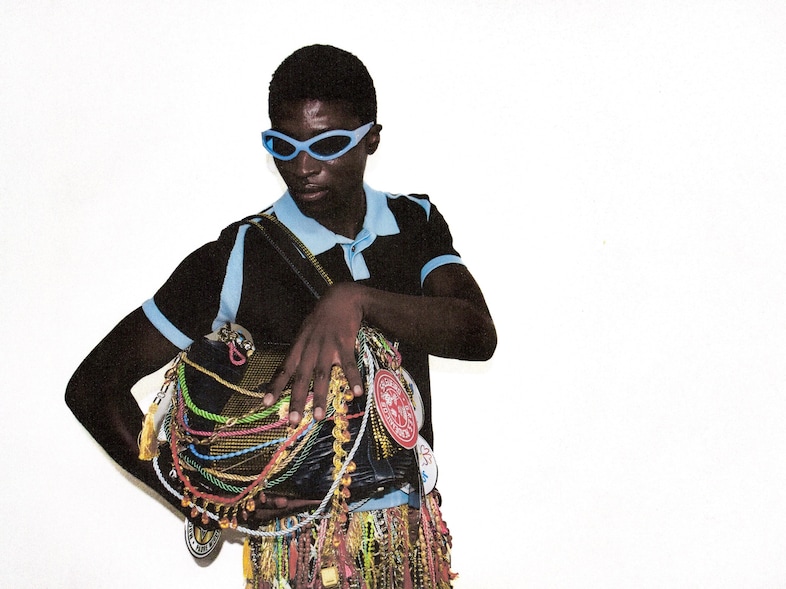
MISCI, under the creative direction of Airon Martin, delivered a collection titled "Tropical Escapism" that transformed the iconic Marquês de Sapucaí into an immersive celebration where the spirit of Carnival seemingly never ended. Martin posed the intriguing question: "what would happen if Carnival never ended?" and answered it with a collection that was a riot of color, movement, and unbridled joy. The live soundtrack provided by the thunderous drum section of Beija-Flor de Nilópolis, one of Rio’s most revered samba schools, infused the entire presentation with an electrifying sense of rhythm and kinetic energy. Models moved with an infectious exuberance, embodying the very essence of samba.
The collection delved deep into Brazil’s cultural lexicon, drawing references from the intricate artistry of traditional samba schools—evident in the elaborate embellishments and vibrant color palettes—to the sun-drenched, free-spirited aesthetic of legendary 1970s icon Gal Costa. This historical grounding was seamlessly interwoven with contemporary flair. Jewellery by Alan Crocetti punctuated the looks, adding another layer of visual interest and enhancing the interplay between the adorned body and its perpetual motion. Crocetti’s often organic, fluid designs complemented MISCI’s vision, creating a dialogue between hard and soft, structure and freedom. The garments themselves played with contrasts: some pieces were exquisitely fluid, draping around the body with effortless grace, while others featured more structured, architectural elements. Yet, even in their most defined forms, the silhouettes never felt rigid; they maintained a sense of dynamic flow, mirroring the continuous movement of dance and celebration. The result was a collection as alive and effervescent as the city from which it drew its profound inspiration, a testament to Rio’s enduring power as a muse.
LUCAS LEÃO: The Art of Slowing Down and Reimagining Luxury
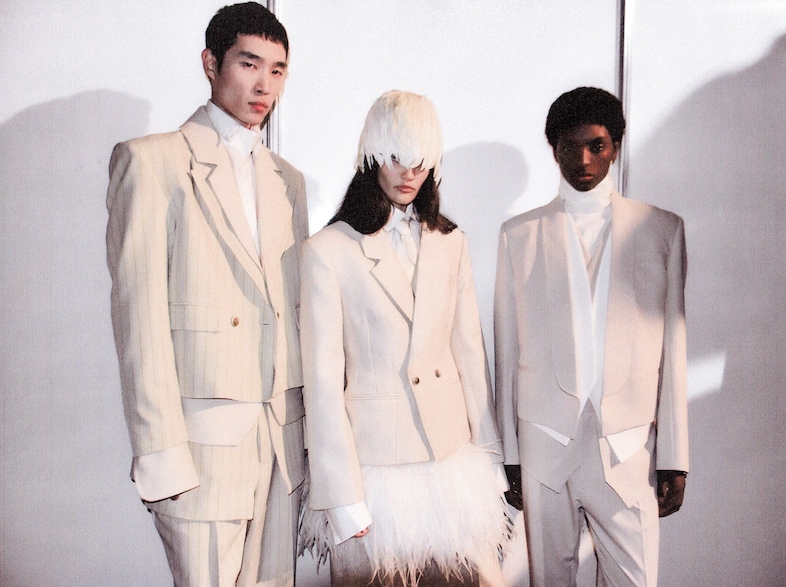
In an industry increasingly driven by the relentless pace of digital consumption, Lucas Leão offered a refreshing counter-narrative, advocating for a deliberate slowing down of fashion. His collection at RIOFW 2026 eschewed mere spectacle in favor of a profound exploration of "the lost rituals of getting dressed." Leão’s vision was a tangible antidote to the algorithm-led desire that dominates much of contemporary fashion, proposing garments born from thoughtfulness and designed for longevity.
The collection centered on tailoring, a craft that once formed the bedrock of Rio’s cultural and social life. Leão approached it with a gaze that was distinctly romantic rather than merely nostalgic, reinterpreting classic forms with a nuanced modernity. His suits and separates spoke of an understated elegance, emphasizing impeccable cut and fabrication. Even as he embraced modern techniques like laser-cut textures and 3D-printed details, the underlying ethos remained consistent: a reverence for process and material. These contemporary elements were integrated with such subtlety that they enhanced, rather than detracted from, the collection’s timeless appeal. The juxtaposition of past and future, tradition and innovation, sat comfortably and compellingly close, suggesting a new paradigm for Brazilian luxury. Leão’s work proposed that true luxury in an age of endless scrolling might lie in the considered choice, the tactile experience, and the enduring quality of garments that invite a deeper, more personal engagement. His collection was a quiet but powerful statement on reclaiming intentionality in fashion.
KAROLINE VITTO: Championing Inclusivity and the Brazilian Body
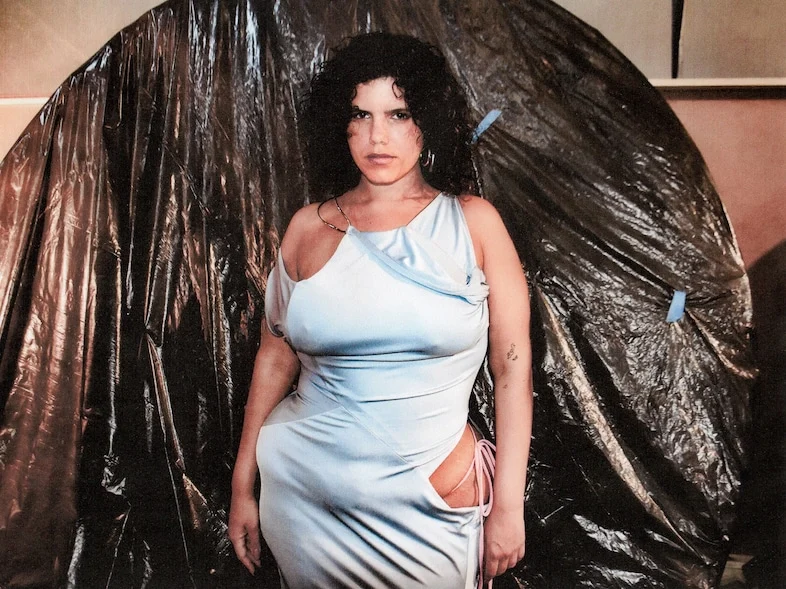
Karoline Vitto’s presence at RIOFW 2026 marked a significant homecoming for the Brazilian designer, whose work, initially honed at London’s prestigious Royal College of Art, has consistently championed bodies that mainstream fashion often overlooks. Following her impactful show at London Fashion Week, Vitto returned to her home country with an unwavering commitment to challenging conventional beauty standards. Her collection was a bold declaration, refusing to conceal or minimize the bodies of her curve models. Instead, she celebrated them through prominently placed cut-outs, strategic slashes, and daring low-rise lines that embraced and accentuated the natural form.
Vitto’s designs are characterized by their confident sensuality and their subversive approach to exposing skin, transforming perceived imperfections into points of strength and allure. This unapologetic celebration of diverse body types resonates deeply within Brazil, a nation known for its body positivity and vibrant, diverse population. Her decision to increasingly base her production in Brazil and focus on the Brazilian market, operating between made-to-order and ready-to-wear, reflects a strategic and culturally resonant shift. This move not only strengthens the local industry but also allows her to more directly engage with her target audience. Whether this marks a permanent homecoming or a strategic expansion, Vitto has undeniably brought the crucial global conversation about who fashion is actually for directly into the heart of Brazilian design, proving that inclusive design is not a niche but a powerful, universal language.
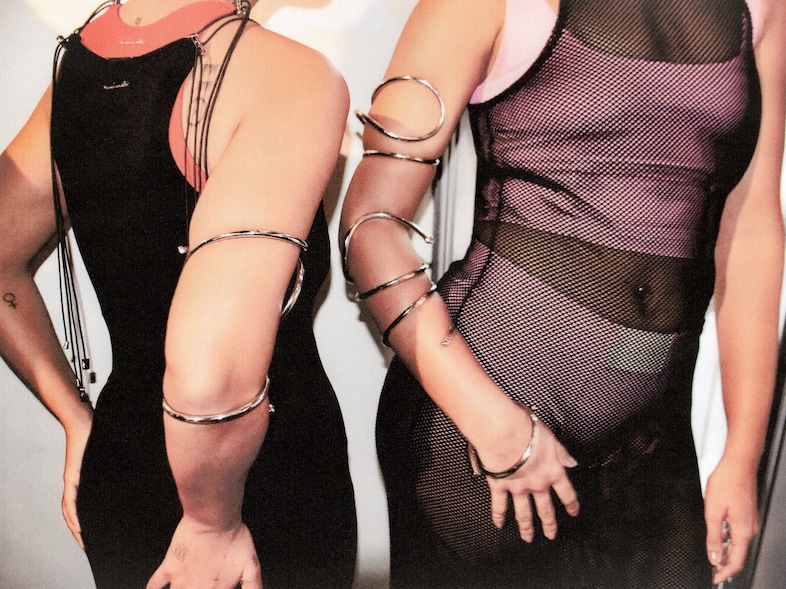
DENDEZEIRO: Ballroom Culture Meets Brazilian Rhythms
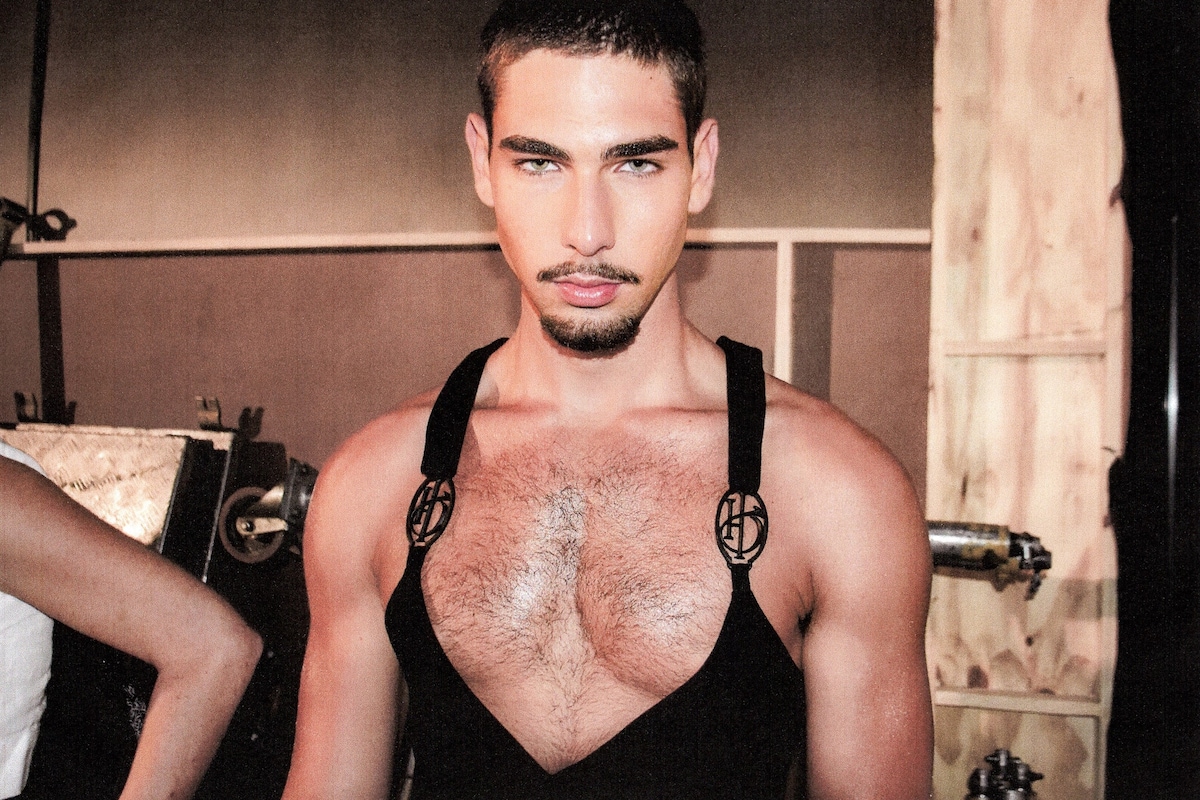
DENDEZEIRO, the collaborative vision of designers Hisan Silva and Pedro Batalha, delivered one of RIOFW 2026’s most electrifying presentations, daringly pulling the art of ballroom culture out of its traditional conclaves and fusing it with the dynamic energy of Brazilian fashion. The collection was a masterclass in attitude, performance, and precision, imbued with the unmistakable spirit of the ballroom scene. However, Silva and Batalha masterfully reinterpreted these codes through the lens of local Brazilian rhythms, particularly the infectious beats of funk and the soulful exuberance of pagode baiano.
The catwalk pulsated with close-cut silhouettes that often appeared "barely there," crafted from daring materials like latex and leather, which collectively turned up the heat and amplified the collection’s inherent sensuality. Despite the overt sexiness and theatricality, DENDEZEIRO never tipped into caricature. Each look felt authentic and intentional, a genuine homage rather than a superficial appropriation. The fusion was seamless, demonstrating a deep understanding of both cultures. The show reached its crescendo with international supermodel Alton Mason closing the presentation, a symbolic gesture that underscored the collection’s global appeal and its ability to bridge diverse cultural expressions. Mason’s commanding presence further solidified that DENDEZEIRO’s collection was not merely referencing ballroom culture but actively partaking in its spirit of self-expression, confidence, and radical visibility, making a powerful statement about identity and performance in contemporary Brazil.
Broader Impact and Future Outlook
The resounding success of Rio Fashion Week 2026 represents more than just a series of acclaimed runway shows; it marks a significant turning point for Brazil’s fashion industry. The event has successfully re-established Rio de Janeiro as a pivotal hub for creativity and commerce, positioning it firmly on the global fashion map. The carefully curated blend of local talent and international expertise, coupled with a holistic approach to cultural and business programming, has laid a robust foundation for future editions.
The implications are far-reaching. By showcasing a diverse range of designers who are confidently exploring Brazilian identity through both heritage and innovative design, RIOFW contributes significantly to the ongoing global dialogue about sustainability, inclusivity, and cultural authenticity in fashion. The event’s emphasis on craft, experimentation, and unique narrative provides a compelling alternative to the often homogenous trends dictated by established fashion capitals. It fosters a stronger sense of national pride and offers tangible opportunities for economic growth, attracting international buyers, investors, and media attention. This renewed platform will undoubtedly stimulate local production, create jobs, and foster the development of emerging talent. RIOFW 2026 is a powerful statement of Brazil’s cultural dynamism and its unwavering commitment to asserting its unique voice and vision in the ever-evolving world of fashion. The stage is set for a vibrant future where Rio continues to inspire and innovate.