











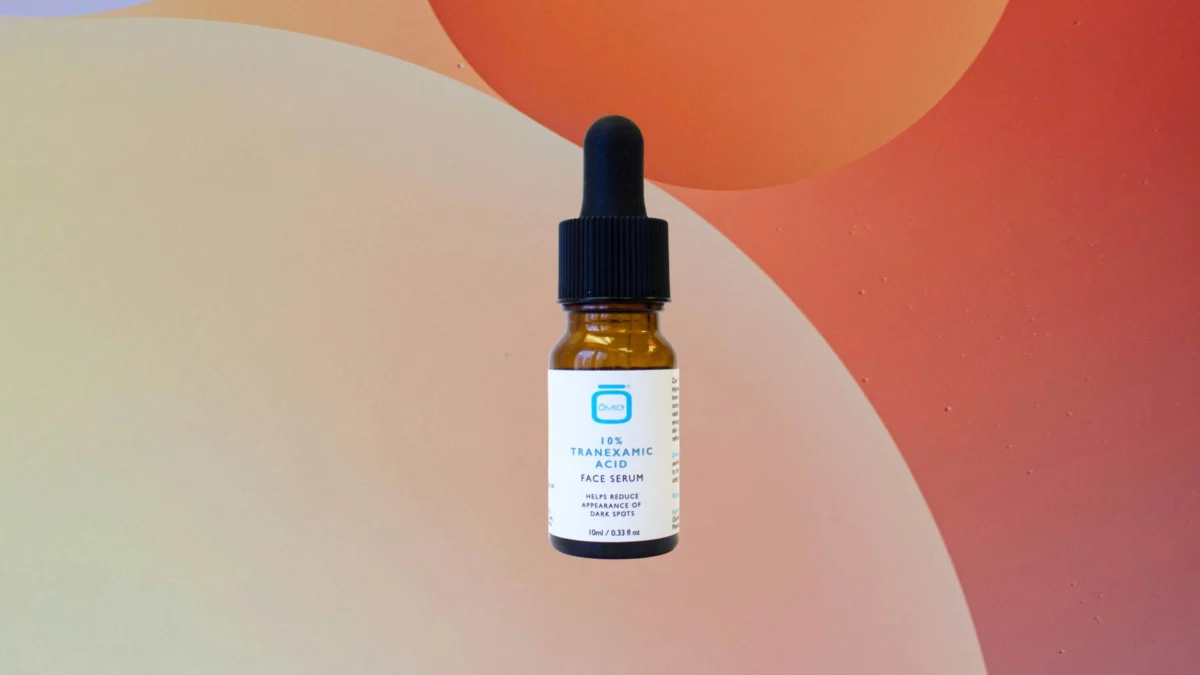
The quest for effective yet gentle skincare solutions continues to drive innovation in the beauty industry, with consumers increasingly seeking ingredients that deliver tangible results without compromising skin health. In this landscape, Omic+ Skincare’s 10% Tranexamic Acid Face Serum has recently garnered attention as a promising alternative for individuals experiencing issues with traditional brightening agents, particularly vitamin C. This development stems from a growing consumer awareness of ingredient sensitivities and a demand for scientifically-backed formulations.
The Rise of Tranexamic Acid in Dermatological Treatments
Tranexamic acid, a synthetic derivative of the amino acid lysine, has a long-standing history in the medical field. Its primary application has been in medicine to control or prevent excessive bleeding. It functions by inhibiting the breakdown of blood clots, a process mediated by the plasminogen/plasmin system. This mechanism is crucial in various surgical and medical scenarios where managing hemorrhage is paramount. For instance, in obstetrics, it has been used to reduce postpartum bleeding, and in trauma care, it can be administered to limit blood loss. Data from clinical studies in these areas have consistently demonstrated its efficacy in reducing bleeding time and volume, solidifying its place as a valuable therapeutic agent. A meta-analysis published in The Lancet in 2010, for example, reviewed multiple trials and concluded that tranexamic acid significantly reduces the risk of death in patients with life-threatening bleeding.
The transition of tranexamic acid from the operating room to the dermatologist’s office represents a significant shift in its application, driven by a deeper understanding of its biochemical pathways. Dermatologists observed that its ability to interfere with the plasminogen/plasmin system also had implications for melanin production in the skin. Melanin, the pigment responsible for skin, hair, and eye color, is produced by specialized cells called melanocytes. The production of melanin is a complex process that can be triggered or exacerbated by various factors, including UV radiation, inflammation, and hormonal changes, leading to hyperpigmentation in the form of dark spots, melasma, and post-inflammatory erythema.
Unpacking the Mechanism: How Tranexamic Acid Targets Hyperpigmentation
In the realm of skincare, tranexamic acid operates through a distinct mechanism. As explained by dermatological experts, it inhibits melanin synthesis by interfering with the plasminogen/plasmin pathway. Specifically, it blocks the interaction between melanocytes and keratinocytes, the cells that provide structural support to the skin. This interaction is a critical step in the transfer of melanosomes (packages of melanin) from melanocytes to keratinocytes, which ultimately results in visible pigmentation on the skin’s surface. By disrupting this communication, tranexamic acid effectively slows down the overproduction and transfer of melanin, leading to a reduction in the appearance of dark spots and uneven skin tone.
This scientific understanding has fueled the development of topical formulations. While vitamin C has long been a popular choice for its antioxidant and brightening properties, its inherent instability and potential to cause irritation, especially in higher concentrations, has left a segment of the population seeking alternatives. The introduction of tranexamic acid in topical serums offers a more targeted approach to hyperpigmentation, particularly for those with sensitive skin who experience redness and discomfort with other active ingredients.
A Personal Journey Towards a Gentler Solution
The impetus for exploring alternatives to vitamin C often arises from personal experiences with skin sensitivity. Many individuals report a similar narrative: an initial enthusiasm for vitamin C’s purported benefits—namely, skin brightening and the fading of dark spots—followed by the unwelcome onset of redness, stinging, and irritation. This reaction can be attributed to vitamin C’s acidic nature and its propensity to oxidize, which can compromise its efficacy and potentially irritate the skin barrier.
The decision to discontinue vitamin C "cold turkey," as described by one user, is a common reaction when a product causes persistent discomfort. The subsequent search for a replacement necessitates identifying ingredients that offer similar benefits—brightening, evening skin tone, and reducing hyperpigmentation—but without the associated inflammatory side effects. This search has led many to explore the burgeoning category of tranexamic acid-based skincare.
Omic+ Skincare’s 10% Tranexamic Acid Face Serum: A Detailed Examination
The Omic+ Skincare 10% Tranexamic Acid Face Serum has emerged as a notable contender in this space. Its formulation centers around a 10% concentration of tranexamic acid, a level that is considered effective for addressing hyperpigmentation while remaining generally well-tolerated by most skin types.
Beyond the star ingredient, the serum is enhanced with a blend of hydrating components. Glycerin and hyaluronic acid are included to bolster the skin’s moisture barrier and provide essential hydration. Glycerin is a humectant, meaning it draws water into the skin, while hyaluronic acid is a powerful hydrator capable of holding many times its weight in water. This combination ensures that the serum not only targets pigmentation but also supports overall skin health and resilience, which is particularly important when using active ingredients that can potentially lead to dryness.
The textural properties of the serum are also a key consideration for users. Its described "super lightweight" nature suggests that it absorbs quickly into the skin without leaving a greasy residue. This makes it an ideal candidate for layering within a comprehensive skincare routine. It is formulated to be compatible with subsequent steps, including moisturizers and sunscreens, which are critical for managing hyperpigmentation and protecting the skin from further damage. The advice to use it solo before other products or to dilute it by adding drops to moisturizer offers flexibility, catering to different skin needs and preferences.
The Crucial Role of Sun Protection
It is imperative to highlight the emphasis placed on sunscreen use when incorporating tranexamic acid treatments. Hyperpigmentation is often exacerbated by sun exposure, and active ingredients that target pigmentation can make the skin more susceptible to UV damage if not adequately protected. Therefore, consistent and diligent application of broad-spectrum sunscreen is not merely a recommendation but a fundamental requirement for maximizing the benefits of tranexamic acid and preventing the recurrence or worsening of dark spots. Dermatologists universally stress the importance of SPF 30 or higher daily, regardless of weather conditions.
The Broader Implications and Market Trends
The emergence of products like the Omic+ Skincare 10% Tranexamic Acid Face Serum reflects a larger trend in the skincare industry: the increasing demand for targeted treatments that are also gentle and suitable for sensitive skin. Consumers are becoming more informed about ingredient functionalities and potential side effects, leading them to seek out scientifically validated solutions.
The inclusion of Omic+ Skincare’s serum in the April Allure Beauty Box further amplifies its visibility and accessibility. Beauty subscription boxes play a significant role in introducing consumers to new products and brands, allowing for trial and discovery. This strategic placement can significantly influence consumer purchasing decisions and brand recognition.
The success of tranexamic acid in topical formulations is likely to encourage further research and development into its therapeutic applications in dermatology. As more data emerges from clinical trials and real-world usage, its role in treating a wider spectrum of pigmentary disorders may expand. Furthermore, the industry may see a proliferation of similar products from other brands, driven by consumer demand and the proven efficacy of this ingredient.
Data-Driven Insights and Consumer Preferences
Market research consistently indicates a growing consumer interest in ingredients that address specific concerns like hyperpigmentation. A report by Grand View Research in 2023 projected the global skincare market to reach USD 189.09 billion by 2030, with a significant portion attributed to anti-aging and skin-brightening products. Within this segment, ingredients with proven efficacy and minimal side effects are highly sought after.
Consumer surveys conducted by beauty industry analysts often reveal that irritation is a primary reason for discontinuing skincare products. This sentiment underscores the importance of formulations that prioritize both efficacy and tolerability. The popularity of ingredients like niacinamide, azelaic acid, and now tranexamic acid can be attributed to their ability to deliver visible results while being generally well-tolerated by sensitive skin types.
Future Outlook and Scientific Validation
The continued exploration of tranexamic acid in skincare is supported by a growing body of scientific literature. Studies published in peer-reviewed dermatological journals have provided robust evidence of its efficacy in reducing melasma, post-inflammatory hyperpigmentation, and other forms of dyschromia. For example, a study published in the Journal of the American Academy of Dermatology in 2015 found that topical tranexamic acid was effective in improving melasma and was well-tolerated by patients.
As the understanding of skin physiology and ingredient interactions deepens, the development of innovative skincare solutions will continue. The journey from a medical treatment for bleeding to a sought-after ingredient for radiant skin highlights the dynamic and interdisciplinary nature of dermatological advancements. The Omic+ Skincare 10% Tranexamic Acid Face Serum stands as a testament to this evolution, offering a promising avenue for individuals seeking to address hyperpigmentation without the drawbacks of more sensitizing ingredients. The ongoing dialogue between scientific research, clinical practice, and consumer demand will undoubtedly shape the future of effective and gentle skincare.