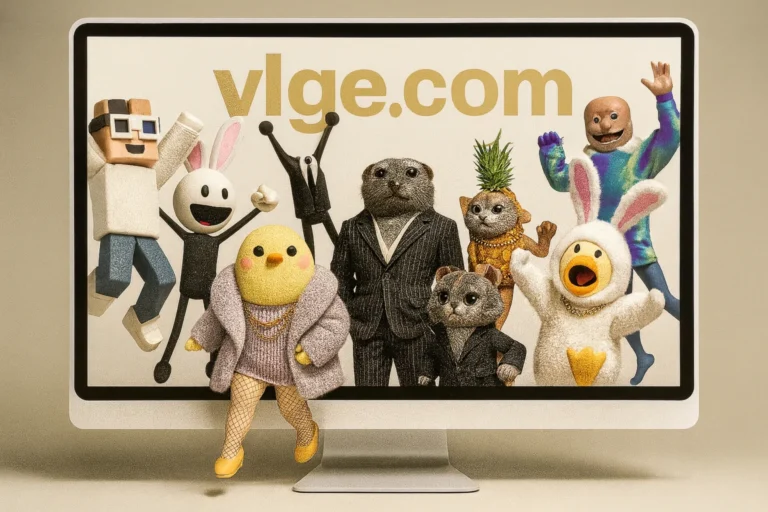









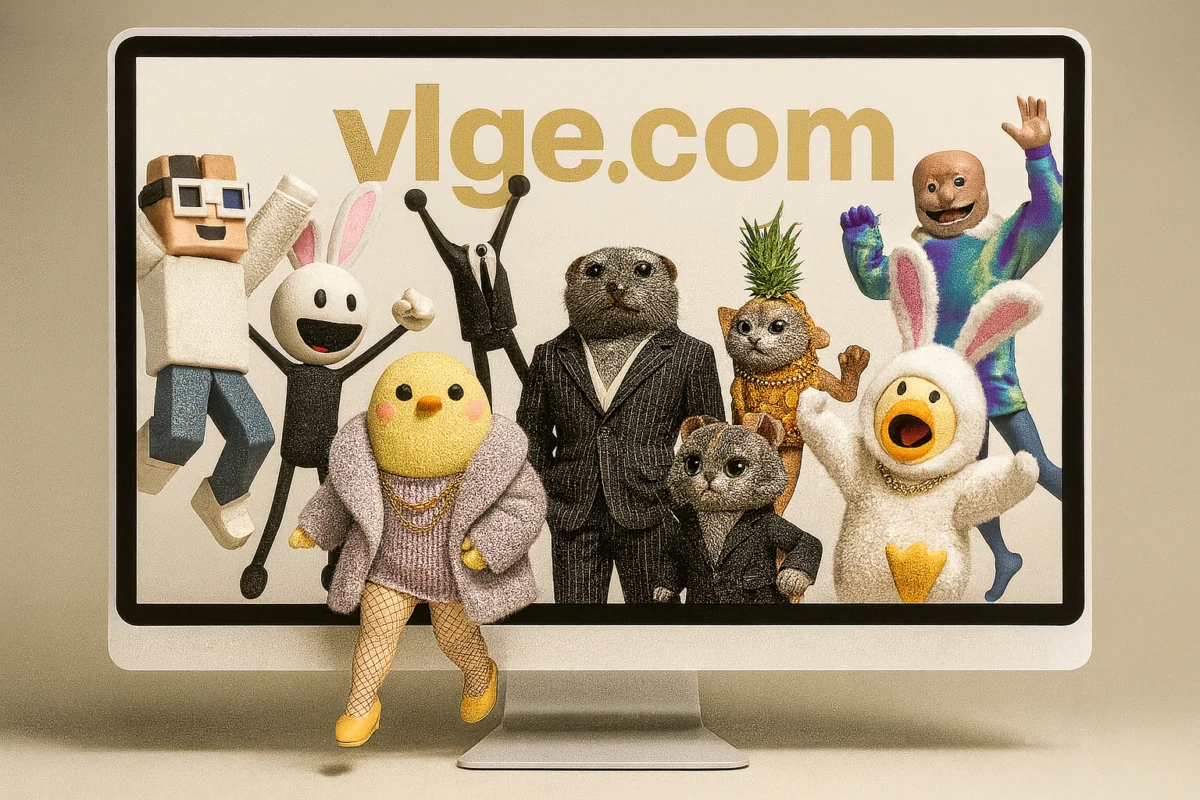
The global fashion industry is currently undergoing a structural transformation, driven by a shift in consumer demographics and an increasing demand for sustainable practices. At the center of this evolution is Evelyn Mora, a tech entrepreneur whose latest venture, VLGE, is redefining how brands interact with the next generation of consumers. Originally conceived as a solution to the environmental inefficiencies of traditional high-fashion events, VLGE has emerged as a sophisticated gaming and immersive-world-building platform. By allowing brands to construct interactive digital environments that are instantly exportable to major gaming ecosystems like Roblox, Mora is positioning VLGE as the essential infrastructure for the future of "gamified commerce."
The Genesis of VLGE: From Sustainability to Digital Innovation
Evelyn Mora’s journey into the intersection of fashion and technology began with a critical observation of the industry’s ecological footprint. In her early career, Mora noted a profound disconnect: while many designers were deeply committed to sustainable materials and ethical labor, the logistical reality of staging large-scale, international fashion shows remained inherently destructive to the environment. The carbon emissions associated with global travel, the waste generated by temporary physical installations, and the ephemeral nature of a fifteen-minute runway show presented a paradox for an industry claiming to move toward a greener future.
In 2021, Mora launched VLGE to address these systemic issues. The platform was designed not merely as a digital alternative to physical shows, but as a comprehensive tool for brand storytelling. VLGE enables fashion houses to build their own proprietary "worlds"—digital spaces filled with interactive content, mini-games, and virtual showrooms. This shift from passive observation (watching a runway) to active participation (playing a brand-themed game) represents a fundamental change in marketing strategy, moving away from traditional film campaigns and toward immersive experiences that resonate with Gen Z and Gen Alpha.
Technical Infrastructure and the Democratization of the Metaverse
One of the primary barriers for brands entering the "metaverse" or gaming space has historically been the high cost and technical complexity of development. For a major brand to establish a presence on a platform like Roblox, they typically must hire specialized creative agencies. Industry data suggests that the cost for such bespoke builds can range from $10,000 to over $100,000, depending on the complexity of the assets and the level of interactivity. Furthermore, these projects often require months of development time and a deep understanding of platform-specific coding languages, such as Roblox’s Luau.
VLGE addresses these friction points by providing a "no-code" or "low-code" environment. According to Mora, the platform allows users to build across browsers and export to Roblox in real time. This interoperability is a cornerstone of VLGE’s value proposition. By removing the need for substantive technical backgrounds, VLGE allows creative directors and marketing teams to take direct control of their digital narratives.
"Roblox has become fashion’s most powerful youth frontier, yet until now, world-building there has been costly, technical, and complex," Mora stated. "We make it instant, affordable, scalable, and interoperable, bridging the gap between e-commerce, gaming, and cultural creation."
Beyond Roblox, VLGE is expanding its technical compatibility. The platform is currently compatible with Unreal Engine—the high-fidelity graphics engine used in AAA gaming titles—and is actively developing compatibility for Meta’s Horizon Worlds. This multi-platform approach ensures that brands are not "locked in" to a single ecosystem, but can instead maintain a persistent digital identity across the various corners of the internet.
Strategic Funding and Industry Validation
The market’s confidence in Mora’s vision is reflected in VLGE’s successful capital raises. To date, the company has secured a total of $5 million in funding. The investor profile is particularly telling, representing a blend of traditional industrial wealth, beauty industry giants, and institutional fashion bodies. Key investors include Lammot J. du Pont of the du Pont family, whose backing suggests a long-term view of the platform as foundational infrastructure.
Perhaps more significantly, the L’Oréal Group and the British Fashion Council have also participated in funding rounds. L’Oréal’s involvement highlights the beauty industry’s recognition that virtual makeup and digital self-expression are becoming as lucrative as their physical counterparts. Meanwhile, the British Fashion Council’s support signals that the highest levels of the fashion establishment view VLGE as a legitimate evolution of the industry’s traditional structures.

The platform’s client list further validates its utility. Prestige brands such as Lancôme, Charlotte Tilbury, and Vogue Scandinavia have already utilized VLGE to create immersive experiences. These collaborations have moved beyond experimental "one-offs" and into integrated marketing strategies that seek to capture the attention of a demographic that spends more time in digital social spaces than on traditional social media feeds.
World Fashion Week: A New Paradigm for Digital Events
The recent announcement regarding World Fashion Week marks a significant milestone in VLGE’s growth trajectory. As an initiative of VLGE, World Fashion Week is set to feature 50 fashion brands launching their own shoppable worlds simultaneously. This activation is designed to act as a bridge, allowing creators and brands to launch shoppable games on platforms like Roblox with unprecedented ease.
This event is not just a showcase of digital clothing; it is a demonstration of the platform’s scalability. By hosting 50 brands at once, VLGE is proving that its infrastructure can handle high-volume, real-time building and deployment. This "large-scale activation" serves as a proof of concept for the future of the fashion calendar. Rather than flying to Paris, Milan, or New York, consumers will be able to enter these shoppable worlds from their own devices, interacting with the brand and purchasing items in a gamified environment.
The Economics of Gamified Commerce
VLGE’s business model is built on accessibility and scalability, offering four distinct payment tiers:
- Freemium: Allowing independent creators to experiment with basic world-building tools.
- Creator Tier: Tailored for professional digital designers and influencers.
- Small Business Tier: Providing tools for emerging brands to establish a digital footprint.
- Enterprise Tier: Custom solutions for global conglomerates requiring high-level support and advanced features.
This tiered approach is intended to democratize access to the digital economy, ensuring that it is not only the multi-billion-dollar luxury houses that can afford to engage with Gen Z in their preferred environments.
Looking forward, Mora is banking on the total convergence of gaming and e-commerce. VLGE has announced plans to launch an "e-tail" store that will merge the physical and digital realms. This store will sell physical items from emerging brands alongside 3D digital assets. These assets can be exported directly into Roblox, allowing users to outfit their avatars in the same styles they wear in the physical world. This "phygital" approach addresses a growing market of consumers who view their digital identity as being as important as their physical appearance.
Industry Implications and Future Outlook
The implications of VLGE’s success reach far beyond the fashion industry. By creating a bridge between e-commerce and gaming, Mora is providing a blueprint for the next generation of retail. The traditional e-commerce model—a grid of static images and a "buy" button—is increasingly viewed as outdated by younger demographics who crave interaction, community, and entertainment.
From a data perspective, the move into gamified worlds offers brands unprecedented insights into consumer behavior. In a 3D environment, brands can track how users navigate a space, which items they interact with the most, and how they socialize with other users. This level of engagement provides a much richer data set than traditional web analytics, allowing for more personalized and effective marketing.
However, the transition to immersive commerce is not without its challenges. Issues of digital property rights, interoperability standards between different gaming engines, and the environmental impact of high-powered server maintenance remain topics of industry-wide debate. Nevertheless, by focusing on "instant, affordable, and scalable" solutions, VLGE is addressing the most immediate hurdles for brands.
As Evelyn Mora noted, "This moment isn’t just about fashion; it’s about the infrastructure that will power the next generation of commerce for the new generation." As World Fashion Week approaches, the eyes of the tech and fashion worlds will be on VLGE to see if this gamified model can truly replace the traditional runway and become the new standard for global retail. With $5 million in backing and the support of some of the world’s most influential fashion entities, VLGE is well-positioned to lead this charge into the digital frontier.