










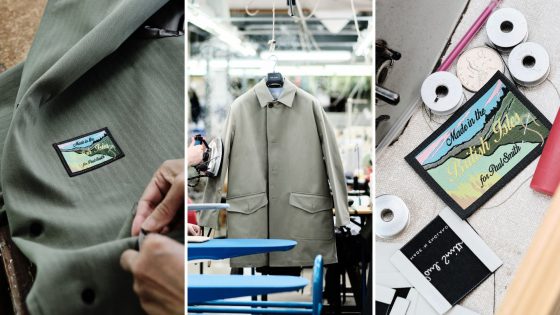
British fashion and lifestyle powerhouse Paul Smith has officially launched a highly anticipated heritage-inspired capsule collection, with all products meticulously crafted across the United Kingdom. Announced on April 24, 2026, the "Made in British Isles" collection represents a significant commitment by the iconic brand to local manufacturing, traditional craftsmanship, and a celebration of domestic artistry. This strategic move is poised to resonate deeply with consumers increasingly valuing provenance, sustainability, and the unique story behind their purchases, while also injecting vital support into the UK’s textile and manufacturing sectors.
A Return to Roots: Paul Smith’s Enduring Philosophy
The launch of the "Made in British Isles" collection is not merely a seasonal release but a profound statement echoing Paul Smith’s foundational ethos. Since establishing his first shop in Nottingham in 1970, Sir Paul Smith has been synonymous with a distinctive blend of classic British tailoring, playful eccentricity, and an unwavering commitment to quality. His global empire, spanning menswear, womenswear, accessories, and homeware, has always subtly championed British sensibilities, but this new collection brings that dedication to the forefront.
Sir Paul Smith himself has often spoken of the importance of craftsmanship and the integrity of a well-made product. This collection, therefore, can be seen as a natural evolution of his long-held values, translating them into a tangible series of garments and accessories that tell a story of regional expertise. In a recent press statement, Sir Paul remarked, "This collection is a deeply personal project, a homage to the incredible skill and heritage of artisans across the British Isles. It’s about celebrating the craftsmanship that has always been the backbone of our creative industries and ensuring these skills endure for generations to come." This sentiment underscores a broader industry trend towards conscious consumerism and a re-evaluation of global supply chains.
The Genesis of "Made in British Isles": A Chronology
The development of the "Made in British Isles" collection has been a multi-year endeavour, reflecting the complexity of sourcing and manufacturing across diverse regions.
- Early 2023: Initial discussions within Paul Smith’s design and production teams began exploring the feasibility of a fully UK-produced capsule. This was partly driven by increasing consumer demand for transparent supply chains and the growing appreciation for ‘Made in Britain’ labels post-pandemic.
- Late 2023 – Mid 2024: Extensive research and outreach commenced, identifying potential manufacturing partners across England, Scotland, Wales, and Northern Ireland. This phase involved site visits to traditional mills, artisan workshops, and specialized factories, assessing their capabilities, ethical standards, and alignment with Paul Smith’s quality benchmarks.
- Late 2024: Design concepts were finalized, meticulously integrating Paul Smith’s signature aesthetic with the specific crafts and materials available from the selected British manufacturers. The focus was on creating pieces that felt authentically Paul Smith yet distinctly rooted in British heritage.
- Early 2025: Prototype development and rigorous quality control testing began. This iterative process ensured that each item met the brand’s exacting standards while honouring the techniques of its makers.
- Late 2025: Production commenced across various locations, ranging from established textile factories to small, family-run workshops, each specializing in a particular craft.
- April 24, 2026: The official launch of the "Made in British Isles" collection, accompanied by a comprehensive digital campaign highlighting the artisans and regions involved.
This chronological approach highlights the strategic and thoughtful investment made by Paul Smith, moving beyond superficial branding to embed genuine domestic production at its core.
Unpacking the Collection: Craftsmanship and Regional Identity
The "Made in British Isles" collection features a diverse range of products, each a testament to the specialized skills found within the UK. While specific items are being revealed progressively, early indications suggest a rich tapestry of British manufacturing excellence:
- Scottish Knitwear: Utilising heritage mills in Scotland, known globally for their cashmere and lambswool, the collection includes exquisitely soft jumpers and cardigans. These pieces often feature traditional Fair Isle or cable-knit patterns reinterpreted with Paul Smith’s characteristic colour palette and contemporary fit.
- English Tailoring: Drawing on London’s historic Savile Row traditions and other skilled workshops in the North of England, the collection offers impeccably cut blazers, trousers, and trench coats. These garments emphasize precision, structure, and the use of high-quality British wools and tweeds.
- Welsh Woollens and Blankets: Inspired by Wales’ long history of wool production, the collection might include unique accessories like scarves, throws, or even elements within outerwear, showcasing distinctive weaving patterns and rich textures.
- Irish Linens: Leveraging Northern Ireland’s renowned linen heritage, lighter garments or shirting could feature, highlighting the breathability and subtle elegance of Irish flax.
- Leather Goods from the Midlands: The UK Midlands has a strong legacy in leather manufacturing. The collection incorporates finely crafted leather accessories, such as belts, wallets, and small bags, demonstrating expert tanning and finishing techniques.
- Ceramics and Homeware Accents: Reflecting the broader lifestyle aspect of the Paul Smith brand, limited-edition ceramic items, possibly from Stoke-on-Trent, or other artisan homeware pieces, are anticipated, celebrating British design and utility.
Each product carries subtle markers of its origin, a QR code for example, that links customers to the story of its creation and the craftspeople involved, enhancing transparency and connection.
Economic Impact and Supporting Data
The decision by a brand of Paul Smith’s stature to commit to UK manufacturing carries significant economic implications. The fashion and textile manufacturing sector in the UK has faced considerable challenges over the past few decades, including intense global competition and the decline of traditional industries. However, recent trends show a resurgence, particularly in high-value, luxury, and niche markets.
According to a 2024 report by the UK Fashion & Textile Association (UKFT), the broader fashion and textile industry contributes approximately £35 billion annually to the UK economy and employs over 600,000 people. While manufacturing represents a smaller portion of this, initiatives like Paul Smith’s are crucial. Recent analyses suggest that consumer demand for "Made in Britain" products has seen a 15% increase year-on-year since 2020, driven by desires for quality, sustainability, and supporting local economies.
Dr. Eleanor Vance, an economic analyst specializing in luxury goods at the London School of Economics, commented on the development: "Paul Smith’s move is a significant endorsement of British manufacturing. It not only creates direct jobs within the factories and workshops but also stimulates ancillary industries – from yarn suppliers to logistics. Furthermore, it adds substantial value to the ‘Made in Britain’ brand on the global stage, attracting further investment and promoting the UK’s capabilities in high-end production."
By decentralizing production across the British Isles, Paul Smith is contributing to regional economic development, often in areas that have historically been centres of textile and manufacturing expertise. This includes preserving traditional skills that might otherwise be lost, fostering apprenticeship programs, and injecting capital into local communities.
Official Responses and Industry Reception
The launch has garnered positive attention from various stakeholders:
Paul Smith Leadership:
"Beyond the aesthetic, this initiative is a strategic commitment to strengthening our domestic supply chain, reducing our environmental footprint, and contributing to local economies," stated James Smith, CEO of Paul Smith. "It aligns perfectly with our long-term vision for sustainable growth and authentic brand storytelling."
Manufacturing Partners:
Representatives from the various manufacturing partners have expressed enthusiasm. "Working with Paul Smith on this collection has been a privilege," said Fiona MacLeod, Managing Director of a Scottish knitwear mill. "It allows us to showcase the meticulous detail and dedication that goes into truly ‘Made in Britain’ products on a global platform, securing jobs and investing in new machinery."
Government and Trade Bodies:
The UK government and various trade organizations have welcomed the announcement. A spokesperson for the Department for Business and Trade commented, "This initiative by Paul Smith exemplifies the kind of investment and commitment to domestic manufacturing that we actively encourage. It highlights the quality and innovation inherent in British production and strengthens our position as a global leader in creative industries." Adam Mansell, CEO of the UKFT, added, "Paul Smith is a beacon of British fashion, and this collection sends a powerful message about the viability and value of manufacturing here in the UK. We hope this inspires other brands to explore similar collaborations."
Broader Impact and Implications
The "Made in British Isles" collection by Paul Smith carries multifaceted implications for the brand, the fashion industry, and consumer behaviour.
Brand Positioning: For Paul Smith, this collection reinforces its authenticity and British identity in an increasingly crowded global luxury market. It differentiates the brand by offering a tangible narrative of provenance and quality, appealing to discerning customers who seek more than just a label. This strategic pivot could also attract a new segment of ethical and sustainability-conscious consumers.
Sustainability and Ethics: Localized production inherently offers significant environmental benefits. Reduced shipping distances for raw materials and finished goods translate into a smaller carbon footprint compared to complex international supply chains. Furthermore, manufacturing within the UK generally ensures adherence to robust labour laws and environmental regulations, promoting ethical production practices and transparency. This aligns with a growing industry push towards responsible manufacturing.
Consumer Trends: The collection taps into several powerful consumer trends:
- Provenance: A desire to know where products come from and how they are made.
- Quality & Durability: An investment in well-made, long-lasting items rather than fast fashion.
- Support Local: A conscious choice to support domestic economies and craftsmanship.
- Storytelling: A connection to the narrative and heritage embedded in a product.
Future of British Manufacturing: Paul Smith’s commitment could serve as a powerful exemplar, encouraging other established and emerging brands to invest in British manufacturing. This could lead to a revitalization of skills, infrastructure, and innovation within the UK textile and fashion industries, potentially creating a virtuous cycle of growth and expertise. It highlights that while challenges exist, high-quality, specialized production remains a competitive advantage for the UK.
In conclusion, Paul Smith’s "Made in British Isles" collection is more than just a new line of clothing; it is a strategic declaration. It underscores a powerful blend of heritage, craftsmanship, and forward-thinking business practices, poised to deliver both commercial success for the brand and a significant boost to the UK’s domestic manufacturing landscape. As the fashion industry continues to evolve, this initiative sets a benchmark for how established brands can effectively integrate local production, ethical considerations, and compelling storytelling into their core identity.