








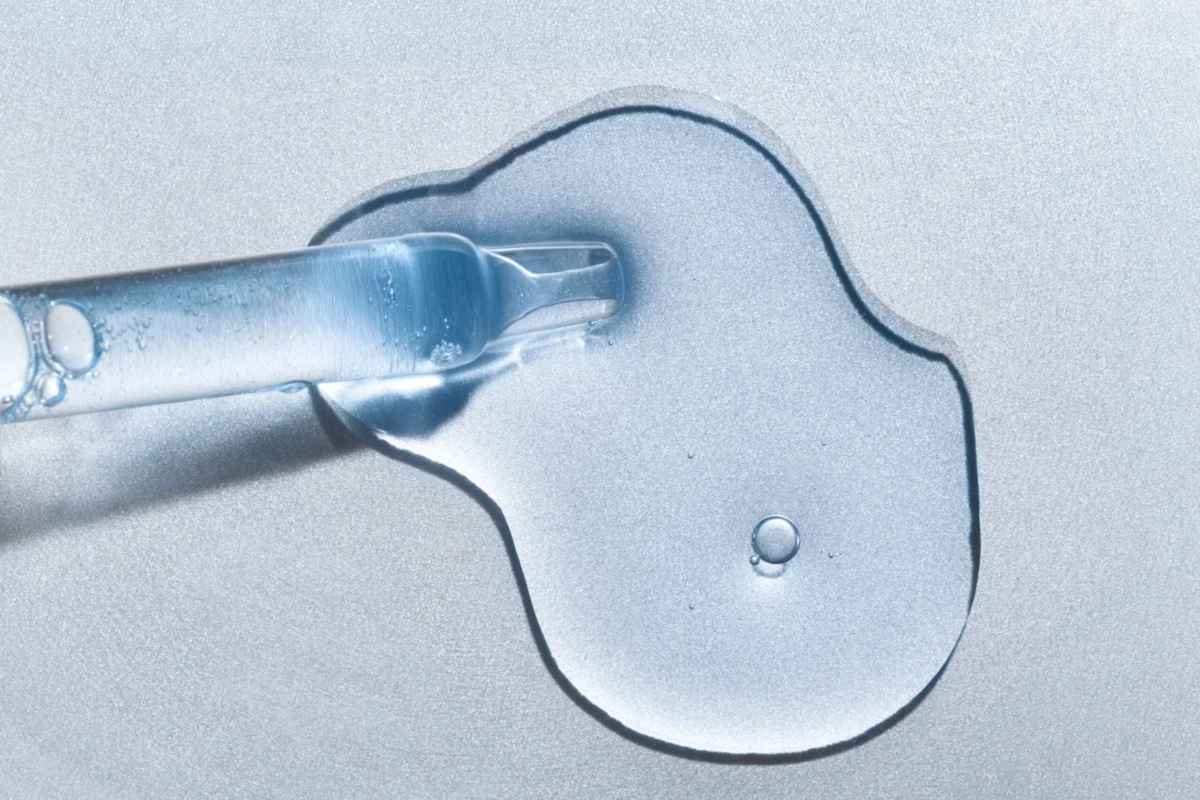
For months, a distinct hue has been appearing on the virtual shelves of Olive Young, South Korea’s preeminent beauty retailer, signaling a burgeoning trend in K-beauty: sky-blue formulations designed to soothe sensitive skin. This wave of cerulean-tinted products is unified by a common star ingredient – azulene. Often listed on product labels as guaiazulene, its stabilized form widely utilized in skincare, this compound is rapidly gaining traction, with its influence beginning to be felt on beauty markets globally, including the United States.
The observation of this trend has been corroborated by industry insiders and dermatologists alike. Dr. Hee Jin Kim, co-director of PureenMD Skin and Well-Aging Center, with practices in both Fort Lee, New Jersey, and Seoul, confirms the significant rise in azulene’s popularity within South Korea. "Yes, very much so," Dr. Kim stated. "Many Korean beauty content creators have been actively reviewing azulene-containing products recently, particularly those focused on calming and post-procedure care." She points to content creator Inssi as a pivotal figure in popularizing the ingredient, crediting her series of videos highlighting azulene’s skin-cooling and blemish-soothing properties for igniting its widespread appeal over the past year.
This emerging interest in azulene is not merely anecdotal. The visual appeal of blue-toned formulations, coupled with anecdotal evidence of their efficacy, has captured the attention of consumers and experts alike. For individuals with reactive skin, prone to redness and sensitivity triggered by environmental factors or hormonal fluctuations, the promise of an ingredient that can visibly calm inflammation is particularly appealing. This personal experience, where even light touch can cause redness, and painful breakouts are a recurring concern, serves as a critical benchmark for the effectiveness of any new calming ingredient. The rapid visual calming of redness observed in early adopters further fuels the anticipation for azulene’s widespread availability and integration into skincare routines.
Understanding Azulene: Origin and Benefits
Azulene is a naturally occurring, deep-blue hydrocarbon primarily extracted from chamomile flowers. Dr. Y. Claire Chang, a board-certified dermatologist in New York City, explains that while chamomile blooms are typically white and steep into a golden tea, they contain this unique compound that imparts a striking blue color to skincare products, with the intensity of the shade dependent on the concentration used.

Beyond its aesthetic appeal, azulene possesses significant anti-inflammatory properties. This characteristic makes it exceptionally beneficial for individuals with sensitive or reactive skin. Dr. Chang notes its particular utility on days when the skin barrier is compromised, leading to flushing or a hot-to-the-touch sensation. Such conditions can arise from various stressors, including post-laser treatments, over-exfoliation, excessive sun exposure, or flare-ups of dermatological conditions like rosacea.
Recent clinical research further supports azulene’s therapeutic potential. Studies published over the last five years indicate that when combined with ceramides, azulene can enhance skin hydration, reduce roughness, and alleviate itching. A notable 2022 study specifically found that this combination significantly improved skin moisture levels and reduced itching in patients suffering from atopic dermatitis, a chronic condition characterized by dry, itchy skin. These findings provide a scientific basis for the ingredient’s growing reputation as a powerful calming agent.
Azulene vs. Cica: A Comparative Analysis
The properties of azulene often draw comparisons to another popular K-beauty ingredient, cica (centella asiatica). Both are lauded for their skin-soothing capabilities. However, their functional profiles differ significantly. Cica, a full botanical extract, offers a broader spectrum of benefits, including wound healing, barrier repair, and brightening effects, making it a versatile choice for addressing concerns like acne and hyperpigmentation. Dr. Chang elaborates that cica’s multifaceted benefits stem from its rich content of bioactive compounds that promote anti-inflammatory, antioxidant, and collagen-stimulating actions.
In contrast, guaiazulene, the stabilized derivative of azulene commonly used in skincare, is primarily recognized as a targeted anti-inflammatory agent. Laura Lam-Phaure, a cosmetic chemist based in Los Angeles, clarifies this distinction: "Cica is a whole botanical extract, while guaiazulene is a single derivative." Consequently, azulene has not been scientifically proven to stimulate collagen production, improve hyperpigmentation, or directly treat acne. Dr. Malik emphasizes this point, describing azulene as an "excellent for immediate soothing, but it’s not as multifunctional [as cica]." This targeted action, however, can be advantageous for certain skin types and concerns.

Dr. Kim notes that for some individuals, cica can trigger irritation or allergic reactions. In such cases, azulene emerges as a viable and effective alternative. Furthermore, certain formulations, like the Mamonde Calming Shot Azulene Ampoule, which received an Allure Korea 2025 Best of Beauty Award in the brightening ampoule category, claim that azulene can soothe skin even more rapidly than cica, suggesting a potent and swift calming effect.
Integrating Azulene into Your Skincare Routine
Azulene-based products can be incorporated into a skincare regimen in several ways. Beyond immediate application during periods of compromised skin barrier function, they can serve as a proactive measure to prevent inflammation. This is particularly useful when using potent yet potentially irritating ingredients such as retinol, vitamin C, or exfoliating acids. Dr. Chang suggests that an azulene serum or essence, applied post-cleansing, can effectively prepare the skin to better tolerate and benefit from these more active treatments.
The frequency of azulene use is generally flexible and depends on individual skin needs. For those with consistently sensitive or reactive skin, daily application, both morning and night, can provide ongoing relief and support. For others, it may be reserved for moments of increased sensitivity or as a preparatory step before applying stronger actives.
Expert-Approved Azulene Products
As the demand for azulene grows, several products have emerged as frontrunners, recommended by dermatologists and beauty experts.

Serums
The Dr. Althea Aqua Marine Deep Serum has garnered significant praise for its refreshing, watery texture that absorbs rapidly into the skin. The author of the original piece noted its ability to provide a dewy glow without causing breakouts, even in dry, heated environments, and its effectiveness in reducing redness and imparting a "glassy" appearance to the skin. The fragrance-free formula is further enhanced with panthenol, niacinamide, and hyaluronic acid, ingredients that Dr. Chang recommends pairing with azulene to maximize barrier support and hydration.
Another highly recommended serum is the Dear Klairs Midnight Blue Youth Activating Drop. Popularized in Korea and championed by content creator Inssi, this serum also features growth factors (specifically EFG peptides) aimed at long-term skin repair. Dr. Kim identifies this product as her top choice for patients with stressed or redness-prone skin, highlighting its lightweight gel texture that "absorbs almost instantly," providing calming benefits without any residue.
Moisturizers
For those seeking a more emollient treatment, the VT Cosmetics PDRN Cream 100 stands out. Described as rich, cushiony, and comforting, this cream has earned the endorsement of both the author and Dr. Kim. Dr. Kim typically recommends it for drier skin types or when the skin barrier requires significant nourishment and repair. The inclusion of PDRN (Polydeoxyribonucleotide), known for its regenerative properties, further enhances its restorative capabilities.
Eye Creams
The delicate eye area, often prone to inflammation and sensitivity, can also benefit from azulene. The Then I Met You Snail Mucin Eye Cream combines azulene with snail mucin, an ingredient that has a long-standing history of popularity in K-beauty. This synergistic blend provides soothing moisture that adheres well to the skin, preventing product migration into sensitive eyes. The combination of azulene’s calming properties and snail mucin’s hydrating and reparative qualities makes this an effective option for targeting puffiness and irritation around the eyes.

The Future of Azulene in Skincare
While the availability of some coveted azulene formulations from brands like Mamonde is still limited in the US market, the trend suggests an imminent expansion. As consumers increasingly prioritize ingredients that address sensitivity and inflammation, azulene is well-positioned to become a staple in many skincare routines.
However, as Dr. Malik cautions, "just as with anything else, azulene isn’t a miracle ingredient." Its efficacy is maximized when integrated into a holistic skincare approach rather than being relied upon as a standalone treatment. Azulene represents a valuable addition to the arsenal for managing sensitive and reactive skin, offering a potent yet gentle solution for calming inflammation and restoring skin comfort. The growing scientific backing and consumer enthusiasm indicate that azulene is not merely a fleeting trend but a significant advancement in targeted skincare for compromised and delicate complexions.