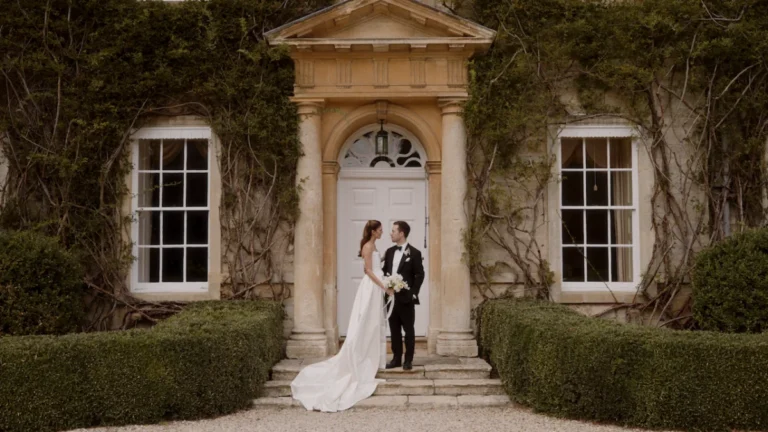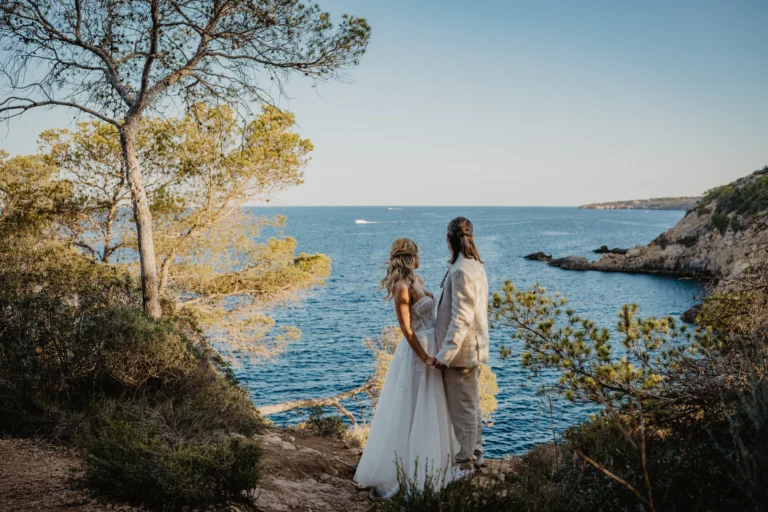




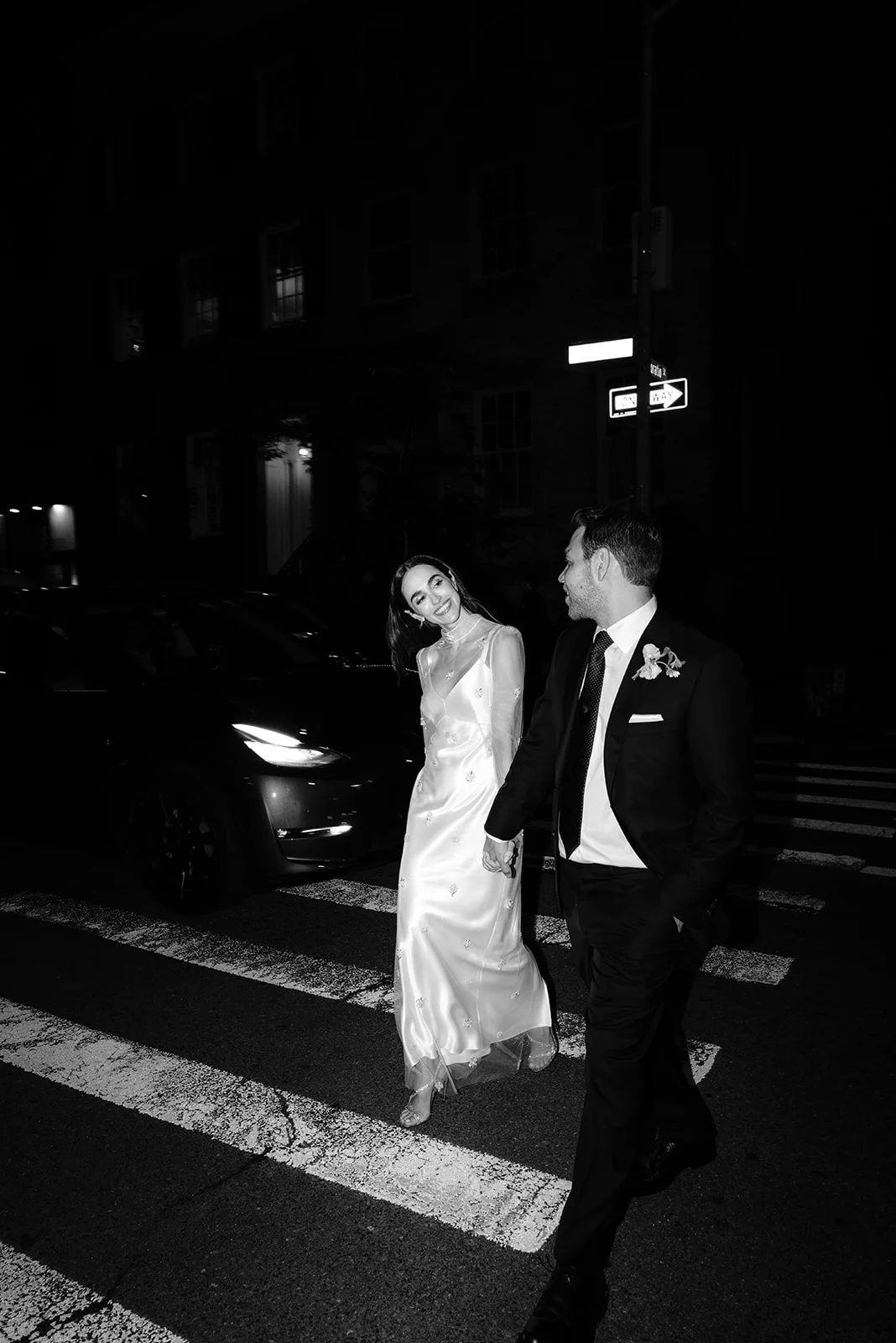
Love My Dress, one of the United Kingdom’s most prominent wedding publications, has officially updated its editorial and submission guidelines to prohibit the use of generative artificial intelligence (AI) in featured imagery. The decision, announced this week, marks a significant stance within the bridal and publishing industries against the rising tide of hyper-realistic, machine-generated content. The new policy stipulates that the blog will no longer knowingly publish AI-generated weddings, bridal fashion campaigns, editorials, or photoshoots, including those presented as creative concepts or experimental projects.
The shift in policy comes at a pivotal moment for the wedding industry, which is currently grappling with the rapid integration of generative AI tools. While the publication acknowledged that AI-assisted tools for post-production—such as those used for color grading, exposure adjustment, and minor blemish removal—remain acceptable, it drew a firm line at the creation of imagery depicting scenes, people, or garments that never existed in the physical world. This move is designed to protect the foundational trust between the publication and its global audience, ensuring that every image featured represents a genuine human experience.
Defining the Boundaries of AI in Photography
To provide clarity for contributors and industry professionals, Love My Dress has differentiated between "AI-assisted editing" and "AI-generated imagery." The former, which includes the use of algorithms to streamline the culling of thousands of wedding photos or to refine lighting, is viewed as an evolution of traditional darkroom and digital post-processing techniques. Professional photographers frequently report that AI-powered culling software can save upwards of 14 hours of labor per wedding, a significant efficiency gain in a high-pressure industry.
However, the publication’s ban focuses on generative AI, where platforms like Midjourney, DALL-E, or Stable Diffusion are used to render entirely fictional scenarios. This includes "concept-led" bridal editorials that feature non-existent models in non-existent locations wearing non-existent gowns. The publication maintains that the value of wedding media lies in its reflection of truth—real moments, real emotions, and the tangible artistry of human designers and planners.
Chronology of AI Integration in the Wedding Sector
The integration of AI into the wedding industry has followed a rapid timeline over the past 24 months. In 2022, the conversation largely centered on basic automation and administrative tools. By mid-2023, AI-driven editing suites became mainstream, allowing photographers to match their "signature style" across thousands of images with a single click.
By early 2024, the emergence of hyper-realistic generative AI began to disrupt social media marketing. Instagram accounts dedicated to AI-generated fashion and lifestyle content started gaining traction, showcasing "perfect" imagery that featured skin imperfections, fine hair details, and complex reflections, making it nearly indistinguishable from traditional photography. This led to a surge in interest from brands looking to reduce the high costs associated with physical photoshoots, which require models, makeup artists, stylists, and travel.
The decision by Love My Dress to ban such content was prompted by this recent saturation. The publication noted a growing trend where creative professionals were being urged to "get on board" with AI or risk being left behind. This sense of urgency has created a climate where the line between reality and simulation is increasingly blurred, prompting the need for clear editorial boundaries.
Economic Drivers and the Pressure to Automate
The adoption of AI in the wedding industry is not occurring in a vacuum; it is driven by significant economic pressures. The global wedding market, valued at approximately $70 billion, has faced a challenging landscape in 2024. Rising material costs, inflation, and geopolitical instability have forced many bridal brands to seek cost-cutting measures.
For a small bridal boutique or an independent designer, a professional editorial shoot can cost thousands of pounds. AI offers a temptingly low-cost alternative. Similarly, wedding planners and photographers are facing a decline in inquiries in some regions, leading to a focus on extreme efficiency to maintain profit margins.
Data from industry surveys suggest that while 60% of creative professionals are open to using AI for administrative tasks, only a small minority—roughly 15%—currently support the use of generative AI to replace traditional photography. The Love My Dress policy addresses this tension, acknowledging the financial strain on businesses while arguing that the "human cost" of losing authenticity is too high a price to pay for efficiency.
Ethical Concerns and Training Data Controversies
A central pillar of the new policy is the ethical concern surrounding the development of AI systems. Most generative AI models are trained on vast datasets of existing creative work scraped from the internet without the consent of the original creators. This has led to widespread criticism from photographers, artists, and designers who argue that their unique "eye" and originality are being absorbed and reconfigured by corporations without compensation.
By declaring itself an "AI-free zone" for imagery, Love My Dress is aligning with a broader movement to protect intellectual property rights. The publication noted that the outputs generated by AI do not emerge in isolation; they are the result of a collective body of human work. When a machine produces a "convincing" bridal image, it is doing so by analyzing the decades of work produced by human photographers who spent years refining their craft.
Industry Reactions and the Human Artistry Argument
The announcement has triggered a wave of responses from the wedding community. Many veteran photographers have lauded the move, expressing concern that the "perfection" offered by AI devalues the raw, unrepeatable nature of a wedding day.
"Weddings are about the imperfections—the tear in the eye, the wind-blown hair, the genuine laughter," noted one industry commentator. "When we move toward AI-generated perfection, we lose the soul of the event."
Conversely, some tech-forward creators argue that AI is simply another tool in the artist’s kit, similar to the transition from film to digital photography in the early 2000s. However, Love My Dress maintains that the transition to AI is fundamentally different. Unlike digital photography, which still requires a human to be present to capture a moment in time, generative AI removes the human witness from the equation entirely.
Broader Implications for Media Integrity
The stance taken by Love My Dress reflects a growing debate in the wider media landscape. Major news organizations and fashion magazines are currently developing their own frameworks for AI disclosure. Some publications have opted for a "labels-only" approach, where AI content is allowed but must be clearly tagged. Others, like Love My Dress, have opted for an outright ban to preserve the specific niche of "real-life" documentation.
The long-term implications of this policy may influence how future couples view wedding media. If the industry becomes saturated with AI-generated "dream weddings," there is a risk of creating unattainable standards for real-life couples, leading to dissatisfaction with real-world results. By prioritizing human-centric work, Love My Dress aims to maintain a standard of aspirational yet achievable reality.
Conclusion: A Commitment to the Future of Real Experiences
In its concluding remarks on the policy update, Love My Dress emphasized that weddings are not merely a "product category" but are unrepeatable human experiences. The publication’s refusal to publish AI imagery is presented not as a rejection of technology, but as a proactive choice to protect what is most valuable in the industry: human connection and authentic artistry.
The policy will rely heavily on a "trust and verify" model. While the technology to detect AI imagery is still evolving and is not yet foolproof, the publication is calling for a collective commitment to honesty from its contributors. By establishing this boundary now, Love My Dress seeks to ensure that the wedding industry remains a space where human creativity is not just a component, but the very essence of the work.
As the technology continues to advance at a "frightening speed," the publication’s stance serves as a significant marker for the editorial standards of the future. It challenges other media outlets to consider what they are willing to preserve in an era of digital simulation and reaffirms that, for Love My Dress, the "true" will always take precedence over the "pretty."