





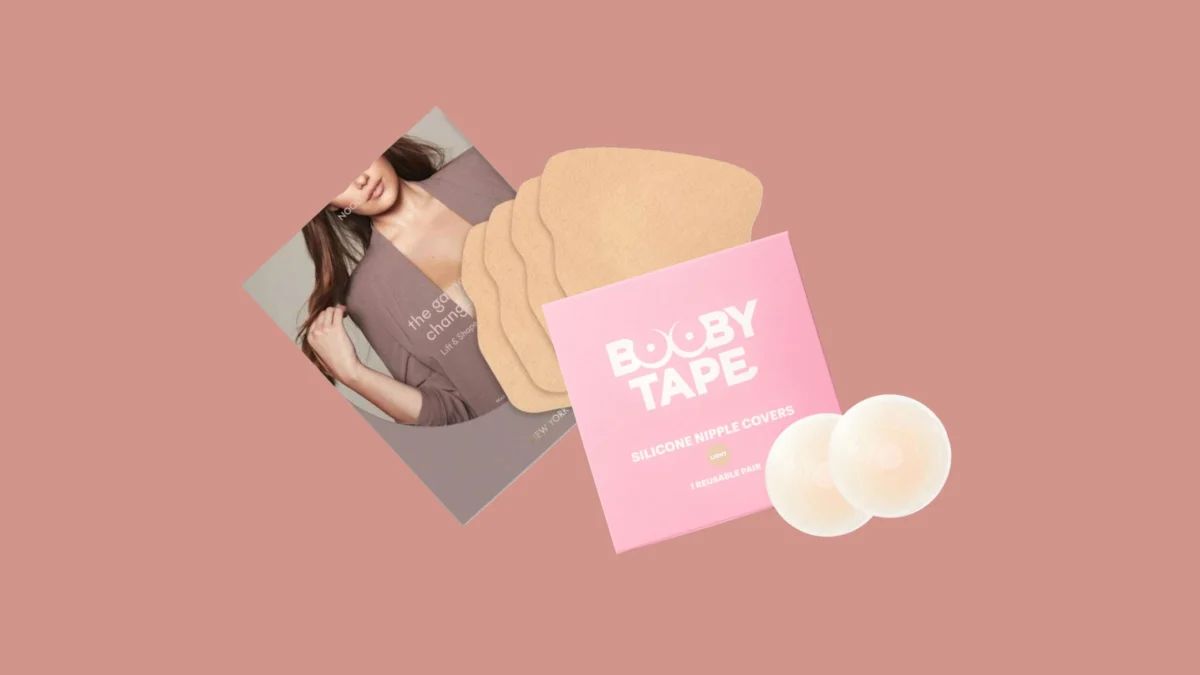
In the ever-evolving landscape of fashion and personal styling, achieving a seamless silhouette has become paramount. Boob tape, once a niche product, has emerged as a popular solution for securing garments and creating a desired shape, particularly with daring necklines and backless designs. However, its effective and safe use requires a nuanced understanding of application and removal techniques, as highlighted by dermatological expertise. This article delves into the intricacies of utilizing boob tape, offering practical guidance rooted in professional recommendations and exploring the broader context of its growing significance in contemporary fashion.
The Foundation of Safe Application: Pre-Tape Skin Preparation
The cornerstone of successful boob tape application lies in meticulous skin preparation, a critical step often overlooked in the pursuit of instant aesthetic results. Dr. Erum Ilyas, a board-certified dermatologist based in King of Prussia, Pennsylvania, emphasizes the paramount importance of starting with clean, unimpeded skin. This foundational principle aims to maximize adhesion while minimizing the risk of irritation or adverse reactions.
Dr. Ilyas strongly advises against the use of alcohol, toners, or exfoliators on the chest area for a full 24 hours preceding tape application. These common skincare ingredients, while beneficial for daily routines, can strip the skin of its natural oils and compromise its protective barrier. This process can render the skin more sensitive and susceptible to irritation when the adhesive tape is applied. The removal of natural lipids can also interfere with the tape’s ability to adhere effectively, potentially leading to premature loosening and compromising the intended support.
Furthermore, Dr. Ilyas underscores the necessity of abstaining from moisturizing the chest with lotions or creams prior to application. While hydration is generally beneficial for skin health, in the context of boob tape, it can create a slippery surface that hinders the adhesive’s grip. This can lead to the tape becoming less effective, failing to provide the desired hold, and potentially shifting throughout the day. The goal is to achieve a dry, clean canvas that allows the tape’s adhesive properties to function optimally.
Protecting Sensitive Areas: The Importance of Nipple and Areola Coverage
A critical, yet often underestimated, aspect of safe boob tape application involves the careful protection of the nipple and areola region. Dr. Ilyas highlights that the skin in this area is inherently thinner and significantly more sensitive than the surrounding breast tissue. Applying adhesive directly to this delicate zone can lead to considerable discomfort, irritation, and even potential damage.
To circumvent this, Dr. Ilyas recommends utilizing non-adhesive padding as a protective barrier. This simple yet effective measure ensures that the tape adheres only to the less sensitive skin of the breast, safeguarding the nipple and areola from direct contact with the adhesive. The beauty of this recommendation lies in its accessibility; many households already contain suitable items. Dr. Ilyas suggests readily available options such as cotton rounds, hydrogel pads, or even nursing pads. These materials provide a soft, comfortable buffer, effectively preventing the tape from causing any distress to this sensitive area. The strategic placement of these protective elements ensures both comfort and safety throughout the wear of the boob tape.
The Unveiling: A Gentle Approach to Boob Tape Removal
While the application of boob tape can be relatively straightforward, the removal process often presents a greater challenge and carries a higher risk of skin damage if not approached with caution. The temptation to simply rip the tape off, akin to removing a bandage, is strong but strongly discouraged by Dr. Ilyas. This abrupt method can result in unnecessary trauma to the skin, causing redness, tearing, and significant discomfort.
Instead, Dr. Ilyas advocates for a methodical and gentle removal strategy centered on loosening the adhesive. The primary recommendation involves the use of oil-based products. Soaking a cotton ball or swab in body oil, olive oil, or Vaseline and then applying it to the edges and underneath the free edge of the tape is highly effective. The oil works to break down the adhesive’s bond with the skin, allowing for a much smoother and less painful detachment. This process should be performed patiently, allowing the oil sufficient time to penetrate and soften the adhesive.
For those who prefer to remove the tape in the shower, Dr. Ilyas suggests soaking the area with warm, soapy water. This method is particularly beneficial if the tape has proven resistant to initial oil applications. The combination of warmth and the lubricating properties of soap can further aid in loosening the adhesive.
In instances where the tape remains stubbornly attached, Dr. Ilyas offers further solutions. She reiterates the efficacy of soaking with body oils or petroleum jelly. To manage potential mess and protect clothing or surroundings, she advises covering the oiled tape with plastic wrap for approximately 30 minutes. This extended soaking period allows the oils to thoroughly break down the adhesive. Following this, the tape can be gently peeled away.
As a last resort, Dr. Ilyas cautiously suggests using nail polish remover. However, she issues a strong caveat: this method can cause skin irritation. Therefore, it should be employed with extreme care and only when other methods have failed. If, despite these efforts, the tape continues to resist removal, seeking professional assistance from a dermatologist is the safest course of action. The primary objective remains the preservation of skin integrity throughout the entire process.
Post-Removal Care: Rejuvenating and Restoring Skin
The process of removing boob tape, even when performed gently, can leave the skin feeling sensitive and depleted. Dr. Ilyas stresses the critical importance of immediate post-removal care to soothe and heal the skin. This involves rehydration and the restoration of the skin’s natural barrier.
Dr. Ilyas recommends the generous application of oil-based or petrolatum-based products immediately after the tape has been removed. These emollients are highly effective in replenishing lost moisture and creating a protective layer that aids in the skin’s recovery. Products like body oils or Vaseline are excellent choices for this purpose. The consistent application of these nourishing substances helps to calm any residual irritation and promotes faster healing.
Beyond Vaseline, Dr. Ilyas suggests other beneficial options, including Aquaphor and vitamin E oil. These ingredients are known for their reparative and moisturizing properties. Additionally, any effective barrier cream can serve the purpose of protecting and restoring the skin’s compromised state. The goal is to provide the skin with the necessary elements to recover its strength and suppleness.
Understanding the Broader Implications: Boob Tape and Modern Fashion
The widespread adoption of boob tape reflects a broader shift in fashion and styling. As designers increasingly experiment with intricate silhouettes, plunging necklines, and backless designs, the demand for innovative solutions to achieve a flawless finish has surged. Boob tape has emerged as a highly effective tool in this regard, offering discreet and customizable support. Its popularity is driven by its ability to provide a smooth canvas, eliminate visible bra lines, and allow for greater freedom of movement and design possibilities.
However, as Dr. Ilyas points out, while boob tape offers significant advantages for specific occasions, it is not intended for daily wear. The repeated application and removal, even with the most careful techniques, can place stress on the skin. Overuse can lead to irritation, sensitivity, and potential long-term damage. Therefore, a balanced approach is recommended, reserving boob tape for those instances where its unique support capabilities are truly beneficial, such as for special events, formal occasions, or when wearing challenging garments.
Expert Insights and Product Endorsements
The guidance provided by Dr. Ilyas is invaluable for consumers seeking to incorporate boob tape into their styling arsenal. Her emphasis on preparation, protection, and gentle removal underscores a commitment to both aesthetic goals and skin health. The inclusion of specific product recommendations, such as Vaseline and Aquaphor, further empowers consumers to make informed choices about post-removal care. These widely available and effective products serve as tangible solutions for ensuring the skin’s well-being after tape usage.
The integration of expert advice with practical application techniques transforms boob tape from a potentially risky fashion hack into a manageable and effective styling tool. By understanding and adhering to these dermatologically-sound principles, individuals can confidently leverage boob tape to enhance their style while prioritizing the health and integrity of their skin. The continued evolution of fashion demands such informed approaches, ensuring that style and well-being remain in harmonious coexistence.