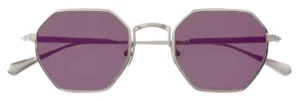









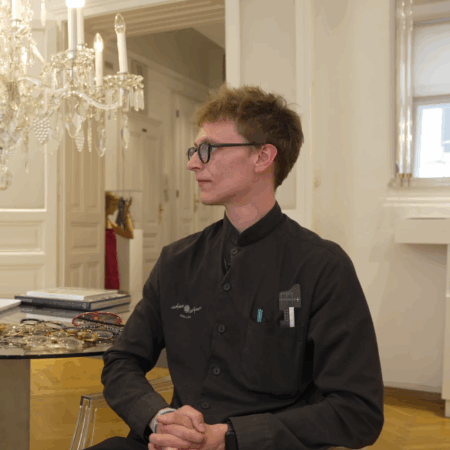
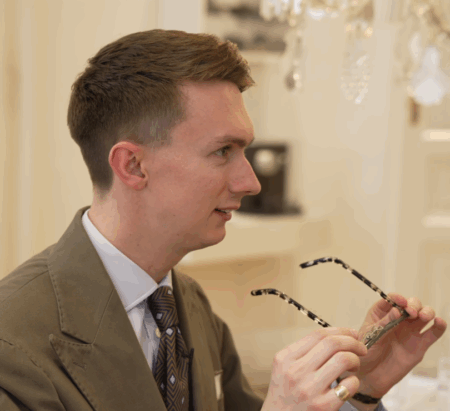
The quest for the quintessential pair of spectacles presents a distinct sartorial challenge for the modern gentleman. Far more than mere corrective lenses, eyeglasses serve as a powerful extension of personal style and an indicator of discerning taste. In a comprehensive exploration of this intricate domain, Gentleman’s Gazette contributor Jack Collins recently journeyed to Vienna, a city renowned for its enduring tradition of bespoke craftsmanship, to consult with Paul, a distinguished master optician at Schau Schau Brillen. This Viennese institution, celebrated for its extensive archive of approximately 1,000 frames, from the robust elegance of "bone hard" buffalo horn to the iconic flair of vintage aviators, provided the perfect backdrop to unravel the elusive "Golden Rules" governing the selection of the ideal frame for one’s unique facial architecture.
Vienna: A Bastion of Bespoke Craftsmanship and Optical Excellence

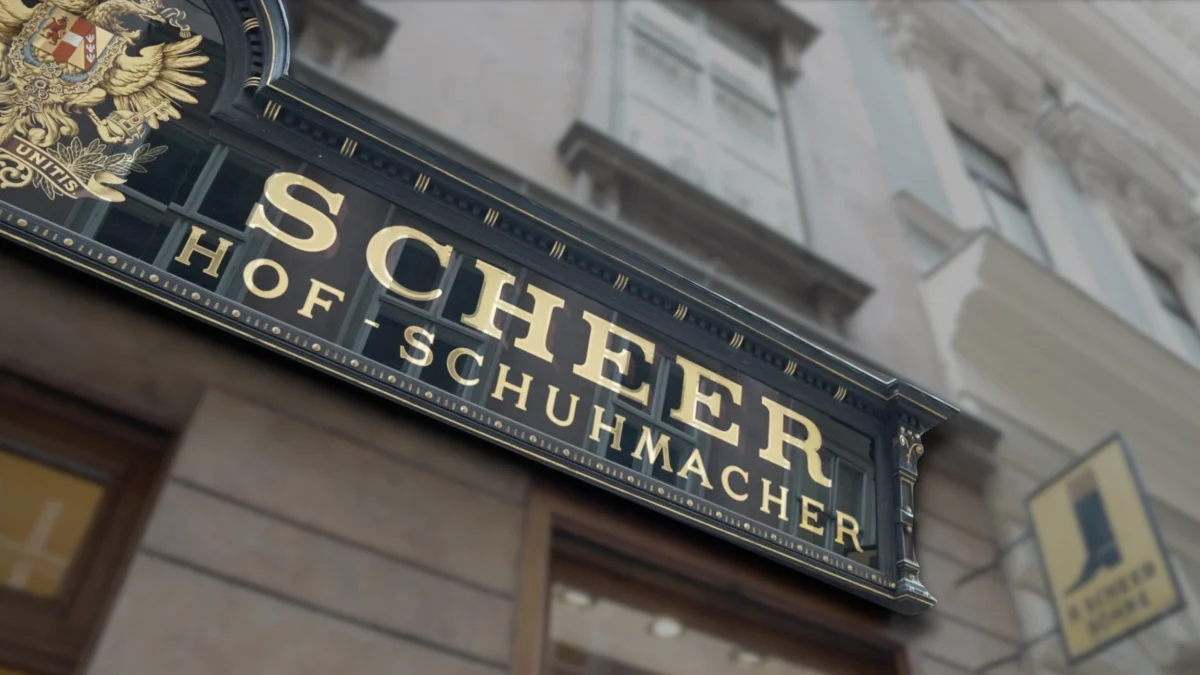
Vienna, a city steeped in imperial history and a cradle of refined artistry, has long been a haven for bespoke craftsmanship. From the legendary shoemakers of Rudolf Scheer & Söhne, boasting two centuries of sartorial heritage, to the venerable textile purveyors at Wilhelm Jungmann & Neffe, operating since 1873, the Austrian capital maintains an unwavering commitment to quality and individual expression. It is within this rich cultural tapestry that Schau Schau Brillen thrives, not merely as an eyewear retailer but as a custodian of optical history and a purveyor of personalized vision solutions. Paul, the master optician at its helm, embodies this tradition, overseeing an archive that is as much a museum of design evolution as it is a working collection. His expertise transforms the often daunting task of selecting eyewear into an informed and enjoyable sartorial experience, emphasizing that glasses are an integral component of a gentleman’s overall presentation.
The Foundational Principles: Understanding Face Shape and Proportions
The cornerstone of selecting the perfect eyewear lies in a nuanced understanding of one’s face shape and the subtle interplay of proportions. Paul’s guidance underscores that even marginal variations in bridge size, frame width, or lens height can dramatically recalibrate a gentleman’s appearance, either enhancing or detracting from his natural features. The overarching principle is to create visual balance and contrast: selecting frames that complement, rather than mimic, the angles and curves of the face.

For instance, gentlemen with round faces often benefit from angular or geometric frames that introduce definition and sharpness, such as rectangular or square styles. Conversely, those with square faces, characterized by strong jawlines and broad foreheads, find softer, rounder, or oval frames more flattering, as they soften harsh lines. Oval faces, considered the most versatile, can typically carry off a wide array of styles, though care must be taken to ensure the frames are proportional to the face’s width. Heart-shaped faces, with broader foreheads and narrower chins, are often complemented by frames that are wider at the bottom or have a delicate top, such as aviators or semi-rimless styles, to balance the facial taper.
Beyond mere aesthetics, precise fit is paramount for comfort and functional integrity. Paul meticulously highlights two critical indicators of an ill-fitting frame: "wiggling" and "cheek contact." A frame that "wiggles" or slides down the nose suggests a bridge that is too wide for the wearer’s nasal structure, preventing a secure perch. This not only causes discomfort but also positions the optical centers incorrectly, potentially compromising vision. Similarly, if the bottom edge of the frame consistently brushes against the cheeks, particularly when smiling, it indicates lenses that are too tall or a frame that sits too low on the face. Such constant contact is irritating and signals a fundamental mismatch in proportions, necessitating an adjustment in frame height or a different frame altogether. The ideal frame should sit securely without pinching, allowing for full range of facial expressions without obstruction.
The Material Difference: Buffalo Horn vs. Acetate
The choice of material is another pivotal aspect of eyewear selection, influencing not only aesthetics and durability but also comfort and maintenance. Paul’s extensive archive showcases a spectrum of materials, with particular emphasis on the distinct characteristics of buffalo horn and acetate.
Buffalo horn, often described as "bone hard," is a material revered for its natural beauty and exceptional comfort. Each horn frame possesses a unique, organic pattern and coloration, ensuring that no two pairs are ever identical—a quality Paul champions, stating, "It’s unique. You will never get an exact pair of glasses like these." Beyond its aesthetic individuality, buffalo horn is remarkably lightweight and develops a warm, smooth patina with wear, conforming gently to body temperature, which contributes to a superior wearing experience. However, its natural origin also dictates its fragility and high maintenance requirements. Horn frames are susceptible to cracking if dropped and require regular conditioning to prevent drying out. This makes them a choice for the connoisseur who values exclusivity and is prepared for the commitment of care.
Acetate, a plant-based plastic derived from cotton fibers, stands in stark contrast. It is celebrated for its durability, hypoallergenic properties, and remarkable versatility. Acetate frames can be produced in an almost infinite array of colors, patterns, and transparencies, including vibrant hues and bold designs that are impossible to achieve with natural horn. Its resilience makes it a practical choice for daily wear, offering robust resistance to impacts and temperature fluctuations. While it may lack the singular organic touch of horn, its manufacturing flexibility allows for innovative designs and widespread accessibility. The choice between these materials, as Paul implies, is deeply subjective, balancing the desire for unparalleled comfort and natural aesthetics against the need for durability and a broader spectrum of design options.

A Glimpse into Eyewear History: From Aviators to Cable Temples
Jack Collins’ visit to Schau Schau Brillen also offered a fascinating journey through the annals of eyewear design, revealing how historical context and functional demands have shaped iconic styles.
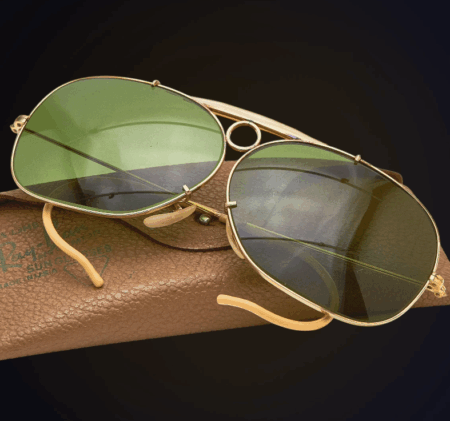
The exploration included 1980s aviators, a style that has transcended its military origins to become a timeless fashion statement. Paul’s archive held pristine examples of these iconic frames, prompting a discussion about their evolution. The legendary Ray-Ban Shooter, a variant of the classic aviator, captivated attention with its distinctive "bullet hole" ring positioned centrally on the bridge. While seemingly a stylistic flourish, this design element was born of pure utility. Originating in the 1930s and 40s, it was engineered for pilots and, later, hunters, providing a convenient rest for a cigarette, allowing them to keep both hands free during critical maneuvers. This detail exemplifies how practical considerations often underpin enduring design.
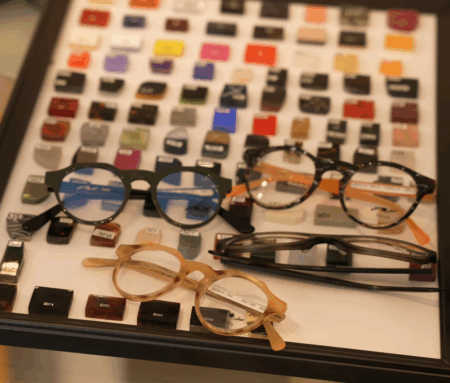
Another intriguing vintage style encountered was the "Harry Potter" look, characterized by frames with cable temples that curl securely around the back of the ear. Paul elucidated that this feature was originally a "sporty version" of eyewear. In an era when nose pads were less common or less sophisticated, these cable temples provided a robust grip, ensuring the glasses remained firmly in place during physical activity, preventing them from slipping off. This design underscores a period where absolute functionality took precedence, shaping a unique aesthetic that has since found a niche appeal, often associated with intellectual or whimsical styles.
The juxtaposition of these vintage pieces with modern bespoke buffalo horn frames vividly illustrates how different eras of design profoundly impact a gentleman’s style. Vintage frames often carry a narrative, a sense of history that modern designs strive to reinterpret. They demonstrate that classic forms, as Paul noted, "are never out of time. You can always wear them and that’s why they will never die." This timelessness speaks to the enduring principles of good design and proportion that transcend fleeting trends.
The Expert’s Prescription: Nose Pads vs. Saddle Bridges
The finer points of eyewear fit extend to the choice between nose pads and a saddle bridge, a decision often dictated by anatomy and desired aesthetic. Paul’s insights reveal that this is not merely a design preference but a crucial functional consideration.
Nose pads, those small, clear ovals typically found on metal or some acetate frames, offer adjustability. They allow the optician to finely tune how the glasses sit on the face, making them particularly beneficial for individuals with flatter nose bridges or those who require precise control over the frame’s height and angle. This adjustability ensures the lenses are correctly aligned with the wearer’s eyes and prevents the frames from sliding down the nose.
Conversely, a saddle bridge refers to a frame design where the bridge rests directly on the nose, forming a continuous line with the frame. This style offers a cleaner, more streamlined aesthetic, often favored for its minimalist appearance. However, the saddle bridge demands an impeccable fit. If the bridge is too wide, the glasses will inevitably slide down; if too narrow, they will exert uncomfortable pressure and pinch the nose. Therefore, while aesthetically pleasing, a saddle bridge requires a perfect anatomical match for optimal comfort and stability.

Implications for the Discerning Gentleman
The comprehensive guidance offered by master optician Paul, enriched by Jack Collins’ exploration, provides invaluable lessons for any gentleman seeking to elevate his style through eyewear. The primary implication is that glasses are not an afterthought but a central component of personal presentation, deserving of careful consideration and expert consultation.
Investing in high-quality, well-fitted frames, whether vintage or bespoke, is an investment in self-expression and comfort. The nuanced understanding of face shape, material properties, and historical design evolution empowers individuals to make informed choices that transcend mere utility. As Jack Collins aptly summarized, "It goes to show how the proportions of the frame make such a big impact on a person’s style." This impact extends beyond fleeting fashion trends, cementing eyewear as a distinctive element of one’s identity.
Furthermore, the emphasis on bespoke and archival pieces highlights a growing appreciation for craftsmanship, sustainability, and individuality in an increasingly mass-produced world. Choosing unique materials like buffalo horn or a vintage piece from Schau Schau Brillen’s vast collection speaks to a desire for authenticity and a connection to a rich sartorial heritage. It underscores that true style is often found in the details, in the deliberate choices that reflect a deeper understanding of quality, history, and personal fit.
In conclusion, the journey through Vienna’s optical landscape with Paul and Jack Collins demystifies the art of eyewear selection. It transforms the search for the perfect pair of glasses from a challenge into an opportunity for personal discovery, guided by the timeless "Golden Rules" of proportion, material, and expert craftsmanship. The insights gleaned from Schau Schau Brillen serve as a testament to the enduring power of well-chosen spectacles to enhance a gentleman’s visage and refine his overall sartorial narrative.