




For decades, the suit represented a sartorial code with unwavering rules: structured jackets, precisely matched trousers, and a clear demarcation of formal occasions. This traditional interpretation, however, is undergoing a significant metamorphosis. As of 2026, the conversation among men has shifted from how to adhere to suit conventions to how to redefine them on their own terms, embracing a more personalized and adaptable approach to tailoring. This evolution is particularly evident in summer suiting, where the demand for comfort and versatility has led to a reimagining of what a suit can be.
The Deconstruction of Formal Summer Suiting
The arrival of warmer weather has historically presented a sartorial challenge for traditional suiting. The heavy fabrics and restrictive silhouettes that define classic tailoring often feel ill-suited to the relaxed pace and warmer climes of summer. This has paved the way for a new paradigm: the summer suit is shedding its formal constraints, embracing lightweight fabrics, relaxed silhouettes, and a fluidity that allows pieces to transcend specific occasions. The suit is no longer perceived as a rigid uniform but as a modular system, a collection of components that can be deconstructed, reassembled, and styled to suit diverse settings and personal preferences. This shift signals a move towards a more integrated and less compartmentalized approach to dressing, where individual pieces contribute to a broader, more adaptable wardrobe.

The Driving Forces Behind the Tailoring Revolution
This transformation in menswear is not an isolated phenomenon but a gradual evolution driven by several converging factors. Over the past decade, menswear has increasingly prioritized ease, comfort, and versatility. This has manifested in softer fits, more breathable fabric choices, and a growing emphasis on multi-functional garments. Simultaneously, the occasions that necessitate a polished appearance—weddings, summer gatherings, formal dinners, travel, and professional environments—have not diminished. The core need for "dressing well" persists, but the how has fundamentally changed. Men now seek to present themselves in a manner that is less rigid, more individualistic, and inherently sharp without appearing overly contrived or uncomfortable. This desire for a refined yet relaxed aesthetic is reshaping the very definition of modern tailoring.
Wax London: A Brand at the Forefront of the Suiting Evolution
The Spring/Summer 2026 tailoring collections, notably from brands like Wax London, exemplify this burgeoning trend. Wax London’s approach to suiting for SS26 is characterized by a deliberate flexibility. Rather than presenting tailoring as a fixed entity, their collections are designed to be adaptable. Pieces are conceived to be worn as coordinated sets or as individual items, styled conventionally for formal events or more casually for everyday wear. This subtle yet significant shift in philosophy moves away from prescriptive styling advice and towards empowering the wearer with a range of options, allowing for personal expression and situational appropriateness. The brand’s focus is on providing versatile building blocks for a modern wardrobe, rather than dictating a singular way to wear a suit.

The Modern Linen Suit: Redefining Summer Comfort and Style
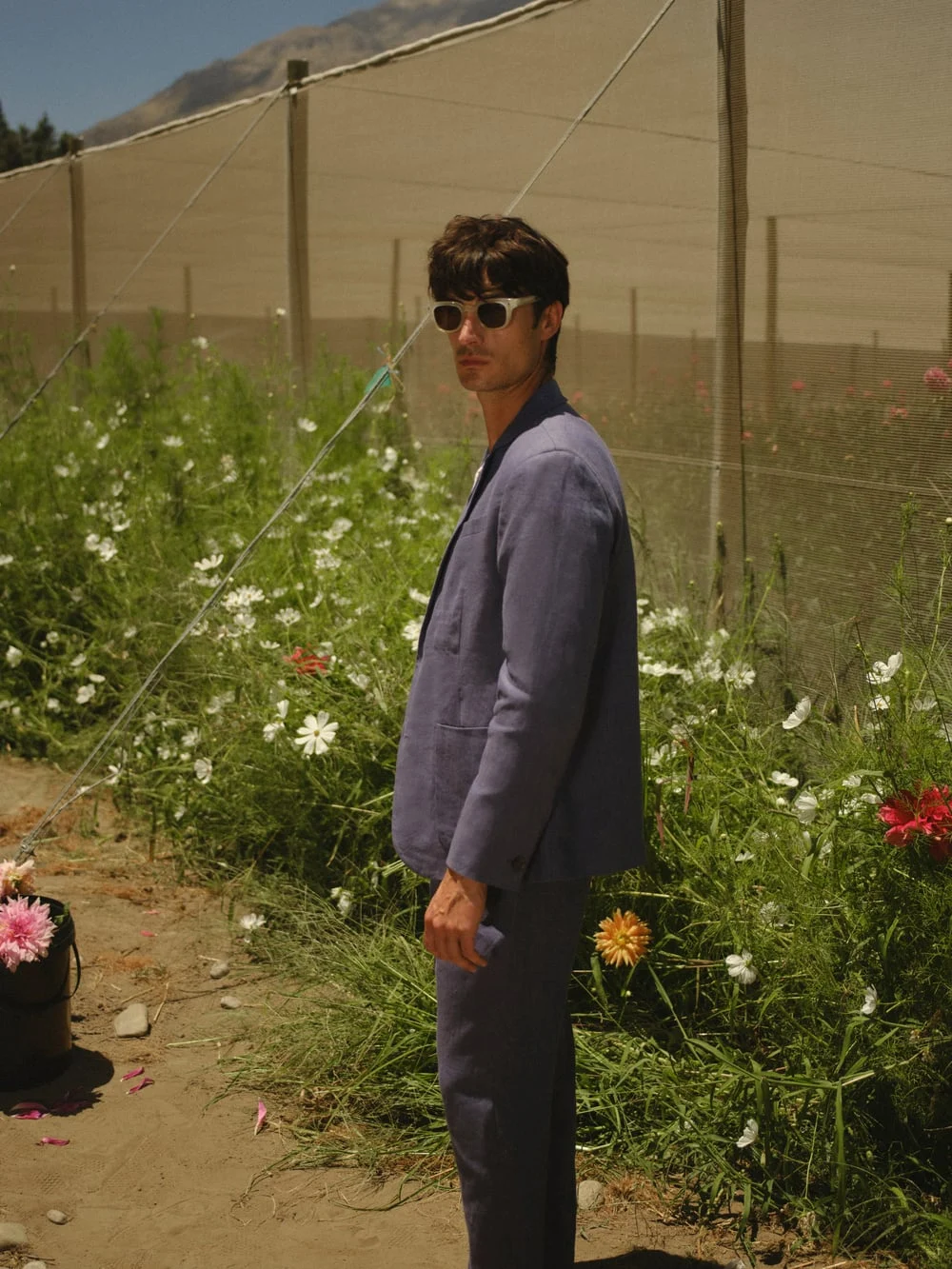
At the heart of this new approach to summer suiting lies the linen suit, a fabric that has long been associated with warm-weather dressing. However, brands are now elevating its potential, creating linen suits that are not just comfortable but also impeccably stylish and versatile. Wax London’s Fintry Blazer, when paired with the Alp Trouser, exemplifies this. Crafted from 100% linen, these garments offer unparalleled breathability and a natural texture that inherently lends itself to warmer climates.
The Fintry Blazer, for instance, features an unstructured design with a single-breasted cut, notch lapels, and practical patch pockets. This construction ensures a relaxed drape without sacrificing form, making it suitable for a range of occasions. The half-lined interior further enhances comfort and wearability throughout the day, whether transitioning between social engagements or enduring a full day’s wear. Complementing the blazer, the Alp Trouser maintains this ethos of relaxed refinement. With a slim, subtly tapered leg and a clean finish, it offers a sharp silhouette that remains effortlessly comfortable. Together, this ensemble presents a vision of tailoring that is both considered and understated, striking a perfect balance between polish and ease.

A Nuanced Interpretation of Relaxed Tailoring
Beyond the classic single-breasted linen suit, collections are also exploring more assertive yet equally comfortable silhouettes. Wax London’s Vigo Blazer, paired with the Aubyn Trouser, offers a more structured alternative that still embraces a relaxed aesthetic. The double-breasted silhouette of the Vigo Blazer injects a sense of confidence and presence, yet its unstructured and lightweight construction prevents it from feeling overly formal. The addition of peak lapels and a defined shape provides a sharper edge, while the Aubyn Trouser’s looser fit and gentle taper balance this structure, creating a modern, contemporary appeal. This approach acknowledges the rich heritage of tailoring while consciously liberating it from the constraints of historical interpretations, resulting in pieces that feel relevant and forward-thinking.
Expanding the Definition: When a Suit Becomes More Than a Suit
The evolution of tailoring extends beyond traditional suit components to encompass a broader range of coordinated sets and adaptable separates. Collections are increasingly featuring matching sets, stylish overshirts, and relaxed co-ords that offer sophisticated alternatives to purely casual wear without the formality of a full suit. These pieces artfully blur the lines between traditional categories, providing options for those seeking an elevated yet comfortable look. They can be worn together for a cohesive ensemble or styled individually, adding significant versatility to a man’s wardrobe. This expansion signifies that tailoring is not diminishing but rather evolving and diversifying, offering more nuanced solutions for modern style needs.

The Contemporary Styling of Suits: A Departure from Convention
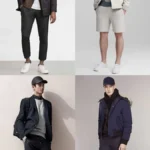
Perhaps the most profound shift lies not in the garments themselves, but in the myriad ways men are now styling them. The traditional pairing of a shirt and tie is no longer the sole determinant of a suit’s appropriateness. A linen suit, for instance, can be softened significantly by pairing the blazer with a vest or a high-quality t-shirt, instantly transforming its formality. Layering an open-collar polo shirt beneath a blazer introduces a relaxed, retro-inspired vibe reminiscent of the 1970s. Even a simple, well-fitting t-shirt can strip away overt formality while retaining the inherent structure and polish of the suit. Subtle styling choices, such as opting for a monochromatic color palette or incorporating a single, impactful pop of color, can dramatically alter the overall impression of an outfit. The key takeaway is the absence of a singular, "correct" way to wear a suit, underscoring the era of sartorial freedom.
The Evolving Role of Tailoring in the Modern Wardrobe
The suit is not disappearing from the modern man’s wardrobe; rather, its utility is expanding exponentially. It is transitioning from a garment reserved for specific, infrequent occasions to a foundational element capable of adapting to a vast array of situations. When worn as a complete ensemble, it still commands presence and delivers impact. However, when its components are deconstructed and integrated into other outfits, the suit becomes a versatile contributor to a broader sartorial landscape. This newfound flexibility is precisely what is re-establishing its relevance and appeal in contemporary fashion. It offers a compelling solution for those who desire to look polished and put-together without being confined by outdated sartorial norms.

The Enduring Relevance of Tailoring: A Focus on Freedom
The most compelling development in menswear today is not dictated by fleeting trends, but by an overarching sense of freedom. This freedom manifests in the ability to interpret and wear tailoring in novel ways, to seamlessly blend structured elements with relaxed comfort, and to navigate diverse social and professional settings without requiring a complete wardrobe overhaul. Wax London’s SS26 collection serves as a potent illustration of this paradigm shift. The modern suit is no longer about adhering to a rigid set of rules; it is about embracing a world of possibilities and personal expression. This democratization of style allows men to curate their looks with confidence, reflecting their individuality and adapting to the dynamic demands of contemporary life. The future of suiting lies in its adaptability, its comfort, and its capacity to empower the wearer to define their own style.