









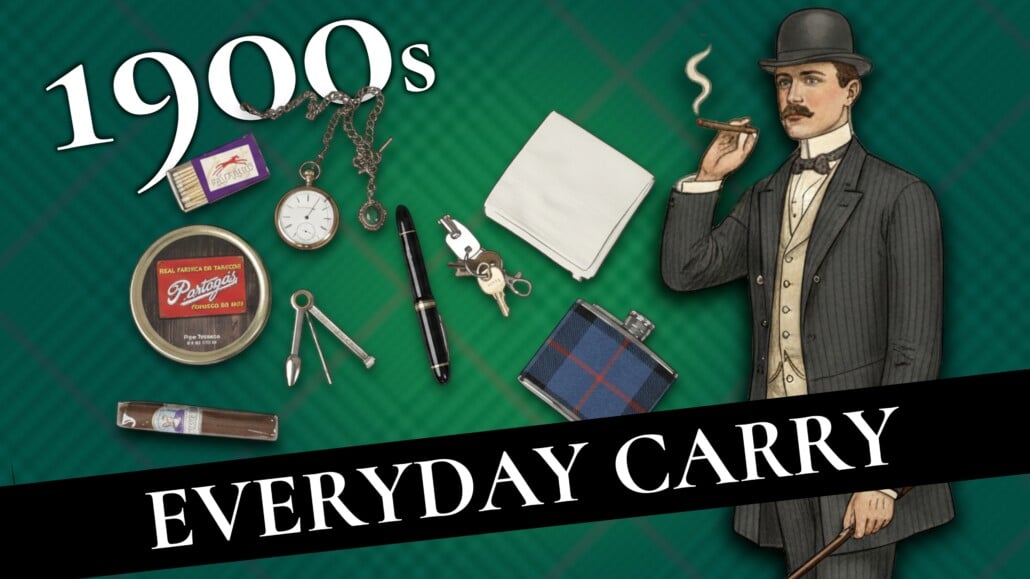
At the dawn of the 20th century, the concept of a gentleman’s "Everyday Carry" (EDC) was fundamentally different from its modern counterpart. Before the ubiquitous presence of smartphones, digital wallets, and pervasive electronic communication, a man’s pockets were curated repositories of items reflecting an era defined by punctuality, strict social etiquette, and meticulous personal presentation. This collection of daily essentials was not merely functional but often served as a subtle indicator of status, profession, and adherence to societal norms. This guide delves into the typical EDC of the 1900s, specifically the Edwardian era (1901-1910), outlining eleven essential items and exploring a few surprising additions that illuminate the daily life and values of gentlemen from a bygone age.
The Edwardian Context: A Society in Transition
The Edwardian era, named after King Edward VII, marked a relatively brief but distinct period of British history, bridging the high Victorian age and the tumultuous years leading to World War I. It was a time of significant social and technological change, yet one that still held firm to many Victorian ideals of propriety, class structure, and formal conduct. Cities were growing, industrialization continued its advance, and new technologies like the automobile and electricity were emerging, though not yet widespread. For the gentleman, appearance and adherence to social rituals were paramount. His daily carry was meticulously chosen to facilitate his interactions, manage his affairs, and maintain his cultivated image in a society that valued order, decorum, and self-reliance. The items he carried were not merely tools but extensions of his identity and his readiness to navigate the complex social landscape.
The Core Components of the Edwardian EDC
1. The Walking Stick: A Symbol of Status and Utility

Among the most visually striking distinctions between Edwardian gentlemen and their successors was the prevalence of the walking stick. Far more than a simple aid for mobility, the walking stick served as a significant fashion accessory and a clear stylistic delineator. While canes had been a popular accoutrement for affluent men since the 17th century, the Edwardian period represented their final widespread adoption before falling out of favor in the 1920s with the advent of more casual post-war fashion.
These sticks varied widely in material and ornamentation, from simple polished woods like malacca or ebony to more elaborate designs featuring silver or ivory handles, often intricately carved. Beyond aesthetics, they offered practical utility, providing support on uneven cobblestone streets, aiding in maintaining an upright posture, and occasionally serving as a subtle means of self-defense. Their presence underscored a gentleman’s readiness for public life and his attention to detail, signifying a certain social standing and a commitment to sartorial excellence that was integral to the era’s dress code. The decision of whether a cane was a fashion accessory or a medical aid often blurred, but for the Edwardian gentleman, it was undeniably a statement of personal style and societal position.
2. The Pocket Watch, Fob, and Chain: Precision and Prestige
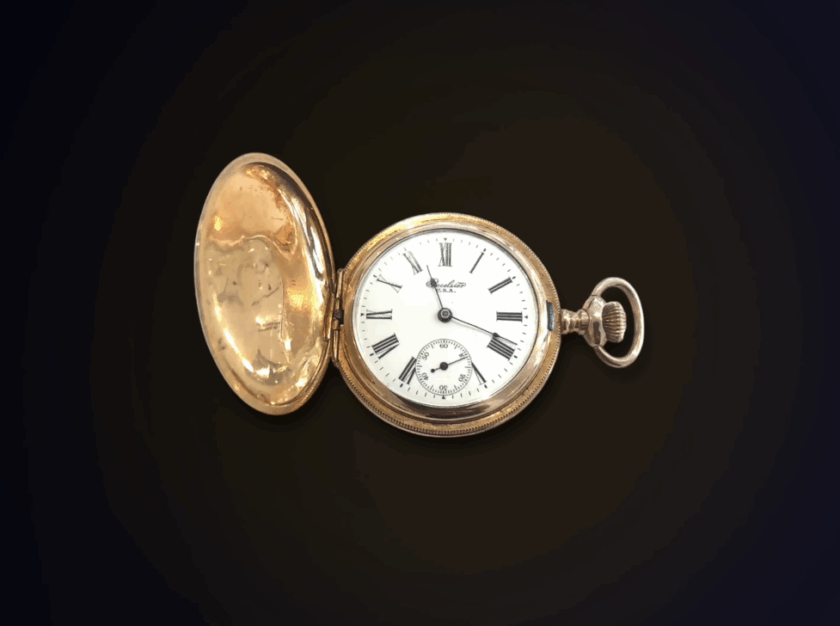
In the 1900s, the pocket watch was the undisputed king of timekeeping. Wristwatches, often referred to as "trench watches," would not achieve widespread popularity until World War I, when their practicality for soldiers on the battlefield became undeniable. For the Edwardian gentleman, the pocket watch was an essential instrument for punctuality, a vital trait in an age where appointments and social engagements were governed by precise timings.
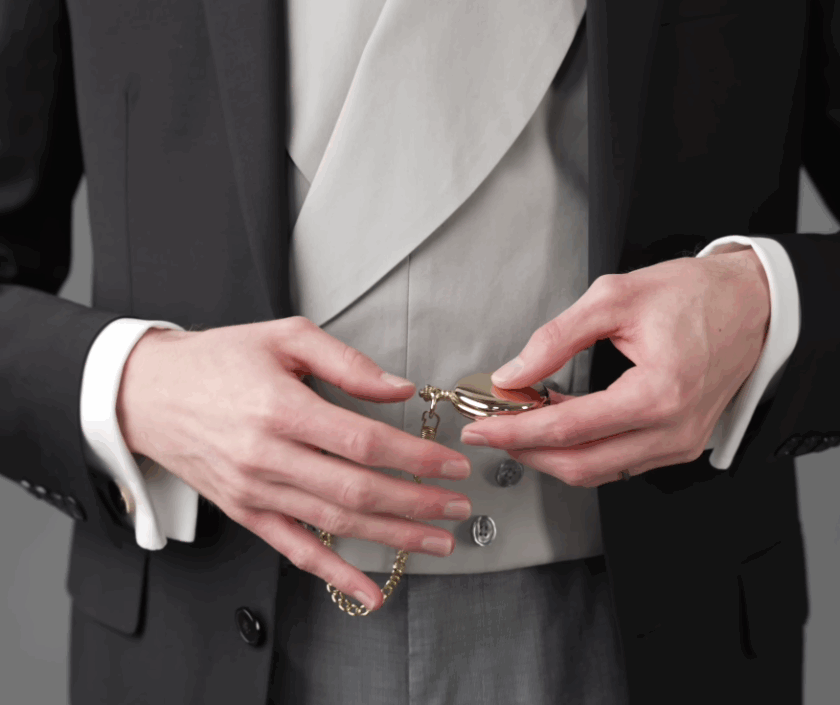
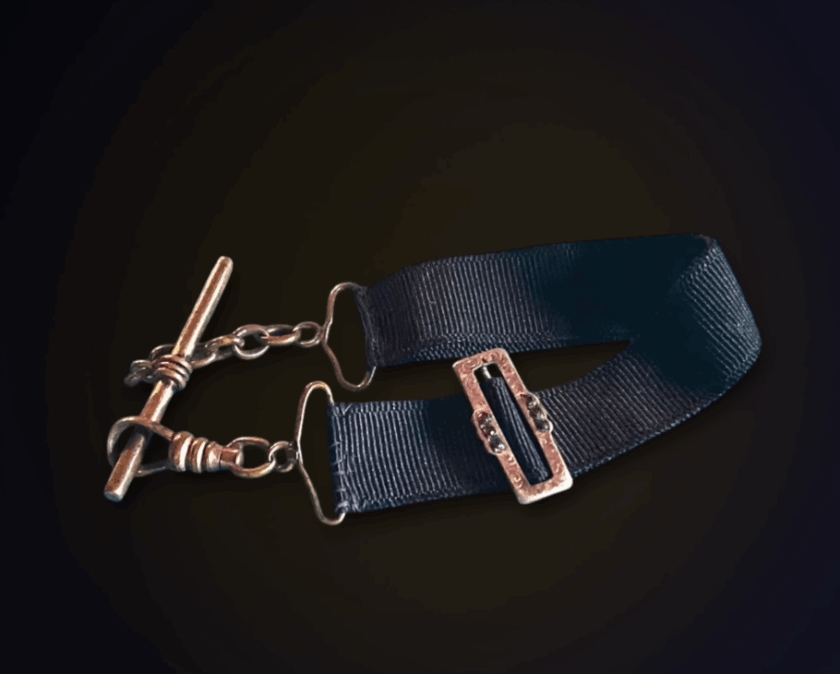
Typically crafted from gold, silver, or sometimes steel, these timepieces were often intricate works of horological art. They were secured to a waistcoat or jacket lapel by a decorative chain, frequently adorned with a "fob"—a small ornament or seal. The most common style was the Albert chain, often featuring a T-bar that slipped into a buttonhole, with the watch tucked into a dedicated waistcoat pocket. A double Albert chain allowed for an additional fob or even a small penknife. The entire ensemble was not just functional but also a prominent display of personal wealth and sophistication, signaling a man’s reliability and his respect for others’ time. The ritual of consulting one’s pocket watch was a common and accepted gesture in public, unlike the more discreet glance at a modern wristwatch.
3. Keys: Guardians of Private Domains
The key ring of a modern individual, laden with car keys, multiple house keys, and various fobs, would have been an anomaly for an Edwardian gentleman. Automobile ownership was still a luxury enjoyed by a tiny fraction of the population, and many grand homes or public buildings employed doormen or servants entrusted with the security of the premises. Consequently, the keys a gentleman carried were typically limited to his personal residence, his office, or perhaps a private strongbox or cabinet.
These keys, often made of brass or iron, were usually simpler in design and fewer in number, reflecting a different urban and domestic infrastructure. They were practical tools for securing one’s private world, carried discreetly in a trousers pocket or a dedicated small compartment within a wallet or briefcase. The absence of an array of vehicle keys highlights the era’s reliance on public transport, horse-drawn carriages, or simply walking, making the concept of automotive security a far-off concern for most.
4. Smoking Implements: A Universal Pastime
The early 20th century was an era awash in tobacco consumption, a social habit enjoyed across classes. However, the form of tobacco use differed significantly from later decades; cigarettes, while present, had not yet achieved the ubiquity they would gain after WWI due to mass production and targeted marketing. Instead, pipes and cigars were the dominant choices for gentlemen.
To facilitate this widespread habit, a gentleman’s EDC often included a selection of smoking implements:
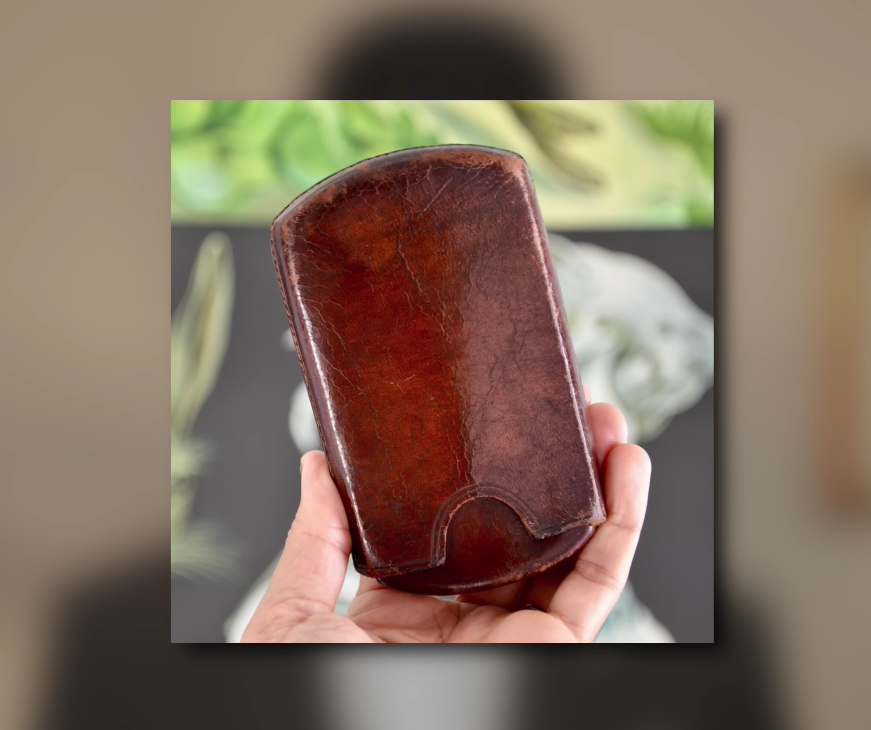
- Cigar Cases: For those who favored cigars, a slim, protective case was essential. These were typically made of fine leather or polished metal, sometimes adorned with intricate silver or gold engraving, designed to keep cigars fresh and prevent them from being crushed in a pocket. They were generally more compact than many modern cigar cases, holding only a few cigars for immediate consumption.
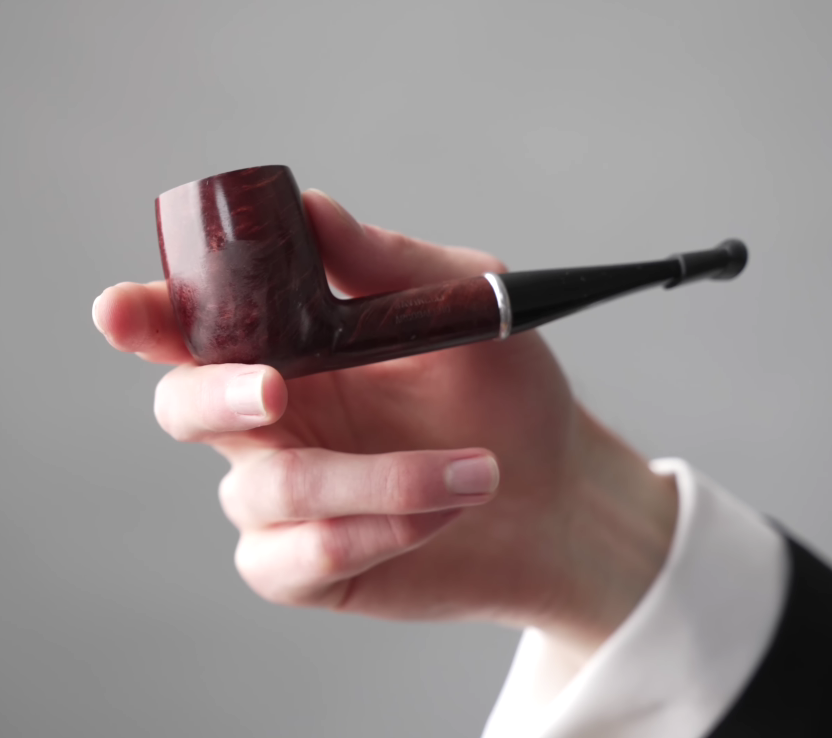
- Pipes and Tobacco Pouches: Pipe smokers carried their preferred pipe, often crafted from briarwood or the distinctive, porous Meerschaum clay. Accompanying the pipe was a soft leather pouch, filled with loose pipe tobacco, chosen for its aroma and blend. The act of filling and lighting a pipe was often a leisurely ritual, a moment of contemplation.
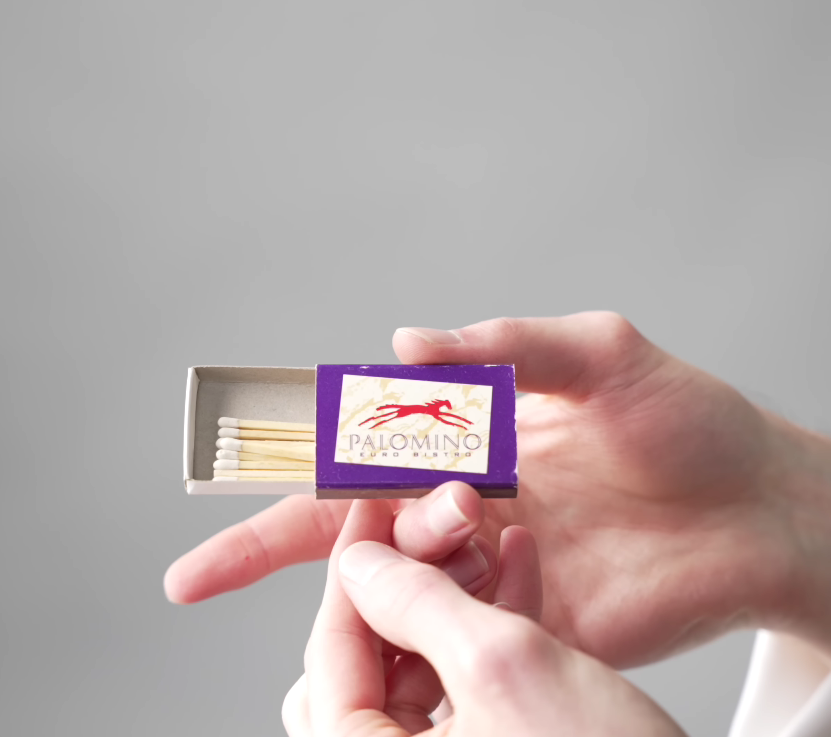
- Matches and Match Safes: Portable lighters were still in their nascent stages of development and not widely common. Therefore, a book or small box of matches was an indispensable item for igniting cigars or pipes. Many gentlemen carried their matches in elegant "match safes"—small, decorative metal cases designed to protect the matches from moisture and crushing, adding another touch of refinement to their daily carry.
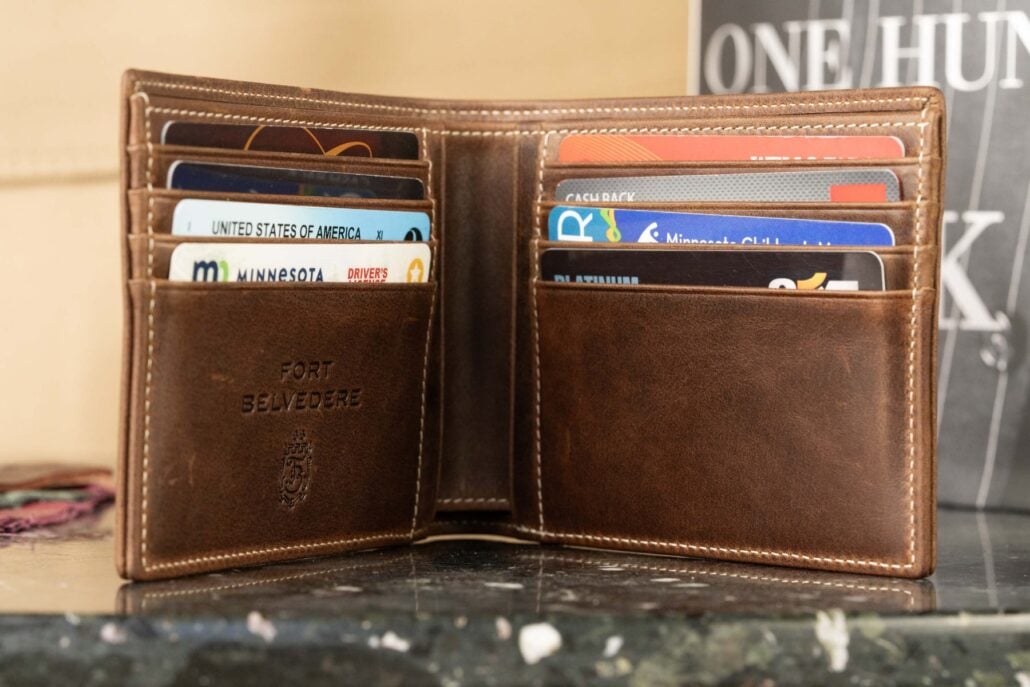
5. The Wallet and Coin Purse: Managing Finances
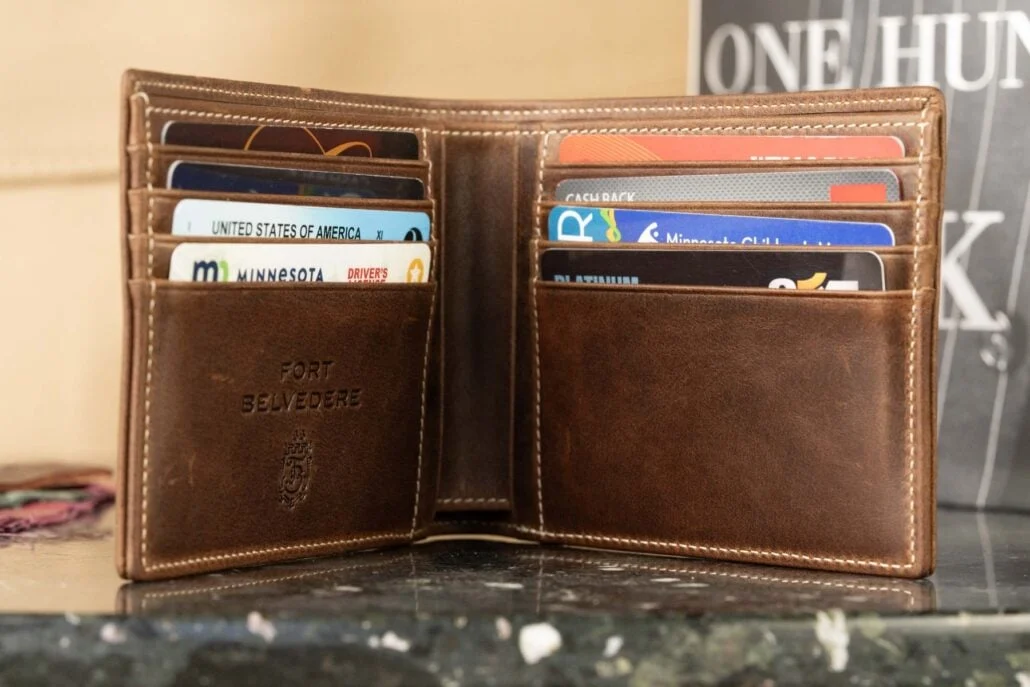
In a world devoid of credit cards, debit cards, or even standardized driver’s licenses, the wallet of a 1900s gentleman served a singular, primary purpose: carrying cash. Paper currency, though increasingly common, was supplemented by a significant reliance on coinage for everyday transactions.
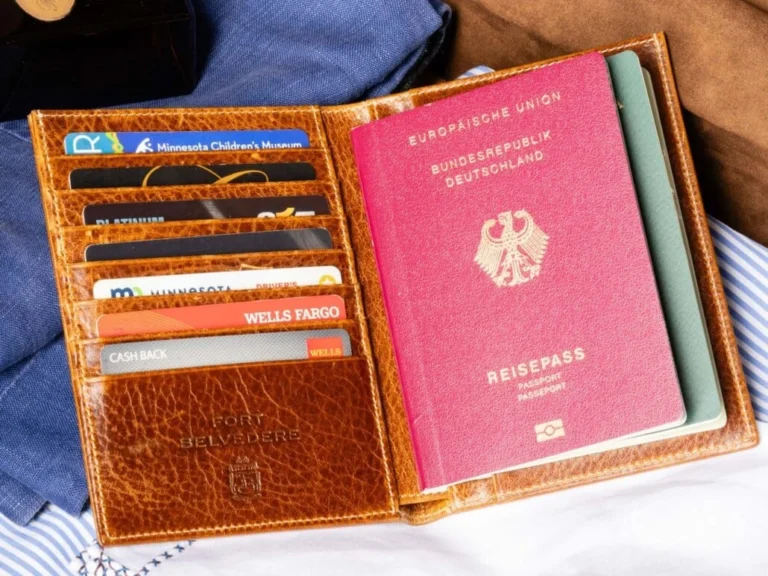
Wallets were typically crafted from durable, high-quality leather, often designed as bi-folds or tri-folds. Their internal structure was simpler than today’s wallets, primarily featuring compartments for banknotes and perhaps a few essential papers. For loose change, a dedicated coin purse was a common companion, preventing the jingle of coins from filling trousers pockets and offering a more organized way to manage small denominations. The materials, often rich full-grain leather, were chosen for longevity and the handsome patina they would develop with age, reflecting a philosophy of purchasing quality items that would endure. Such a wallet was a practical necessity and a subtle statement of discerning taste, much like a well-made leather wallet today.
6. Calling Cards and Cases: The Art of Social Interaction
Social interactions in Edwardian society were governed by intricate rules and rituals, particularly for those of a certain standing. The calling card, or visiting card, was a cornerstone of this social architecture. When visiting a private residence, a gentleman would present his calling card to a servant, who would then convey it to the property owner, facilitating a formal introduction or signifying a polite visit.
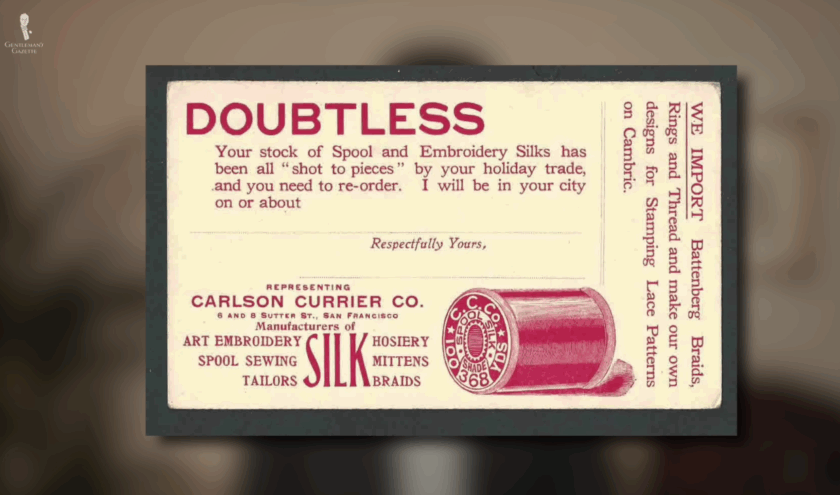
These cards typically featured the visitor’s name and title, and sometimes an address, printed in a refined script. Maintaining their pristine condition was crucial, leading to the widespread use of dedicated card cases. These cases were often exquisite objects in themselves, made from materials such as fine leather, polished metal (silver or gold), or even papier-mâché adorned with mother-of-pearl inlays. While social calling cards were generally simple and elegant, businessmen might carry more elaborate "trade cards" to promote their enterprises. The act of presenting and receiving a calling card was a significant social gesture, underlining the importance of formal introductions and the meticulous attention to detail expected in polite society.
7. The Fountain Pen: The Mark of a Literate Man
Before the advent of cheap, disposable ballpoint pens, a gentleman’s writing implement was a cherished and necessary possession. The fountain pen, with its elegant design and smooth ink flow, was a staple of the Edwardian EDC. In an era where handwritten correspondence, personal diaries, and financial documents were the norm, a reliable, high-quality writing tool was not a luxury but an essential inclusion in any pocket.
Early 20th-century fountain pens were often crafted with care, featuring durable hard rubber or celluloid bodies and gold nibs that provided a superior writing experience. Self-filling mechanisms, like the lever filler, were becoming increasingly common, making them more convenient than their dip-pen predecessors. Carrying a fountain pen signified literacy, attention to detail, and preparedness for the numerous occasions requiring a written mark. The maintenance of such a pen, including refilling with ink and proper cleaning, was part of the daily ritual of a cultivated man, contrasting sharply with the disposable nature of modern writing tools.
8. The Pocket Notebook: Capturing Thoughts on the Go
While paper had existed for centuries, the concept of a compact, bound notebook for everyday use was a relatively new innovation at the turn of the 20th century. The "Silver City Writing Tablet," invented in 1902 by J.A. Birchall, revolutionized portable note-taking. This innovation involved glued, halved sheets of paper backed by cardboard, paving the way for the widespread adoption of pocket-sized, bound notebooks.
For the Edwardian gentleman, a pocket notebook became an invaluable tool for jotting down appointments, addresses, fleeting ideas, expenses, or observations throughout his day. It served as a personal aide-mémoire, a miniature portable office for a man on the move. In a world without digital calendars or note-taking apps, this simple yet effective item ensured that important information was always at hand, reflecting a commitment to organization and the capture of intellectual or practical details. It was, in its time, a cutting-edge personal information management system.
9. Hair Care Items: Maintaining a Presentable Appearance
The social strictures of the 1900s, particularly regarding hat etiquette, dictated that a gentleman frequently remove his hat indoors. This practice necessitated a means of maintaining a tidy coiffure throughout the day. Thus, hair care items were a common, if discreet, part of the Edwardian gentleman’s EDC.
A pocket comb, often made from natural materials like horn or tortoise shell, was essential for re-taming hair after hat removal or simply refreshing one’s appearance. Hair pomade was also widely used to achieve the era’s structured and slicked-back hairstyles. It’s noteworthy that unlike the petroleum-based products that would become popular in the 1920s, pomades of the Edwardian era were often made from natural ingredients such as beeswax, lard, or even bear’s grease, reflecting the organic and less chemically-driven grooming practices of the time. Some gentlemen might also carry a small mustache comb or a tiny pot of mustache wax, depending on their facial hair style, underscoring the era’s emphasis on meticulous grooming.
10. Corrective Lenses: Discreet Aids to Vision

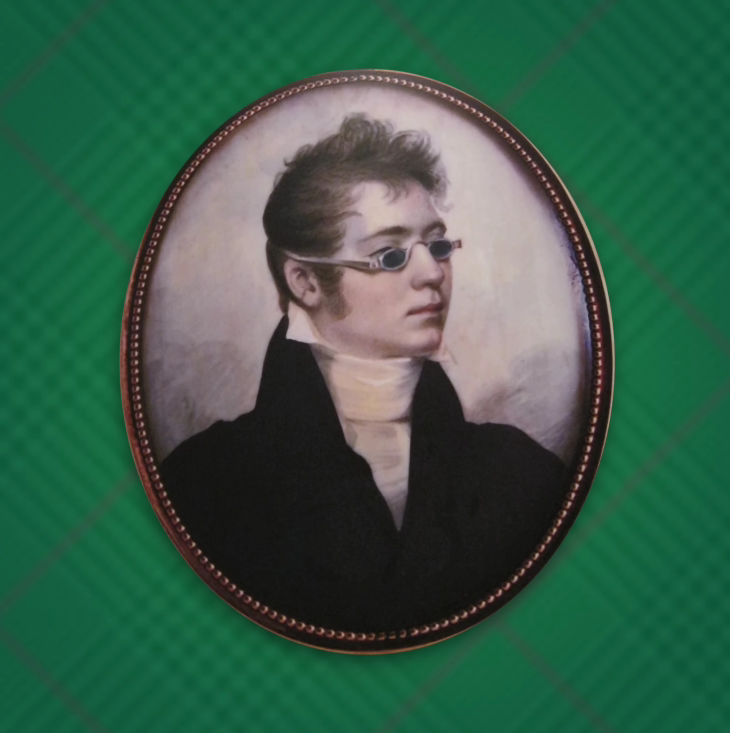
In the 1900s, vision-correcting lenses were often regarded as "medical appliances" and carried a certain social stigma. Permanently wearing spectacles was sometimes associated with age, infirmity, or studiousness, which could be perceived as less fashionable or masculine. Consequently, eyewear was often designed to be unobtrusive and frequently stored in a pocket or case when not actively in use.
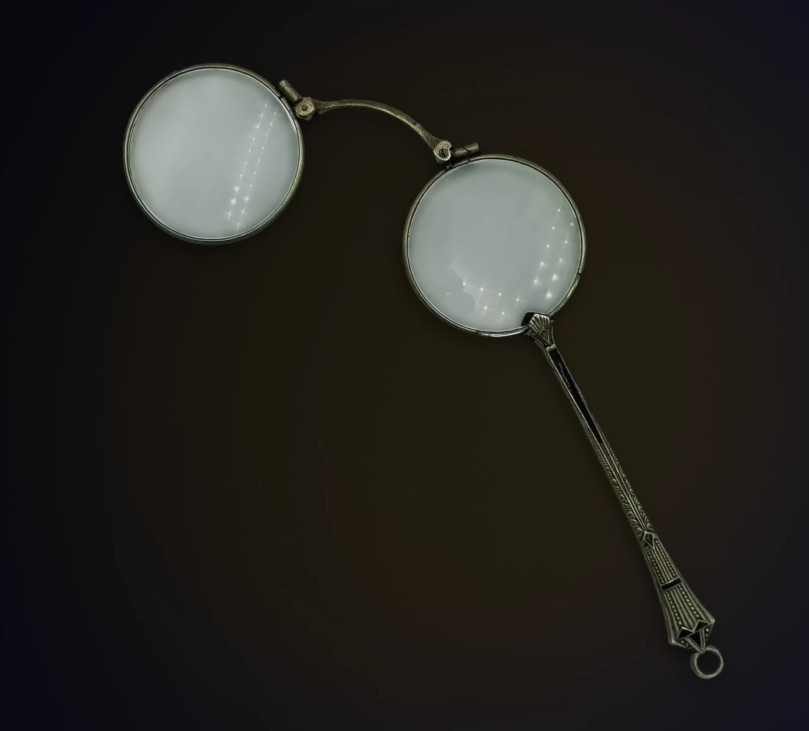
Gentlemen who required vision correction often opted for compact, easily deployable styles:
- Lorgnette: A pair of spectacles with a handle, designed to be held up to the eyes for occasional viewing, such as reading a program at the theater or examining a document. They were often quite ornate, doubling as a fashion accessory.
- Pince-nez: French for "pinch nose," these glasses had no side arms and were held in place by a spring clip on the bridge of the nose. They could be quickly deployed for reading and then just as quickly removed and tucked into a pocket, often secured by a delicate cord attached to the wearer’s clothing.
- Monocle: A single lens held in place by the muscles around the eye, the monocle was a distinctly fashionable, though sometimes affected, choice for some gentlemen.
These designs allowed a gentleman to access visual aid when needed without permanently altering his facial appearance, aligning with the era’s emphasis on discretion and cultivated presentation.
11. The Handkerchief: Utilitarian and Hygienic
Distinct from the purely decorative pocket square, which would later adorn the breast pockets of suits, the handkerchief was a ubiquitous and highly utilitarian item in the Edwardian gentleman’s EDC. Made typically of white cotton or linen, it was a practical tool for various daily needs.
Its primary functions included personal hygiene, such as wiping one’s brow or blowing one’s nose. It was also commonly used for cleaning eyeglasses, polishing shoes, or wiping down surfaces, especially in the often-sooty and dusty urban environments of the industrial age. Offering a clean handkerchief to someone in distress or needing a quick clean was also a gesture of courtesy and preparedness. The handkerchief was a symbol of a gentleman’s self-sufficiency and his consideration for both himself and others, making it an indispensable item that almost every man carried.
Bonus Items: Emerging Technologies and Personal Luxuries
Beyond the essentials, some gentlemen carried additional items that reflected personal habits, emerging technologies, or particular social needs.
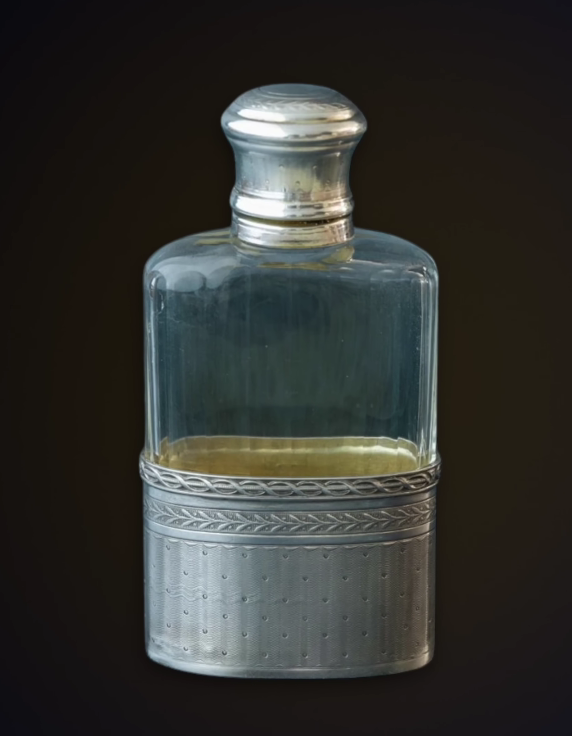
- The Hip Flask: While the hip flask would experience an explosion in popularity during the Prohibition era of the 1920s in the United States, metal and glass flasks were certainly available in the 1900s. For those who wished to carry spirits discreetly on their person, a small, often elegantly designed flask was a personal luxury, typically carried in an inner jacket pocket or hip pocket. It spoke to a degree of independence and indulgence, though usually kept private.
- The Pocket Lamp (Early Flashlight): Electric lighting was cutting-edge technology at the turn of the century. Following the invention of the dry cell battery in 1887, the first portable handheld electric lights began to appear. By 1907, these "flashlights" were available, though they remained expensive novelties. They were primarily used by tradesmen requiring illumination in dark spaces or by early adopters fascinated by new technologies. Their limited battery life and high cost meant they were far from a universal EDC item but represented the early glimmer of modern portable electronics.
- Small Tools and Utility Knives: While "working" knives were often associated with tradesmen, many gentlemen carried a small, folding pocket knife. These were versatile tools used for opening letters, trimming loose threads from clothing, cutting fruit, or performing minor repairs. Such a knife, often with a mother-of-pearl or bone handle, was a discreet symbol of practicality and preparedness.
The Edwardian Gentleman’s Pockets: An Integrated System
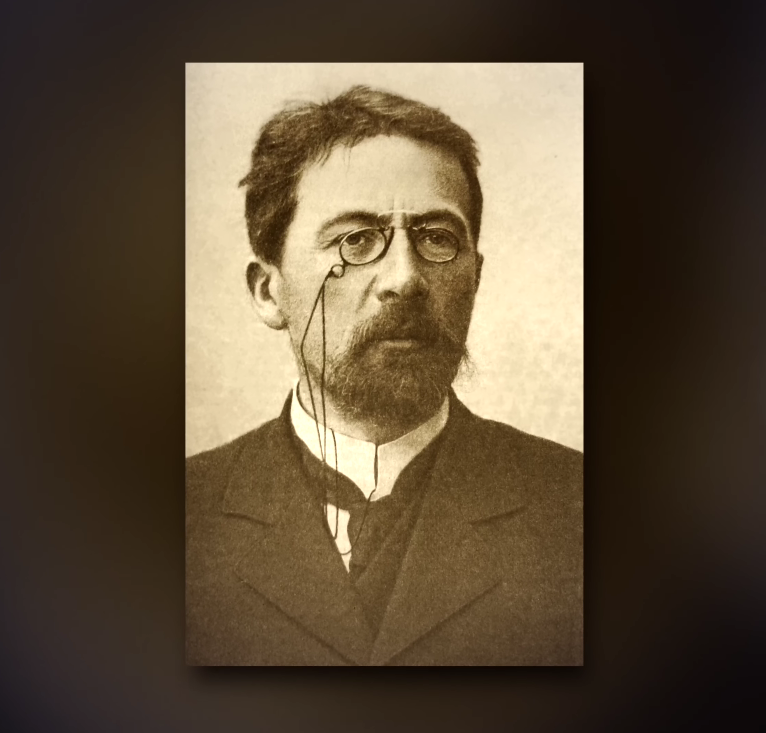
Crucially, the Edwardian gentleman’s clothing was designed to accommodate this array of items. Tailored jackets, waistcoats, and trousers incorporated multiple specialized pockets: small watch pockets in waistcoats, inner breast pockets for wallets and calling card cases, and trouser pockets for keys and coin purses. This intricate system meant that the clothing and the EDC formed an integrated whole, allowing a man to carry his essentials without creating unsightly bulges or compromising his elegant silhouette. The careful placement of each item was part of the daily routine, reflecting the era’s appreciation for order and discretion.
A Reflection on a Bygone Era
The everyday carry of a gentleman in the 1900s offers a fascinating window into a society vastly different from our own. It highlights a world where personal responsibility, social decorum, and tangible objects played a central role in daily life. From the symbolic walking stick to the precision pocket watch, the social calling card to the utilitarian handkerchief, each item tells a story of an era valuing punctuality, meticulous grooming, and a structured approach to social interaction.
These objects were more than just possessions; they were extensions of identity, tools for navigating a complex social landscape, and testaments to the prevailing technologies and values. The subsequent decades, particularly with the seismic shifts brought by World War I and the rapid technological advancements that followed, would dramatically alter what a gentleman deemed essential, leading to the vastly different EDC we know today. Yet, understanding the Edwardian gentleman’s carry reminds us of the enduring human need for preparedness, connection, and a touch of personal style, regardless of the century.