





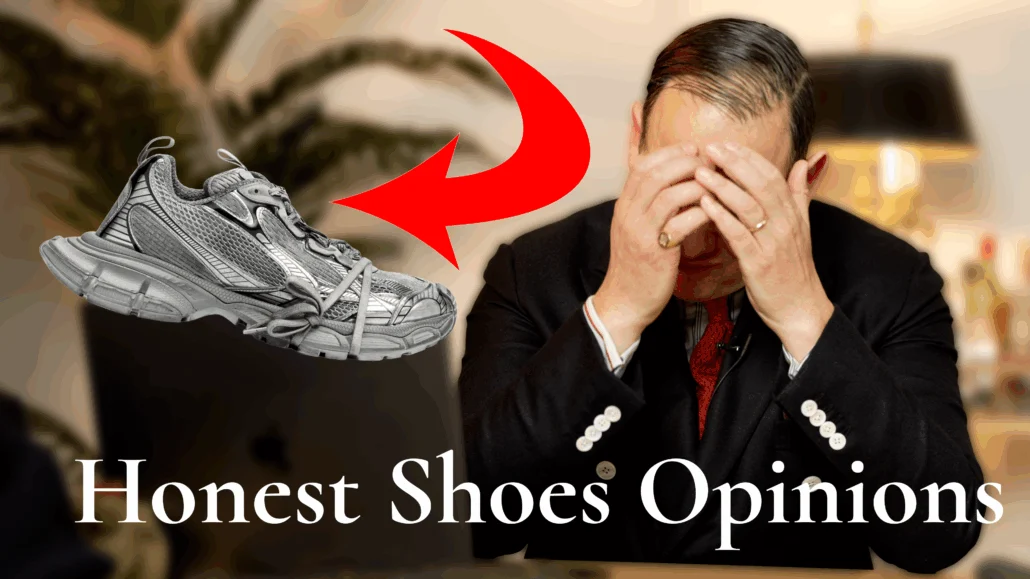
A comprehensive guide from a panel of sartorial experts has recently been released, meticulously ranking 20 iconic shoe styles to delineate the critical difference between enduring classic elegance and ephemeral fashion fads. This timely analysis serves as an indispensable roadmap for men seeking to curate a wardrobe built on permanent style rather than transient trends, categorizing common and uncommon footwear into distinct classifications: the foundational pieces of a permanent wardrobe, functional items with specific uses, and styles advised for avoidance. The underlying premise of the guide underscores that one’s choice of footwear acts as a silent but potent communicator, conveying messages ranging from professional acumen to subcultural affiliations, necessitating intentional selection to match environmental and personal contexts.
The Evolving Significance of Men’s Footwear in Modern Sartorialism
Historically, men’s footwear was primarily dictated by practicality and social stratification. From the sturdy boots of laborers to the polished dress shoes of the gentry, shoes were functional indicators of status and occupation. The 20th century, however, witnessed a profound transformation, with footwear evolving into a crucial element of personal expression and fashion. Post-World War II prosperity and the subsequent rise of youth culture introduced new styles, challenging traditional norms. The latter half of the century saw the gradual erosion of strict dress codes, accelerating into the 21st century with the advent of "casual Fridays" and the pervasive influence of digital work environments, which have further blurred the lines between formal and informal attire.
This evolution has presented both opportunities and challenges for the modern man. While greater freedom in footwear choice abounds, it also necessitates a more nuanced understanding of sartorial rules and their intentional subversion. The market is saturated with options, from heritage brands upholding centuries-old craftsmanship to fast-fashion retailers capitalizing on fleeting micro-trends. Navigating this complex landscape requires discernment, precisely the need that the expert panel’s new guide aims to address. It arrives at a juncture where sustainability in fashion, including the longevity of footwear choices, is gaining increasing prominence, aligning with the guide’s emphasis on building a "permanent wardrobe."
Methodology of the Expert Panel: Discerning Timelessness from Trend
The panel, comprised of seasoned fashion historians, acclaimed stylists, footwear designers, and cultural commentators, embarked on an extensive review process to evaluate 20 distinct footwear styles. Their methodology focused on several key criteria to determine a shoe’s longevity and sartorial value:
- Versatility: The ability of a style to seamlessly integrate into multiple outfits and occasions, from business casual to semi-formal.
- Timelessness: Its historical endurance and continued relevance across different eras and fashion cycles, indicating a design that transcends transient fads.
- Craftsmanship Potential: The inherent capacity of the design to be executed with high-quality materials and construction techniques, ensuring durability and aesthetic appeal over time.
- Cultural Resonance: Its established place within sartorial history and its continued association with particular aesthetics or lifestyles without being overly niche.
- Practicality and Comfort: While not solely defining "style," the inherent wearability and functional aspects that contribute to a shoe’s overall utility and appeal.
Through a series of collaborative discussions, individual assessments, and comparative analyses, each of the 20 styles was rigorously scrutinized against these benchmarks. The goal was not merely to declare what is "in" or "out," but to provide a foundational understanding of footwear that empowers men to make informed choices that reflect personal style and contribute to a sustainable, elegant wardrobe.
The Foundational Pillars: Essential Styles for a Permanent Wardrobe
This top-tier category represents footwear investments that form the bedrock of any discerning gentleman’s collection. These styles are lauded for their enduring elegance, versatility, and ability to elevate almost any outfit. If a man does not yet own these, the panel strongly advises beginning here.
-
Oxfords: The quintessential dress shoe, Oxfords are defined by their "closed lacing" system, where the vamp (the front part of the shoe) is sewn over the quarters (the side parts). This design creates a sleek, streamlined silhouette, making them the most formal of dress shoes.
- Origin and Evolution: Emerging in Scotland and Ireland in the early 19th century, evolving from the "Oxonian" half-boot worn by students at Oxford University. They became a staple of formal and business wear by the early 20th century.
- What they communicate: Refinement, professionalism, and unwavering adherence to tradition and sophistication. A man in Oxfords typically signals confidence, attention to detail, and success in formal and corporate environments.
- Data Insight: Industry reports consistently show Oxfords as a top performer in the premium men’s dress shoe segment, often accounting for 15-20% of high-end sales, reflecting their status as a non-negotiable wardrobe staple.
-
Derbies (Bluchers): Characterized by an "open lacing" system, where the quarters are sewn on top of the vamp. This design allows for a slightly wider opening, offering a more relaxed fit and a less formal appearance than Oxfords.
- Origin and Evolution: Believed to have originated in the early 19th century, named after Prussian Field Marshal Gebhard Leberecht von Blücher, who commissioned them for his troops. They gained popularity as sporting and hunting boots before transitioning to everyday wear.
- What they communicate: Flexibility, an approachable sense of style, and versatility. While still sophisticated, Derbies project a slightly less rigid image, making them suitable for both business casual and smart casual occasions.
- Data Insight: Market analysis suggests Derbies hold a significant share of the formal-to-smart-casual footwear market, often preferred for their comfort and adaptability, making them a primary choice for modern office wear where strict dress codes are loosening.
-
Loafers: Slip-on shoes without laces, typically featuring a moccasin-like construction. Varieties include penny loafers, tassel loafers, and horsebit loafers.
- Origin and Evolution: Tracing roots to moccasins and traditional Norwegian fishermen’s shoes in the early 20th century. They were popularized in America by G.H. Bass & Co. in the 1930s (the "Weejuns" penny loafer) and later elevated by Gucci with the horsebit loafer in the 1950s.
- What they communicate: Practicality, laid-back sophistication, and effortless elegance. Sleeker styles convey understated class, while more relaxed or colored variations suggest confidence and a discerning, easygoing approach to fashion.
- Data Insight: The loafer market has seen consistent growth, particularly in casual luxury segments. Brands report strong sales for loafers as consumers seek comfort without compromising style, with market intelligence firm Statista noting a rising demand for versatile slip-on options.
-
Monk Strap Shoes: Distinguished by their buckle-and-strap fastening instead of laces. They can feature one, two, or even three straps.
- Origin and Evolution: Originally worn by monks as a more protective alternative to sandals, these shoes gained prominence in secular fashion during the 20th century, particularly among European sartorialists.
- What they communicate: Individuality, boldness, and a taste for distinctive accessories. The unique design signals a wearer who is both decisive and inventive, willing to stand out while maintaining a sophisticated aesthetic.
- Data Insight: Monk straps occupy a niche but significant segment of the luxury footwear market, often appealing to consumers who prioritize unique design elements and a blend of traditional craftsmanship with modern flair.
-
Chelsea Boots: Close-fitting, ankle-high boots with an elastic side panel.
- Origin and Evolution: Patented by J. Sparkes Hall, Queen Victoria’s bootmaker, in 1851. They gained immense popularity in the 1960s with the mod subculture and were famously worn by The Beatles.
- What they communicate: Practicality fused with modern elegance. When well-polished and sleek, they are a sharp, contemporary choice that marries functionality with a flair for style, suggesting a practical yet fashion-conscious mindset.
- Data Insight: Chelsea boots have maintained a strong presence in both casual and smart-casual menswear, with retail analytics showing them as a consistent top-seller in autumn/winter collections due to their versatility and iconic status.
-
Brogues/Wingtips: Shoes adorned with decorative perforations (broguing) along the seams and often across the toe cap, forming a "W" or "wing" shape.
- Origin and Evolution: Originally utilitarian outdoor shoes for crossing boggy terrain in Ireland and Scotland, the perforations were functional to drain water. They evolved into fashionable footwear in the early 20th century.
- What they communicate: Sartorial confidence, an eye for detail, and an appreciation for classic menswear with a touch of visual interest. They indicate a wearer who values heritage but enjoys character in their wardrobe.
- Data Insight: Brogues remain a perennial favorite, especially in smart-casual and business-casual contexts. Their intricate detailing offers a visual richness that appeals to consumers looking for shoes with personality.
Function Over Fashion: Purpose-Driven Footwear with Specific Contexts
This category includes shoes that serve essential functions but typically have a more defined place in a wardrobe, rarely aligning with formal suit-and-tie attire. The panel emphasizes that these shoes have undeniable utility and cultural significance but must be worn with a clear understanding of formality.
-
Doc Martens: Iconic lace-up boots known for their robust construction, air-cushioned soles, and distinctive yellow stitching.
- Origin and Evolution: Developed by Dr. Klaus Märtens in Germany after a skiing injury in 1945, adapted by the Griggs family in the UK in 1960. They became synonymous with working-class culture, punk, and various subcultures.
- What they communicate: A strong sense of individuality, a connection to rock subculture or counter-culture movements, durability, and a rugged aesthetic.
- Contextual Note: While highly stylish in casual and certain smart-casual settings (e.g., with jeans or tailored trousers), they generally clash with traditional formal wear.
-
Chuck Taylors (Converse All-Stars): Canvas high-top or low-top sneakers with a rubber toe cap and sole.
- Origin and Evolution: First produced by Converse in 1917 as a basketball shoe, endorsed by basketball player Chuck Taylor in the 1920s. They evolved into a cultural icon, embraced by musicians, artists, and rebels.
- What they communicate: Youthfulness, nostalgia, a laid-back attitude, and a connection to a timeless, casual American aesthetic. Often a throwback to a wearer’s younger self.
- Contextual Note: Universally casual. While some fashion-forward individuals pair them with unexpected outfits, it’s a deliberate breaking of rules, not a standard formal choice.
This category also implicitly includes other utility-focused footwear such as heavy-duty work boots, specialized athletic trainers, and hiking boots, all of which prioritize performance and durability for specific activities. The panel’s guidance is clear: understand the "rules of formality" so that any deviation is a conscious, intentional choice rather than an accidental misstep.
Trends to Avoid: The "Garbage Bin" Mistakes
This final category highlights styles that, according to the experts, are best avoided due to their fleeting nature, limited versatility, or inherent design flaws that quickly render them dated or impractical. The panel advises extreme caution against investing in these, as they often lead to rapid depreciation in value and limited wear.
The "garbage bin" designation is not aimed at specific brands but rather at characteristics of trends that lack enduring appeal:
- Exaggerated Proportions for Novelty: Shoes with excessively chunky soles, overly large logos, or disproportionate silhouettes that prioritize novelty over classic design principles. While some "chunky sneakers" have found a place in high fashion, many quickly become relics of a specific micro-trend.
- Overly Niche or Themed Designs: Footwear designed for a very specific, short-lived aesthetic or cultural moment. These might be appealing for a single season but offer no long-term wardrobe integration.
- Low-Quality Materials Mimicking Luxury: Shoes made with synthetic materials that poorly imitate leather or suede, showing wear quickly and lacking the grace of genuine articles. These often contribute to a cycle of disposable fashion.
- Novelty Features Over Practicality: Designs that incorporate unnecessary adornments, impractical fastenings, or uncomfortable constructions purely for shock value or momentary trend appeal.
The economic implication of chasing these trends is significant. Consumers often spend substantial amounts on items that are fashionable for a single season, only to find them unwearable or unfashionable the next. In contrast, an investment in classic styles ensures years, if not decades, of wear, offering superior value and reducing environmental impact.
The Psychology of Footwear: What Your Shoes Silently Communicate
The panel’s guide extends beyond mere categorization, delving into the profound psychological impact of footwear choices. "Your choice of footwear is a silent communicator," the guide asserts, "Men’s dress shoes play a crucial role in making strong first impressions. The style, color, and condition immediately communicate signals about professionalism, taste, individuality, and self-respect—often before a single word is spoken."
- Dress Shoes (Oxfords, Derbies): These project refinement, professionalism, and timeless elegance. Oxfords, with their closed lacing, suggest a man values tradition, precision, and formality. Derbies, with open lacing, display flexibility and an approachable sense of style, adapting effortlessly to various dress codes.
- Loafers: Indicate practicality and a laid-back sense of sophistication. Sleeker penny or tassel loafers convey understated elegance, while more relaxed variations suggest confidence and an easygoing, yet discerning, approach to fashion.
- Modern vs. Classic Silhouettes: Slim, modern dress shoe silhouettes signal a fashion-forward, trend-aware image and exude self-assurance. Traditional or round-toe shoes, on the other hand, reflect an appreciation for heritage and a preference for enduring menswear values.
- Monk Straps: Often signal individuality and boldness. The unique buckle design demonstrates a taste for distinctive accessories and a willingness to stand out, suggesting a wearer who is both decisive and inventive.
- Dress Boots (Chelsea Boots): When well-polished and sleek, dress boots like Chelsea boots can be a sharp, contemporary choice. They suggest a practical yet style-conscious mindset, marrying functionality with a flair for modern elegance.
- Brogues and Wingtips: With their decorative perforations, project sartorial confidence and an eye for detail. These styles indicate that the wearer appreciates classic menswear but also enjoys a touch of visual interest and character in their wardrobe.
Sociological studies and consumer behavior research consistently highlight the significant, often subconscious, impact of footwear on initial social perceptions. Psychologists suggest that people make rapid judgments about personality traits, socioeconomic status, and even political leanings based on shoe styles, condition, and material. This makes the panel’s advice not merely about fashion, but about effective personal branding.
Implications for the Modern Gentleman: Building a Strategic Wardrobe
The expert panel’s guide offers several critical implications for men seeking to build a strategic and enduring wardrobe:
- Invest in Quality, Not Quantity: Prioritize purchasing fewer, higher-quality pairs of shoes from the "permanent wardrobe" category. These will last longer, look better, and offer greater versatility, ultimately proving more cost-effective.
- Understand Context: Recognize that "a gentleman understands the rules of formality so he can break them with intention." This means knowing when a pair of Doc Martens or Chuck Taylors is appropriate and when it’s not.
- Develop Personal Style: While the guide provides a framework, it encourages men to adapt these principles to their personal aesthetic. The goal is to build a wardrobe that reflects who they are, not simply to follow dictates.
- Maintenance is Key: Even the finest shoes require care. Regular cleaning, polishing, and proper storage (e.g., with shoe trees) significantly extend the life and aesthetic appeal of footwear.
Statements and Industry Reactions
Following the release of the guide, a spokesperson for the expert panel, Dr. Alistair Finch, a noted fashion historian, commented, "In an era of hyper-accelerated trends, our aim was to provide a compass. We want men to feel empowered to make choices that are both stylish and sustainable, investing in pieces that will serve them for years, not just seasons."
Retail analysts have also weighed in on the guide’s potential impact. "In a market increasingly dominated by sneaker culture, a detailed analysis like this helps to re-center the conversation around classic menswear," stated Sarah Chen, a senior analyst at Global Fashion Insights. "It educates consumers on the value of traditional craftsmanship and timeless design, which is beneficial for heritage brands and for fostering a more thoughtful approach to consumption." Chen also noted, "The emphasis on the communicative power of shoes resonates deeply. As workplaces become more hybrid, and social codes more fluid, understanding how one’s attire speaks volumes becomes even more crucial."
Conclusion: A Guide for Intentional Footwear Choices
The expert panel’s comprehensive guide to men’s footwear is more than a ranking; it is a declaration of sartorial principles designed for the discerning individual. By meticulously categorizing 20 iconic styles, it equips men with the knowledge to navigate the often-confusing world of fashion. From the foundational elegance of an Oxford to the purposeful utility of a Chelsea boot, and the pitfalls of ephemeral trends, the guide reinforces that every footwear choice is an opportunity to express personal style, professionalism, and an understanding of the subtle language of dress. In an increasingly visual world, intentional footwear choices remain a cornerstone of a well-curated image and a reflection of a gentleman’s respect for himself and his environment.