






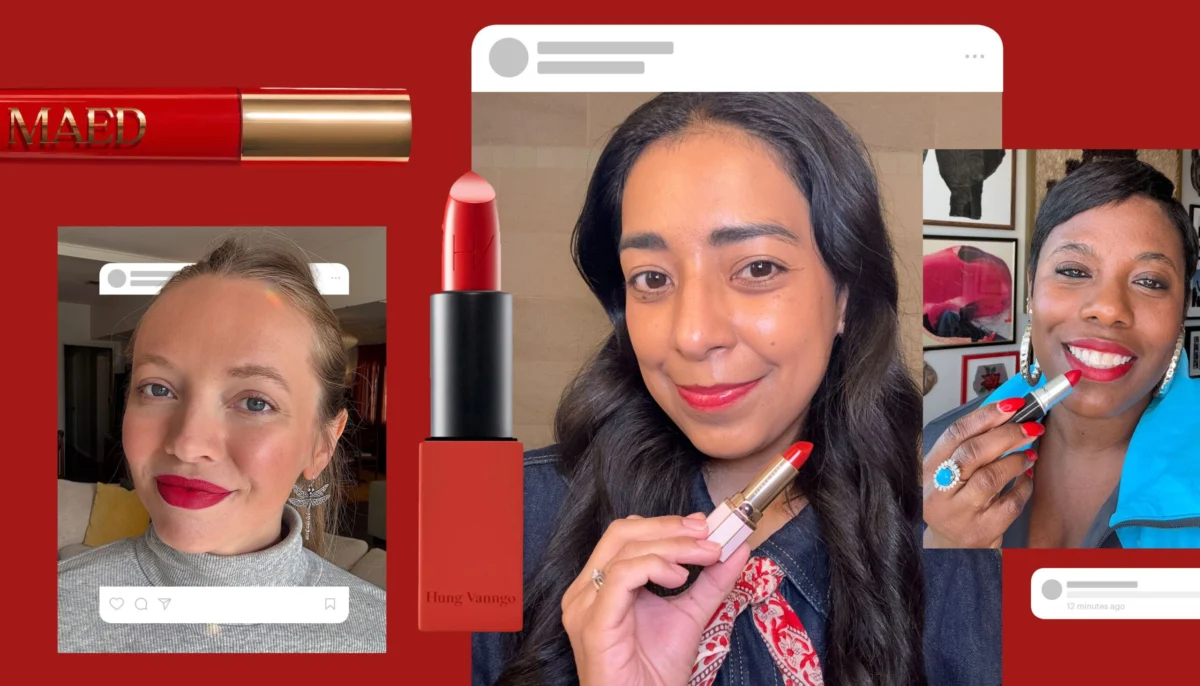
The pursuit of the perfect red lipstick is a rite of passage in the beauty industry, a search that balances color theory, skin chemistry, and personal expression. While the market is saturated with thousands of formulations ranging from matte liquid stains to hydrating balms, the fundamental challenge remains identifying a shade that complements an individual’s unique undertones. According to industry experts, including celebrity makeup artists Fiona Stiles and Diane Kendal, the "right" red is subjective, yet professional guidelines based on color science can significantly narrow the search.
The Science of Undertones and Color Theory
Understanding skin undertones is the most effective way to navigate the spectrum of red pigments. Skin is generally categorized into three undertone groups: cool, warm, and neutral. Makeup artists emphasize that when a lipstick’s undertone aligns with the skin’s natural hue, the result is a harmonious, radiant finish.
For those with cool-toned, fair-to-light-medium complexions, blue-based reds are the industry standard. These shades, which lean toward the cooler side of the color wheel, serve to counteract yellow or sallow tones in the skin. A significant secondary benefit of blue-reds is their ability to make teeth appear whiter, a common aesthetic goal for consumers. Conversely, individuals with warm, medium, or olive complexions often find that orange-red shades are more flattering. These warm pigments resonate with the golden, earthy undertones characteristic of olive skin, providing a "glow" that neutral or cool reds might otherwise mute.
For those with deeper skin tones, the recommendation shifts toward vibrant, pink-based reds or rich, high-pigment berry reds. The higher intensity of these shades prevents them from appearing "flat" against darker skin, instead offering a striking contrast that enhances the complexion’s natural depth. While these guidelines provide a baseline, they are not restrictive laws. Modern makeup artistry encourages experimentation, noting that natural lip color and the desired finish—whether sheer, satin, or matte—will ultimately dictate how a red pigment appears on the skin.
Historical Context and Evolution of Lip Color Longevity
The quest for long-lasting pigment has been a central pillar of cosmetic research for decades. In the early 2010s, makeup artists began formalizing techniques to extend the wear of lip products beyond a few hours. These methods, which remain in use among professional makeup artists today, focus on surface preparation and molecular stabilization.
The chronology of these techniques suggests a transition from purely aesthetic application to a more structural approach. In 2010, artist Peter Phillips introduced a multi-step protocol for lip longevity that prioritized skin health. This methodology began with the removal of dry, dead skin cells via exfoliation—using either a lip scrub or a damp cloth—to create a smooth, consistent surface. This was followed by the application of a clear balm to hydrate the tissue, which was then blotted to remove excess oil that might otherwise break down the lipstick’s binder.
The most significant development in this period was the use of setting powder. By closing the mouth and dusting a fine, translucent powder over the lips with a fluffy brush, artists were able to lock the pigment in place. This technique creates a physical barrier that prevents the transfer of oils and moisture, effectively setting the lipstick without requiring the heavy, drying waxes often found in long-wear formulas.
Market Trends: Matte vs. Satin Formulations
The beauty market has seen a distinct shift in consumer preference regarding texture. While matte lipsticks became the dominant trend of the 2010s due to their extreme longevity, they are frequently associated with dehydration. Recent industry analysis indicates a pivot toward satin-finish and pearlescent lipsticks.
These products utilize light-reflecting pearl pigments to create the illusion of shine and dimension without sacrificing the pigment load of a matte product. Because these formulas rely on optical effects rather than heavy emollients or thick oils, they tend to remain stable on the lips for longer durations. This shift suggests a broader trend in the cosmetic industry: consumers are increasingly demanding "high-performance" products that do not compromise on the health of the skin.
The Industry Standard: What Defines a Universal Red?
Despite the nuance of undertones, the industry often highlights "universal" shades—colors that have historically performed well across a wide demographic spectrum. The most cited example is MAC’s Ruby Woo. This specific blue-red shade is frequently referenced in beauty literature as a classic due to its unique balance of pigment and opacity, which allows it to maintain its color integrity on a diverse range of skin tones.
Makeup artists like Tim Quinn and Jalia Pettis emphasize that the "universality" of a shade is often augmented by application technique. The use of a matching lip liner can keep a red looking sharp and prevent feathering, while a liner that mimics the natural lip color creates a softer, more diffused edge. Furthermore, the sheer texture of a stain or balm can often make a bold, intimidating red more accessible for those who feel overwhelmed by high-coverage matte formulas.
Methodology and Editorial Rigor in Product Evaluation
To determine the efficacy of modern beauty products, professional testing organizations, such as Allure, utilize a multi-faceted evaluation process. This process is designed to strip away marketing claims and focus on measurable performance metrics.
Testing protocols typically categorize evaluation into five primary domains:
- Ingredient Efficacy: A review of the formulation to ensure the presence of active ingredients that serve the brand’s claims, vetted by dermatologists and cosmetic chemists.
- Packaging: Assessment of the product’s delivery mechanism, focusing on user-friendliness and durability.
- Fragrance and Sensory Profile: A subjective but critical assessment of the product’s scent and sensory appeal, which impacts the long-term consumer experience.
- Texture and Application: Measuring the ease of application and the consistency of the pigment across the lip surface.
- Wear and Longevity: The primary metric, which involves real-world testing under varied conditions, such as eating, drinking, and humidity.
This analytical approach ensures that recommendations are based on objective performance rather than brand perception. The inclusion of a diverse panel of testers—spanning different age groups, ethnicities, and skin types—is critical to this methodology. Without a broad demographic pool, product testing remains skewed toward limited biological profiles, which is why modern editorial standards now require diverse testing cohorts.
Broader Implications of Inclusive Beauty Standards
The evolution of how we talk about "the best red lipstick" reflects a significant change in the beauty industry’s approach to inclusivity. Historically, beauty standards were often prescribed through a singular, narrow lens. Today, the dialogue has shifted toward empowerment and personal agency. As Fiona Stiles notes, the right red is the one that makes the wearer feel confident.
This shift has economic implications as well. Brands that fail to provide a wide range of undertones or that do not cater to different skin textures risk losing market share to competitors that prioritize diversity. As consumers become more educated on the science of color theory and ingredient efficacy, the demand for transparency and professional-grade performance has reached an all-time high.
In conclusion, while the perfect red lipstick remains a personal journey, the tools for finding it are more sophisticated than ever. By leveraging knowledge of color undertones, employing proper preparation and setting techniques, and favoring high-performance formulations, any consumer can successfully integrate a red lip into their aesthetic repertoire. The industry’s commitment to rigorous testing and diverse representation ensures that these beauty standards are no longer just a luxury, but an accessible reality for everyone.