

The annual approach of October 31 prompts a distinct seasonal shift across the fashion, beauty, and entertainment industries, moving past abstract pop-cultural references and meme-inspired ensembles toward timeless archetypes. While contemporary internet culture routinely yields transient, highly specific costumes—often requiring extensive explanation at social gatherings—traditional motifs such as felines, witches, clowns, and monsters maintain enduring appeal. Archivists and style editors frequently look to high-fashion editorials and avant-garde editorial spreads to anchor modern Halloween styling in historical design movements and subcultural aesthetics. To assist with seasonal conceptualization, an examination of five distinct editorial shoots from the Dazed Beauty archives offers a comprehensive blueprint for executing elevated, conceptually rich Halloween costumes rooted in high fashion, cinematic history, and mythological fantasy.
The Feline Archetype: FKA Twigs and the 2020 Birthday Celebration
Few Halloween motifs possess the historical longevity of the cat costume, yet execution frequently risks leaning into cliché. In 2020, musician and performance artist FKA twigs elevated the archetype by hosting an immersive, cat-themed birthday celebration that subsequently established a high-water mark for feline-inspired styling. The event, held between the release cycles of her critically acclaimed projects MAGDALENE and Eusexua, challenged attendees to reinterpret the classic animal trope through elevated beauty and avant-garde couture.
“I think it is just funny to get 100 adults to dress up as cats,” FKA twigs remarked regarding the conceptual foundation of the gathering.
To achieve the striking visual results captured by photographer Roxy Lee, guests enlisted the expertise of MAC Cosmetics senior artist Rachel O’Donnell. The resulting makeup applications drew direct inspiration from the original 1980s stage production of Andrew Lloyd Webber’s Cats, utilizing theatrical shading, feral eyebrow shaping, and intricate facial prosthetics. Attendees modified the traditional silhouette by incorporating custom latex masks, avant-garde hair coloring, and sculptural headwear. For individuals attempting this look independently, beauty historians recommend prioritizing structured, hand-drawn feline eye makeup and textured, synthetic hairpieces over mass-market accessories to achieve an editorial finish.
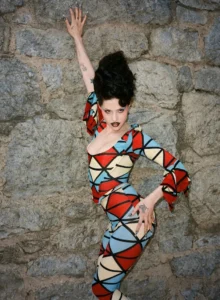
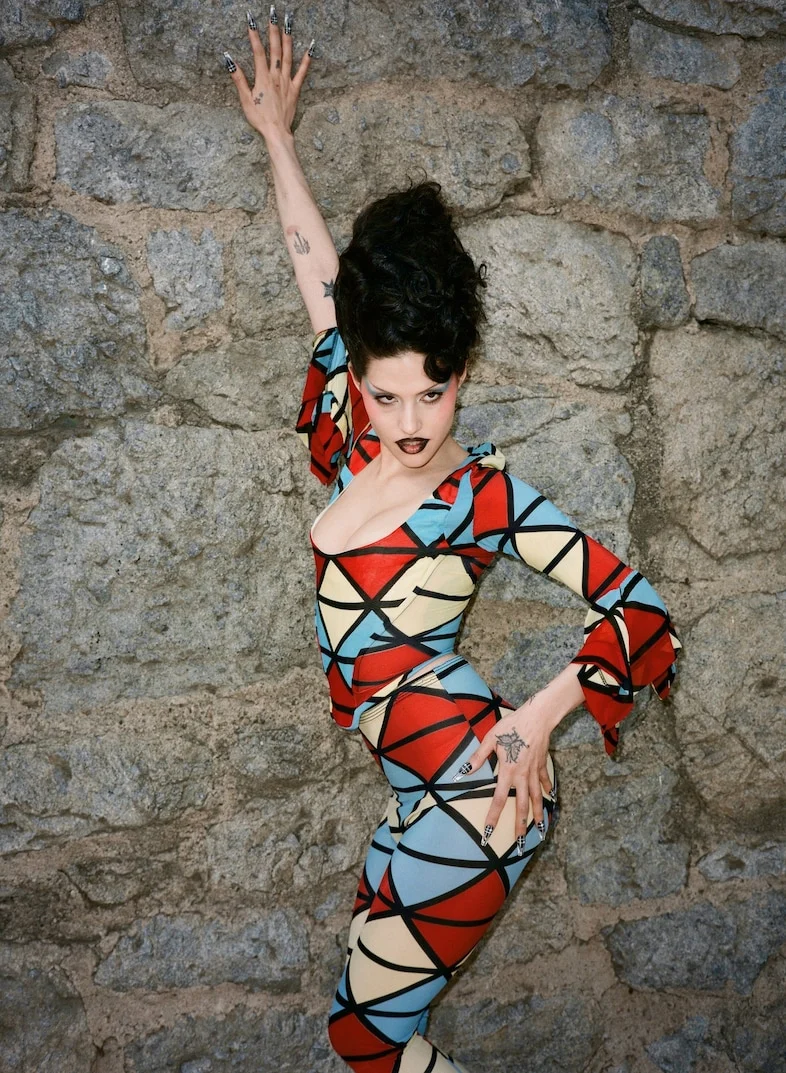
The Harlequin Revival: Gabbriette’s Tribute to Vivienne Westwood
Translating historical runway fashion into a modern Halloween costume presents significant technical challenges, yet model and digital icon Gabbriette successfully bridged the gap in a widely circulated Vivienne Westwood-inspired editorial lensed by photographer Jen Wolf. Supported by a creative team featuring makeup artist Jezz Hill, hairstylist Eric Williams, and nail artist Juan Alvear, the shoot served as a comprehensive retrospective of Westwood’s most provocative design contributions.
The centerpiece of the editorial was a meticulous recreation of Westwood’s legendary Harlequin aesthetic from the Autumn/Winter 1989 collection. The look is defined by a stark, powdered white complexion, a sky-high architectural beehive hairstyle, and hyper-exaggerated, razor-thin brows. Modern recreations of this look rely heavily on contemporary cosmetics techniques, including a sharp red ombré lip and heavy, Nina Hagen-inspired blush placement across the cheekbones and temples. Industry analysts note that incorporating signature Vivienne Westwood tartan prints—whether through manicured acrylic nails or vintage accessories—cements the historical accuracy of the ensemble, transforming a generic clown costume into an authenticated piece of fashion history.
The Gothic Spell: Alexa Demie’s Cinematic Witch Interpretation
The cultural footprint of HBO’s Euphoria cemented actress Alexa Demie as a modern beauty icon, yet her collaborative editorial work continues to explore darker, more atmospheric territories. In an exclusive cover shoot for Dazed Beauty photographed by Bunny Kinney, Demie abandoned her signature suburban glamor in favor of an austere, fog-drenched gothic witch persona.
The conceptual styling relies on a triad of minimalist beauty choices: a deathly pale complexion, rigidly straight obsidian hair, and a high-gloss, arterial red lip. Captured against moody, low-light environments, Demie’s look is anchored by stark black talon manicures and deep, smudged obsidian eyeshadow that evokes classic horror cinema rather than whimsical folklore. Fashion commentators have observed that the strength of a gothic witch costume lies in its textural contrast; pairing severe, structured beauty techniques with modern avant-garde knitwear or vintage mourning attire creates an immediate cinematic gravity. As stylistic convention dictates, accessories remain minimal, though editorial stylists frequently note that dramatic props, such as ceremonial blades or vintage walking sticks, serve to complete the narrative.
Cinematic Horror: Frances O’Sullivan and Vintage Hollywood Villains
The intersection of classic Hollywood horror and contemporary editorial beauty reached a distinct apex through the ongoing conceptual work of director, artist, and digital personality Frances O’Sullivan. Known within the seasonal styling community for her rigorous annual horror retrospectives, O’Sullivan specializes in translating the cinematic villains of the mid-20th century into high-fashion photographic tableaux.
Her archive features meticulous recreations of classic silver-screen antagonists, characterized by a seamless blend of classic glamour and visceral special-effects makeup. Key visual elements include ghostly, powder-white complexions contrasted against meticulously coiffed 1950s hairstyles and precise, theatrical faux injuries. According to aesthetic critiques of the work, the primary strength of the Hollywood villain archetype is its psychological juxtaposition. By pairing an immaculate, all-American beauty standard—such as polished pin-curls and minimal daytime makeup—with jagged faux lacerations and arterial blood effects, wearers achieve a disquieting visual tension that elevates the costume far above standard retail offerings.
Mythological Surrealism: Tierra Whack’s Bridal Cyclops
Venturing outside standard cinematic and animalistic tropes, mythological figures offer rich conceptual territory for holiday styling. In 2018, visionary photographer Petra Collins teamed up with psychedelic rap artist Tierra Whack to produce a striking surrealist editorial centered around the ancient Greek myth of the Cyclops.
The resulting look reimagined the mythical creature through a high-fashion bridal lens. Whack was styled in an intricate Simone Rocha dress constructed from layered white lace, tulle, and voluminous ruffles, paired with long braided pigtails and a dusting of saccharine pink blush. The pièce de résistance of the ensemble was a hyper-realistic prosthetic third eye placed squarely on the forehead, seamlessly blended into the skin to mimic natural anatomy.
Fashion analysts evaluating the enduring appeal of the bridal-cyclops aesthetic point to its modular versatility. The primary financial and creative investment rests entirely within the acquisition and application of the prosthetic third eye; the surrounding garments can be entirely personalized using existing wardrobe staples, ranging from vintage wedding gowns to contemporary streetwear. This adaptability allows wearers to maintain a high level of comfort while engaging in complex conceptual styling.
Broader Implications and Seasonal Trends
The ongoing reliance on high-fashion archives for seasonal costume inspiration reflects a broader cultural shift within contemporary fashion consumption. Industry data indicates a steady decline in the popularity of mass-produced, licensed costumes in favor of bespoke, archival, and historically referenced ensembles. Consumers increasingly view Halloween not merely as a night of escapism, but as a legitimate platform for sartorial expression, artistic curation, and historical homage.
Cultural historians suggest that borrowing from editorial archives allows individuals to participate in shared cultural narratives without relying on ephemeral internet memes that risk immediate obsolescence. By anchoring contemporary celebrations in the visual languages established by designers like Vivienne Westwood, photographers like Petra Collins, and performers like FKA twigs, modern dressers ensure their seasonal styling remains culturally resonant, historically grounded, and aesthetically compelling.