







The annual holiday shopping season brings a unique set of pressures, particularly as consumers balance the desire to provide thoughtful, high-quality gifts with the necessity of maintaining personal financial discipline. As inflationary pressures continue to influence consumer sentiment, data from the National Retail Federation (NRF) suggests that shoppers are increasingly prioritizing "value-driven luxury"—the search for premium products that offer high utility and aesthetic appeal without exceeding a moderate price point. Amazon, as the world’s largest e-commerce retailer, has become the primary destination for this segment of the market, effectively democratizing access to prestige brands through curated travel sets, discovery kits, and limited-edition bundles.
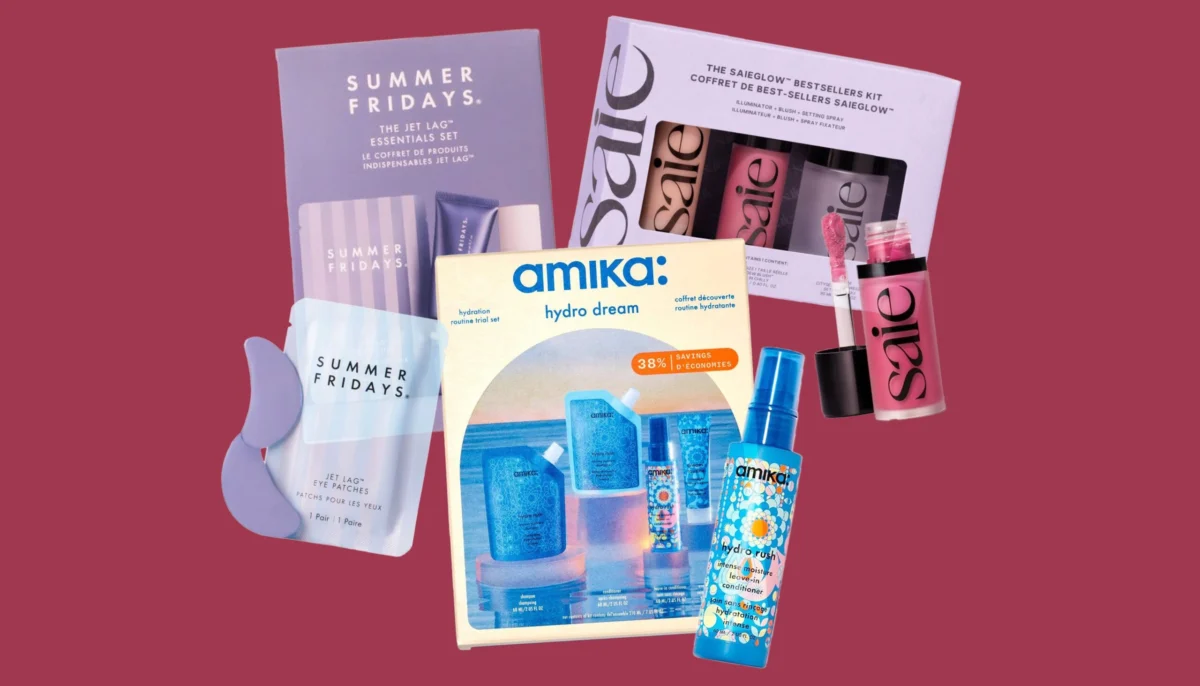
The strategy of gifting miniature or travel-sized versions of high-end beauty and wellness products has evolved from a niche trend into a robust pillar of the gift-giving economy. By bundling top-tier items from prestige labels like Sol de Janeiro, Elemis, and Estée Lauder, retailers allow consumers to gift "experience" rather than just a single item. This shift is particularly evident in the beauty sector, where the "glass skin" aesthetic and professional-grade hair care have become mainstream cultural markers, driven by social media influence and increased consumer education.
The Evolution of the Accessible Luxury Market
To understand the current appetite for sub-$50 gifting, one must look at the timeline of the "prestige-for-less" movement. Over the past five years, the beauty industry has seen a pivot away from full-sized, expensive product commitments toward lower-cost trial kits. This transition was accelerated by the 2020 global pandemic, which shifted consumer habits toward online purchasing and at-home self-care routines. According to market research from McKinsey & Company, the beauty industry has proven exceptionally resilient, with "accessible luxury" emerging as the fastest-growing category.
In late 2023 and throughout 2024, the integration of direct-to-consumer (DTC) brands into the Amazon ecosystem has further narrowed the gap between mass-market affordability and luxury standards. Brands that were once exclusive to high-end boutiques or department store beauty counters—such as Laneige, Summer Fridays, and OSEA—now leverage Amazon’s fulfillment network to reach a broader demographic. This logistical evolution allows for competitive pricing, often keeping these high-demand "it" products well under the $50 threshold.
Curated Categories for the Discerning Gifter
The modern consumer is rarely shopping for a single demographic. The current market for holiday gifts is segmented into distinct psychological categories: the "K-beauty enthusiast," the "minimalist," and the "practical tech-user."
Skin Care: The Rise of Professional-Grade Kits
For those seeking to gift dermatological-grade results, the current market is dominated by multi-step kits. For example, the Medicube Glass Skin Collagen Trial Kit addresses the consumer demand for K-beauty—a sector that grew by over 20% in U.S. market share last year. By providing a four-piece regimen—toner, serum, cream, and a collagen wrapping mask—brands provide a comprehensive experience rather than a one-off item. Similarly, Elemis has capitalized on the popularity of the cleansing balm by pairing it with priming moisturizers and nighttime facial treatments. Industry analysts note that this "layering" approach to gifting increases the perceived value of the purchase, as the recipient feels they have received a complete solution to a skin concern rather than a single product.

Hair Care: From Salons to Stocking Stuffers
The shift toward professional-level hair care at home is perhaps most visible in the success of tools like the Revlon One-Step Volumizer. Having secured multiple industry awards, the device has become a staple in the beauty category. However, the current trend is leaning toward "maintenance and health," with brands like Moroccanoil and Pattern Beauty offering travel-friendly styling suites. These kits are specifically designed to cater to diverse hair textures—coily, curly, and straight—demonstrating a maturation in the market where inclusivity is no longer an afterthought but a prerequisite for success.
Fragrance: The Art of Discovery
Fragrance has historically been a difficult gift to purchase due to its subjectivity. The solution, which has seen a surge in popularity, is the "discovery set." Brands like Phlur and Nest New York have pioneered this by offering collections of body mists and eau de parfums. This model allows the recipient to experiment with scents without the pressure of committing to a single full-sized bottle. From a retail perspective, this strategy lowers the barrier to entry for the consumer while increasing brand loyalty, as the user is more likely to purchase a full-sized bottle of the scent they eventually prefer.
Economic Implications and Consumer Behavior
The decision to cap the budget at $50 is a strategic one for the average shopper. Data from Deloitte’s annual holiday retail survey indicates that shoppers are setting tighter limits on discretionary spending for 2024. By focusing on products that offer high brand equity—names that are recognizable and carry a reputation for quality—consumers can maximize the "perceived value" of their gift.
Industry experts often refer to this as the "lipstick effect," a phenomenon where, even during economic downturns, consumers continue to purchase small luxury goods to maintain a sense of normalcy and indulgence. In the current retail climate, this has expanded to include everything from high-end hand creams from L’Occitane to functional tech accessories like the Apple AirTag or JBL portable speakers.
Broader Impact on the Retail Landscape
The success of these Amazon-based gift lists reflects a broader transformation in how products are marketed and consumed. The influence of editorial reviews—often featured in publications like Allure—acts as a trust-building mechanism for the digital shopper. When a product is vetted by industry editors and subsequently made available on a platform as accessible as Amazon, it validates the consumer’s choice.
Furthermore, the logistical efficiency of Amazon’s Prime shipping and its robust, often-simplified return policies have made the platform a safe harbor for gift-givers. As we look toward the remainder of the holiday season, the expectation is that these curated, sub-$50 sets will continue to outperform individual luxury items. They represent a harmonious intersection of prestige and pragmatism, allowing consumers to navigate the complexities of holiday gifting without the burden of financial strain.
Ultimately, the best gifts in this category are those that solve a problem or provide a moment of respite. Whether it is a weighted eye mask from Nodpod for a stressed parent or a high-performance setting spray from Milk Makeup for a beauty enthusiast, these gifts succeed because they are purposeful. As the retail landscape continues to evolve, the focus will likely remain on these compact, high-value bundles, ensuring that luxury remains accessible to all, regardless of the budget at hand.