










The intersection of the circular economy and on-demand logistics reached a new milestone this week as By Rotation, one of the United Kingdom’s most prominent peer-to-peer fashion rental platforms, announced a strategic partnership with ride-sharing and delivery giant Uber. The collaboration, which runs through May 31, introduces a high-speed delivery option designed to eliminate the logistical barriers that have historically hindered the growth of fashion rentals. Under the terms of the agreement, users of the By Rotation application across the U.K. can arrange for neighborhood outfit rentals to be delivered directly to their doorsteps within 60 minutes via Uber Courier, complete with an automatic 10% discount on the delivery service.
While the promotional discount applies universally across all apparel categories on the platform, the initiative is intentionally timed and structured to address a specific seasonal surge: the high demand for winter sports attire. According to company metrics, approximately 30% of consumers renting ski gear on the platform actively seek same-day pickup options. By partnering with Uber, By Rotation aims to resolve the logistical friction associated with traditional ski rentals—namely, the burden of purchasing, storing, and transporting bulky, expensive cold-weather gear for short vacations.
The Evolution of Experiential Collaborations
This alliance marks the latest in a series of innovative brand partnerships for By Rotation as it seeks to embed circular fashion into mainstream consumer habits. The company previously joined forces with home-sharing marketplace Airbnb to offer complimentary destination wedding wardrobe rentals for guests traveling abroad. That campaign, much like the current venture with Uber, was engineered to meet consumers at the exact moment and location of their need.
The timing of the Uber collaboration coincides with a broader cultural and retail trend. Online interest in ski and winter sports fashion has surged, fueled by aesthetic trends on social media platforms and a steady interest in winter tourism across Europe. Industry data indicates that the number of U.K. skiers continues to show resilience, ensuring a steady stream of consumers looking for high-end ski apparel without the commitment of retail ownership.
Tackling the Emergency Economy and Sartorial Panic
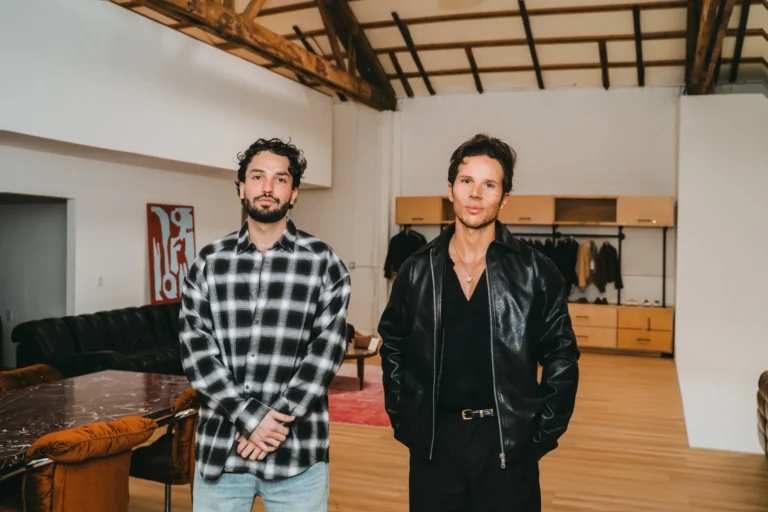
According to Eshita Kabra-Davies, founder and chief executive officer of By Rotation, the genesis of the Uber partnership lies in direct observation of consumer behavior. While users enthusiastically embraced the environmental and financial benefits of peer-to-peer rentals, they simultaneously demanded the immediate gratification, speed, and reliability associated with traditional e-commerce.
“With one in four rentals made within 48 hours of an event, logistics was the final friction point,” Kabra-Davies explained. She describes this phenomenon as the “emergency economy” or a moment of “sartorial panic,” wherein an individual realizes they require a specific outfit on short notice. Historically, this realization triggered an immediate impulse to visit a brick-and-mortar retailer for a rapid, often unsustainable "panic purchase." By integrating Uber’s rapid delivery network, By Rotation intends to disrupt this linear consumer habit by removing the barrier of delivery wait times.
“It gives our community the luxury of choice; they can now secure a high-quality, high-value piece over a disposable garment, simply because it can reach their door just as quickly,” Kabra-Davies added.
To utilize the service, renters browsing neighborhood items simply navigate to the app’s checkout page, where a pop-up banner prompts them to select Uber Courier. The designated By Rotation discount is applied automatically to the transaction, seamlessly blending peer-to-peer asset sharing with enterprise-grade logistics infrastructure.
Shifting From Fast Fashion to Slow Fashion
The environmental implications of the fashion industry remain a central driver for the explosive growth of the sharing economy. Widely documented research ranks the global fashion industry among the most polluting sectors in the world, heavily reliant on resource-extraction, chemical-intensive textile manufacturing, and carbon-heavy global supply chains. In response, younger demographics—notably Generation Z and millennials—have increasingly turned toward alternative consumption models, including vintage resale platforms and peer-to-peer rentals, as analyzed extensively by economic and cultural commentators.
Kabra-Davies notes that the transition from fast fashion to slow fashion has often been hindered by convenience. By bridging the gap between peer-to-peer lending and 60-minute urban logistics, the partnership with Uber attempts to make sustainable fashion choices as frictionless as conventional retail delivery.
A Timeline of Growth: From 2019 Launch to Global Ambitions
The trajectory of By Rotation reflects the rapid maturation of the fashion tech sector over the past half-decade. Kabra-Davies founded the platform in 2019, envisioning a digital community where individuals could monetize their existing wardrobes while simultaneously reducing textile waste. Over the subsequent years, the platform scaled into one of the largest peer-to-peer rental networks globally, boasting a community of over one million registered users—including prominent cultural figures such as British singer-songwriter Ellie Goulding—and managing a luxury inventory valued in excess of $100 million.
The economic impact of the platform extends beyond environmental sustainability, frequently yielding tangible financial benefits for its lenders. Kabra-Davies highlighted instances where top-tier lenders on the platform successfully generated substantial supplementary income from their dormant wardrobes, with one prominent lender utilizing her earnings to fund her in-vitro fertilization (IVF) journey, ultimately leading to a successful surrogacy.
Following its initial establishment in the U.K., By Rotation expanded its footprint internationally by launching in New York City in 2022. The company’s medium-term roadmap includes further international expansion into markets such as the United Arab Emirates, alongside ongoing efforts to optimize its digital and logistical infrastructure.
“Our ambition, like Uber’s, is global,” Kabra-Davies stated. “We want to make the ‘rotating wardrobe’ the default mode of consumption everywhere.”
Broader Industry Implications and Market Outlook
The partnership between By Rotation and Uber underscores a broader convergence between traditional gig-economy delivery networks and niche sustainability platforms. As consumer expectations for delivery speed continue to be shaped by mega-retailers, sharing-economy startups face mounting pressure to offer comparable fulfillment capabilities without compromising their ethical or environmental ethos.
By leveraging existing third-party logistics infrastructure rather than attempting to build proprietary delivery fleets, By Rotation has established a capital-efficient model for scaling same-day rentals. Industry analysts suggest that if the U.K. pilot successfully reduces cart abandonment rates and captures a significant share of the seasonal "emergency economy" market, similar logistics-platform integrations could become an industry standard across the global fashion rental and resale sectors.
As the collaborative pilot continues through the spring season, its performance will likely serve as a bellwether for how circular economy businesses can successfully partner with on-demand tech giants to alter consumer behavior permanently.