





The fashion retail sector faces a period of significant recalibration as of October 2, 2026, underscored by a series of high-profile corporate announcements that reflect broader macroeconomic pressures and shifting consumer preferences. From the restructuring efforts at global giant Nike to the strategic leadership shifts at heritage brands like Burberry and the high-street reappearance of Ted Baker, the industry is navigating a complex landscape defined by digital transformation, operational efficiency, and a renewed focus on brand identity.
Nike’s Q1 Revenue Decline and Strategic Restructuring
Nike, the world’s largest sportswear manufacturer, reported a disappointing first quarter for fiscal year 2027, with revenues tumbling as the brand grapples with a cooling demand in key global markets. The decline, which follows several quarters of volatility, has prompted the company to announce a sweeping restructuring plan designed to streamline its operations and reduce overhead costs.
The decision to restructure is widely viewed as a direct response to a changing competitive environment where agile, direct-to-consumer (DTC) players and emerging lifestyle brands have successfully encroached upon Nike’s market share. Historically, Nike has relied heavily on its massive wholesale distribution network; however, the shift toward a more focused, digital-first model has faced execution hurdles. Analysts suggest that the restructuring will likely involve a workforce reduction and a consolidation of regional management teams to accelerate decision-making processes.
This pivot marks a critical juncture for Nike. Having navigated the post-pandemic supply chain crises, the company is now contending with a global consumer base that is increasingly price-sensitive and cautious about discretionary spending. By refocusing on core product categories and leveraging automation within its supply chain, Nike aims to regain the momentum that historically defined its market dominance.
The Drapers Awards 2026: Recognizing Industry Excellence
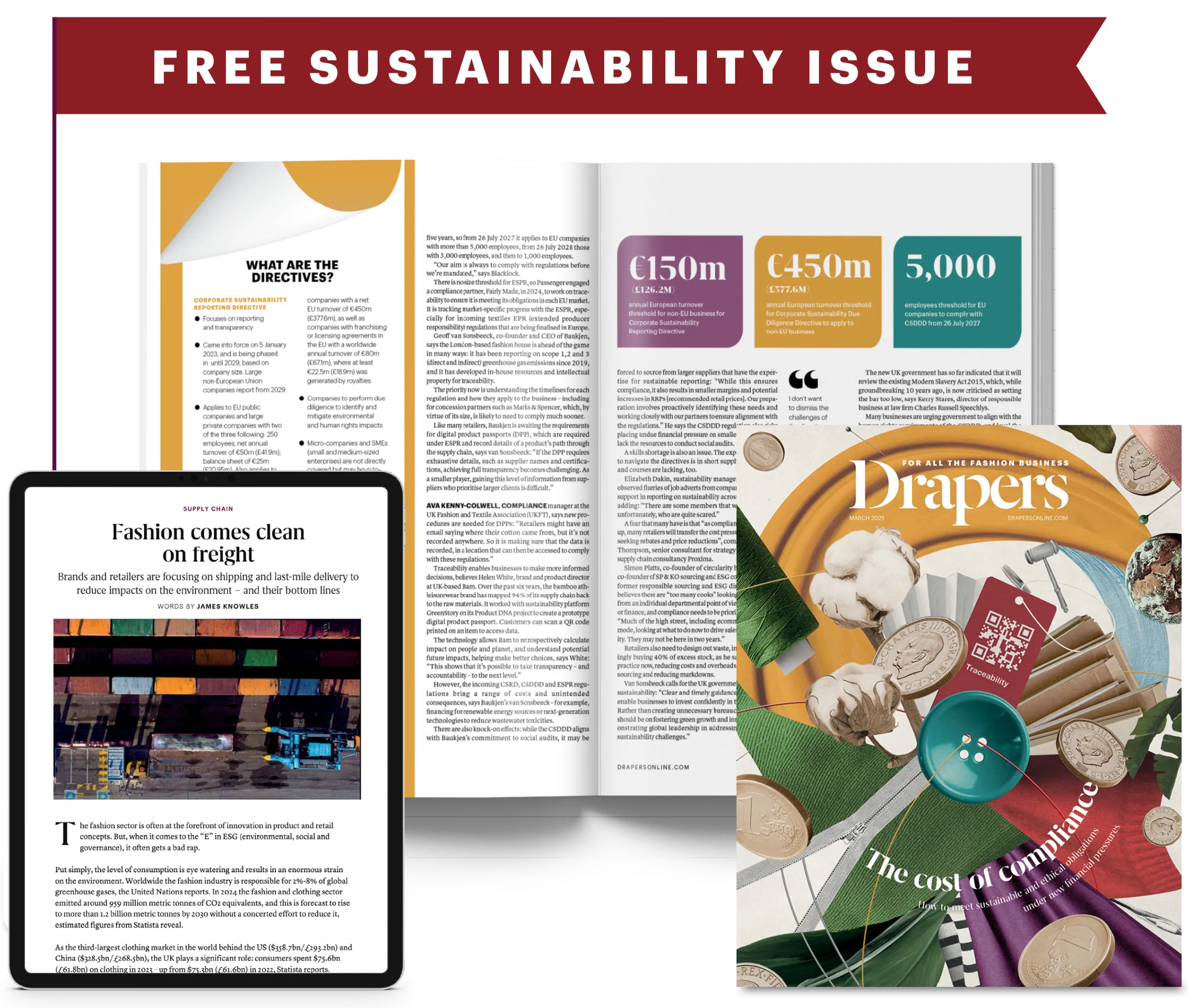
Against the backdrop of these fiscal challenges, the industry finds a moment of celebration in the announcement of the Drapers Awards 2026 finalists. The annual event, which recognizes innovation, sustainability, and operational excellence across the fashion retail spectrum, serves as a benchmark for companies striving to maintain relevance in a hyper-competitive market.
The finalists represent a diverse cross-section of the industry, ranging from independent boutiques that have successfully pivoted to omni-channel models to large-scale retailers that have implemented groundbreaking supply chain technologies. The inclusion of brands that have prioritized circularity and ethical manufacturing underscores a broader shift in consumer values. These awards are not merely a gala event but a signal of what the industry considers "best-in-class" practice for the coming decade. The adjudication process, which evaluates financial performance alongside brand sentiment, highlights those entities that have successfully navigated the volatility of the mid-2020s.
Ted Baker: A High Street Reappearance
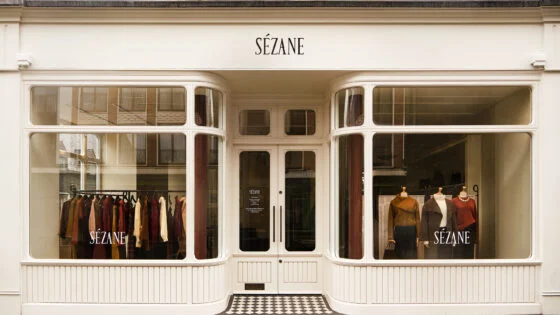
In a move that has captured significant attention from retail analysts, Ted Baker has initiated a high-street comeback. After a period of organizational restructuring and brand repositioning following its acquisition and subsequent store closures, the brand is re-entering the physical retail space with a refreshed concept.
The "first look" at the new retail strategy suggests a move away from the traditional, high-density store model toward more intimate, experience-driven boutiques. This reflects a growing trend in the industry: the "halo effect" of physical stores. While digital sales remain a primary revenue driver, brands are increasingly utilizing physical locations as marketing hubs to drive brand loyalty and customer acquisition. For Ted Baker, this resurgence is critical. The brand’s ability to re-establish its unique British aesthetic while catering to the modern, tech-savvy consumer will be a litmus test for other legacy fashion brands currently undergoing similar transformations.
Burberry’s Digital Pivot: Appointment of New VP
Burberry, the quintessential British luxury house, has taken a decisive step toward shoring up its digital infrastructure by appointing a former Superdry technology chief as its new Vice President. This strategic hire is indicative of the luxury sector’s ongoing struggle to bridge the gap between traditional retail heritage and the necessity of sophisticated digital integration.
As luxury consumers become increasingly comfortable with high-end digital shopping experiences—including virtual try-ons, blockchain-verified provenance, and personalized digital concierge services—Burberry is clearly aiming to bolster its technical capabilities. The appointment of a leader from the high-street tech sector, such as Superdry, suggests that Burberry is looking to adopt more agile, scalable, and consumer-facing technology solutions that have traditionally been the domain of fast-fashion retailers. This move is expected to enhance Burberry’s omni-channel strategy, ensuring a seamless experience for customers across their global footprint.
Analysis: Market Implications and Sector Trends
The events of October 2, 2026, provide a granular view of the challenges facing fashion retail. Several key themes emerge from the day’s headlines:
1. Operational Efficiency as a Survival Mechanism
Nike’s restructuring and the general focus on technology at firms like Burberry suggest that the "growth at any cost" era has effectively ended. Retailers are now prioritizing bottom-line stability. This involves aggressive cost-cutting, optimizing inventory management via AI, and streamlining the physical store footprint to ensure only the most profitable locations remain active.
2. The Digital-Physical Synthesis
The resurgence of Ted Baker and the tech-focused hiring at Burberry confirm that the binary debate between "physical vs. digital" is outdated. The successful retailer of 2026 is one that integrates these channels. Physical stores are increasingly becoming experiential theaters, while digital channels serve as the data-collection and logistical backbone of the business.
3. Talent Migration
The movement of executive talent from the high-street sector to luxury, and vice versa, indicates that the skill sets required to run a successful fashion business are converging. Expertise in supply chain automation, data analytics, and customer relationship management (CRM) is now as vital for a heritage luxury house as it is for a fast-fashion chain.
4. Economic Headwinds and Consumer Sentiment
While the fashion industry is resilient, it is not immune to macroeconomic conditions. Inflationary pressures, fluctuating interest rates, and global supply chain vulnerabilities have forced retailers to be more transparent and intentional about their value propositions. Consumers are no longer just buying products; they are buying into the ethics, sustainability, and digital convenience of the brands they support.
Looking Ahead: The Remainder of 2026
As the fourth quarter approaches, the fashion retail sector is bracing for the critical holiday trading period. For Nike, the upcoming months will be a test of whether their restructuring efforts can improve margins before the end of the fiscal year. For Burberry, the focus will be on whether their new leadership can successfully integrate digital innovations into their core brand identity without alienating their traditional customer base.
The Drapers Awards, meanwhile, will provide a platform for smaller, more agile brands to showcase their resilience, potentially providing a roadmap for larger retailers that have become stagnant. As these events unfold, the industry will continue to monitor whether these tactical shifts lead to long-term stability or if further disruption is inevitable.
In summary, the landscape of fashion retail as of October 2026 is defined by a rigorous pursuit of efficiency and technological integration. Brands that can successfully harmonize their legacy with the demands of a digital-first, value-conscious consumer are likely to emerge as the leaders of the next decade. The news of the day serves as a snapshot of this ongoing evolution, capturing both the successes of those adapting to change and the challenges of those recalibrating their business models in real-time. Investors, stakeholders, and consumers alike remain focused on these developments, as they set the tone for the future of the global fashion economy.