






Navigating the nuances of contemporary menswear often leads to one of the most ambiguous terms in modern fashion: smart casual. Defined traditionally by the Oxford Dictionary as a neat, conventional, yet relatively informal style suited to specific dress codes, the phrase has evolved dramatically over the past century. In the modern era, smart casual serves as the default standard for countless professional environments, social gatherings, and dinner events. Yet, despite its ubiquity, men frequently find themselves overwhelmed by contradictory online style guides that suggest everything from casual shorts to overly formal Ascot ties.

To understand how to dress for this elusive standard, industry experts point toward a shift in consumer behavior and manufacturing. Josh Sims, author of Men of Style, notes that the term itself may have a complicated legacy, but the contemporary landscape of accessible, high-quality, and wearable apparel has simplified the process. Rather than relying on rigid formulas rooted in 19th-century formality, modern menswear prioritizes comfort paired with a polished aesthetic. This comprehensive guide breaks down the essential elements, historical context, and practical rules required to master the smart casual dress code.
Defining the Modern Smart Casual Standard
The primary challenge of smart casual is its inherent breadth. Esteemed menswear platforms like Mr Porter describe the category broadly as anything smarter than a tracksuit but less formal than a full suit, pointing to a reliable combination of a blazer, a white shirt, neat jeans, and brown loafers as an ideal baseline. However, traditional style institutions often introduce further complexity. Debrett’s Guide for the Modern Gentleman famously divides the category into formal and informal subsets, each carrying strict parameters regarding acceptable garments.

Formal Smart Casual Attire
Formal smart casual bridges the gap between traditional business wear and relaxed weekend attire. According to classic styling guidelines, this category requires a jacket or blazer, trousers crafted from tactile fabrics such as flannels, needlecord, or chinos, and a collared shirt. Denim and T-shirts are explicitly excluded from this tier, alongside trainers and sandals. Footwear must lean toward smart, refined options such as leather or suede dress shoes that maintain a clean silhouette without crossing into overly rigid corporate territory.
Informal Smart Casual Attire
Informal smart casual introduces greater flexibility while maintaining baseline standards of neatness. This tier permits dark-colored, clean jeans free from distressing, and establishes polo shirts as a superior alternative to collarless T-shirts. The foundational philosophy of informal smart casual centers on intention; it requires transitioning away from ultra-casual loungewear worn at home. Ultimately, achieving this look is less about adhering to a strict checklist and more about adopting a mindset that respects the environment without sacrificing personal comfort.
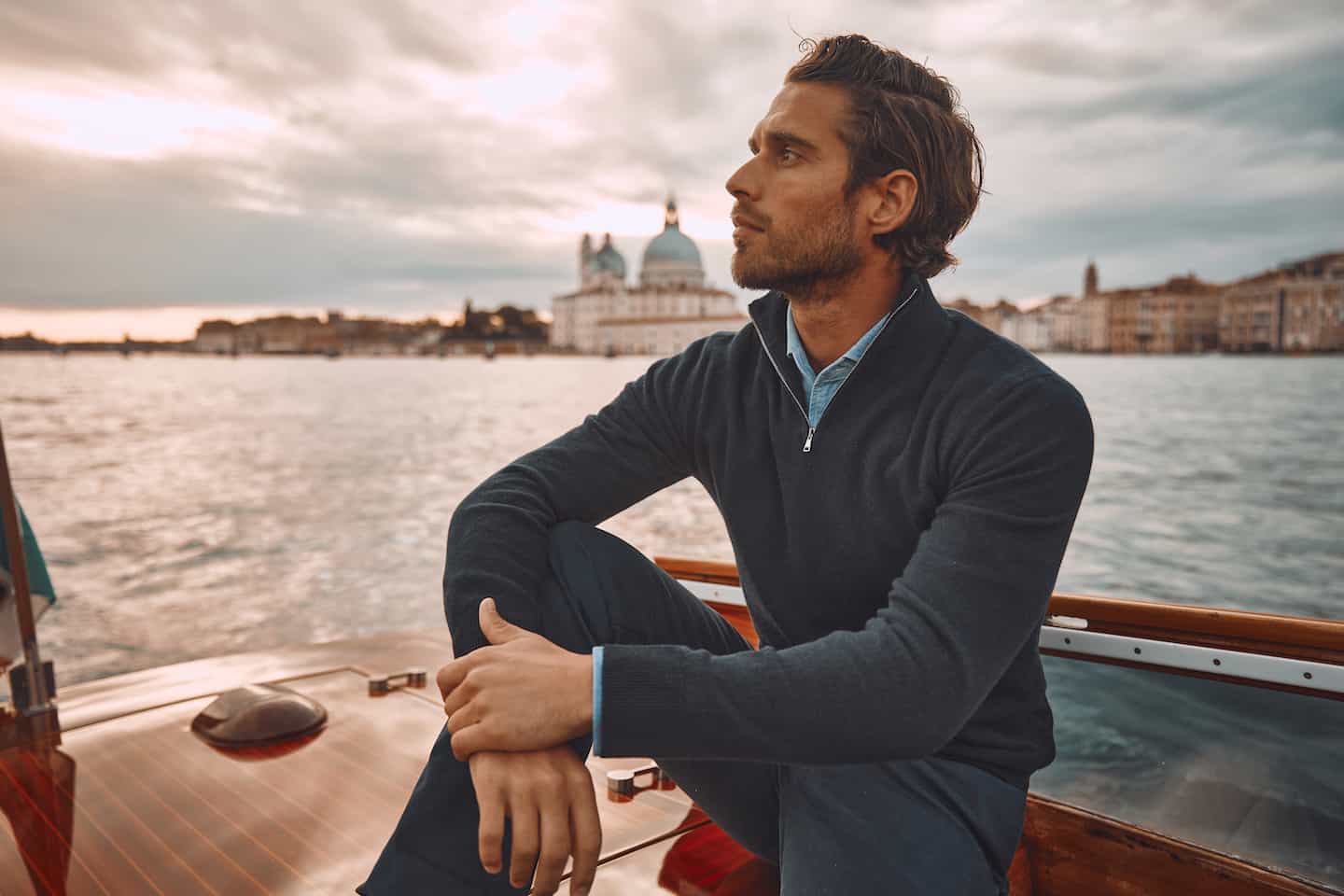
Essential Style Tips for Mastering the Look
To successfully build a smart casual wardrobe, menswear authorities recommend several foundational strategies that emphasize fabric, fit, and proportion.
1. Focus on Polish and Maintenance
Sir Hardy Amies famously wrote in his A-Z of Style that smartness is determined more by the appearance of garments than their specific type. Polished shoes, pressed trousers, and clean lines elevate an outfit far more effectively than brand names. A pristine, high-quality T-shirt paired with dark indigo jeans and minimalist white leather trainers from brands like Uniform Standard can often project a dressier image than a wrinkled shirt and scuffed shoes. The overarching rule is that informality should never equate to a lack of effort.
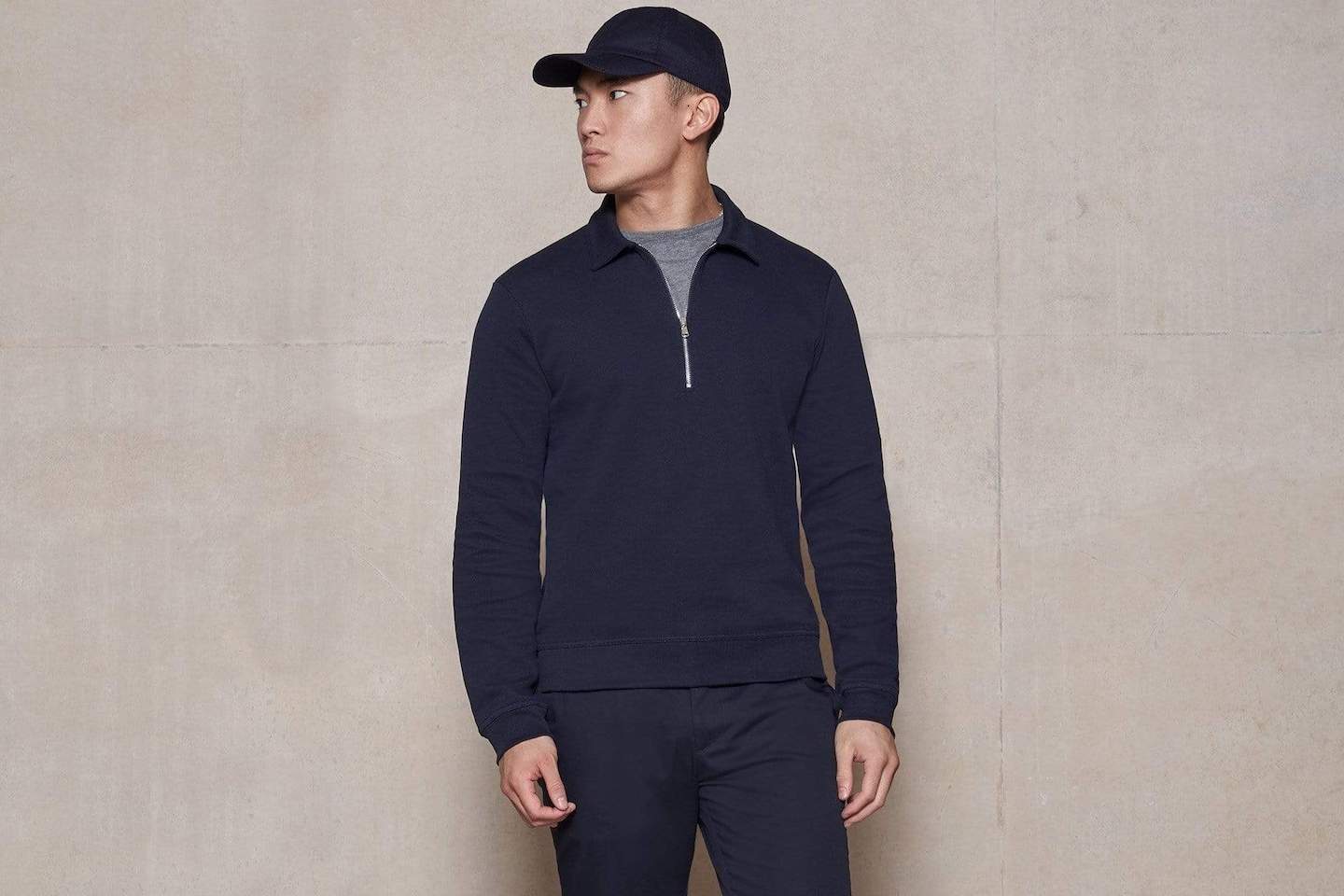
2. The One-Two Substitution Method
Because defining a complete smart casual outfit can be difficult, a practical approach involves starting with a thoroughly casual base—such as a bomber jacket, a T-shirt, jeans, and trainers—and swapping out one or two elements for smarter alternatives. Substituting the T-shirt for an Oxford cloth button-down or replacing the trainers with leather loafers immediately elevates the ensemble into smart casual territory. Swapping three elements risks pushing the outfit into overly formal business-casual bounds.
3. Leverage Color Grading
Adjusting the formality of an outfit does not always require changing garments; sometimes, altering the color palette is sufficient. Darker, monochromatic colorways naturally skew more formal. Transitioning from an olive green bomber jacket and stonewashed denim to a navy bomber and dark indigo jeans instantly deepens the formality of the look. Conversely, lighter shades act as a dimmer switch, reducing the overall visual weight and formality of the outfit.

4. Balance Textures
Texture plays a critical role in determining whether a garment reads as formal or casual. Traditional formalwear relies on smooth, worsted wools and shiny fabrics. Introducing tactile, matte materials—such as flannel, tweed, brushed cotton, or suede—adds depth and a relaxed visual softness. This principle can be applied across shirts, knitwear, trousers, and footwear to effortlessly bridge the gap between structured and relaxed aesthetics.
5. Invest in an Unstructured Blazer
A tailored jacket remains the quickest and most reliable method for nailing the smart casual dress code. However, traditional corporate blazers featuring brass buttons, heavy shoulder pads, and rigid chest canvassing often feel out of place in relaxed settings. Modern menswear favors the unstructured blazer, which features a shorter cut, slimmer lapels, patch pockets, and minimal internal padding. Brands such as Bonobos and J.Crew offer exceptional options crafted from textured wools or cotton blends that pair seamlessly with denim.

6. Upgrade Your Upperwear
While a plain, well-fitted T-shirt can work in specific informal contexts, upgrading to a polo shirt or a button-down collar shirt instantly refines an outfit. Pique polo shirts offer a sporty yet sophisticated heritage, while Oxford cloth button-downs (OCBDs) and chambray shirts provide versatile textures that soften the rigidity of traditional dress shirts. Grandad shirts and fine-gauge knitwear also offer viable alternatives for layering during cooler months.
7. Refine Your Legwear Choices
Legwear frequently presents the greatest challenge in smart casual styling. While dark, undistressed selvedge denim remains widely accepted in contemporary environments, chinos serve as a foolproof alternative. For those looking to elevate their silhouette further, tailored trousers crafted from lightweight flannel or linen introduce a sophisticated, fashion-forward element without appearing overly corporate.

8. Mind Your Footwear
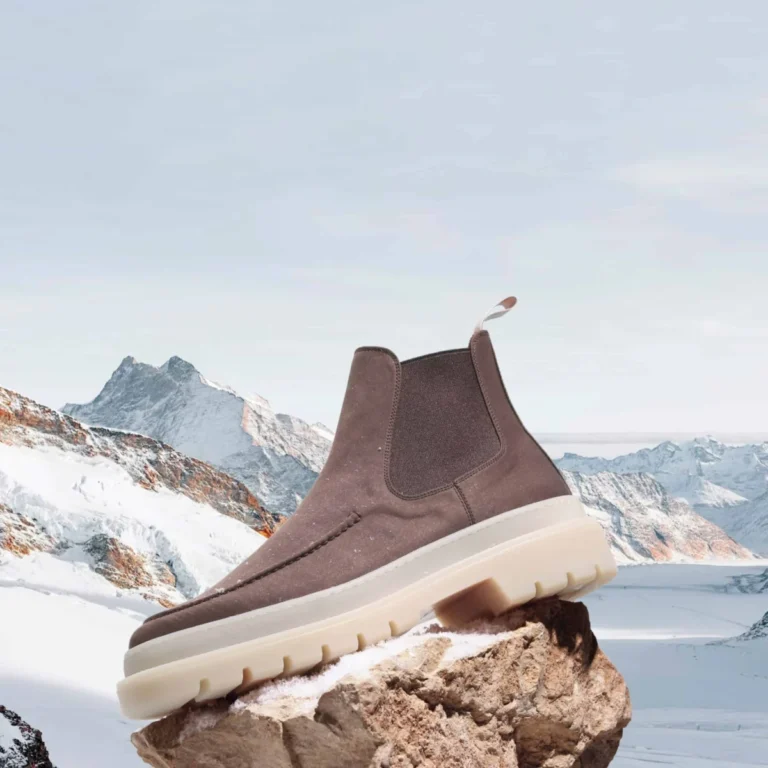
Footwear dictates the foundation of any outfit. While minimalist leather trainers are acceptable in many modern settings, traditional leather or suede shoes offer a failsafe anchor. Derbies, loafers, Chelsea boots, and suede chukkas—such as the offerings from Drake’s or Myrqvist—strike an ideal balance. Darker colors, rounded silhouettes, and matte textures make these styles infinitely more adaptable than shiny, formal Oxford shoes.
Five Key Smart Casual Pieces Every Man Needs
Building a versatile wardrobe requires anchoring your closet with multi-functional staples that transition seamlessly across environments.

- The Unstructured Blazer: Crafted from textured wool or cotton with soft shoulders, this serves as the ultimate workhorse for both smart casual and business-casual occasions.
- The Blazer Bomber: A slim-profile bomber jacket in a luxury fabric like wool or fine cotton, finished in a dark colorway such as navy or black, providing an ideal outer layer for informal gatherings.
- The Chambray Shirt: Offering a softer texture than traditional poplin and a more relaxed drape than stiff dress shirts, chambray bridges the gap between rugged denim and refined tailoring.
- Dark Selvedge Jeans: A pair of clean, raw denim jeans in dark indigo or black, completely free of distressing, heavy fading, or excessive branding.
- Derby Shoes: A versatile lace-up shoe featuring an open lacing system and a slightly chunkier sole, offering a contemporary alternative to formal oxfords and overly casual trainers.
Smart Casual Dos and Don’ts
To ensure your execution of the dress code remains successful, adhere to these fundamental guidelines:
- Do Cover Your Bases: Pairing non-trainer shoes with tailored trousers and finishing the look with an unstructured blazer ensures you will rarely be underdressed.
- Don’t Uncover Your Arms Carelessly: Short sleeves inherently lean casual; ensure the context warrants a short-sleeve shirt or polo before wearing one to an upscale event.
- Do Lose the Tie: Outside of specific formal professional environments, neckties are largely unnecessary in smart casual dress codes.
- Don’t Over-Accessory with Slogans: Keep T-shirts and layering pieces free from loud graphics, brand logos, or novelty slogans.
- Do Pay Attention to Fit: Smart casual clothing must be tailored and clean-fitting, maintaining a sharp silhouette without leaning into overly restrictive tailoring.
- Don’t Neglect Hosiery: Avoid loud, novelty socks intended to express personality; opt for subtle, matching hosiery that maintains a cohesive color palette.
The Evolution and History of Smart Casual
The precise origin of the phrase remains heavily debated by lexicographers. While online language databases trace the terminology back to the 1980s and early usage in 1920s regional newspapers, the concept itself emerged as a response to changing societal standards. As traditional dress codes in workplaces and public spaces began to erode in the latter half of the 20th century, smart casual was born out of a collective panic by event organizers and restaurant managers trying to prevent total sartorial chaos.

According to Josh Sims, the term reflects a transitional period between formal dressing and the modern demand for comfort and self-expression. Rather than viewing the dress code as a restriction, contemporary menswear embraces it as an opportunity for curated personal style—proving that looking sharp and feeling comfortable are no longer mutually exclusive.
Frequently Asked Questions
What is the difference between casual and smart casual?
Casual attire prioritizes total comfort, permitting items like athletic wear, hoodies, shorts, and graphic tees. Smart casual requires deliberate effort, utilizing tailored silhouettes, structured outerwear, and refined footwear to elevate relaxed garments.

Can you wear jeans to a smart casual event?
Yes, provided the denim is clean, dark-washed, and entirely free of rips, tears, or heavy distressing. When in doubt, swapping jeans for tailored chinos is a safer alternative.
Are sneakers acceptable for smart casual settings?
Minimalist leather trainers in clean colorways are widely accepted in modern smart casual dress codes, provided they are scuff-free and well-maintained. However, traditional leather shoes or suede loafers offer a more consistently reliable choice for formal smart casual environments.