







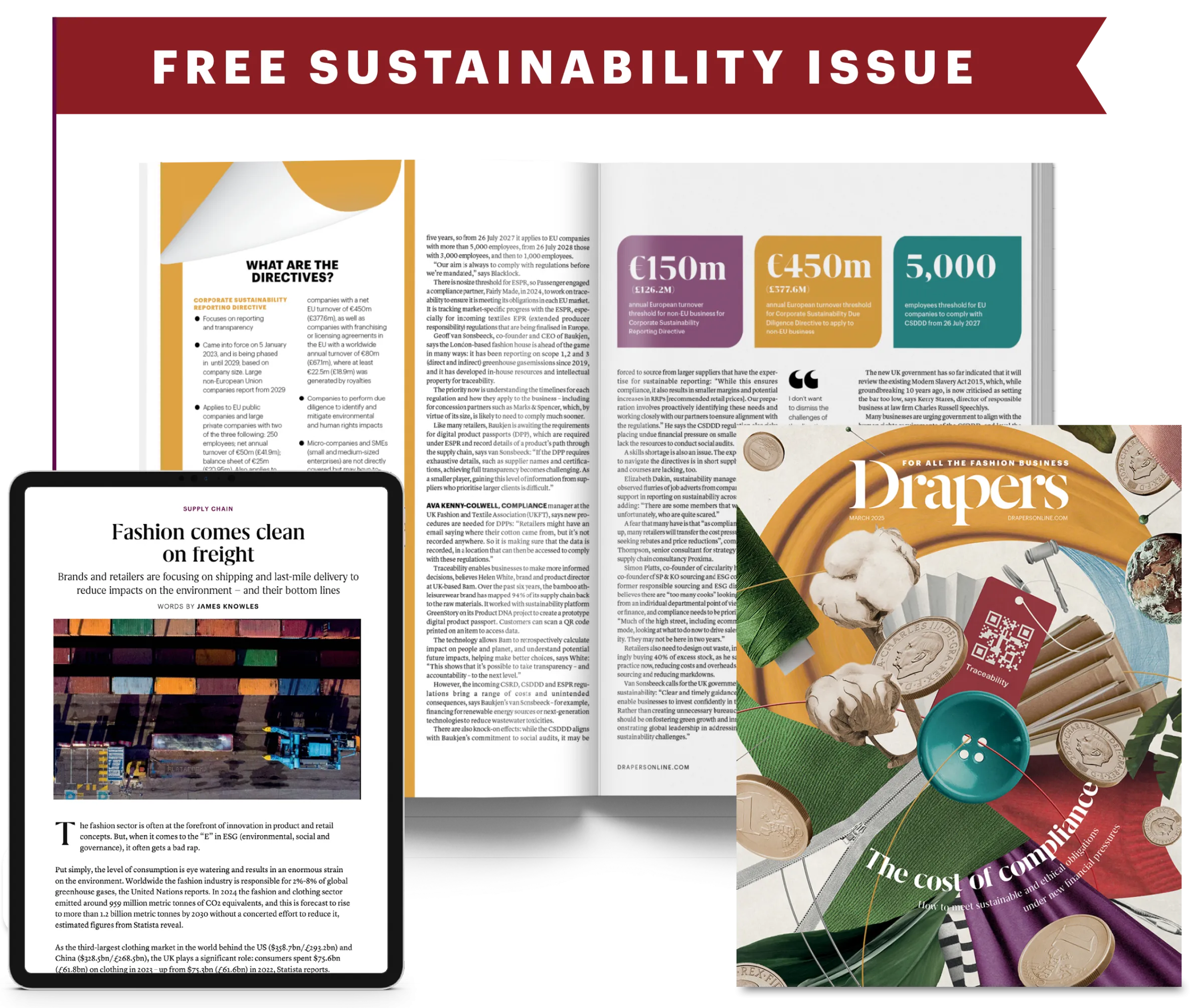
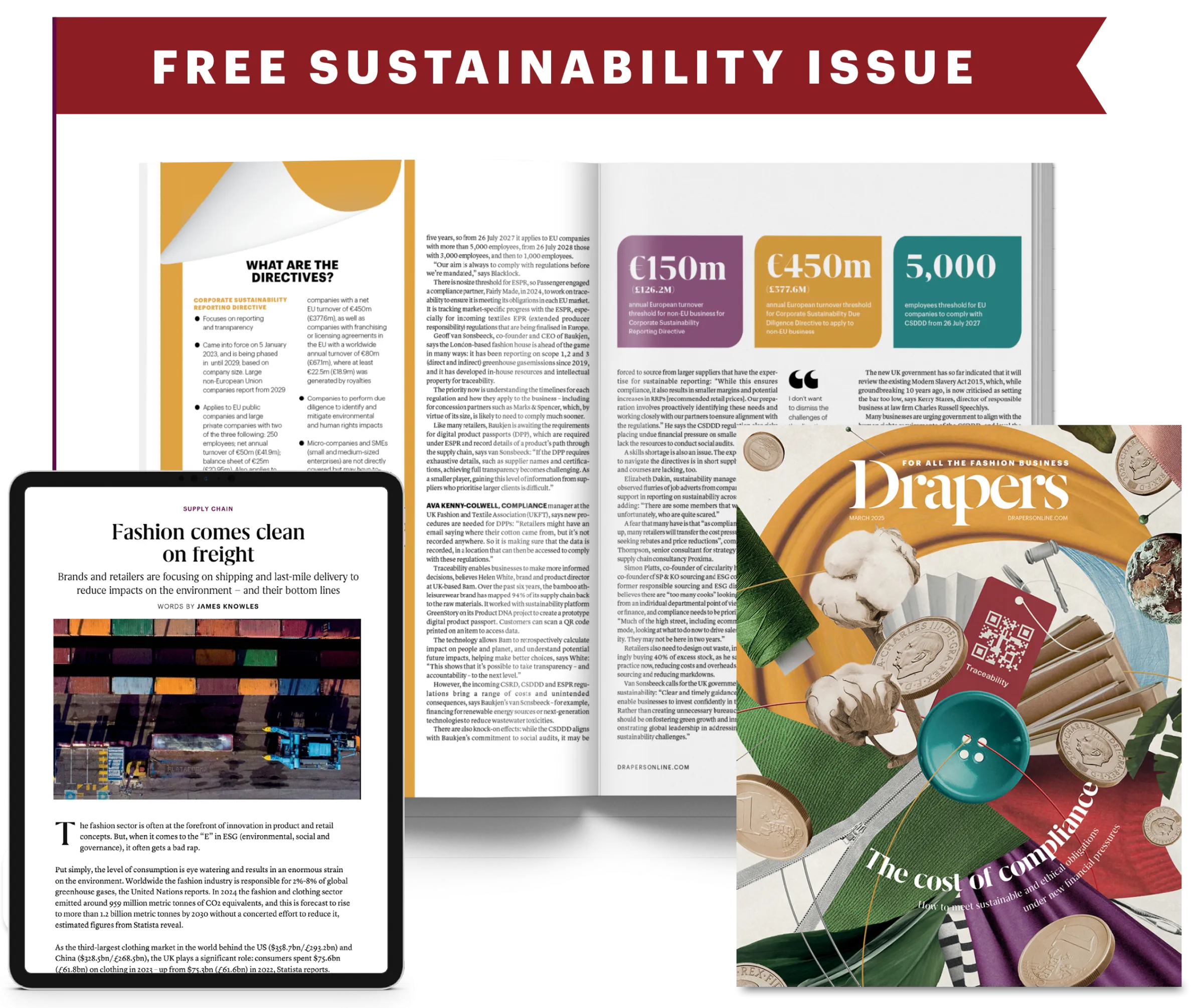
The global fashion retail sector has entered a pivotal phase as the industry shifts its focus toward the autumn/winter 2026 season. As major high-street retailers and luxury houses finalize their inventory strategies, the latest market analysis from Drapers highlights key collection launches from industry stalwarts, including Guess, John Lewis, and the Brazilian powerhouse Farm Rio. This selection reflects a broader trend in the industry: a strategic pivot toward versatile, weather-resistant materials combined with an emphasis on sustainable production cycles that align with the tightening regulatory environment in the UK and Europe.
The Strategic Importance of the AW26 Launch Window
The launch window for autumn/winter collections has historically served as the primary indicator for retail performance in the final quarter of the fiscal year. For 2026, the timing is particularly critical. Following a summer characterized by unpredictable weather patterns and fluctuating consumer confidence, retailers are under immense pressure to deliver collections that resonate with a more cautious shopper.
The integration of collections from brands such as Guess and John Lewis into the current market cycle demonstrates a move away from aggressive seasonal discounting toward curated, high-utility capsule wardrobes. Analysts suggest that by narrowing the focus of initial launches, retailers can manage supply chain volatility more effectively, reducing the likelihood of overstock—a persistent issue that plagued the industry throughout 2024 and 2025.
Chronology of Retail Shifts in 2026
The lead-up to the AW26 season has been marked by a series of strategic pivots. Early in the first quarter of 2026, supply chain reports indicated a 12% increase in lead times for wool and synthetic blends, forcing retailers to lock in production schedules earlier than in previous years.
By June 2026, major retail groups began unveiling their "transitional" lines, designed to bridge the gap between late summer heatwaves and the onset of autumn cooling. August saw a flurry of activity as marketing budgets shifted toward digital-first campaigns, with John Lewis leveraging its omnichannel presence to emphasize "longevity and durability" in its knitwear offerings. As we move into mid-September, the market is now fully transitioned into the heavy-duty phase of the season, with brands like Farm Rio introducing their distinct, vibrant aesthetic to contrast the traditionally muted palettes of the autumn months.
Supporting Market Data and Consumer Trends
Data from the latest retail index shows that consumer spending on apparel remains resilient, despite inflationary pressures on household budgets. Specifically, the "premium-basics" segment—where Guess has historically maintained a strong foothold—has seen a 4.5% year-on-year growth. This growth is largely attributed to a consumer shift toward "investment pieces" that offer utility over several seasons.
Furthermore, industry data suggests that sustainable textiles now account for approximately 28% of the inventory across major UK department stores. John Lewis’s strategy for the AW26 season highlights this shift, with a significant increase in the use of recycled polyester and traceable cashmere. This move is not merely ethical but a calculated response to the European Union’s forthcoming Ecodesign for Sustainable Products Regulation (ESPR), which mandates greater transparency in material origins.
Official Responses and Industry Sentiment
While official statements from brand representatives remain guarded during the competitive launch window, industry observers note a common thread among the leadership teams at these firms. A spokesperson for a major retail consultancy noted that "the current market requires a balance between creative expression and operational efficiency."
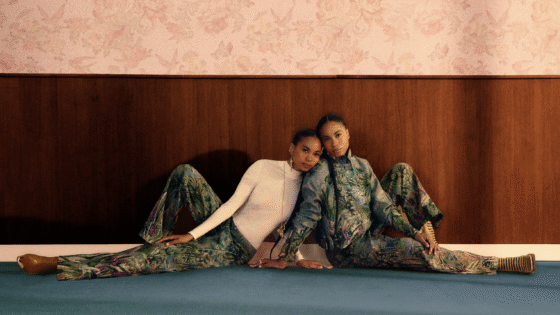
The inclusion of Farm Rio in this season’s highlights represents a strategic diversification for retailers looking to capture the "mood-boosting" fashion trend. By stocking collections that deviate from the traditional grey-and-navy seasonal norms, retailers are testing the limits of consumer demand for color during the winter months. Farm Rio’s expansion into the UK market has been met with positive engagement metrics on social commerce platforms, suggesting that the brand’s unique aesthetic is successfully filling a gap in the mid-market segment.
Implications for the High Street
The implications of these collection launches extend beyond individual brand performance. They signal a transformation in how department stores and retailers manage their floor space. The "department store" model is evolving into an experiential hub, where the launch of an autumn collection is treated as an event rather than a static arrival of goods.
For retailers, the financial stakes are higher than ever. With the cost of raw materials remaining elevated, the ability to command full-price sales at the start of the season is the primary driver of profitability. Industry analysts at the London School of Economics recently published a brief on retail agility, noting that companies that successfully integrate data-driven demand forecasting with rapid, small-batch manufacturing are seeing a 15% improvement in margins compared to their peers.
The Role of Digital Integration
Digital engagement remains the heartbeat of the AW26 rollout. The shift toward "phygital" (physical and digital) retail experiences is now the standard. Customers are increasingly interacting with collections online—often through augmented reality try-on tools—before visiting physical stores to finalize their purchases.
The Drapers pick of the AW26 launches underscores this digital-first approach. By utilizing high-definition imagery and interactive catalogues, these brands are ensuring that the customer experience is seamless. This digital maturity is essential, as recent statistics indicate that over 60% of purchase journeys for autumn fashion now begin on mobile devices.
Looking Ahead: Winter 2026 and Beyond
As the industry looks past the initial launch phase, the focus will inevitably shift toward inventory management and holiday-season logistics. The success of the AW26 collections will likely be determined by how well retailers manage the transition into the festive shopping period.
If the current trend of "value-based shopping" continues, we can expect to see further consolidation among retailers. Those who have successfully differentiated their offerings—whether through the bold design language of Farm Rio or the trusted, heritage-based quality of John Lewis—are better positioned to weather the potential economic headwinds of the coming winter.
In summary, the autumn/winter 2026 season represents a maturation of the post-pandemic retail landscape. The industry has moved away from the reactive strategies of the early 2020s and into a period of calculated, data-informed growth. By prioritizing supply chain resilience, sustainable material sourcing, and omnichannel accessibility, these brands are setting the tone for the remainder of the decade. The coming months will be a true test of whether these strategic bets will yield the long-term loyalty and financial performance that shareholders and consumers alike have come to expect from the leaders of the fashion world.
The ongoing evaluation of these collections by trade publications like Drapers remains vital, as it provides the necessary scrutiny for an industry that is simultaneously grappling with environmental responsibilities and the relentless pace of global fashion trends. As the season progresses, stakeholders will be watching the sell-through rates of these specific launches to determine the trajectory of the wider retail economy as it prepares for the challenges of 2027.