










The luxury retail landscape in the United Kingdom has undergone a seismic shift as Harvey Nichols, the iconic high-end department store chain, initiates a comprehensive restructuring program that has resulted in significant workforce redundancies. This strategic realignment follows the definitive acquisition of the retailer by Mike Ashley’s retail conglomerate, Frasers Group, on 13 August 2026. The move signals a new chapter for the Knightsbridge-based brand, which has struggled to navigate the dual pressures of post-pandemic consumer spending shifts and rising operational costs within the luxury sector.
The Acquisition and Immediate Strategic Shift
The acquisition of Harvey Nichols by Frasers Group was finalized in mid-August, marking the end of a long-standing period of private ownership under the Hong Kong-based Dickson Concepts. For decades, Harvey Nichols stood as a beacon of luxury retail, famous for its avant-garde window displays and curated high-fashion offerings. However, the retail environment has grown increasingly hostile toward mid-to-high-tier department stores, which have been squeezed by the rise of direct-to-consumer digital channels and the proliferation of monobrand boutiques.
Upon taking control, Frasers Group—which maintains a vast portfolio including Sports Direct, Flannels, and House of Fraser—signaled an intention to streamline operations. The redundancies announced this week are viewed by analysts as the initial phase of a "synergy-driven" cost-cutting exercise designed to align Harvey Nichols’ administrative and operational overheads with the broader Frasers ecosystem. While the exact number of affected employees has not been disclosed, sources close to the matter suggest that the cuts are widespread, impacting both head office functions and regional retail support staff.
A Timeline of Transformation
The decline of the traditional department store model has been a defining feature of the British high street over the last decade. To understand the current climate at Harvey Nichols, one must look at the broader timeline of the retailer’s recent history:
- 2020-2022: Like many luxury retailers, Harvey Nichols faced unprecedented disruption during the global pandemic. The mandatory closure of physical stores for extended periods forced a rapid, albeit challenging, digital transformation.
- 2023-2024: Faced with inflationary pressures and a volatile luxury market, the company reported stagnant growth. Operational costs, including energy and staffing, rose sharply, eroding the margins that once sustained the business under private equity.
- 13 August 2026: Frasers Group officially completes the acquisition of Harvey Nichols. The retail industry immediately pivots to speculation regarding how the department store will fit into the Frasers "elevation" strategy—a plan to move its various brands upmarket.
- 11 September 2026: The first formal notification of significant redundancies is confirmed, marking the commencement of a formal consultation process with staff.
The Frasers Group "Elevation" Strategy
The involvement of Frasers Group in the restructuring of Harvey Nichols is not an isolated event but rather a continuation of its long-term corporate strategy. Under the stewardship of CEO Michael Murray, Frasers has consistently pursued an "elevation" strategy, aiming to move its group assets away from discount retail and into the premium and luxury spaces.
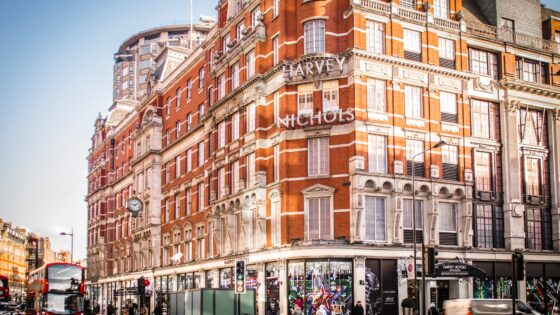
The acquisition of Harvey Nichols serves as the "jewel in the crown" for this strategy. However, integration comes at a cost. Historical precedents from the acquisitions of House of Fraser and various other high-street chains suggest that Frasers is willing to make difficult, unpopular decisions regarding personnel to ensure the financial viability of their acquisitions. By centralizing back-office operations—such as human resources, finance, logistics, and IT—the group expects to achieve significant economies of scale.
Industry experts suggest that this restructuring is likely to result in a leaner, more digitized version of Harvey Nichols. The focus will likely shift toward high-margin luxury goods while pruning underperforming departments or locations that no longer justify their real estate footprint in the current economic climate.
Market Context: The Luxury Retail Climate
Harvey Nichols is operating within a challenging macroeconomic environment. According to recent data from the Office for National Statistics (ONS) and the British Retail Consortium (BRC), the luxury sector has seen a cooling of the post-pandemic "revenge spending" boom. Increased interest rates, coupled with the rising cost of living, have led even affluent consumers to moderate their spending habits.
Furthermore, the "department store model" itself is under intense scrutiny. The success of luxury retail is increasingly reliant on high-conversion e-commerce platforms and exclusive brand partnerships. Traditional stores, with their large footprints and high staffing requirements, are finding it difficult to remain profitable when compared to smaller, highly efficient monobrand stores.
The current redundancies at Harvey Nichols reflect these realities. While the brand retains significant prestige, its business model must adapt to a world where the customer journey is increasingly digital, and where physical retail space must provide an "experience" rather than just a transaction point to justify its existence.
Perspectives on the Restructuring
While Frasers Group has maintained a relatively low profile regarding the specific numbers behind the redundancies, industry observers have offered varied perspectives.
Retail analysts have noted that the layoffs were largely expected following the acquisition. "When a conglomerate as aggressive as Frasers Group takes over a legacy retailer, they are not buying the inefficiencies," noted one analyst at a London-based retail consultancy. "They are buying the brand equity and the prime real estate. The headcount reduction is a necessary, albeit painful, part of resetting the P&L (profit and loss) statement to meet the group’s performance targets."
Conversely, labor advocates and employee representatives have expressed concerns over the impact on the retail workforce. The luxury sector has traditionally relied on high-touch service, and there is a fear that reducing staff levels could diminish the "premium" experience that Harvey Nichols customers expect. If the quality of service drops, the brand risks alienating its core demographic, which could ultimately prove more damaging than the current cost-cutting is helpful.
Future Implications for the Brand
As the restructuring process continues throughout the autumn of 2026, the focus for Harvey Nichols will likely be on three core pillars:
- Operational Efficiency: Reducing the cost of doing business by merging administrative functions with the wider Frasers infrastructure.
- Digital Integration: Enhancing the online presence to better compete with global luxury e-tailers, likely leveraging the technical expertise developed by the Frasers Group.
- Brand Positioning: Ensuring that the "Harvey Nichols" name remains synonymous with high-end luxury while potentially introducing new, more profitable product lines that appeal to a younger, more globally-minded consumer.
The long-term success of this transition depends on whether the brand can successfully modernize without losing its distinct identity. The heritage of Harvey Nichols is built on the exclusivity and the personal touch of its Knightsbridge flagship. Balancing this legacy with the clinical, high-efficiency requirements of the Frasers Group will be the primary challenge for the executive team in the coming eighteen months.
Conclusion
The announcement of redundancies at Harvey Nichols marks a definitive turning point for one of the United Kingdom’s most storied retailers. While the restructuring is being framed as a strategic necessity to secure the future of the brand under new ownership, it is a sobering reminder of the volatility currently defining the retail sector.
As the consultation period begins and the workforce adjusts to the new corporate reality, the eyes of the retail industry will remain fixed on Knightsbridge. Whether this restructuring provides the necessary platform for growth or triggers a dilution of the brand’s unique market position remains to be seen. What is certain, however, is that the Harvey Nichols of the future will be a significantly different entity than the one that dominated the luxury landscape for the last century. For now, both employees and stakeholders must navigate a period of profound uncertainty, waiting to see how the "elevation" of the brand manifests in the stores and the bottom line in the fiscal year ahead.