








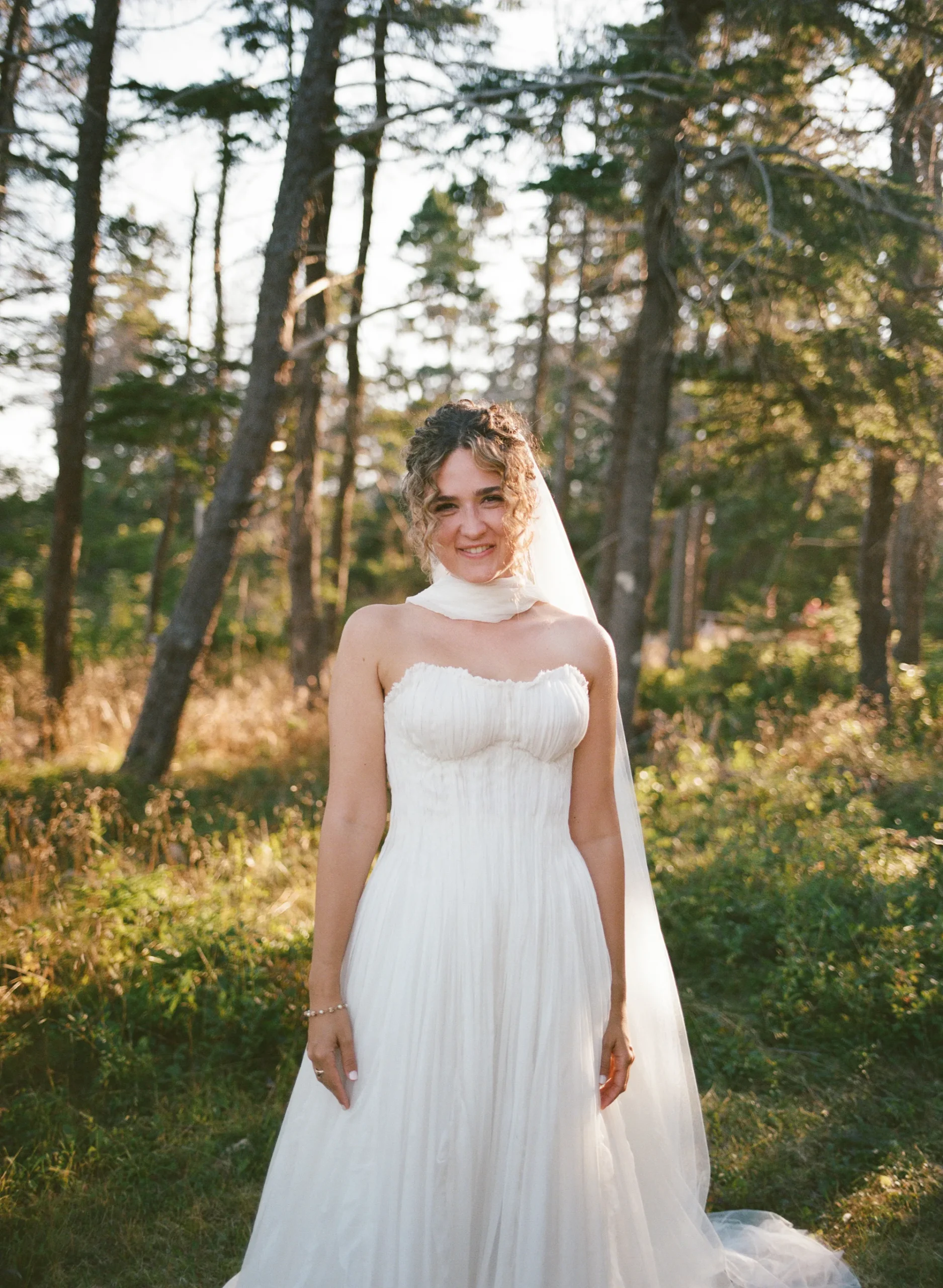
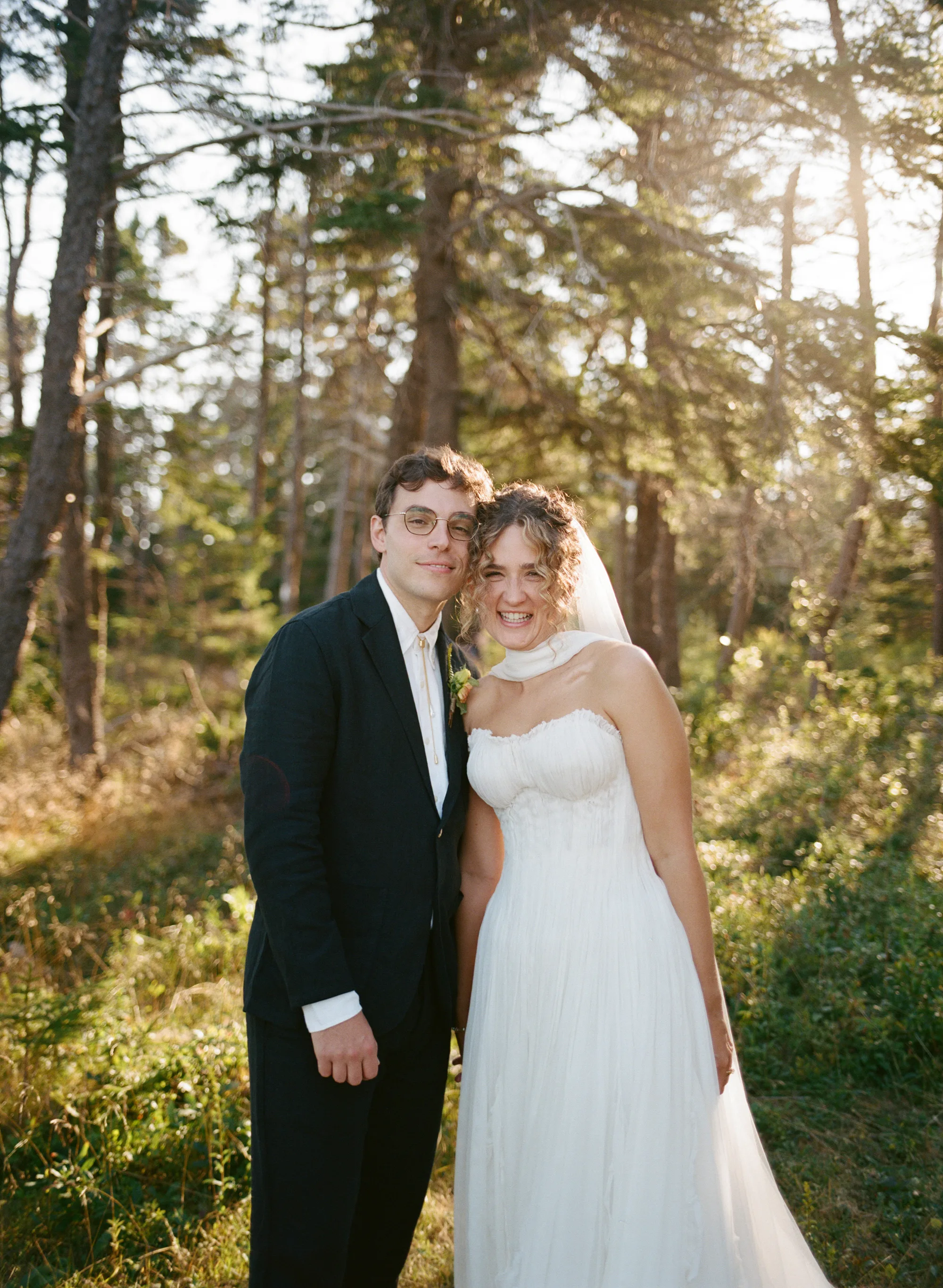
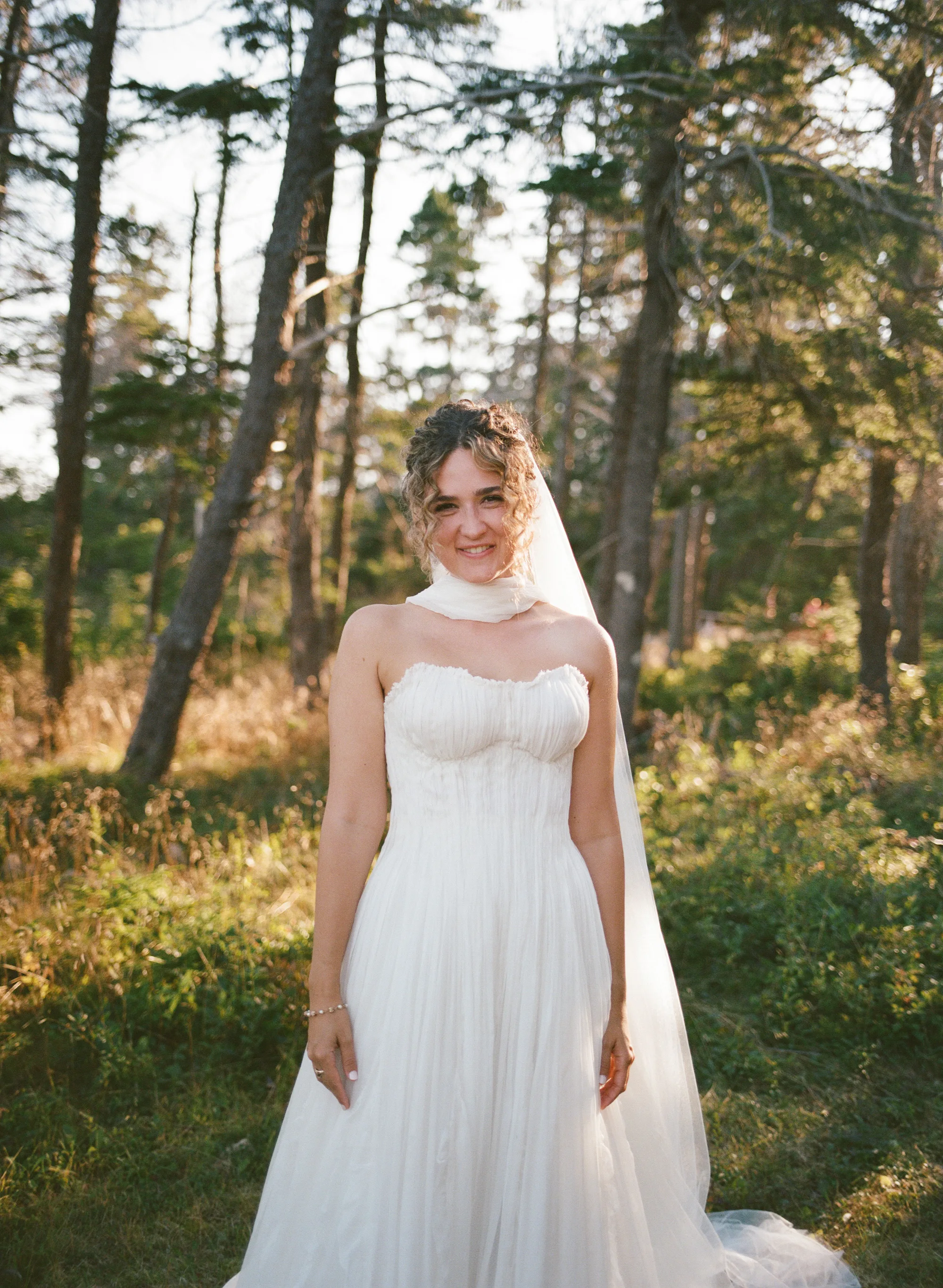
Alice and Sam celebrated their marriage this past August at the Oceanwood Event Center in Birch Harbor, Maine, marking the culmination of a decade-long relationship that began during their college years. The event, which the couple characterized as a "big dinner party in the woods," was defined by its focus on communal participation, sustainable practices, and a departure from traditional wedding industry standards. Held in the ruggedly beautiful Downeast region of Maine, the wedding served as a homecoming of sorts, as both families maintain long-standing ties to the coastal landscape of Frenchman’s Bay.
The Evolution of a Community-Centric Celebration
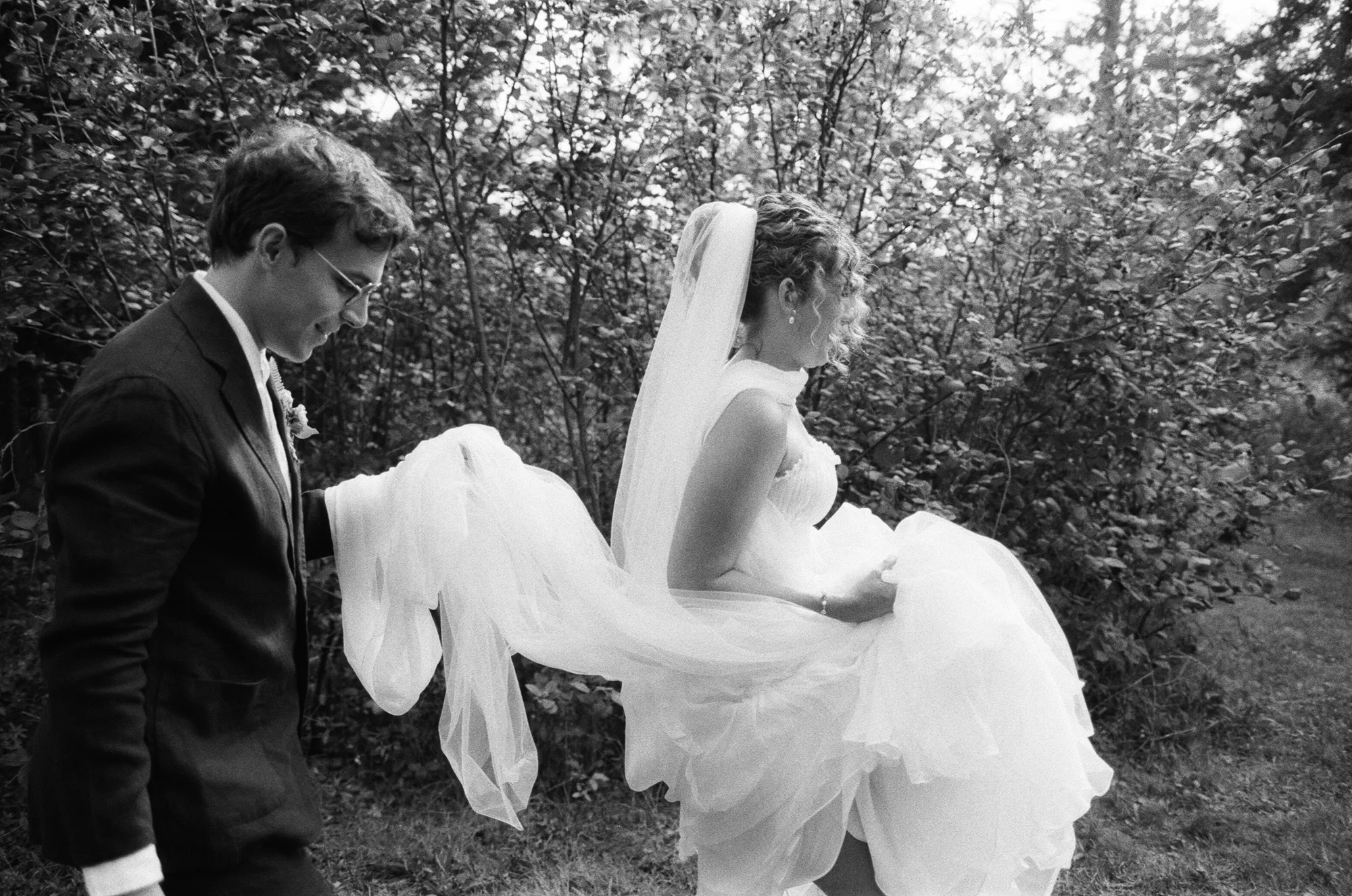
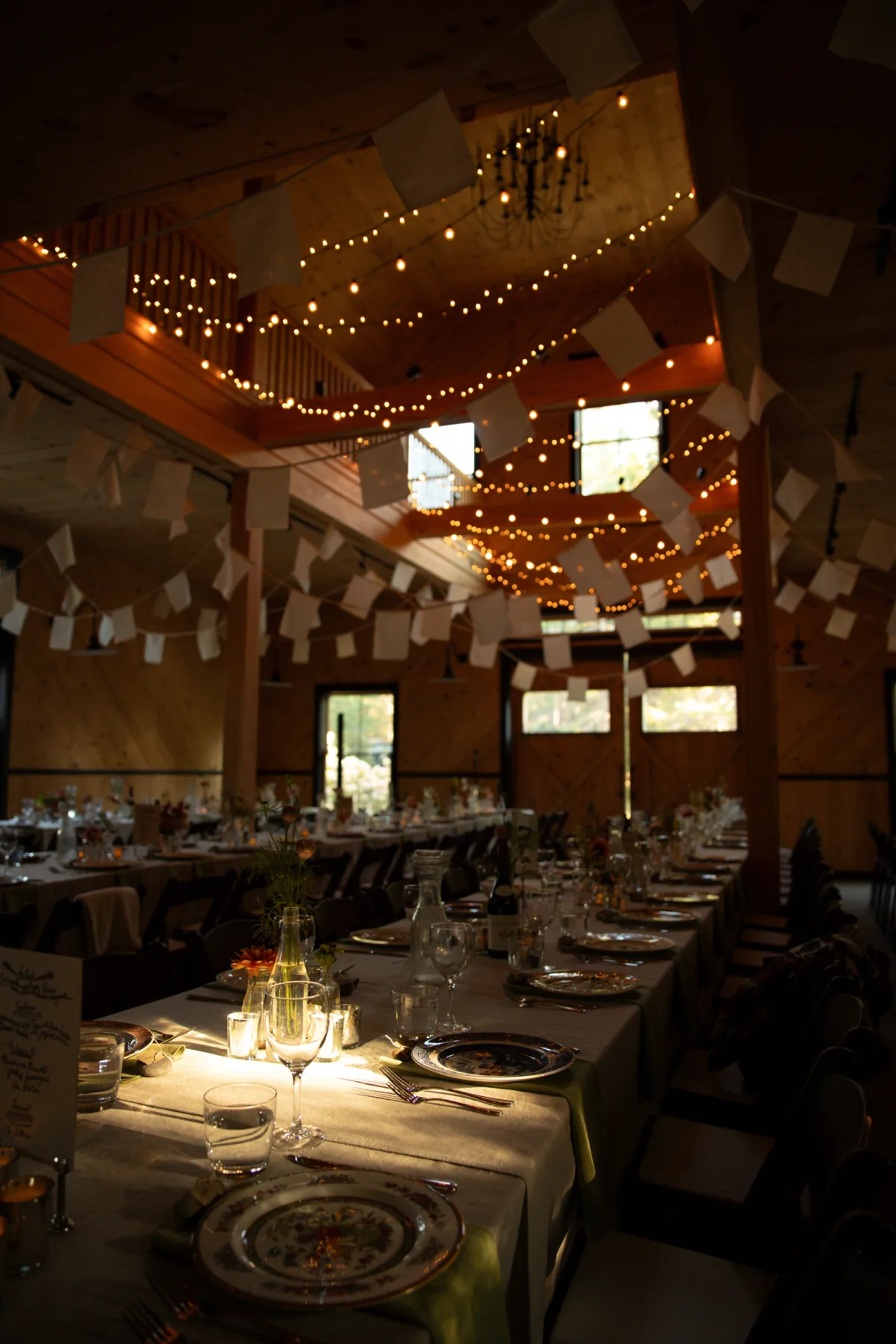
The planning process for the wedding spanned nearly a year following the couple’s engagement in September 2023 on Block Island, Rhode Island. Rather than adhering to a rigid aesthetic or a singular color scheme, the couple prioritized a "collaborative design" approach. By utilizing personal items, thrifted furniture, and heirloom decor sourced from the collections of family members and neighbors, Alice and Sam successfully executed a vision that favored authenticity over commercial perfection.
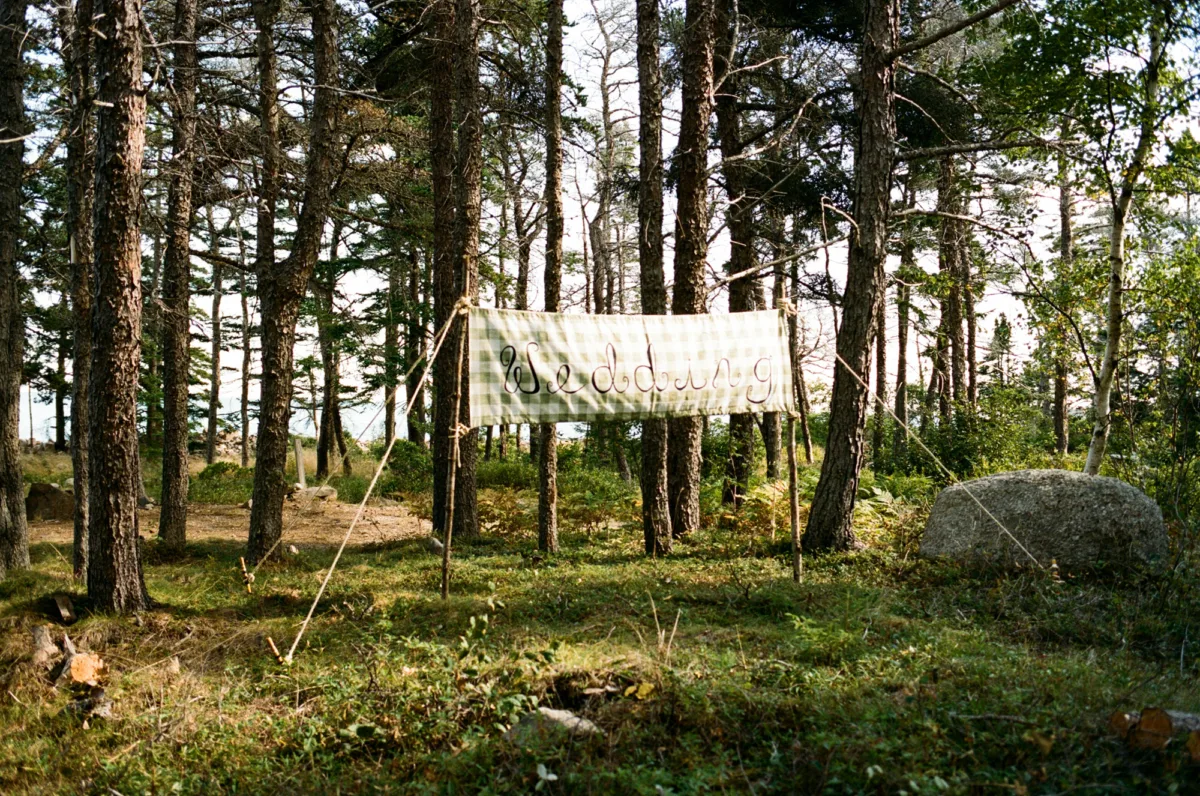
The logistical backbone of the event was managed by wedding coordinator Mallory Morehouse of Downeast Pours, who provided partial planning services. The couple’s decision to avoid traditional industry vendors for decor—instead opting for canvas drop cloths repurposed as tablecloths and vintage china from family cabinets—resulted in a significant reduction in the environmental footprint typically associated with large-scale events. This strategy aligns with a growing trend in the wedding industry toward "low-impact" celebrations, where the narrative of the event is rooted in the history of the items used rather than their market value.
Chronology of the Wedding Weekend
The festivities began on the eve of the wedding with a welcome party at the historic Lunch on the Wharf in Corea, Maine, setting a relaxed, coastal tone for the weekend. On the day of the ceremony, the timeline was structured to maximize guest interaction and minimize the traditional formality of wedding proceedings.
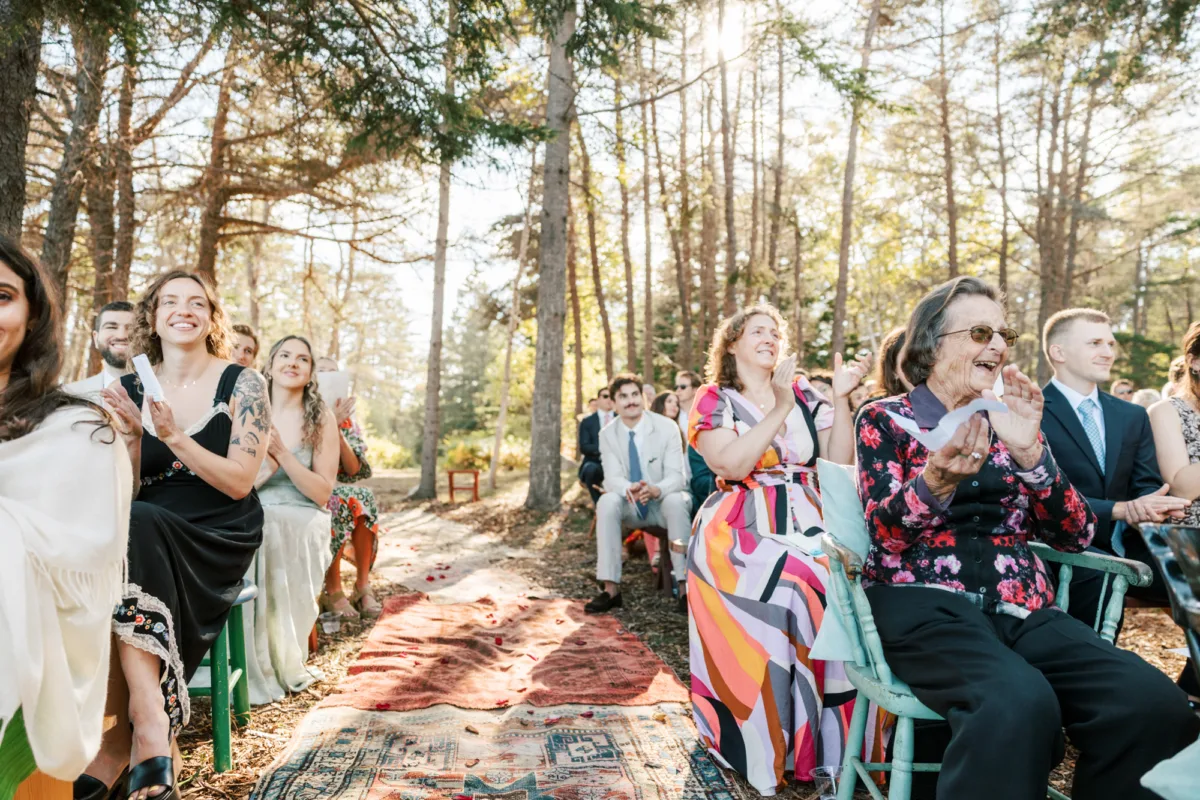
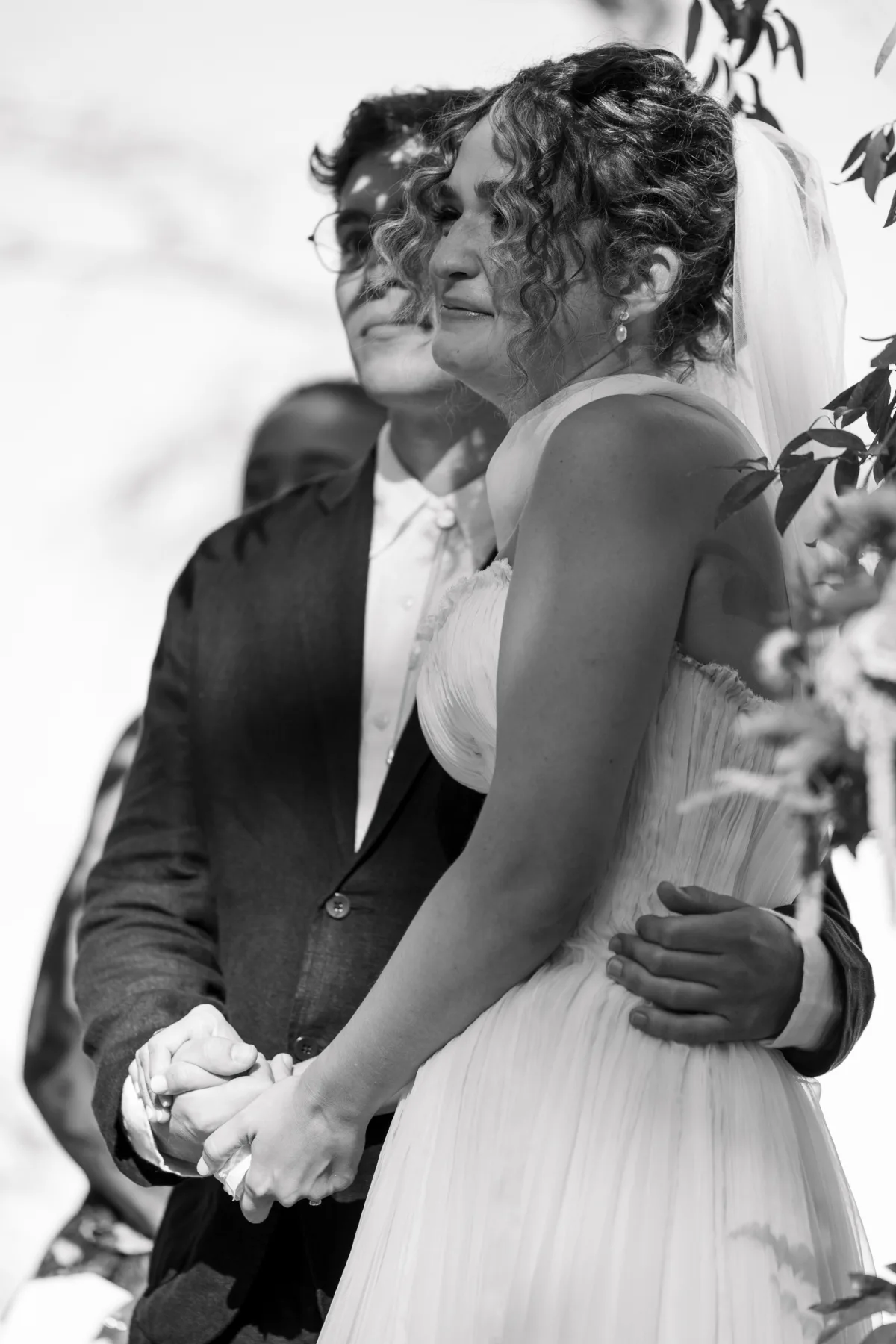
The ceremony was notable for its unconventional structure. Rather than being "given away," Alice walked down the aisle accompanied by both parents, a symbolic gesture intended to represent both familial support and personal independence. The procession was set to a live performance of Neil Young’s "Harvest Moon," sung by a volunteer chorus of friends and family ranging from 16 to 80 years old. The music was arranged by a family friend and conducted on-site, a process that required two full rehearsals the day prior.
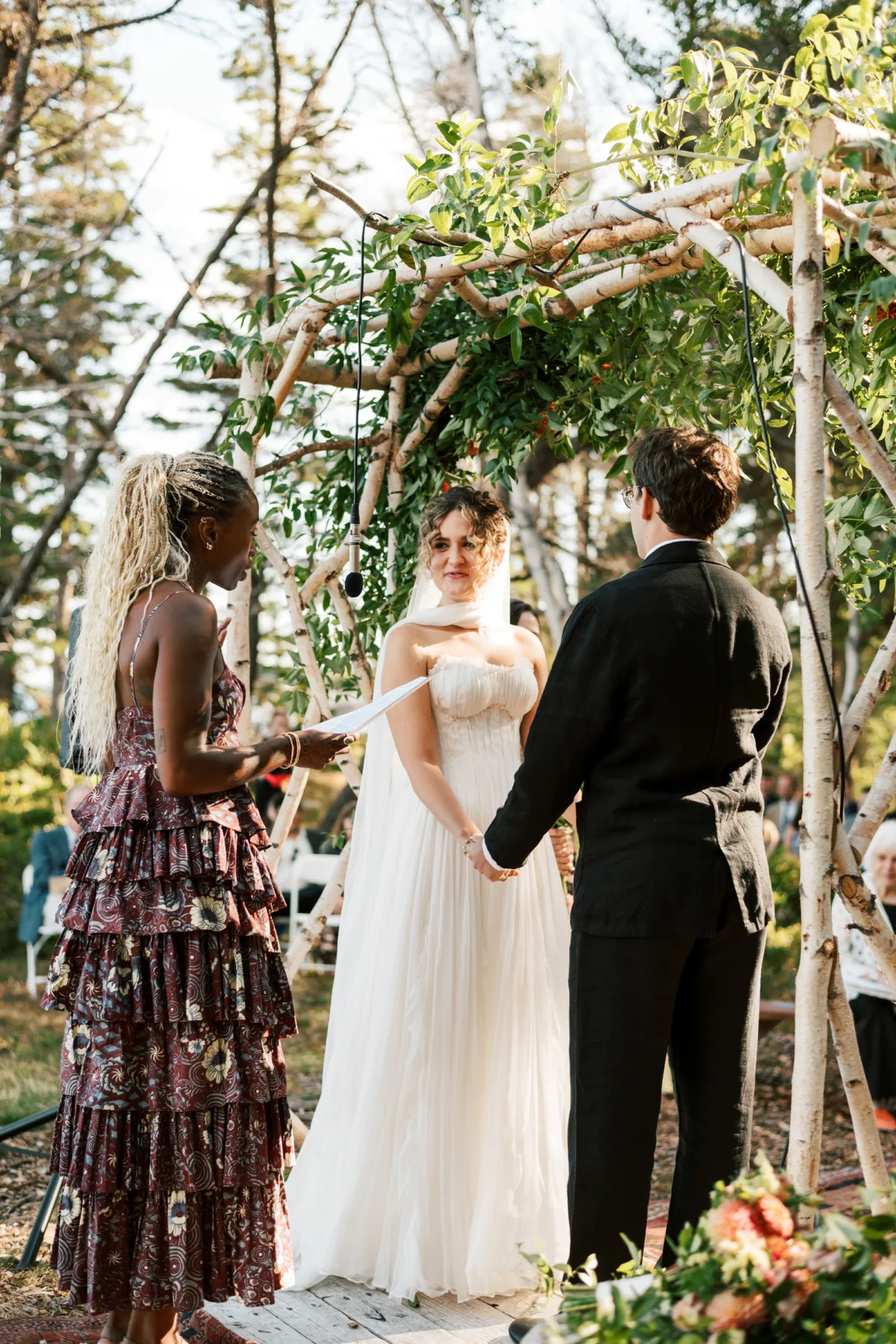
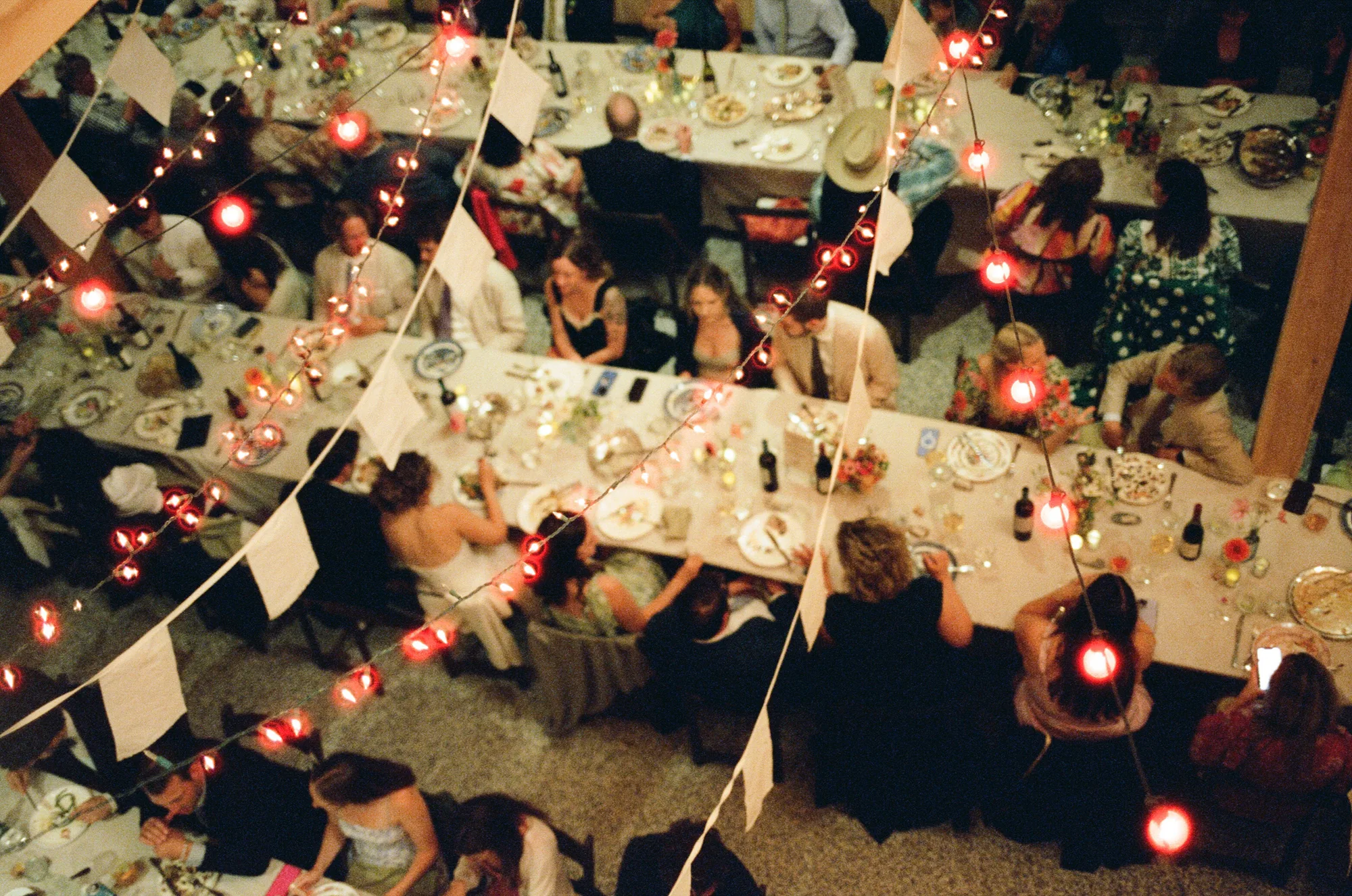
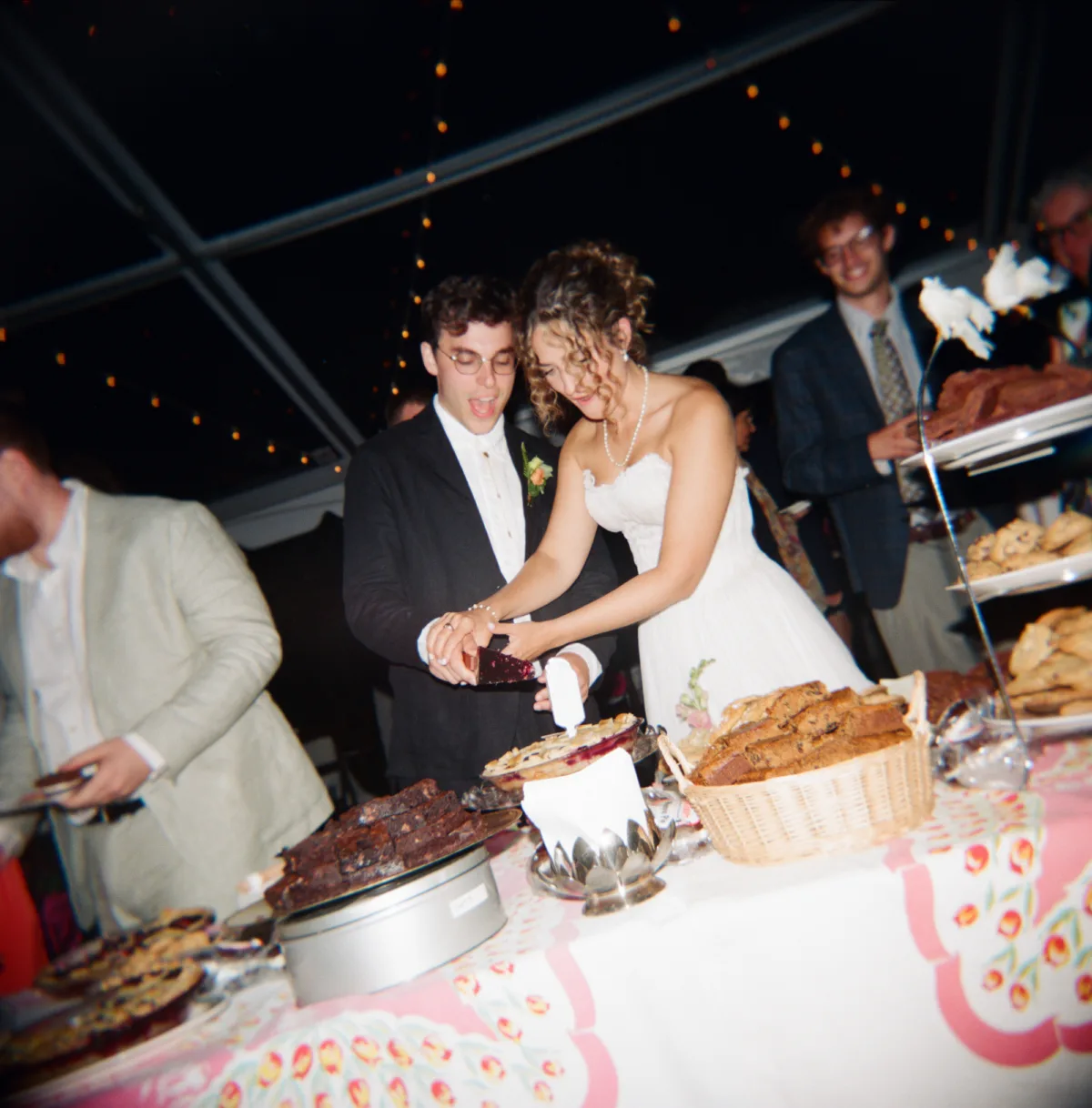
The marriage contract, a synthesis of Quaker and Jewish traditions, served as the formal legal and spiritual anchor of the ceremony. Each guest was invited to sign the document, which had been hand-lettered by the groom’s mother, thereby establishing the community as the primary witness to the union. Following the ceremony, the reception continued with a family-style dinner served on silver-plate dishes, followed by a potluck-style dessert table, a nod to the groom’s Pennsylvania roots where such "cookie table" traditions are common.
Data and Supplier Integration
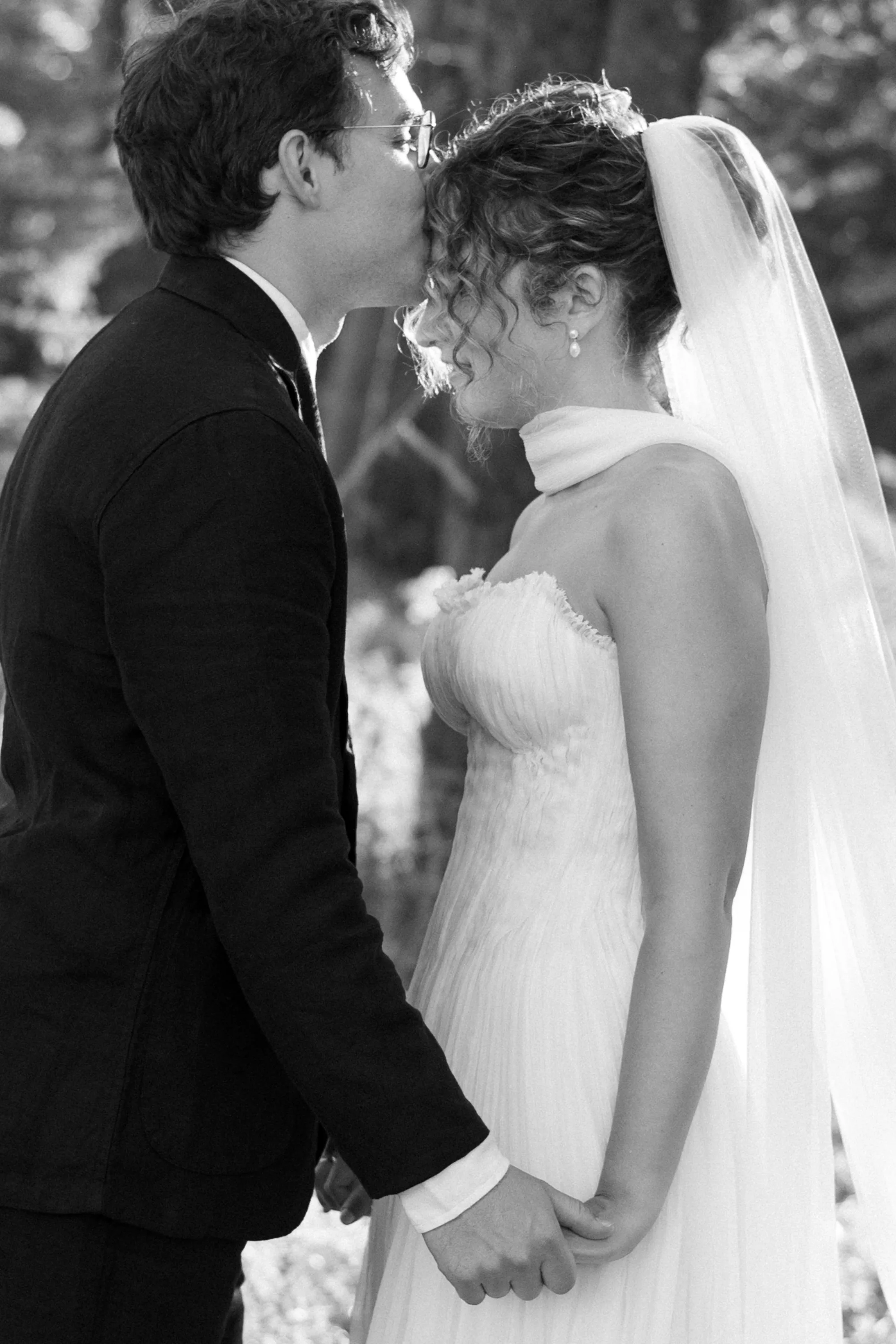
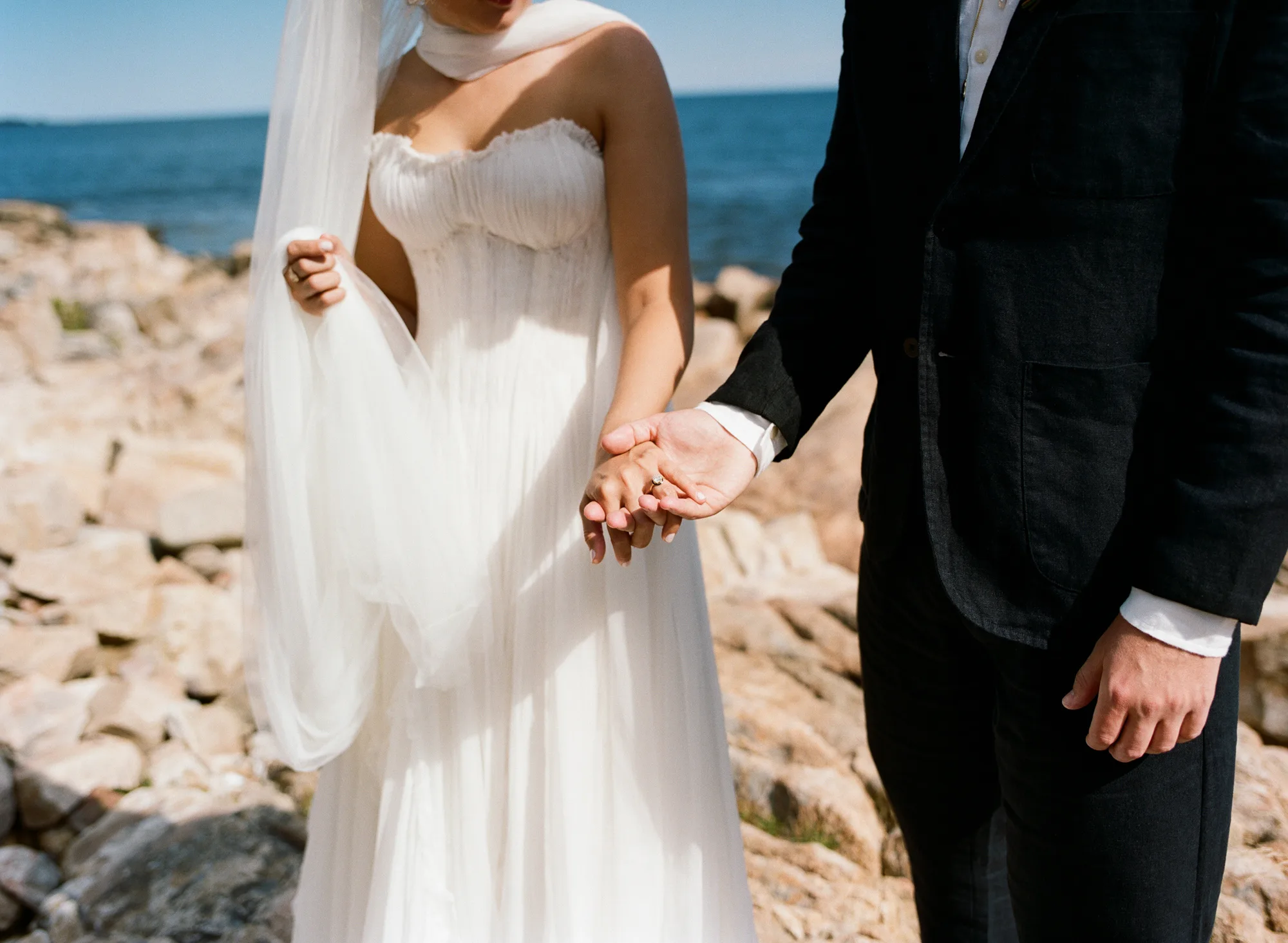
The event featured a diverse team of professionals whose contributions were central to the wedding’s success. Maine-based photographer Alyssa Soucy was commissioned to document the day, utilizing a blend of 35mm film and digital imagery. Her work is frequently recognized for its candid, documentary-style approach, which aligned with the couple’s desire to capture authentic, unscripted moments.
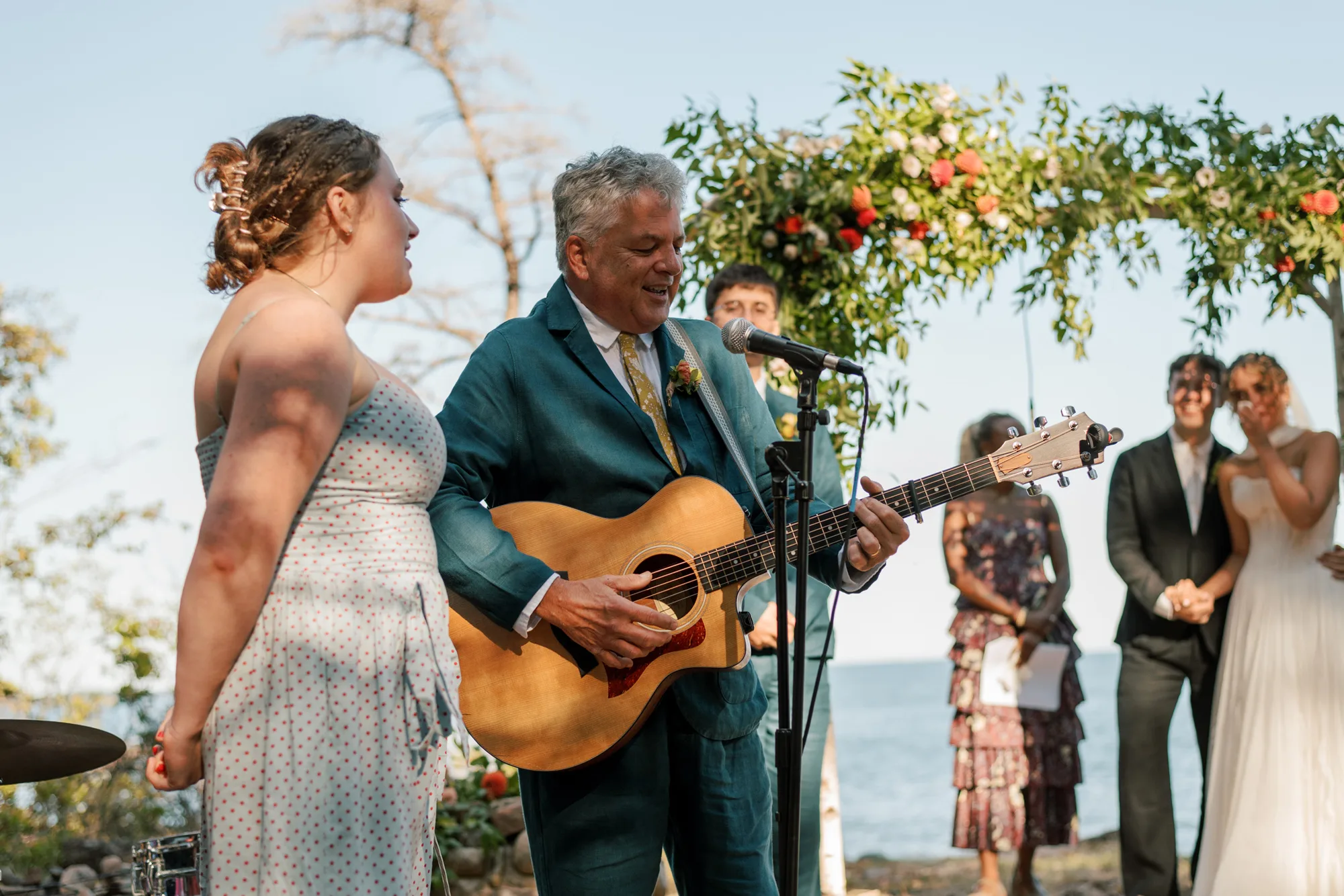
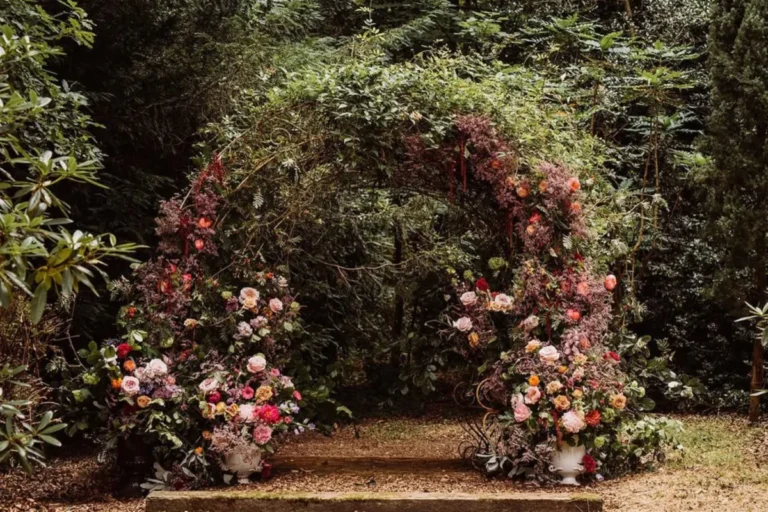
The floral arrangements were handled by Salt Farm Flowers, which provided a hybrid service model. The florist designed the primary ceremony arbor and personal bouquets, while the couple purchased additional raw buckets of flowers to arrange themselves. This hybrid model allowed for a professional standard in key installations while enabling a communal "flower-arranging" event for the wedding party, which served as an additional bonding opportunity.
Entertainment was provided by the 11-piece ensemble The Right Track. The band’s performance included a custom arrangement of Van Morrison’s "Sweet Thing," performed in the style of Hozier, specifically requested by the couple. The band’s technical team also managed the complex audio requirements of an outdoor, seaside ceremony, including the use of non-intrusive microphones suspended from the arbor to preserve the visual integrity of the space.
Implications for the Modern Wedding Industry
The wedding of Alice and Sam offers a case study in the shifting priorities of modern couples. Recent market data from industry analysts suggests a marked increase in demand for "meaning-based" events. According to surveys conducted by platforms like Zola, which the couple used for their registry, a majority of couples currently prioritize guest experience and personal expression over conventional, formal structures.
The economic implications of this shift are twofold. First, it marks a transition away from "packaged" wedding services toward bespoke, collaborative models. By involving guests in the creation of the event—whether through singing in a chorus, contributing to a potluck dessert table, or assisting with the setup of tables—the couple effectively lowered the cost of production while simultaneously increasing the "emotional equity" of the event.
Secondly, the use of a "community-as-authority" framework, as seen in the couple’s marriage contract, reflects a broader sociological trend. As religious and state-led traditions are increasingly supplemented by personal or non-denominational practices, couples are looking to create their own structures of accountability. The success of this ceremony suggests that the integration of diverse cultural heritage—in this case, the combination of Jewish Ketubah traditions and Quaker community-witnessing—is becoming a hallmark of contemporary weddings.
Professional Reflections and Future Considerations
Reflecting on the event, the couple emphasized that the perceived effortlessness of a "bohemian" or "relaxed" wedding is, in reality, the product of rigorous coordination and high levels of social capital. The logistics of coordinating a chorus, sourcing vintage dinnerware, and organizing a family-led setup requires a level of project management comparable to, if not greater than, hiring a full-service firm.
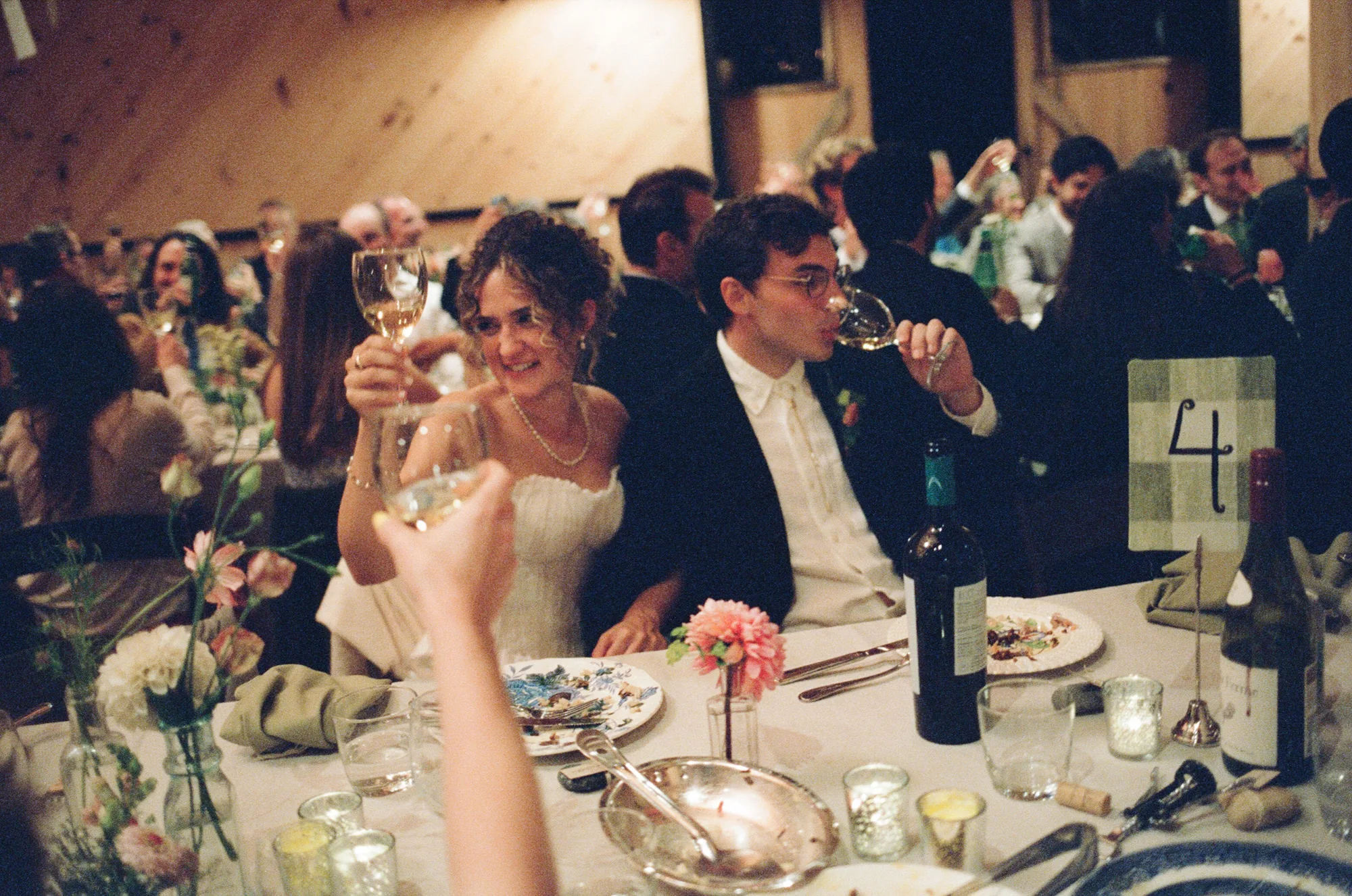
For future couples, the takeaway is clear: the most memorable elements of the celebration were those that required the active participation of their social network. The couple noted that the "noise" of highly edited social media content often distracts from the primary purpose of a wedding: to create a foundation for a partnership. By ignoring the pressures of current digital trends and focusing on the specific values of their community—partnership, nature, and shared history—the couple achieved an event that felt distinctly personal.
The logistical challenges encountered, such as the need for more structured time during the bridal preparations, serve as a reminder that even the most well-planned events require a buffer for human error. However, the overall success of the Birch Harbor event underscores a vital truth for the industry: when a wedding is built around the specific, authentic talents and contributions of a couple’s community, the resulting celebration is inherently resilient, meaningful, and difficult to replicate.
As the couple transitions into this new phase of their lives, the marriage contract hanging on their wall serves as a constant reminder of the community that gathered in the Maine woods to support their commitment. It remains a testament to the fact that, in an increasingly digital world, the most enduring wedding memories are often those that require the simplest, yet most profound, human connection.