

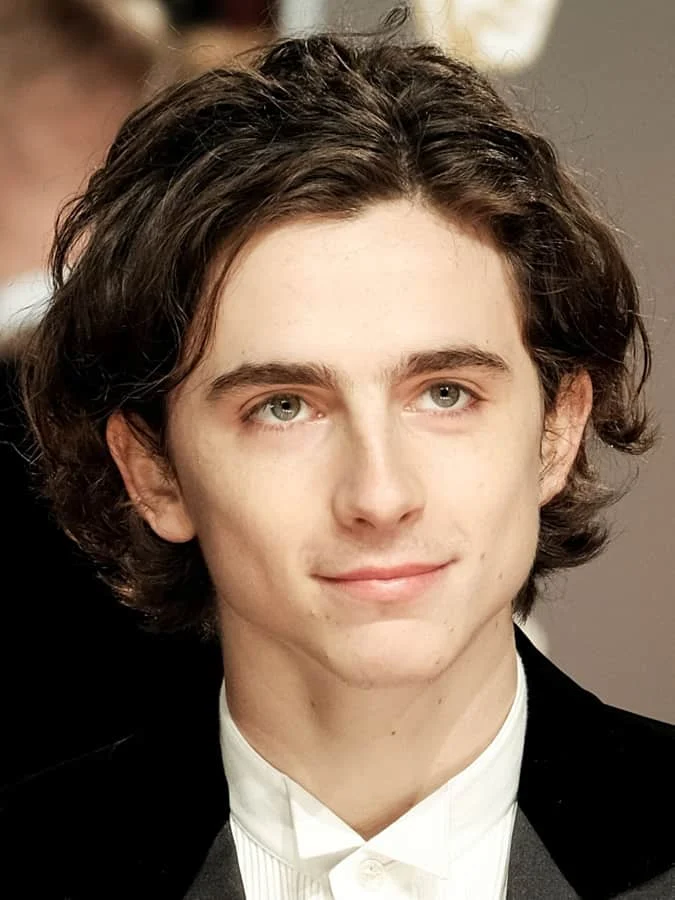
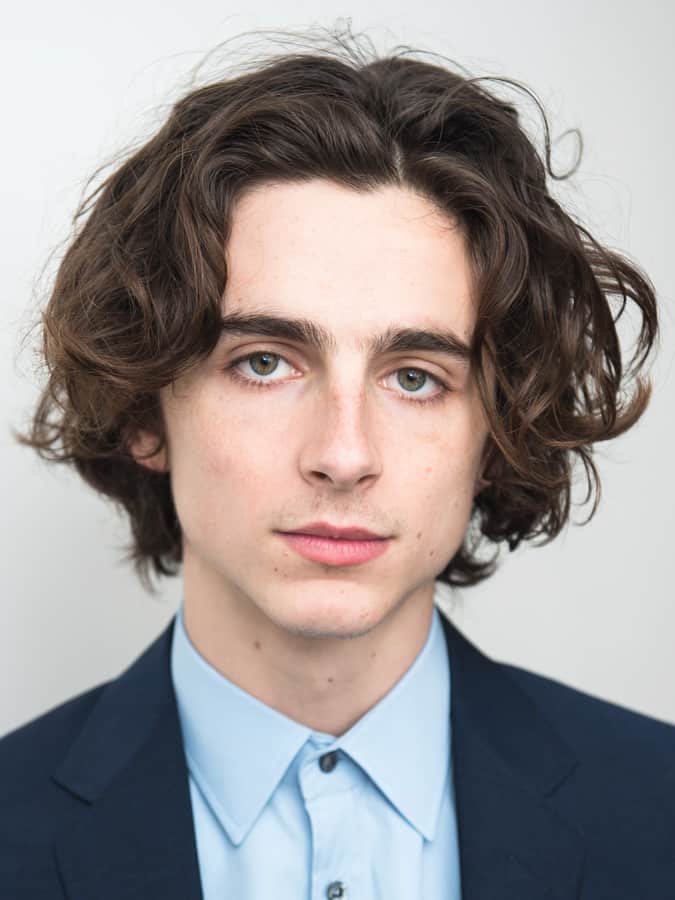
The global cultural footprint left by Luca Guadagnino’s acclaimed coming-of-age drama Call Me by Your Name extended far beyond its cinematic accolades, decisively steering contemporary menswear trends back toward 1980s nostalgia while propelling young actor Timothée Chalamet into international superstardom. Released to widespread critical acclaim, the film captured multiple Academy Award, Golden Globe, and BAFTA nominations, driven largely by Chalamet’s vulnerable and magnetic portrayal of the love-struck adolescent Elio Perlman. As the 22-year-old New York native transitioned from promising supporting player in high-profile projects like Interstellar and Homeland to an A-list leading man, observers noted that his rapid ascent was aided by a combination of established industry connections and a remarkably distinctive personal aesthetic. Chief among his physical attributes—alongside his striking bone structure—is a medium-to-long, effortlessly textured mane of hair that has quickly become one of the most heavily analyzed and sought-after hairstyles in modern men’s grooming.
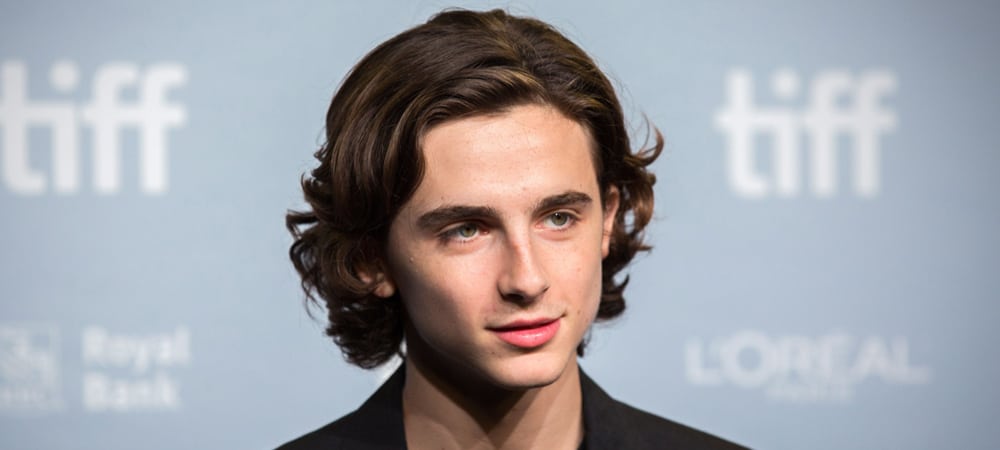
The Anatomy of a Cultural Phenomenon: Why Chalamet’s Hair Resonates
Set against the sun-drenched backdrop of the Italian Riviera—though famously filmed in Lombardy amid torrential, historic rainfall—Call Me by Your Name showcased hair styling that remained remarkably resilient under extreme weather conditions. Despite high humidity and persistent moisture, Chalamet’s signature mop managed to evade the common pitfalls of men’s curly and wavy hair: the dreaded halo of frizz and the unintended tightness of overly treated curls. Instead, his off-screen and on-screen looks consistently strike a balance between disheveled nonchalance and structured definition, presenting a texture profile that professional groomers identify as exceptionally rare.
Industry professionals emphasize that Chalamet won the genetic lottery regarding hair density and natural movement. According to Scott Ade, a senior hair stylist at London’s esteemed Larry King salon, the actor possesses a thick head of hair endowed with natural wave and movement. Such a foundation allows the hair to fall into relaxed curls when left to air-dry, yet it remains malleable enough to be blow-dried into a straighter, more polished silhouette. This versatility forms the core of its appeal, offering a stark departure from the rigid, high-maintenance fades and heavy pomades that dominated men’s grooming throughout the early 2010s.
The Professional Consultation: What to Request at the Salon
Achieving a hairstyle associated with a major Hollywood celebrity requires moving past the illusion of absolute effortless maintenance. Professional hair and makeup artist Karen Alder, who has collaborated with Chalamet on numerous editorial photoshoots, stresses that achieving this specific aesthetic demands targeted salon visits and precise cutting techniques.
The primary rule of thumb when visiting a stylist is to request what professionals term the "non-haircut." The objective is to bypass the sharp, clean-cut look associated with traditional barbershop visits while avoiding the unkempt appearance of unmanaged growth. Alder recommends aiming for a length that visually resembles hair cut several weeks prior, achieved through point-cutting techniques that soften the ends and eliminate blunt lines.
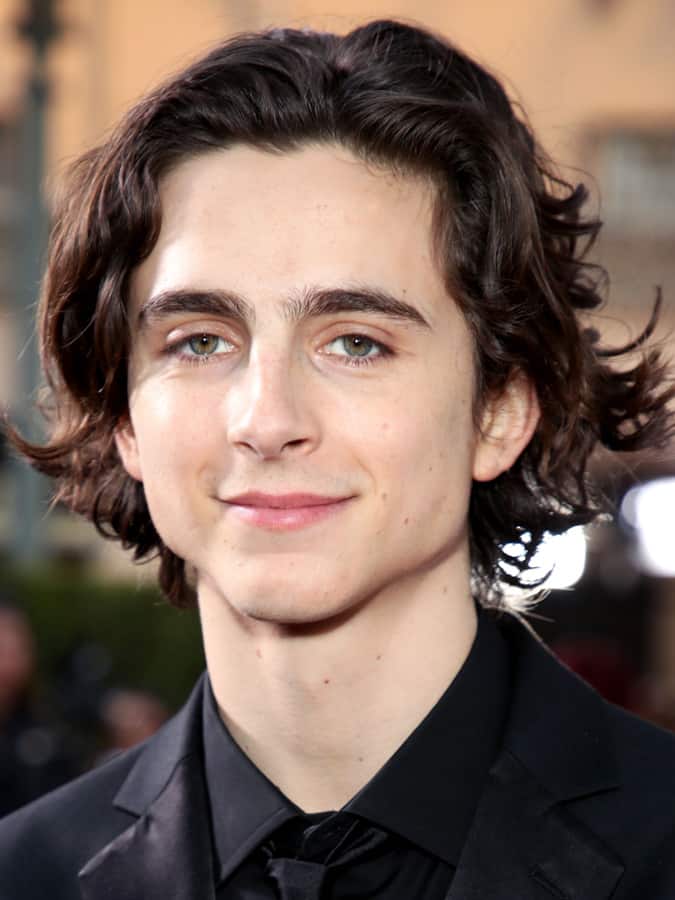
Furthermore, industry experts suggest steering clear of traditional high-street barbershops in favor of unisex salons. While modern barbers have broadened their repertoires well beyond the standard five-minute short-back-and-sides, the specialized texturizing techniques required to maintain medium-to-long length on top while preserving masculine appeal typically draw from women’s cutting methodologies. For individuals currently sporting short crops, the transition requires a commitment to a strict growing-out phase, allowing the hair to gain uniform length and weight across the crown and sides.
Maintenance and Washing Protocols: Managing Wavy and Curly Textures
For those blessed—or cursed—with natural curls and kinks, daily exposure to water and standard hair cleansing routines can present significant challenges. Traditional heat styling utilizing a bristle brush frequently disrupts curl definition, transforming natural waves into a voluminous, frizzy state. To counteract this, grooming experts advocate for alternative washing regimens, most notably "co-washing," or conditioner washing.
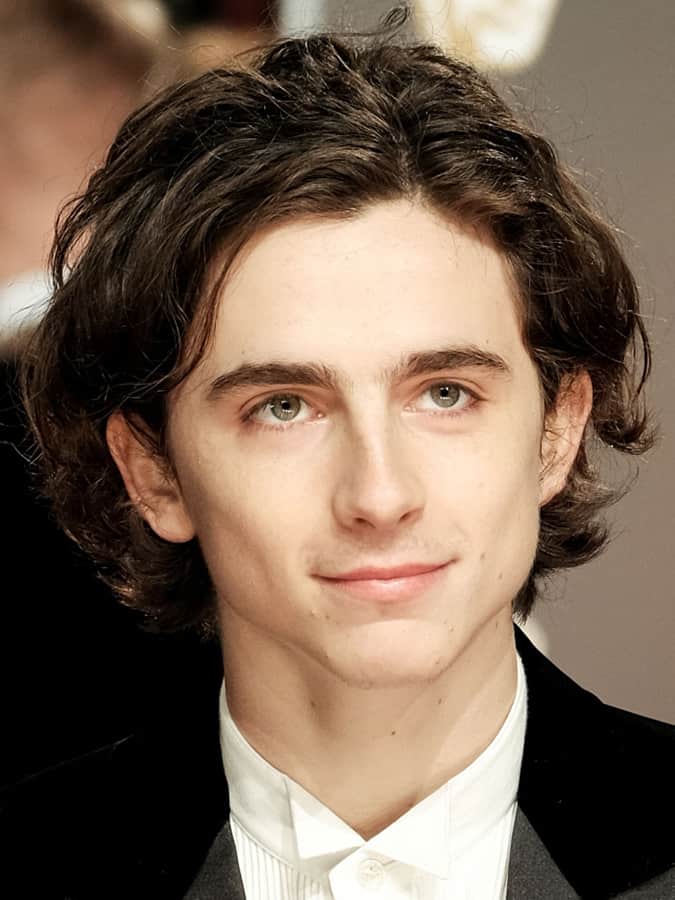
Co-washing involves bypassing traditional detergents to cleanse the hair solely with a nourishing conditioner. This method preserves essential natural oils, helping thick and wavy hair retain vital moisture while keeping curl patterns defined and frizz contained. Complete elimination of shampoo is not mandatory; rather, stylists recommend restricting shampoo usage to once a week—or adjusting based on individual sebum production—to clarify the scalp and roots.
For individuals who prefer maintaining a traditional washing routine, transitioning to a sulfate-free shampoo is heavily advised. Sulfates, commonly listed as sodium laureth sulfate (SLS) and related detergents, generate rich lathers but often strip the scalp and hair of essential moisture. Because curly and wavy hair types are inherently drier than straight hair due to the physical difficulty of natural oils traveling down a spiraled shaft, avoiding harsh detergents is critical to maintaining a healthy, touchable texture.
Modern Styling Techniques and Blow-Drying Essentials
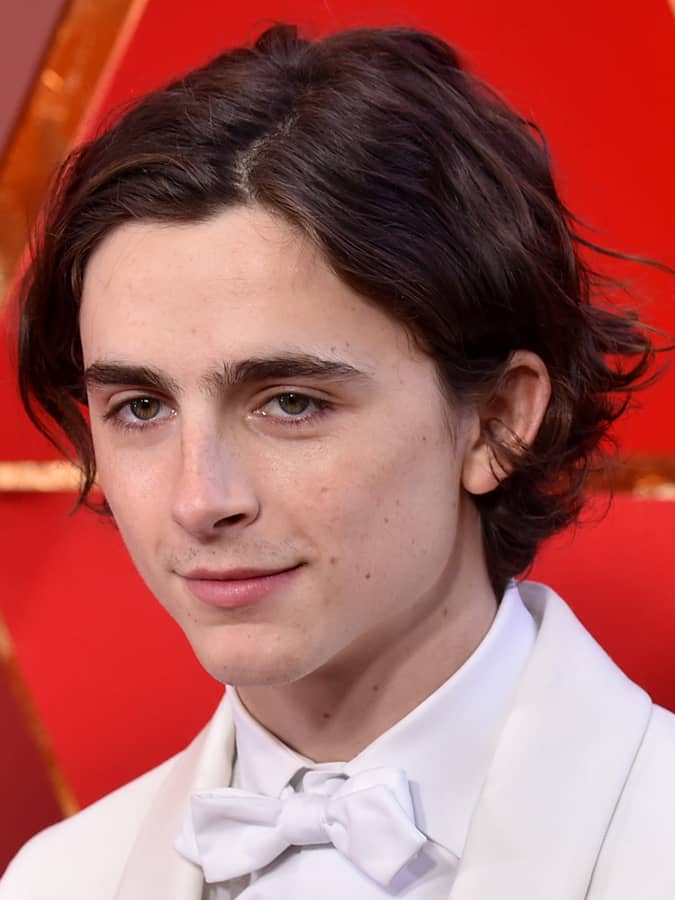
While natural air-drying works effectively during warmer summer months, maintaining a polished Chalamet-esque aesthetic year-round typically requires mechanical intervention. Scott Ade outlines a foundational styling methodology that begins immediately after washing and conditioning the hair:
- Towel Drying: Gently blot excess moisture from the hair without aggressively rubbing, which causes friction and subsequent frizz.
- Applying Mousse: Distribute a generous amount—approximately a golf ball-sized portion—of high-quality hair mousse evenly through the damp strands. Mousse provides essential structural hold while preserving hair malleability, reducing the need for heavy finishing products like stiff waxes or traditional gels.
- Blow-Drying and Shaping: Utilize a professional-grade hairdryer equipped with a nozzle attachment to direct airflow while molding the hair into its desired soft, side-parted shape. Ade emphasizes that attempting this specific look without a hairdryer is exceptionally difficult for anyone lacking ideal natural textures.
Product Selection: Striking the Balance Between Control and Softness
Navigating the vast array of men’s grooming products requires prioritizing formulations that control flyaway strands without compromising softness. Traditional crunch-inducing gels are strongly discouraged in favor of lightweight creams, leave-in conditioners, and working pastes.
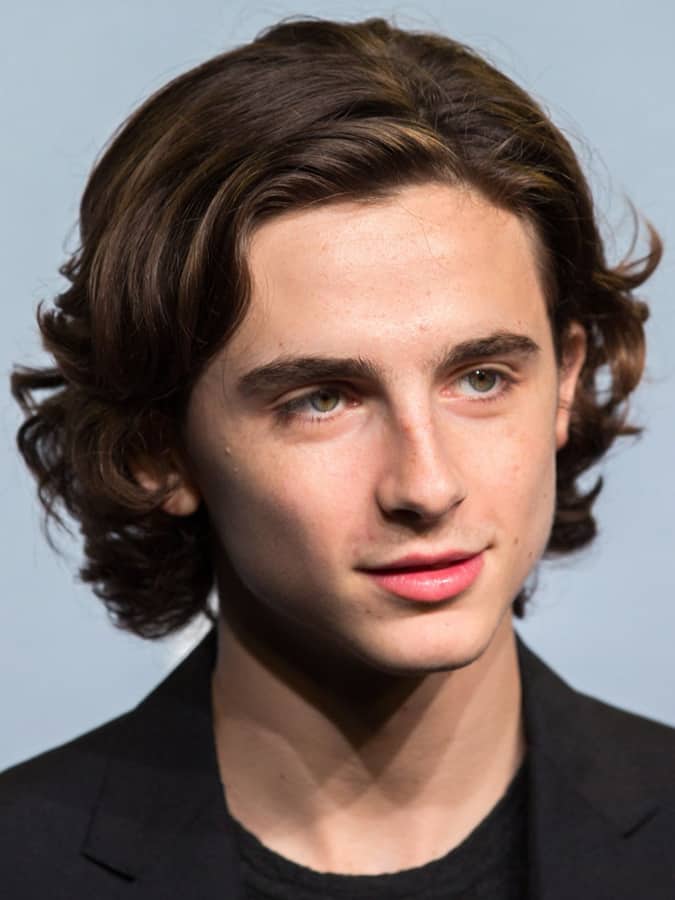
Karen Alder recommends leave-in hydration treatments, such as texturizing and defining cremes applied strictly to the mid-lengths and ends of damp hair. Applying heavy products directly to the roots can weigh the hair down and impart an unwanted greasy appearance. Similarly, Scott Ade advocates for a streamlined product lineup consisting of a quality mousse for foundational hold, followed by a light styling cream or texturizing clay for subtle separation. Premium tools, such as the Dyson Supersonic hairdryer, are frequently cited by professionals as industry standards for minimizing heat damage while efficiently shaping textured hair.
Broader Implications for Modern Men’s Grooming Trends
The enduring popularity of Timothée Chalamet’s hairstyle reflects a broader cultural shift within men’s fashion and personal care. Moving away from the hyper-manicured, uniform aesthetics of the 2010s—characterized by high-fade pompadours and rigid, matte-clay finishes—contemporary grooming increasingly values individuality, natural texture, and relaxed maintenance.

As cultural appreciation for retro aesthetics continues to influence mainstream media and fashion markets, hairstyles that celebrate natural movement rather than strict conformity have secured a permanent place in modern styling. By combining thoughtful salon maintenance, targeted moisture management, and lightweight styling agents, individuals seeking to replicate this iconic look can successfully navigate the boundary between effortless presentation and deliberate, professional grooming.