


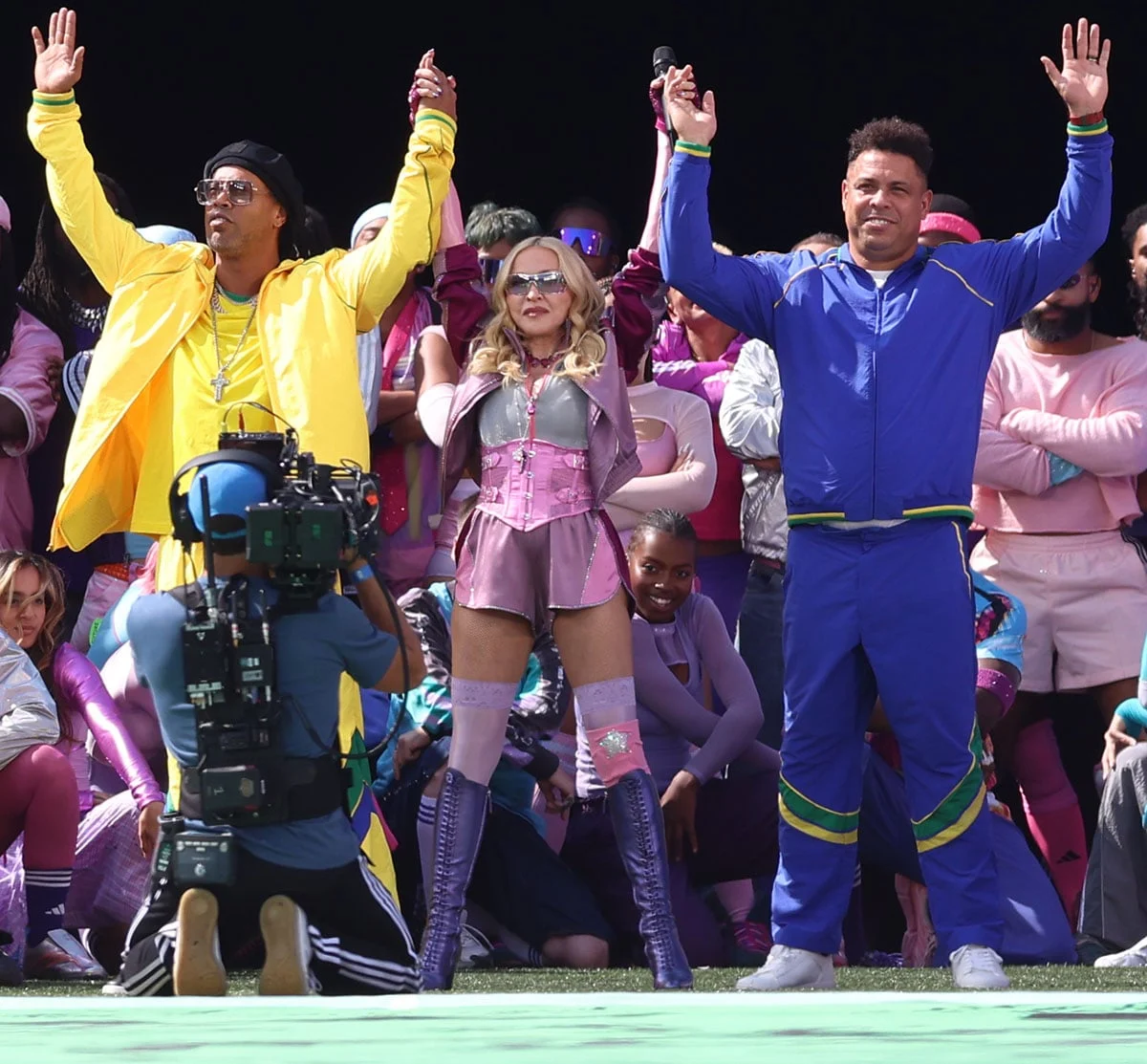
The 2026 FIFA World Cup reached its cultural and athletic zenith during the final match between Spain and Argentina, held at the MetLife Stadium in East Rutherford, New Jersey. While the world watched two footballing giants vie for the most prestigious trophy in sports, the event also marked a significant departure from tradition with the debut of the first-ever FIFA World Cup Final Halftime Show. Headlining this historic occasion was Madonna, the undisputed "Queen of Pop," who delivered a performance designed to bridge the gap between the high-octane energy of international football and the avant-garde aesthetics of luxury fashion.
The inclusion of a halftime show in the World Cup Final represents a strategic shift for FIFA, the governing body of world football. Aiming to replicate the global commercial success of the NFL’s Super Bowl Halftime Show, FIFA sought an artist whose career longevity and global recognition could command a televised audience estimated to exceed 1.5 billion viewers. Madonna, known for her ability to reinvent her image while maintaining a consistent cultural relevance, was selected to anchor this transition, turning a sporting intermission into a masterclass in fashion-forward showmanship.
A Masterclass in Curated Performance Fashion
Madonna’s wardrobe for the evening was not merely a costume but a calculated fusion of high-fashion luxury and athletic functionality. In a departure from the monochromatic or thematic ensembles typical of stadium tours, the artist opted for a collaborative look that blended the works of Anthony Vaccarello for Saint Laurent and Glenn Martens for Diesel. This pairing highlighted a growing trend in the fashion industry where heritage luxury houses and contemporary "street-club" brands intersect to create looks that resonate across diverse demographics.
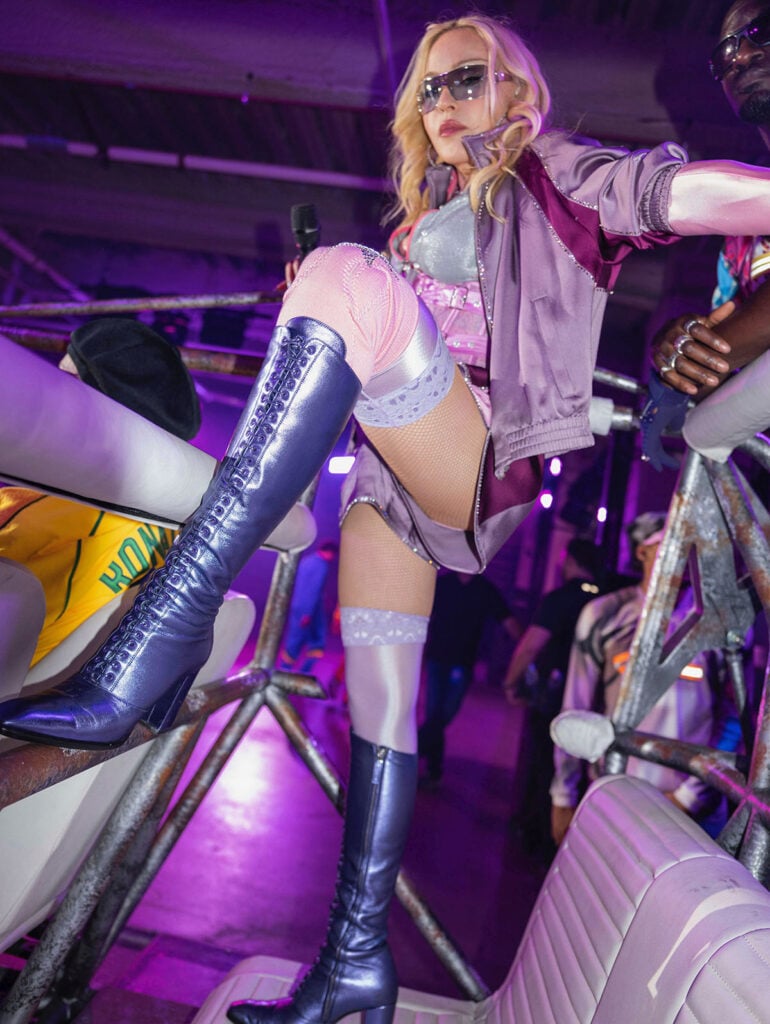
The foundation of the ensemble featured a lurex jersey zip top from Glenn Martens’ Spring 2023 collection for Diesel. The garment featured intricate contrast lace inserts and sporty striped rib trims, embodying Martens’ signature aesthetic of deconstructed sportswear. By selecting a piece from a collection that emphasizes the "club DNA" of the Diesel brand, Madonna’s styling team—led by longtime collaborators—ensured the look felt grounded in the contemporary energy of the 2020s while nodding to the athletic context of the World Cup.
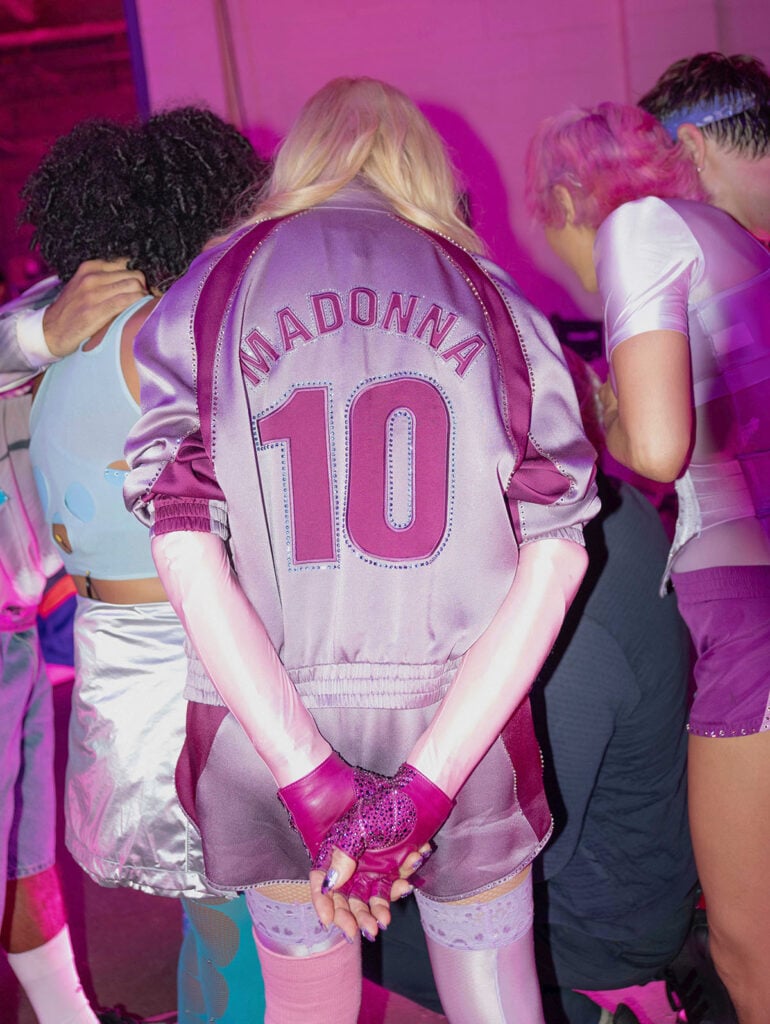
Layered over the Diesel top was a custom Saint Laurent Teddy jacket designed by Anthony Vaccarello. Crafted from premium lavender satin-crepe, the jacket featured the name "Madonna" and the number "10" emblazoned across the back in a font reminiscent of classic football jerseys. The number 10 is historically reserved for the "playmaker" or the most creative player on a football team—worn by legends such as Pelé, Diego Maradona, and Lionel Messi—making the choice a deliberate homage to the sporting greats on the field.
The lower half of the ensemble consisted of silk mini shorts and metallic leather "Danceteria" lace-up boots, also by Saint Laurent. The boots, characterized by their shimmering silver finish and rugged construction, provided the necessary support for the artist’s choreography while reflecting the stadium’s intense floodlights. The color palette of lavender, soft pink, and metallic silver allowed Madonna to stand out against the emerald green pitch and the vibrant primary colors worn by the auxiliary performers and special guests.
Chronology of the Event and Performance Highlights
The halftime show began precisely 15 minutes after the first-half whistle blew, following a rapid-response stage assembly that required over 400 technicians to complete in under six minutes. As the lights dimmed in the sold-out stadium, a digital countdown synchronized with the heartbeat of the crowd led into the opening chords of a reimagined, high-tempo version of "Hung Up."
Madonna appeared on a raised circular platform at the center of the pitch, surrounded by a troupe of 60 dancers dressed in neon-accented sportswear. The performance was structured as a medley of her greatest hits, transitioned through a lens of electronic dance music (EDM) and global rhythms, acknowledging the international nature of the World Cup audience.
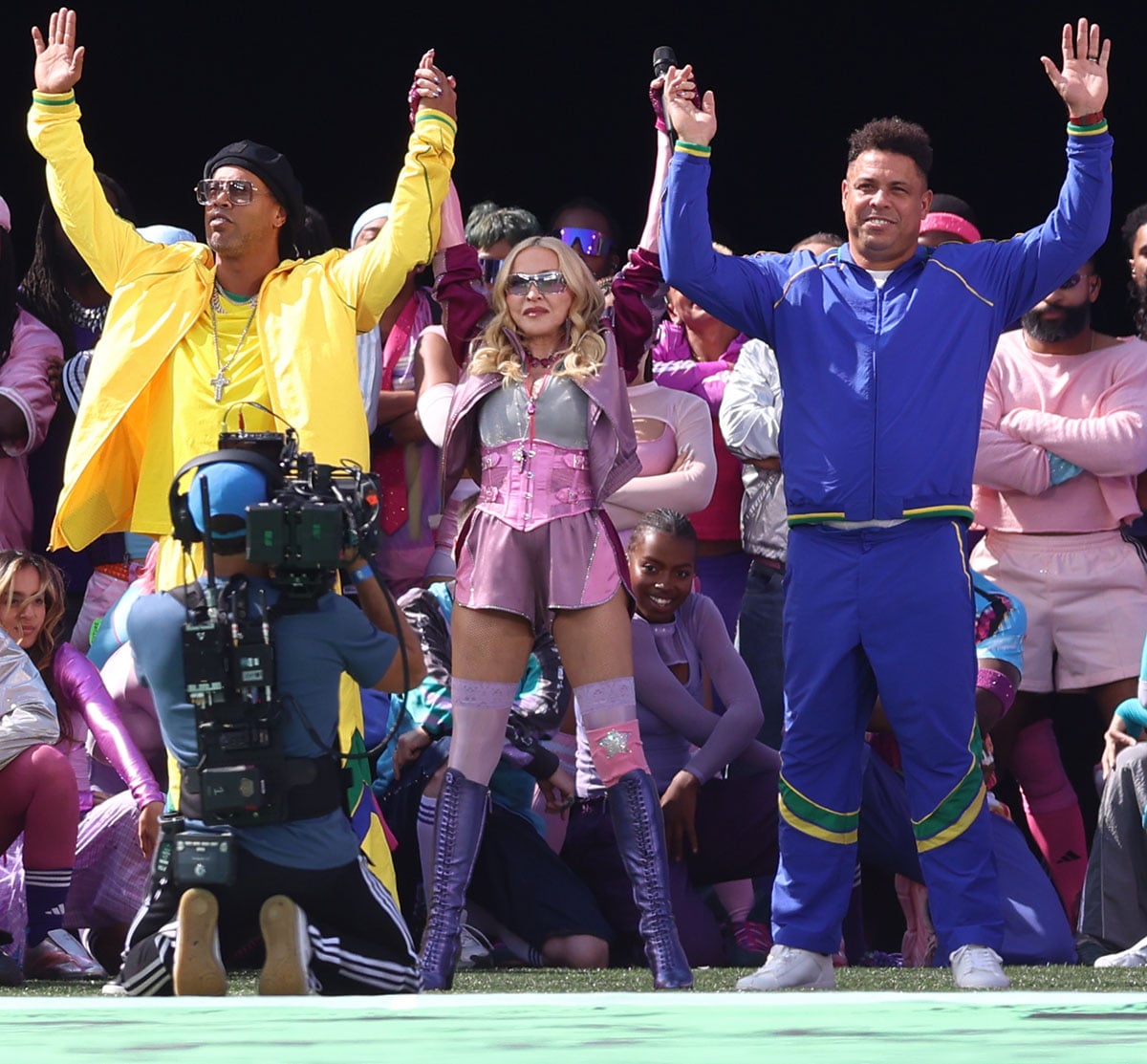
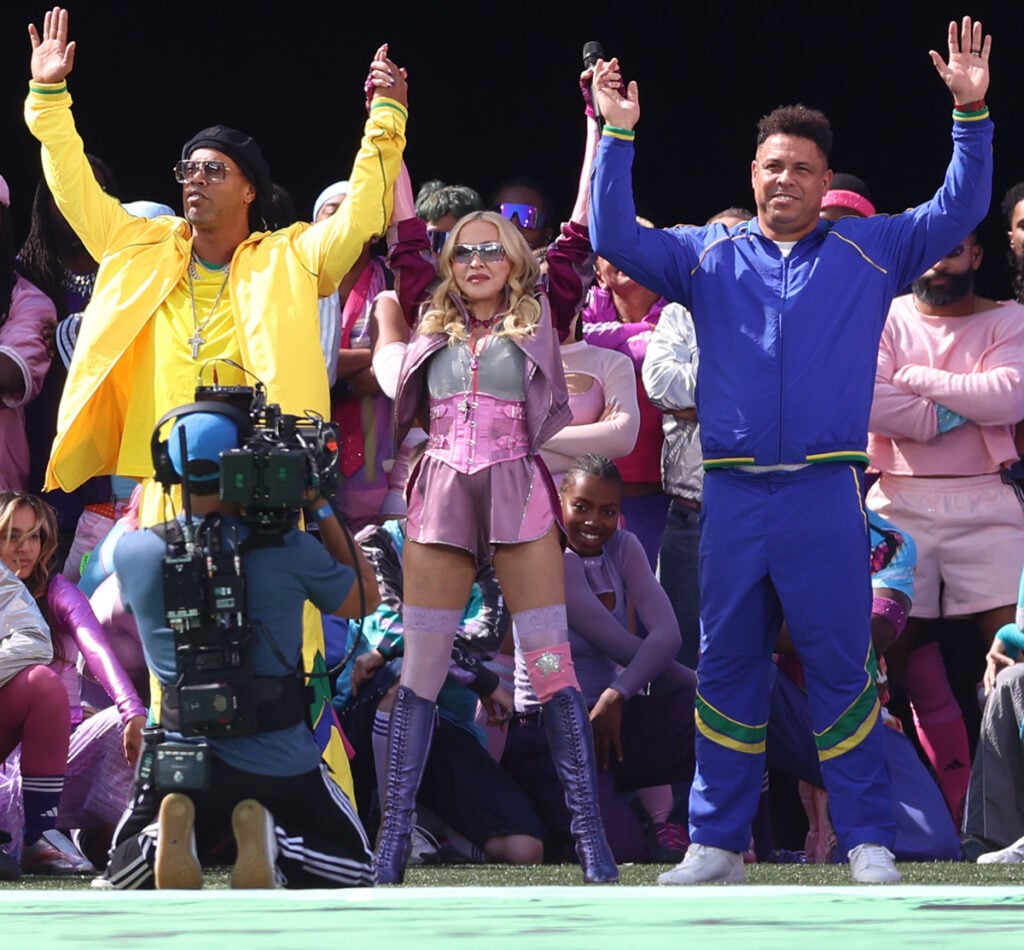
The highlight of the 12-minute set occurred during the transition into "La Isla Bonita," when Madonna was joined on stage by Brazilian football legends Ronaldinho and Ronaldo Nazário. The two icons, both former World Cup winners, wore vibrant yellow and blue tracksuits that contrasted sharply with Madonna’s pastel-and-silver palette. Their presence served as a symbolic bridge between the entertainment industry and the sporting world, reinforcing the "Global Village" theme that FIFA has promoted for the 2026 tournament.
The set concluded with "Music," during which the stadium’s augmented reality (AR) technology projected giant football-themed visuals across the broadcast, visible to viewers at home. As the final notes rang out, Madonna took a bow alongside the football legends, marking a seamless integration of two of the world’s most popular forms of mass media.
Supporting Data and Commercial Context
The decision to implement a halftime show was backed by significant economic data. According to FIFA’s 2023–2026 cycle financial reports, the organization targeted a total revenue of $11 billion, an increase driven largely by expanded sponsorship deals and broadcast rights in North America. By introducing a musical performance of this scale, FIFA was able to command higher premiums for the 15-minute advertising block during the interval, attracting non-endemic brands that typically focus on entertainment rather than sports.
Early viewership metrics from the 2026 Final suggest that the halftime show retained approximately 98% of the audience that watched the first half of the match. In previous years, viewership typically saw a 10% to 15% dip during the halftime period as fans left their screens. The "Madonna Effect" also translated to digital platforms; social media monitoring tools reported over 4.2 million mentions of "Madonna World Cup" within the first hour of the performance, with the Saint Laurent jacket becoming a top-trending item on fashion-focused search engines.
Reactions from the Fashion and Sporting Communities
The reaction to the performance was overwhelmingly positive, though it sparked discussions regarding the "Americanization" of global football. Industry analysts noted that the collaboration between Saint Laurent and Diesel was a strategic win for both brands.
"What we saw at the MetLife Stadium was the final evolution of ‘athleisure’ into ‘stadium couture,’" said a senior fashion editor at a leading trade publication. "By mixing Vaccarello’s sleek, Parisian lines with Martens’ gritty, industrial Diesel aesthetic, Madonna managed to look both like a pop star and a participant in the sporting culture. The ‘Madonna 10’ jacket is likely to become one of the most requested custom pieces of the year."
Within the sporting world, the reception was noted for its respect toward the game’s history. The inclusion of Ronaldinho and Ronaldo was seen as a vital gesture that prevented the halftime show from feeling like an intrusion. In a post-match press conference, a FIFA spokesperson stated: "Our goal was to enhance the fan experience without detracting from the integrity of the Final. Madonna’s performance was designed to celebrate the global community that football creates, and the feedback from the fans in the stadium and around the world has been exceptional."
Broader Implications and the Future of the World Cup
The success of the 2026 halftime show sets a new precedent for future FIFA tournaments. It is expected that the 2030 World Cup, which will be hosted across six countries on three continents, will feature similar high-profile musical interventions. The "Super Bowl-ification" of the World Cup Final is now a reality, turning the match into a full-day cultural festival rather than a standalone 90-minute game.
Furthermore, the performance solidified the role of fashion as a primary narrative tool in sports broadcasting. As luxury brands continue to sign athletes as brand ambassadors, the World Cup pitch is becoming as significant a runway as those in Milan or Paris. The "Madonna 10" ensemble demonstrated that clothing can serve as a bridge between disparate worlds, using the universal language of a jersey to communicate status, artistry, and respect for the game.
As the dust settles on the 2026 FIFA World Cup, the image of Madonna performing alongside footballing royalty in custom Saint Laurent will likely remain one of the defining moments of the tournament. It was a night where the boundaries of entertainment were pushed, proving that even the world’s most popular sport can find new ways to captivate a global audience through the power of music and style. The intersection of luxury fashion and global athletics has reached a new frontier, and the 2026 Final served as its spectacular debut.