









Historical Context and Venue Significance
The selection of Castello di Mugnana as the primary site for the nuptials provided a foundational element of authenticity to the couple’s medieval theme. Located in Greve in Chianti, the castle dates back to the 10th century and has undergone various structural evolutions through the Middle Ages and the Renaissance. Historically, such fortifications served as defensive outposts and symbols of noble authority in the Tuscan landscape. In the modern era, these sites have been repurposed as high-end event venues that require specialized logistics to manage international guests while preserving the integrity of the ancient stonework.
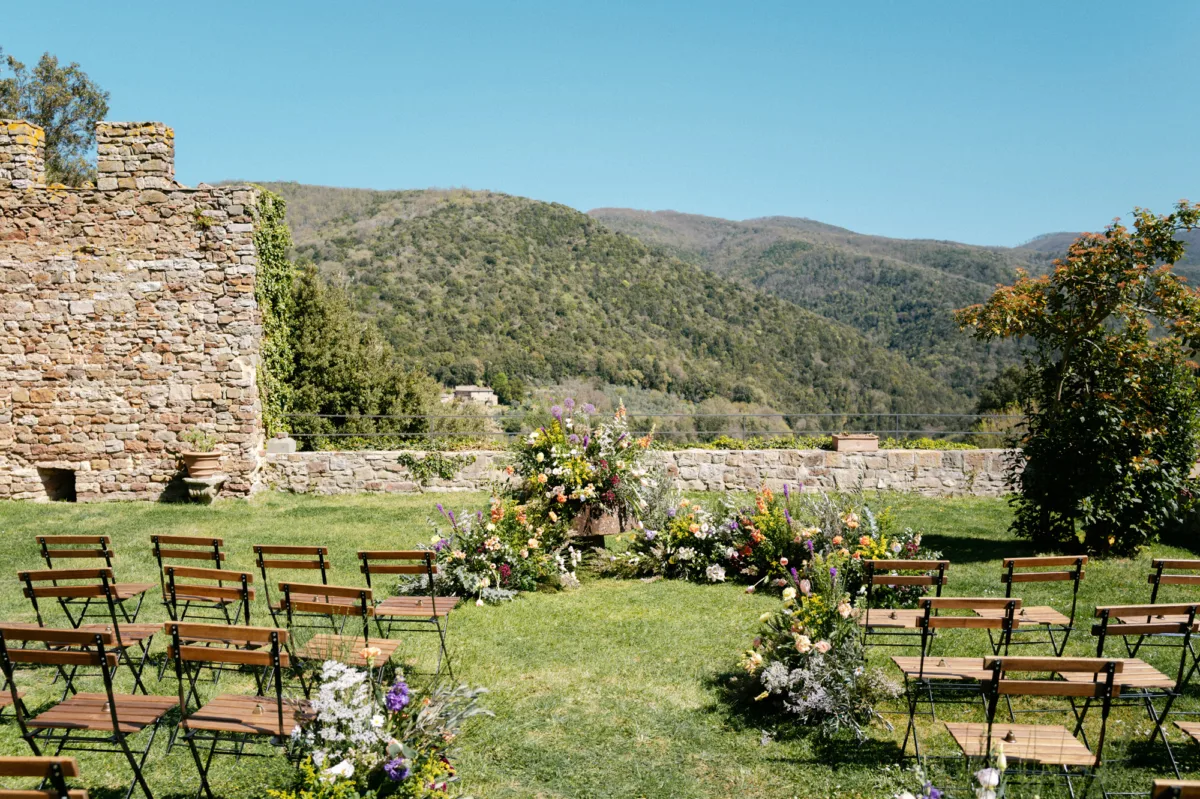
The choice of venue dictated much of the event’s atmospheric direction. The couple reportedly sought a location where the architecture and landscape could minimize the need for external decor, relying instead on the "rustic beauty" of the old stone and the surrounding Chianti hills. This approach aligns with a broader shift in the destination wedding market, where couples prioritize historical immersion over traditional ballroom settings. According to industry data from 2024 and 2025, Italy remains the top destination for European "castle weddings," with Tuscany accounting for approximately 45% of such bookings due to its high density of preserved medieval structures.
Chronology of the Relationship and Planning Phase
The union of Maggie and Freddie began at a university surf club in the north of Scotland, where the couple first met. Following a three-year courtship, Freddie proposed at their shared residence in Edinburgh. The engagement lasted approximately 18 months, a period utilized for the complex logistical planning required for a cross-border event involving guests from multiple continents.
Given that both families reside internationally, the couple structured the wedding as a multi-day experience to justify the travel requirements for their guests. This included a rehearsal dinner themed after William Shakespeare’s Romeo and Juliet, which served as a narrative precursor to the medieval-inspired ceremony. The planning process was managed in coordination with local Tuscan suppliers, a strategy designed to harmonize the couple’s Scottish roots with the Italian setting.
Analysis of Attire and Sustainable Fashion Choices
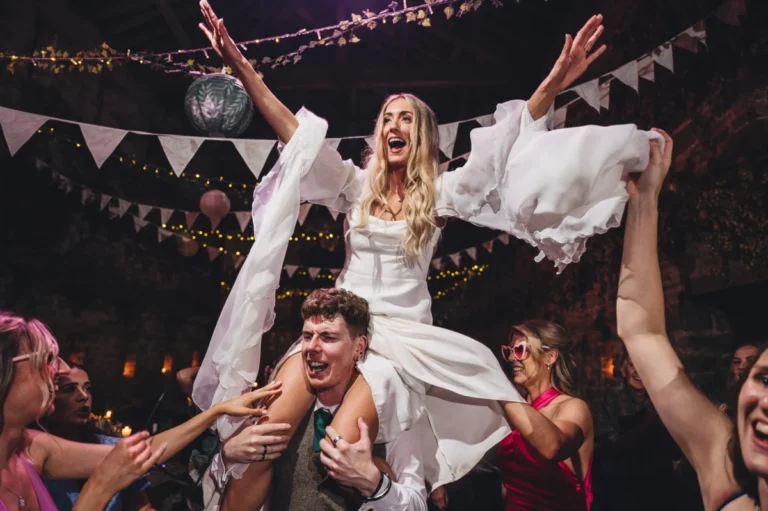
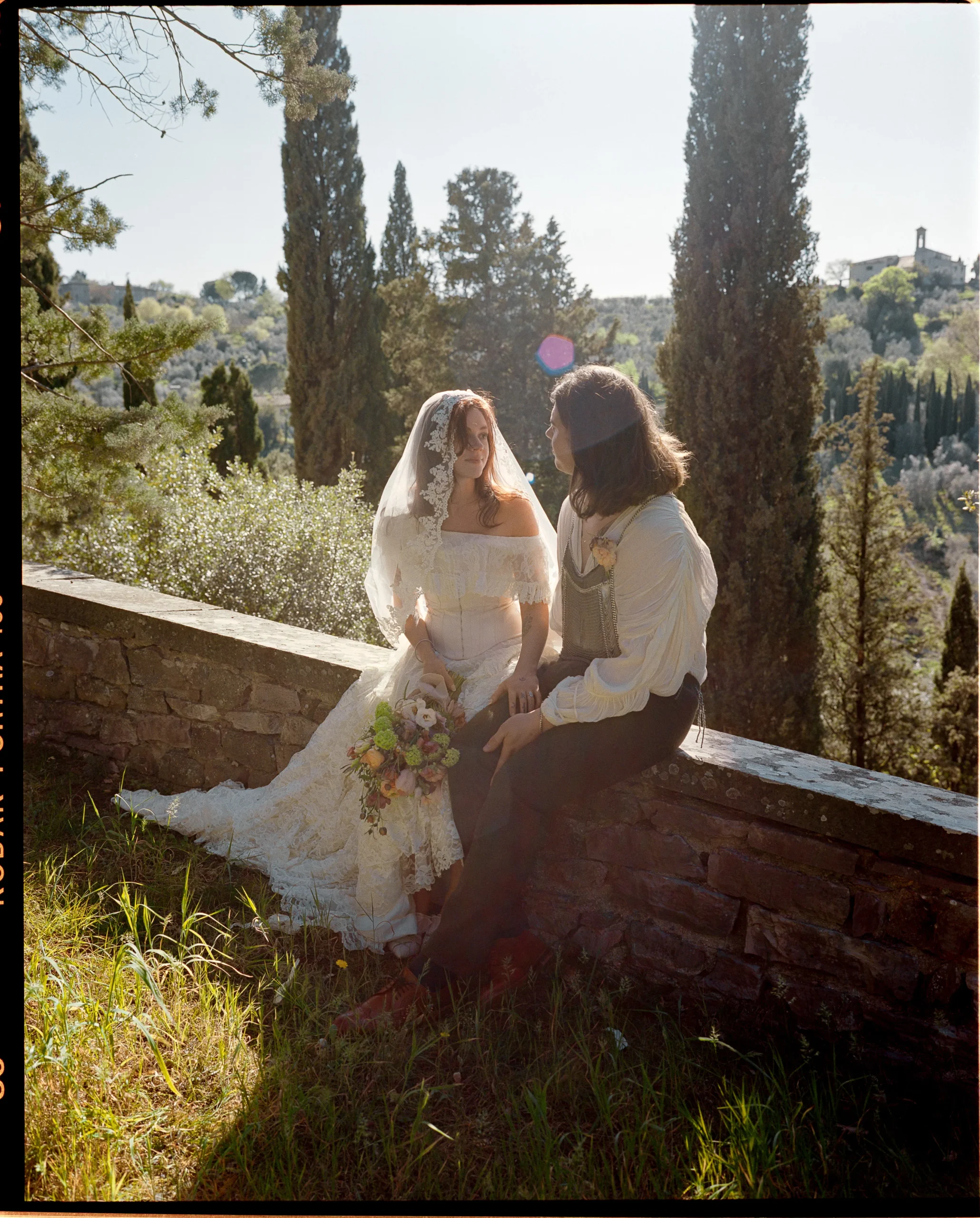
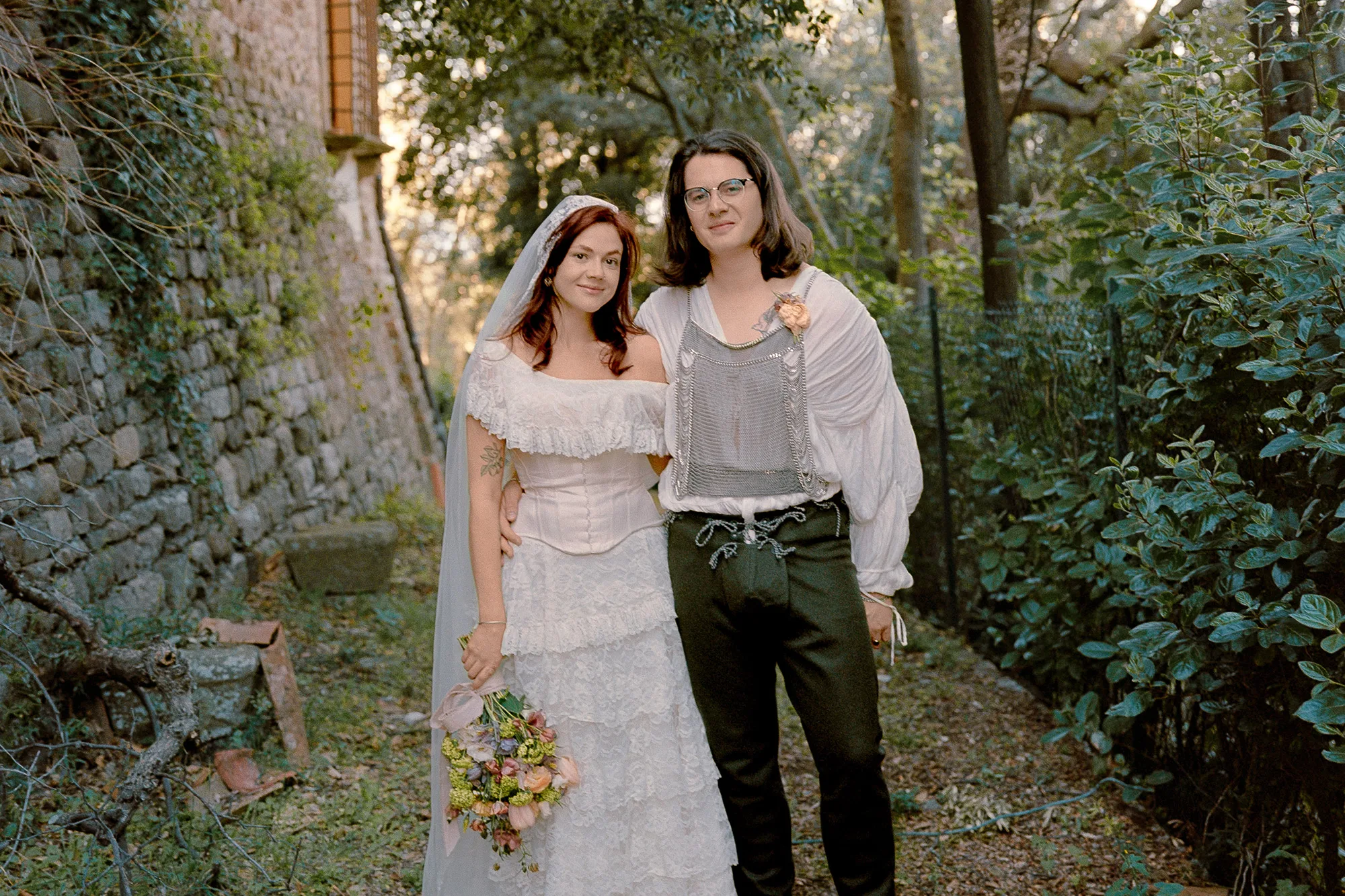
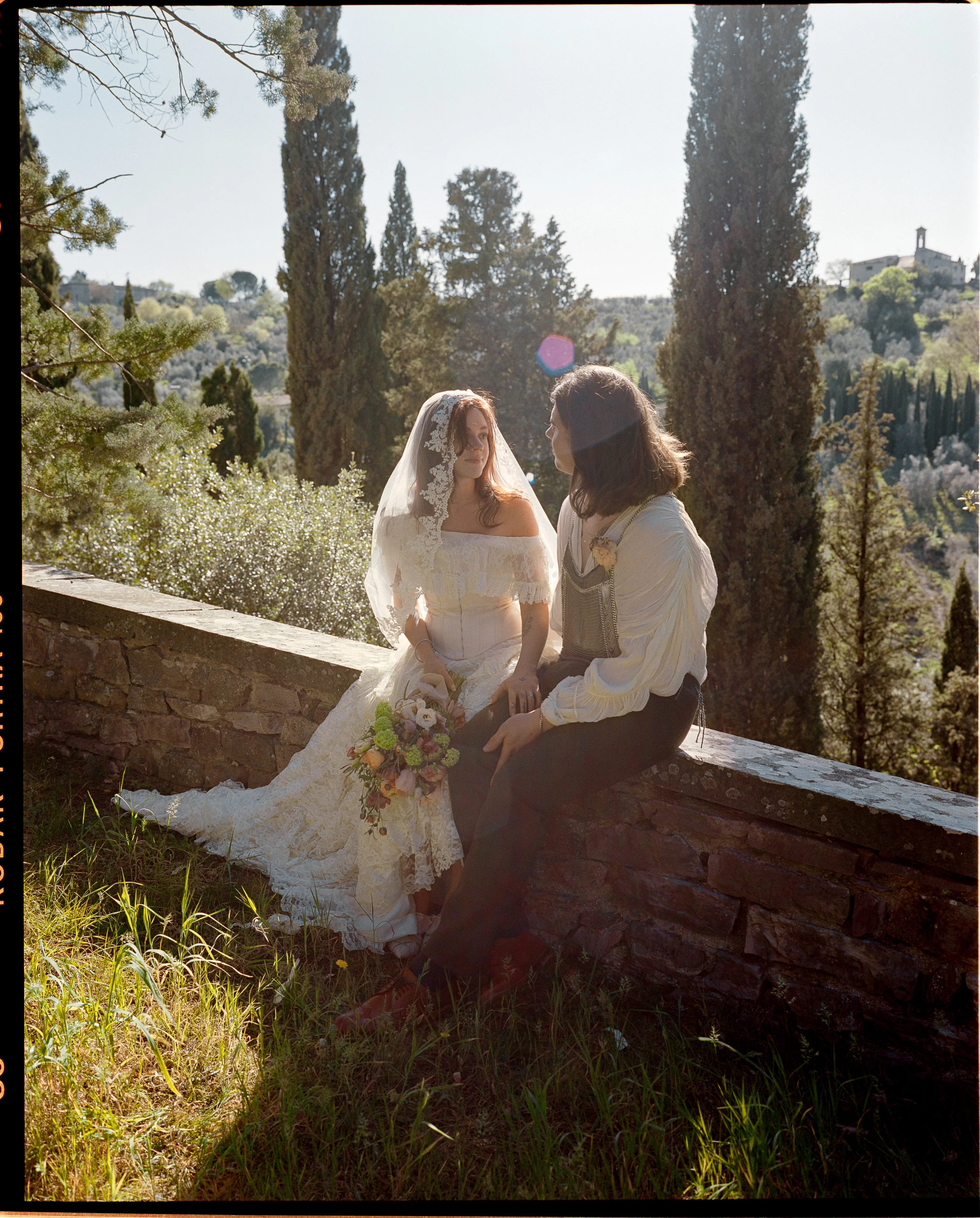
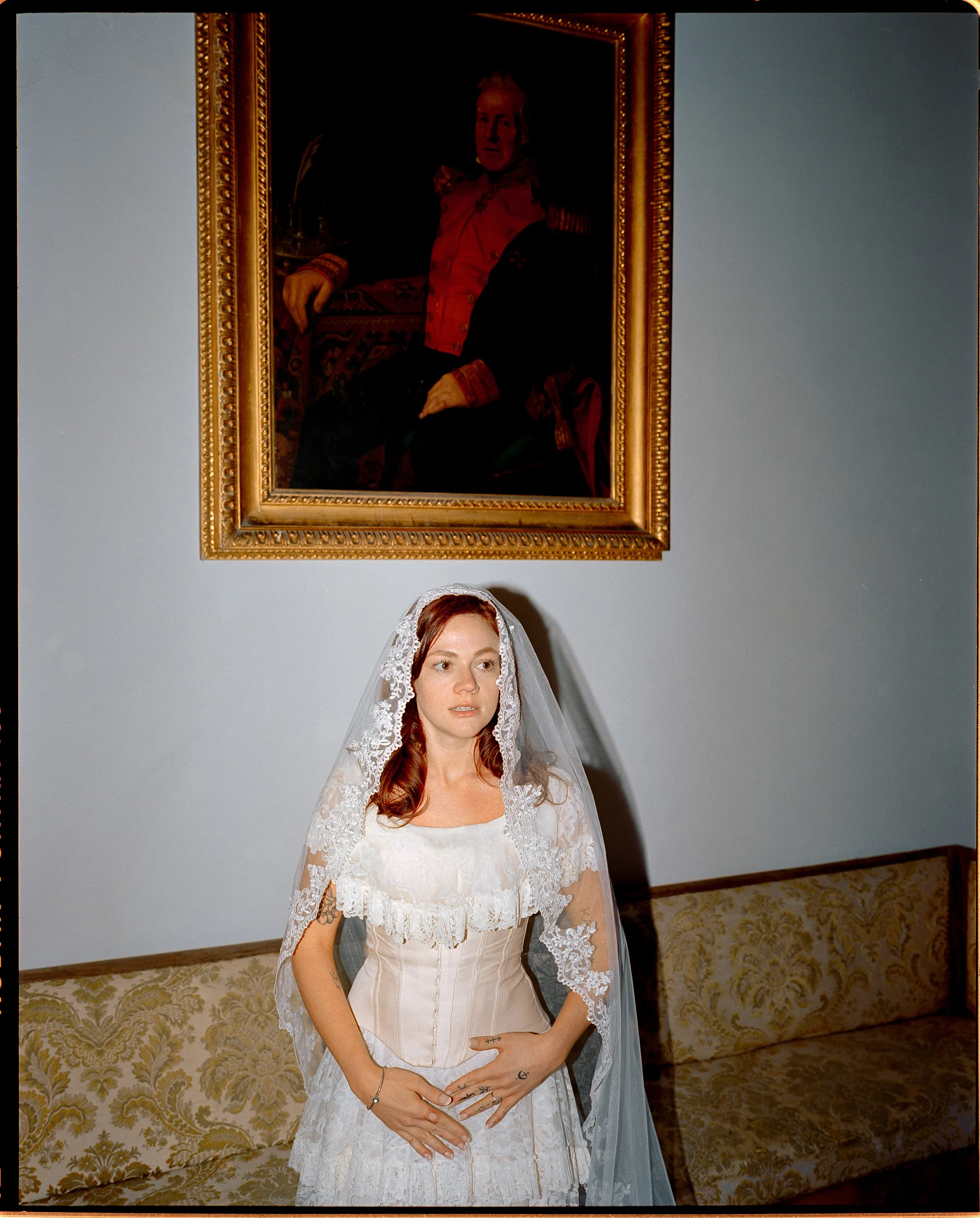
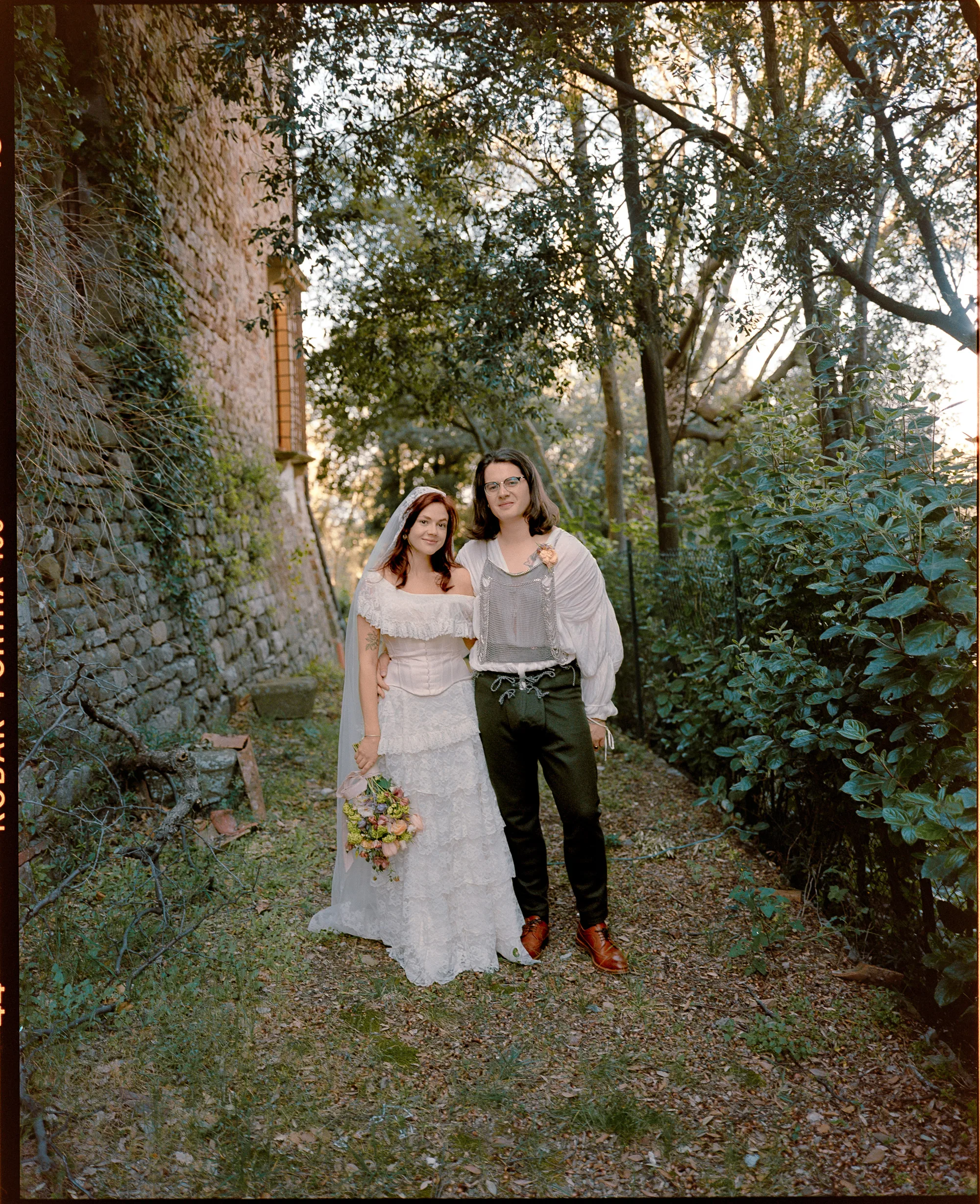
One of the most distinctive aspects of the event was the departure from contemporary bridal and groomswear in favor of vintage and custom-crafted historical pieces. Maggie’s choice to wear two distinct vintage gowns highlights an increasing interest in sustainable wedding fashion.
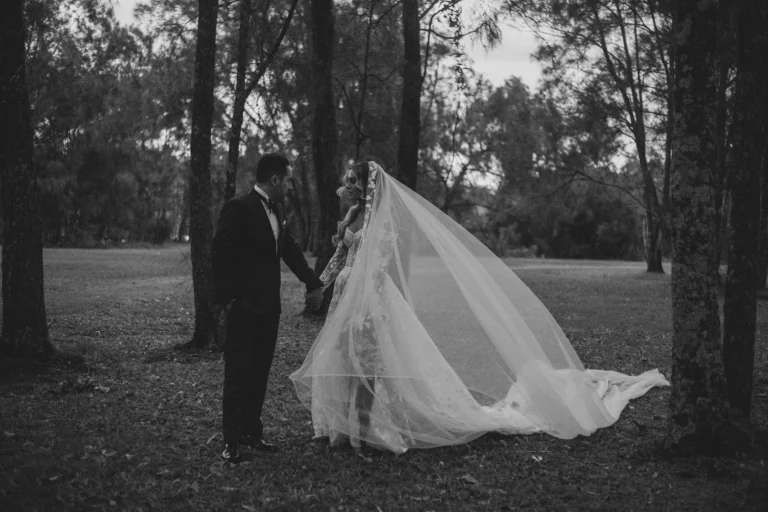
- The Ceremony Gown: A handmade 1940s A-line dress, characterized by the era’s specific tailoring and fabric constraints. This was paired with a mantilla-style veil, a piece of family heritage that introduced a multi-generational element to the attire.
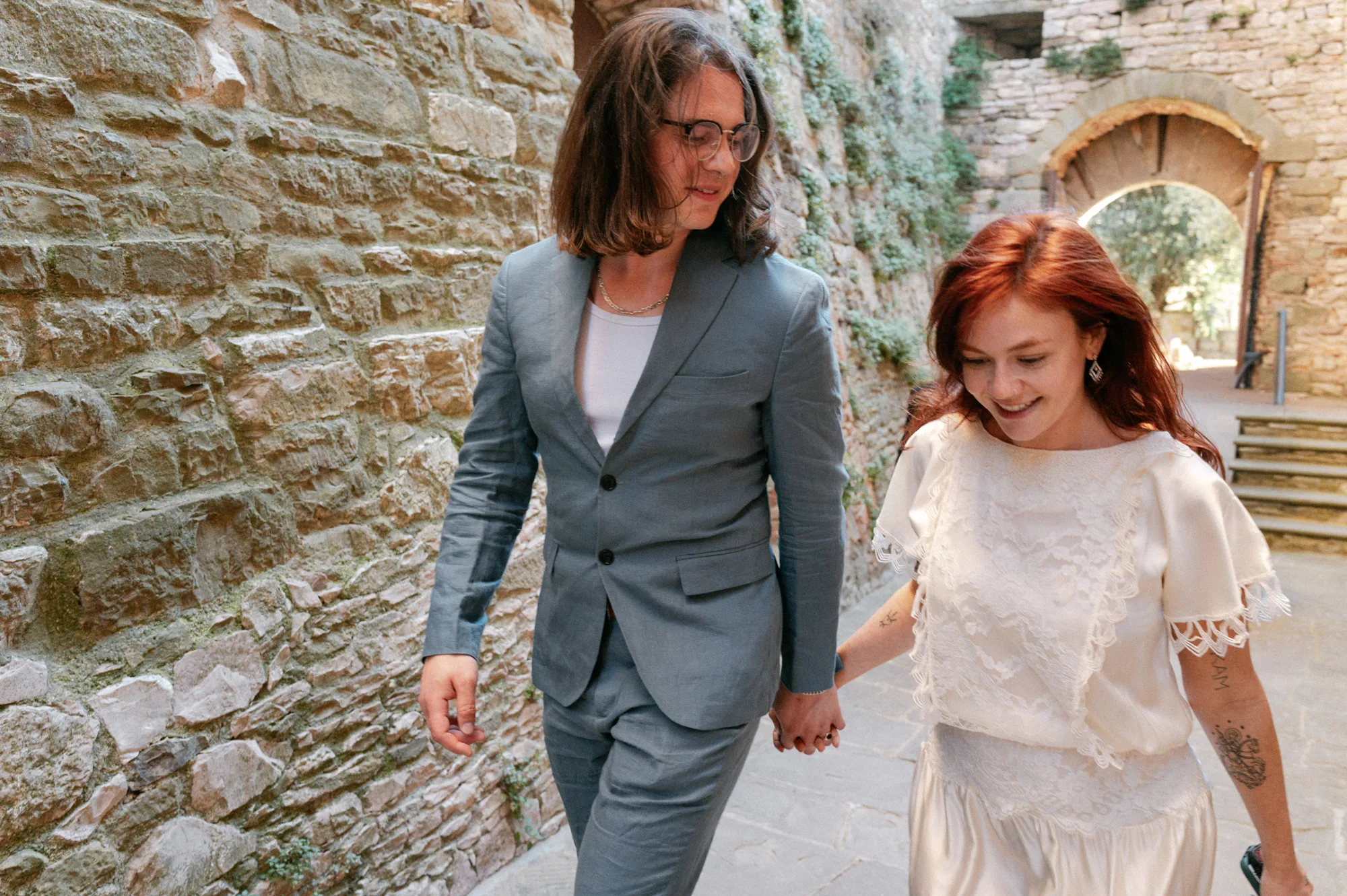
- The Reception Gown: A silk piece by Jessica McClintock, a designer known for Victorian and Edwardian-influenced aesthetics.
The procurement of vintage garments serves as a case study in the "circular fashion" movement within the wedding industry. By opting for pre-owned high-quality silk and lace, the couple avoided the environmental footprint associated with new garment production.
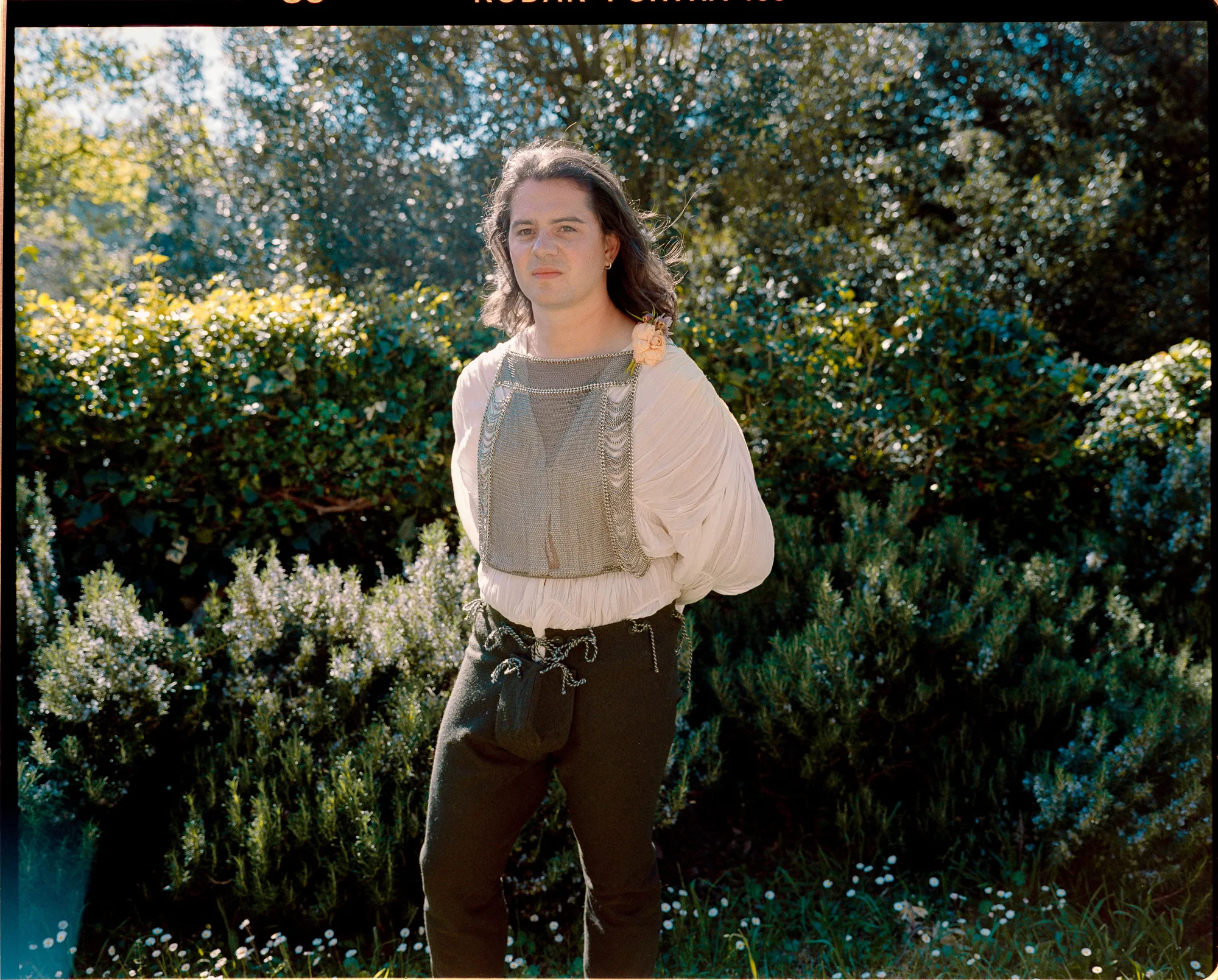
Freddie’s attire represented a more specialized approach to thematic costuming. The ensemble featured a custom chainmail chestpiece fabricated by Falconiere, a studio specializing in metal mesh and avant-garde accessories. This was complemented by custom wool trousers produced by SteelMasteryCom, a firm known for manufacturing historically accurate Renaissance Faire costumes. The integration of functional armor into a formal wedding setting reflects a niche but growing demand for "fantasy-historical" elements in modern ceremonies, moving away from the standard tuxedo toward garments that reflect specific personal interests or cultural histories.
The Nuptial Ceremony and Cultural Integration
The ceremony, held within the castle’s ancient walls, was designed as a hybrid of personal preferences and ancestral traditions. The couple broke with tradition by walking down the aisle together, accompanied by an instrumental arrangement of "Our House" by Crosby, Stills, Nash, and Young.
The proceedings were officiated by a close friend and bridesmaid, Lucy, who also facilitated a Celtic hand-fasting ceremony. This ritual, involving the symbolic binding of the couple’s hands with cord or ribbon, served as a direct tribute to their home in Scotland. The inclusion of hand-fasting within a 10th-century Italian castle illustrates the modern "fusion wedding" trend, where couples transplant their regional cultural identities into foreign environments. The couple also exchanged self-written vows and rings sourced from Goodwins, an antique jewelry merchant in Edinburgh’s New Town. Maggie’s ring featured an Art Deco design in white gold, while Freddie’s was a gold signet ring embedded with a bloodstone, further reinforcing the antique and historical theme of the day.
Event Logistics and Local Economic Impact
The execution of the wedding relied heavily on a network of local Italian vendors, showcasing the symbiotic relationship between international tourism and local craftsmanship in Tuscany.
- Photography: Stefano Santucci captured the event using a combination of digital sensors and 35mm film. The use of analog film has seen a resurgence in high-end wedding photography, valued for its grain structure and "timeless" aesthetic that complements historical venues.
- Floral Design: Fiori di Testa provided arrangements described as "wildflower-esque," utilizing local greenery and seasonal blooms to maintain a rustic, airy feel that did not compete with the castle’s architecture.
- Catering and Gastronomy: Cavalieri Ricevimenti managed the culinary aspects, culminating in a traditional Tuscan millefoglie. In a display of "culinary theater," the cake was assembled live in front of the guests, featuring fresh fruit and chocolate.
- Infrastructure: Technical requirements, including audio and lighting, were managed by Central House, while guest transport within Greve in Chianti was handled by Stedop.
The economic impact of such events on the local community is substantial. Destination weddings in Italy are estimated to generate over €600 million annually, with a significant portion of that revenue flowing to small-to-medium enterprises (SMEs) in rural regions like Chianti. By utilizing local caterers, florists, and transport companies, Maggie and Freddie’s wedding contributed to the local "wedding economy," which supports seasonal employment and the maintenance of historical landmarks.
Broader Implications and Industry Trends
The Maggie-Freddie wedding at Castello di Mugnana is indicative of several broader shifts in the global event industry:
- The Rise of the "Micro-Experience" within Large Weddings: While the guest list was international, the focus on hand-written menus and personalized notes for each guest suggests a move toward "hyper-personalization."
- Historical Romanticism: There is a documented increase in couples seeking "escapism" through their wedding themes. In an era of digital saturation, the tactile nature of chainmail, old stone, and 35mm film offers a perceived return to authenticity.
- Sustainability through Vintage: As environmental concerns become more central to consumer behavior, the "vintage bride" is no longer a niche category but a mainstream alternative to the fast-fashion bridal market.
Conclusion and Official Reflections
Reflecting on the planning process, the couple emphasized the importance of emotional presence over logistical perfection. Maggie noted that despite the complexity of the medieval theme and the international coordination, the primary value of the event lay in the "human connection" and the opportunity to see disparate groups of friends and family interact in a shared historical space.
The event concluded with a banquet-style dinner in the castle courtyard, a setting that allowed the architectural history of Castello di Mugnana to serve as the final backdrop for the celebration. The successful integration of Scottish tradition, 1940s fashion, and medieval Italian history marks this wedding as a notable example of modern matrimonial planning, where the past is not merely remembered but actively inhabited. For the luxury wedding industry, such events reinforce the enduring appeal of Italy as a premier destination that can accommodate highly specific, thematic, and culturally diverse celebrations.