






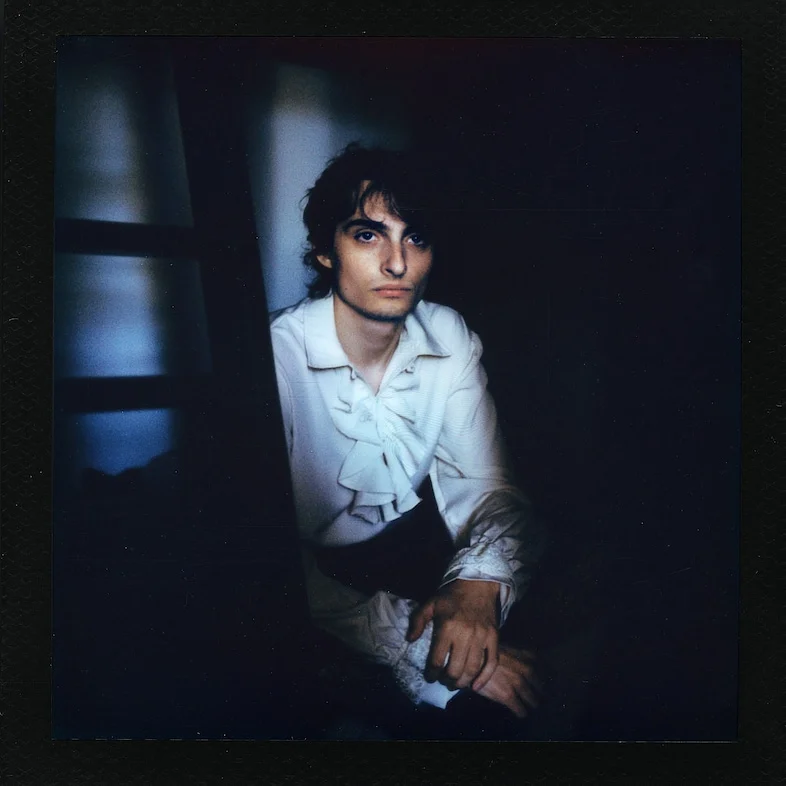
Finn Wolfhard, widely recognized for his breakthrough role as Mike Wheeler in Netflix’s global phenomenon Stranger Things, is charting a compelling new course, firmly establishing his artistic independence with the release of his sophomore solo album, Fire From The Hip, on July 10. This new musical endeavor marks a significant evolution for the 23-year-old artist, moving beyond the shadow of his acting career to forge a distinct identity in the indie music landscape. The album, recorded at the legendary Pachyderm Studios in Minnesota, offers a deeper exploration of his introspective lyrical themes and expands on the raw, bluesy sound he first introduced with his debut solo effort, Happy Birthday (2025).
The Genesis of a Multifaceted Artist: Beyond the Upside Down
Wolfhard’s journey into the public consciousness was anything but conventional. Catapulted to international fame at the tender age of 13 when Stranger Things premiered in 2016, his formative years were inextricably linked to the demanding schedule of a high-profile television production. Dividing his time between high school in his native Vancouver and extensive months filming in the United States, his adolescence was a unique blend of ordinary teenage experiences and the extraordinary pressures of global stardom. Stranger Things quickly became one of Netflix’s flagship series, amassing billions of viewing hours and transforming its young cast into household names. This intense early exposure, while opening unparalleled opportunities, also presented profound personal challenges.
"When you spend your entire childhood on the move, performing, and having a lot of pressure, you stop wanting to impress anyone," Wolfhard recently shared during an interview in a timber-decked Victorian pub in central London, where he was on an extended visit. This sentiment underscores a core aspect of his artistic drive: a desire for authentic self-expression rather than external validation. The rigorous demands of a childhood spent in the glare of the public eye left little room for contemplation about his long-term aspirations beyond the fantastical world of the Upside Down. However, music, an enduring obsession he cultivated from an early age, has emerged as the primary conduit for his post-franchise artistic vision.
A Musical Chronology: From Garage Bands to Solo Endeavors
Wolfhard’s foray into music predates his solo career, demonstrating a consistent passion that runs parallel to his acting successes. His journey began in earnest with teenage bands like Calpurnia and The Aubreys. Calpurnia, formed in 2017, quickly gained traction, releasing their debut EP Scout in 2018. The band’s indie-rock sound and Wolfhard’s existing fame garnered significant attention, leading to sold-out shows and appearances at major music festivals. This early experience provided invaluable exposure to the dynamics of songwriting, recording, and touring. Following Calpurnia’s amicable disbandment in 2019, Wolfhard co-founded The Aubreys, an alternative rock duo that continued to refine his musical sensibilities. The Aubreys released singles and an EP, further cementing his reputation as a serious musician committed to his craft. These formative years in bands were crucial, allowing him to hone his skills as a songwriter and performer in a collaborative environment before embarking on a solo path.
The conclusion, or impending conclusion, of Stranger Things has served as a catalyst for Wolfhard to fully embrace his musical ambitions. With the monumental series wrapping up its final season, the timing aligns perfectly for him to transition his creative energies. His debut solo record, Happy Birthday, released in 2025, served as a poignant introduction to his individual artistic voice. Recorded primarily on a four-track tape cassette, its compact, lo-fi aesthetic perfectly complemented its introspective lyrical content. The album delved into themes of identity, the complexities of burgeoning adulthood, and the lingering questions surrounding his rapid ascent to fame. "Some of these songs are straight-up stories, but others are more introspective, asking a lot of questions about adult life, and trying to process whatever feelings I’ve been having," Wolfhard elaborated, revealing the deeply personal nature of his early solo work. He openly acknowledged a persistent internal struggle with "self-confidence and self-worth," a direct consequence of his early fame, often asking himself, "Why me? Why did I get these opportunities as opposed to so-and-so?"
‘Fire From The Hip’: An Evolution in Sound and Substance
Fire From The Hip is described by Wolfhard as "a continuation" both thematically and sonically, building upon the foundations laid by Happy Birthday while pushing his artistry into new territories. For this follow-up, he chose to record at Pachyderm Studios in Cannon Falls, Minnesota, a legendary facility with a rich history that has hosted an eclectic roster of iconic artists including Nirvana (who recorded In Utero there), PJ Harvey, and Beach House. This choice of studio is highly significant, reflecting a deliberate effort to expand his sound beyond the lo-fi confines of his debut.
The decision to utilize a Studer 24-track reel-to-reel recorder at Pachyderm underscores Wolfhard’s commitment to achieving a particular sonic aesthetic. Unlike digital recording, analog tape offers a warmth, depth, and organic quality that many artists find appealing, imbuing recordings with a distinct character and often a subtle imperfection that contributes to its authenticity. This approach allowed him to retain the raw, bluesy style and the signature tongue-in-cheek lyrical delivery that defined his earlier releases, while simultaneously achieving a more "high fidelity" sound. "I still wanted to have a kind of home record feeling to it, but I also wanted it to sound more high fidelity," he explained, articulating the balance he sought to strike between intimate charm and expanded production value.
The two-week recording stint at Pachyderm was an immersive experience, despite the challenging environmental conditions. Wolfhard recounted battling "literally arctic temperatures" so severe that his hair would freeze on his way to the studio. Yet, he looks back on the period with fondness, highlighting the camaraderie and creative synergy that developed among the musicians. "We’d record all day until dinner time, then eat, listen to music, play guitar… we became a little family," he shared, painting a picture of an intensive yet nurturing creative environment. The studio itself, with its deep history and timeless atmosphere, played a crucial role. "It’s a live-in studio with a lot of history, and there’s just something about it. It felt like somewhere that’s stuck in the 60s, in the best way. You can feel all of this energy coming from it," he added, emphasizing the palpable sense of musical heritage that permeated the recording process.
A Tapestry of Influences: British Guitar Music and Lyrical Nuance
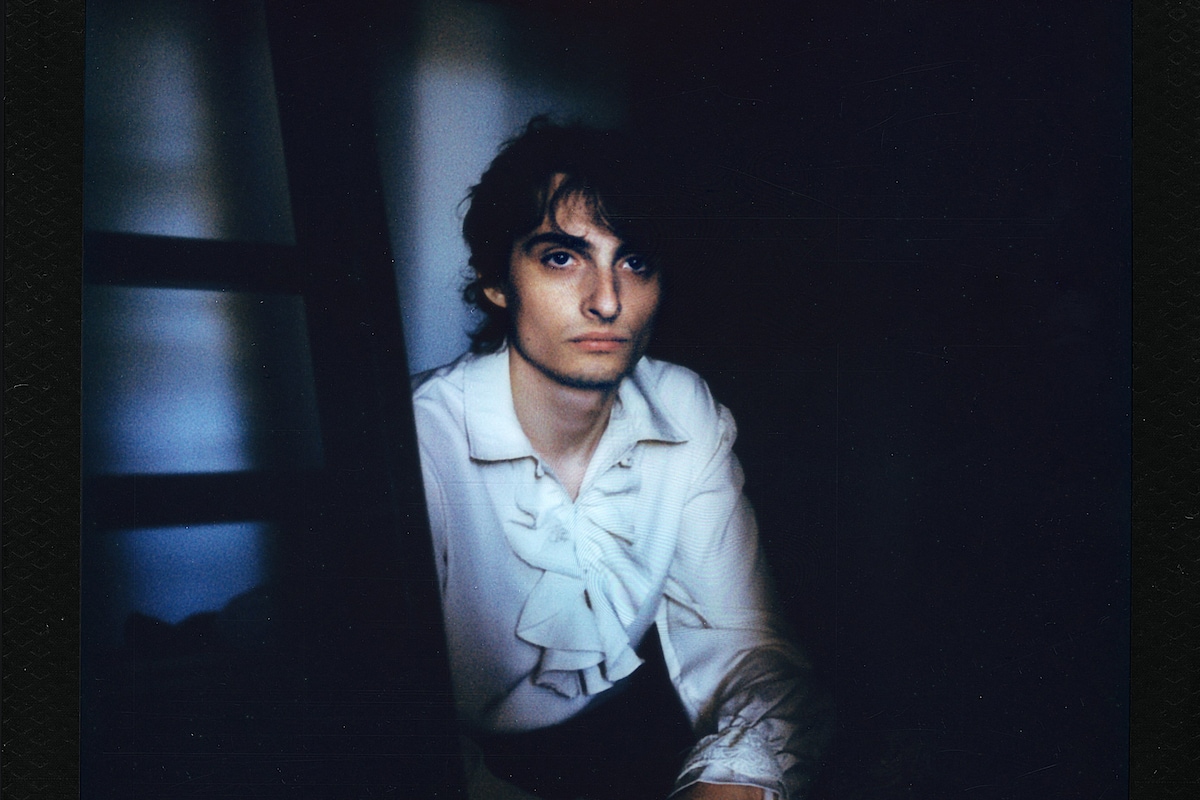
Wolfhard’s musical DNA is deeply rooted in British guitar music, a passion inherited from his Canadian parents who famously bonded over their shared love for The Stone Roses. This influence is palpable throughout Fire From The Hip, manifesting in a sound that hums with the vibrancy of classic and contemporary UK rock. Lead single "I’ll Let You Finish" showcases a distinct Beatles-esque quality, characterized by jangly guitars, crisp, flat snares, and harmonious "ooh-aah" backing vocals that evoke the melodic genius of the Fab Four. The album further demonstrates his eclectic taste, with the outro of "Nice To Meet You Again" transitioning from an American folksy charm into a delicate half-time jam, imbued with the warm, piano-driven sensibilities reminiscent of Arctic Monkeys’ critically acclaimed album The Car. These diverse influences are not merely replicated but ingeniously woven into a distinctive sound that is both reverent to its inspirations and fresh in its execution.
Beyond the sonic landscape, Wolfhard’s lyricism on Fire From The Hip stands out for its subtle comic realism and refusal to descend into self-aggrandizement. He masterfully employs wordplay and self-mockery, injecting levity into introspective narratives. This approach is evident in tracks like "Common Side Effects," where he uses hallucinogen-themed slang: "I took boomers / Just to feel like George Clooney / After dinner, I walk home / The exact same pain again." Here, "boomer" refers to magic mushrooms, a common slang term in the American Midwest, adding a layer of localized cultural reference to his witty observations. Another striking example is the country-inflected track "Maggie," which features a darkly comic reference to a significant historical event: "I tried to touch you / You think I love you / You read to kids just like George W." This line, juxtaposing a personal narrative with a subtle nod to George W. Bush’s public appearance during the 9/11 attacks, exemplifies his ability to infuse his lyrics with irreverent pop culture commentary.
Wolfhard champions this blend of humor and earnestness in music. "Sometimes my favourite lyrics are ones that have a sense of humour. Someone in the indie guitar scene [who does that well] is MJ Lenderman," he noted, citing an artist known for his candid, often humorous, and deeply personal storytelling. "He’s not taking things too seriously but also referencing pop culture in a really irreverent way. The Beatles had such a sense of humour, too. When there’s playfulness, that’s the best thing. And when it’s sad, and you’re not afraid to go there at the same time. You’ve gotta have both!" This philosophy informs his own songwriting, creating a rich tapestry of emotions that resonate with authenticity.
The Live Experience and Proving Musical Mettle
A pivotal concern for Wolfhard during the album’s creation was its translation to a live setting. "I wrote this record to play on tour; they go hand in hand," he articulated, underscoring the symbiotic relationship between his studio work and live performance. This forward-thinking approach is rooted in his extensive touring experience, which included a successful North American tour last autumn and a series of well-received global dates earlier that year. He fondly recalls a particular gig at Electric Brixton in London as a highlight, indicating a strong connection with his international audience. The inherent "imperfect" style of the record, prioritizing "feeling rather than exact, perfect takes," is designed to flourish in the dynamic and raw environment of a live show, allowing for genuine connection with his audience.
For an artist primarily known for his acting, the transition to music often comes with an added layer of scrutiny and the need to establish credibility. Wolfhard openly acknowledges this challenge and embraces it as a healthy impetus for growth. "I’ve got to show people that music isn’t just another thing that I’m trying to do to be cool," he stated, articulating the pressure and determination that fuels his musical pursuits. "I have to prove myself in a way that I feel is really healthy. I’m really excited." This sentiment resonates deeply within the entertainment industry, where actor-musician crossovers are frequently met with skepticism. Artists like Jared Leto (Thirty Seconds to Mars), Macaulay Culkin (The Pizza Underground), and Joaquin Phoenix (whose musical transformation for Walk the Line was acclaimed) have navigated this terrain with varying degrees of success. Wolfhard’s proactive stance in demonstrating his commitment and passion distinguishes him, positioning Fire From The Hip as a definitive statement of his artistic intent.
Broader Implications and Future Trajectory
Finn Wolfhard’s evolution from a child actor in a global phenomenon to a serious musician with a distinctive voice carries broader implications for artists navigating post-franchise careers. Stranger Things provided an unparalleled platform, but the challenge for its stars now lies in forging identities independent of their iconic roles. Wolfhard’s dedication to music, evident in his continuous band work and now two solo albums, showcases a strategic and authentic approach to this transition. By focusing on songwriting, live performance, and a clear artistic vision, he is actively shaping his narrative as a multi-talented creator rather than merely an actor dabbling in another art form.
Fire From The Hip is more than just an album; it is a declaration of artistic maturity and independence. With its expanded sound, introspective yet witty lyrics, and a palpable commitment to the live experience, the record positions Finn Wolfhard as a compelling figure in the contemporary indie music scene. As he continues to balance his burgeoning music career with ongoing acting commitments, the success of this album will be a crucial indicator of his ability to cultivate a lasting legacy as a musician. The journey from the fictional town of Hawkins to the vibrant, authentic harmonies of his own creation is a testament to an artist finding his true voice, and the world is now listening.
Finn Wolfhard’s new album Fire From The Hip is out now.