










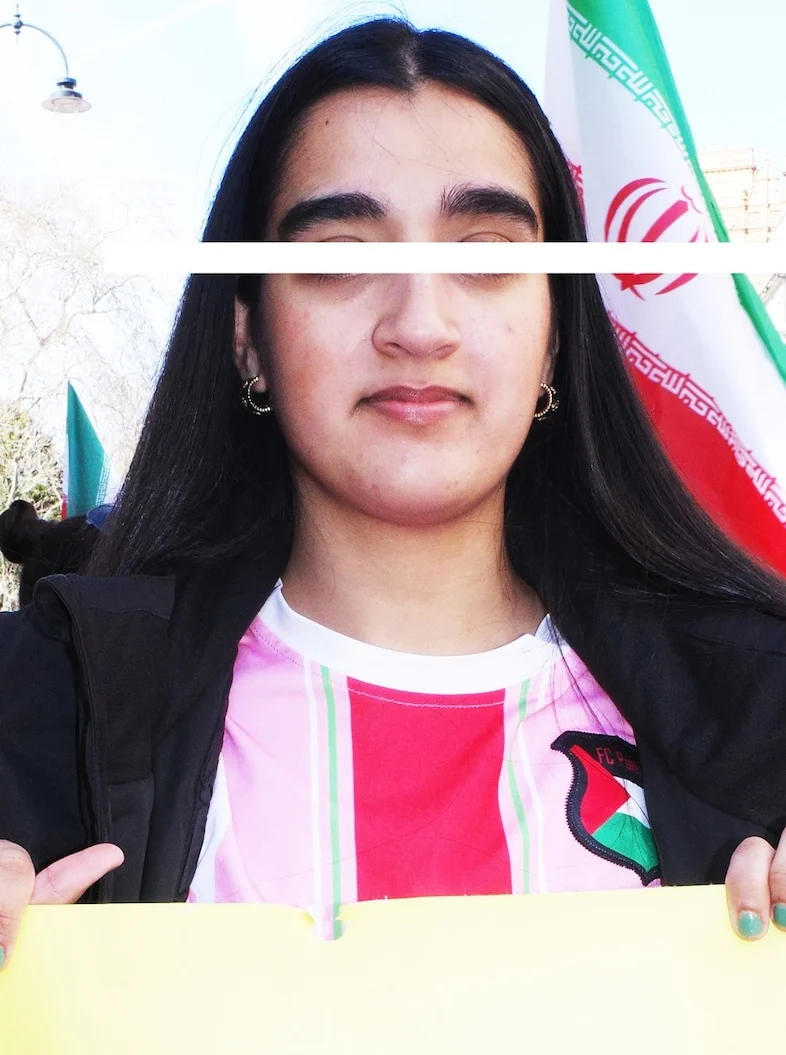
In a poignant echo of historical moments, acclaimed Northern Irish photographer Gareth McConnell has once again turned his lens to the streets of London, capturing the resolute faces of dissent at a March 21, 2026 anti-war protest. Twenty-three years after his iconic documentation of the record-breaking demonstration against the Iraq War, McConnell found himself amidst a different, though equally impassioned, crowd, this time protesting the US-Israeli assault on Iran. His exclusive project for Dazed magazine offers a compelling visual narrative of a nation grappling with its role in ongoing international conflicts and the persistent demand for peace from its citizens.
A Legacy of Dissent: The 2003 Iraq War Protest
The year 2003 marked a watershed moment in British political activism. On February 15, an unprecedented 1.5 million people converged in central London, transforming the capital into a sea of placards and defiant voices. This historic demonstration, organized by a powerful coalition including the Stop the War Coalition, the Campaign for Nuclear Disarmament (CND), and the Muslim Association of Britain, alongside numerous other social justice and peace groups, remains the largest political protest in British history. Its objective was clear: to prevent the United Kingdom’s participation in the impending invasion of Iraq. The sheer scale of the turnout reflected a profound public unease and moral opposition to the government’s alignment with the US administration’s war agenda.
Amidst this colossal gathering, a then 30-year-old Gareth McConnell navigated the crowds, his camera meticulously framing the raw emotion etched on the faces of young protesters. His portraits from that day are a powerful testament to the fervent rage and determined hope of a generation unwilling to accept their government’s march towards war. These images captured not just individuals, but a collective spirit of resistance, embodying the democratic right to challenge state power. Despite this monumental display of public opinion, the Labour government, under Prime Minister Tony Blair, ultimately committed British forces to the invasion, underscoring the complex and often frustrating dynamic between public will and foreign policy decisions. The protest, while failing to avert war, cemented its place in history as a potent symbol of British anti-war sentiment and the power of mass mobilization.
The 2026 Protest: A New Conflict, Familiar Resolve
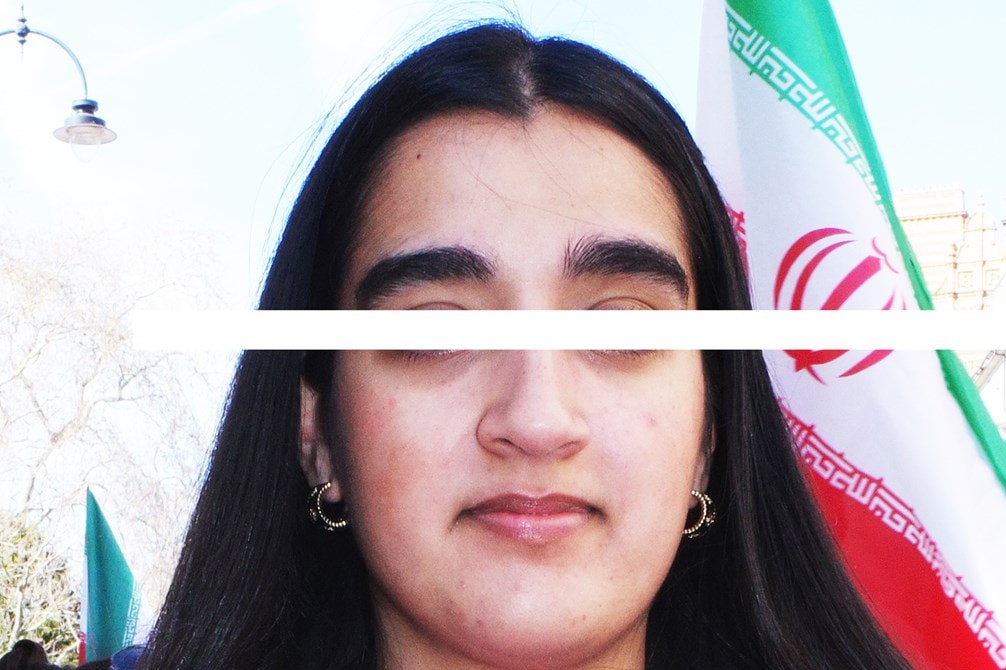
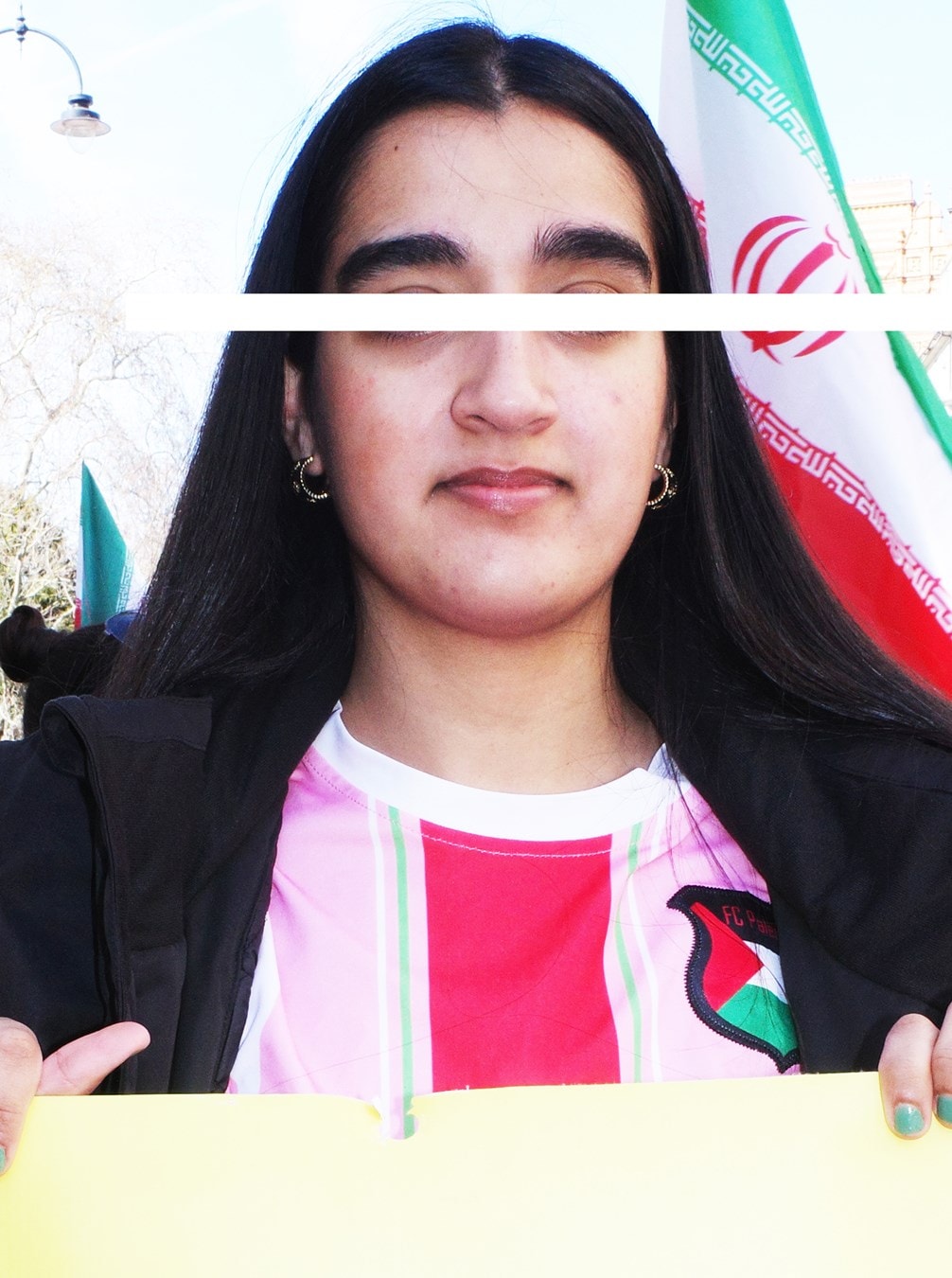
Fast forward to March 21, 2026, and London’s streets once again became a focal point for anti-war activism. McConnell, with his characteristic empathy and keen eye, was there to document a protest against what the article describes as the "US-Israeli illegal war against Iran." The visual language of dissent remained remarkably consistent with previous decades: protesters adorned with "Stop the War" badges, waving Palestinian flags, and wrapped in keffiyehs, symbols that have become synonymous with solidarity and resistance against perceived Western intervention in the Middle East. The "righteous anger" that characterized the 2003 youth was still palpable, demonstrating an enduring moral indignation across generations.
However, McConnell observed distinct differences in the 2026 demonstration compared to its 2003 predecessor. "Scale and demographic," he noted, were the primary distinctions. The 2026 protest was "much smaller" and comprised "an older crowd," suggesting a shift in the primary demographics actively participating in large-scale street demonstrations. While the energy was "good," reflecting continued conviction, there was an undeniable undercurrent of caution. McConnell described a "slightly more suspicious attitude towards my presence as a photographer," attributing this to increased public awareness of surveillance, the potential consequences of protest, the presence of agent provocateurs, and general "ill intent." This heightened vigilance speaks volumes about the evolving landscape of activism in an era of advanced digital monitoring and increased government scrutiny, where personal data and public expressions of dissent carry greater potential ramifications.
The Geopolitical Quagmire: The US-Israeli Assault on Iran
The context for the 2026 protest is a critical element in understanding its significance. While specific details of the "US-Israeli illegal war against Iran" are not fully elaborated in the article, one can infer a scenario born from escalating tensions in the Middle East. Over decades, the international community has grappled with Iran’s nuclear program, its regional influence, and its complex relationship with both the United States and Israel. By 2026, it is plausible that long-simmering disputes over nuclear enrichment, ballistic missile development, proxy conflicts in neighboring states, or maritime security in vital shipping lanes like the Strait of Hormuz could have reached a flashpoint, triggering direct military confrontation.
The description of the conflict as "illegal" implies a lack of international consensus, potentially without a United Nations Security Council resolution authorizing military action. Such a designation would naturally galvanize anti-war movements globally, echoing the widespread opposition to the Iraq War. The UK’s role in this inferred conflict is highlighted by its agreement to allow the US to use its military bases for "defensive" purposes. This arrangement, likely involving strategic facilities such as RAF Fairford or RAF Lakenheath, transforms British soil into a logistical hub or staging ground for operations, making the UK a de facto participant. For anti-war activists, this constitutes complicity in military actions they deem unjust, providing a direct domestic target for their protests and amplifying calls for the government to withdraw its support for such interventions. This strategic alliance places the UK at the heart of the geopolitical tensions, making London a crucial stage for expressions of international solidarity and national dissent.
Generational Responsibility and the Moral Imperative of Hope
McConnell’s reflections extend beyond mere observation; they delve into the moral dimensions of conflict and the role of different generations in resisting it. He posits that young people are often burdened with the "impossible job of saving the world," yet frequently denied the necessary tools or support. While acknowledging the lower youth turnout at the 2026 protest, he emphasizes the profound responsibility of older generations to actively oppose what he starkly terms a "war on children."
The photographer articulates a powerful critique of how children’s lives are "systematically devalued by personal, political, military and economic power." He highlights their inherent vulnerability, their limited capacity to resist, to be heard, or to hold power accountable, which tragically renders them targets in conflicts instigated by adults. For McConnell, this reality places a moral obligation on adults, particularly parents, to engage in activism. "As adults, and especially as parents, you’re not just thinking about your own future, but about the kind of world being shaped for the next generation," he states. This perspective imbues protest with a deeply personal and intergenerational significance, framing it as an act of stewardship for the future.
In the face of seemingly intractable conflicts and the normalization of violence, McConnell champions "hope as a kind of moral resistance." He views this hope as a vital "antidote to the numbness, cynicism and complicity that we are all vulnerable to." His commitment to being "on the side of hope" underscores the ethical imperative he attaches to his photographic work and to activism itself. For McConnell, documenting these protests is not merely an act of photojournalism but a contribution to a broader struggle for a more just and peaceful world, a world where the aspirations of "the youth" can genuinely flourish.
Evolving Dynamics of Dissent: A Comparative Analysis
The comparison between the 2003 and 2026 protests offers valuable insights into the evolving nature of public dissent. The sheer scale of the 2003 demonstration, involving 1.5 million people, was a direct response to a perceived imminent threat of a large-scale, potentially catastrophic war that the public felt could be averted. The immediacy and gravity of the decision to invade Iraq galvanized an unprecedented mass movement, drawing in a broad demographic, including a significant number of young people whose futures felt directly imperiled.
In contrast, the "much smaller" and "older crowd" observed in 2026 could be attributed to several factors. Public fatigue with protracted conflicts, a sense of powerlessness against deeply entrenched geopolitical forces, or a shift in how younger generations engage with activism might contribute to this demographic change. While street protests remain a vital form of expression, digital activism, online advocacy, and other forms of social engagement may now draw energy that once exclusively fueled physical demonstrations. The heightened awareness of surveillance noted by McConnell is another critical factor. In an age where digital footprints are easily traceable and public dissent can have significant personal and professional consequences, the calculus of participation has fundamentally changed. This increased risk perception could deter some from joining overt public gatherings, particularly younger individuals navigating precarious career paths or immigration statuses.
Despite these differences, the core message of refusing to accept the "state’s normalisation of death and violence" remains constant. Both protests, regardless of their immediate impact on government policy, serve as powerful statements of moral opposition. The 2003 protest did not prevent the UK from entering the Iraq War, and the 2026 protest has not halted the UK’s complicity in the Iran conflict. Yet, their significance lies in their ability to keep critical issues in the public consciousness, to challenge official narratives, and to foster a collective identity of resistance. They demonstrate that even when direct policy change seems elusive, the act of protest itself is a powerful affirmation of democratic values and human solidarity.
Implications and the Future of Anti-War Activism
Gareth McConnell’s work in 2026 underscores the enduring, albeit evolving, nature of anti-war activism in the United Kingdom. His portraits are not merely records of events; they are profound explorations of human emotion, resilience, and the unyielding demand for peace. The sustained presence of organizations like the Stop the War Coalition, active for over two decades, highlights a deep-seated and continuous concern within British society regarding military interventions.
The implications of the UK’s involvement in the US-Israeli actions against Iran are multifaceted. Beyond the immediate military and diplomatic ramifications, there are significant domestic consequences, including the potential for increased radicalization, the erosion of public trust in government, and the perpetuation of a cycle of intervention and blowback. The protests, therefore, serve as a crucial barometer of public sentiment and a vital mechanism for democratic accountability, even when their direct influence on policy is limited.
Looking ahead, the challenge for anti-war movements will be to adapt to the changing landscape of activism. This includes effectively mobilizing diverse demographics, leveraging digital platforms while navigating surveillance concerns, and articulating compelling narratives that resonate with a public potentially fatigued by continuous geopolitical crises. The role of art and photography, as exemplified by McConnell’s work, becomes even more critical in this context. It provides a human face to abstract conflicts, preserves collective memory, and inspires future generations to continue the struggle for a more peaceful and just world. McConnell’s commitment to capturing these moments of resistance ensures that the spirit of dissent, and the hope it embodies, will not be forgotten.