











In an era saturated with digital archives, where personal histories are perpetually curated and replayed through algorithms, the phenomenon of watching oneself age has never been more immediate. Smartphones dutifully recall moments from summers past, streaming applications unearth the soundtracks of bygone years, and camera rolls meticulously document even the most mundane evenings. Every digital platform, in essence, functions as a personal historical repository, incessantly feeding our past back to us, often leaving society in a state of perpetual nostalgia. It is within this hyper-archived reality that the latest photographic endeavor from youth culture photographers Chus&Greg, titled Fast!, emerges as a poignant exploration of the familiar, yet often unspoken, ache of time’s relentless passage.
The Digital Mirror: A New Age of Self-Reflection
The contemporary human experience is increasingly mediated by technology, which has fundamentally altered our relationship with memory and self-perception. Social media platforms, photo storage services, and streaming sites are designed not just for communication and entertainment, but also as sophisticated memory machines. Features like "On This Day," "Your Year in Review," or algorithmic playlists are constant reminders of our own past selves, presenting a curated, often idealized, chronology of our lives. This constant digital mirroring can induce a unique form of temporal displacement, where the present is continually juxtaposed with a readily accessible past. While offering a sense of connection to one’s personal narrative, this digital archiving also accelerates the perception of time, making the ephemeral nature of youth and change strikingly apparent. The ease with which we can now access our younger selves amplifies the inherent human tendency towards nostalgia, transforming it from a spontaneous emotional flicker into a persistent, algorithmically-reinforced state. It is against this backdrop of pervasive digital memory that Chus&Greg’s Fast! offers a tangible, artistic counterpoint, inviting a more contemplative engagement with the fleeting moments it captures.
Chus&Greg: Chroniclers of Youth in Flux
Chus&Greg, a photographic duo renowned for their incisive portrayal of youth culture, have consistently placed the lives and evolving identities of young people at the core of their artistic practice. Their previous acclaimed project, Brighteens, offered an intimate glimpse into the moodier, often misunderstood subcultures thriving within the coastal enclave of Brighton. That work illuminated the raw emotions and nascent identities forged during the tumultuous years of early adolescence, focusing on the shadows and nuances often overlooked in broader narratives of youth.
With Fast!, the photographers pivot slightly, shifting their focus from the intense period of teenagehood itself to the complex, often unstable, phase that immediately follows it. This particular stage, which the pair eloquently describe as "that moment right after teenagehood – when things are shifting, but nothing is fully defined yet," represents a crucial, liminal space in human development. It is a period characterized by a unique dichotomy: an intense desire to cling to the present moment, even as one is actively living through it and anticipating an uncertain future. Chus&Greg articulate their broader philosophy on youth, stating, "To us, youth is not just an age category, it’s a transition between dependence and responsibility, imagination and reality, vulnerability and strength." They further explain, "This dichotomy and tension is what make this period of time beautiful, powerful, but also difficult and often misunderstood." This perspective underscores their commitment to exploring the multifaceted nature of youth, moving beyond simplistic categorizations to delve into the profound psychological and social shifts that define this pivotal life stage.

"Fast!": A Global Snapshot of Post-Adolescence
Fast! is not merely a collection of portraits; it is a meticulously crafted narrative spanning diverse urban landscapes across the globe, including London, Paris, Los Angeles, Barcelona, Madrid, and Tokyo. This extensive geographical reach underscores the universality of the post-adolescent experience, suggesting that despite cultural and societal differences, the fundamental challenges and aspirations of young people in this transitional phase resonate across continents. The photobook’s subjects are drawn from a vibrant mix of creative industries and nascent professional paths. As Chus&Greg elaborate, "Some make music, some design clothes, others are artists, students or already working." What fundamentally connects this eclectic group, irrespective of their specific pursuits or locales, is that "they’ve already started building something for themselves in some way." This common thread highlights the burgeoning self-actualization and the tentative steps towards independence that characterize this life stage.
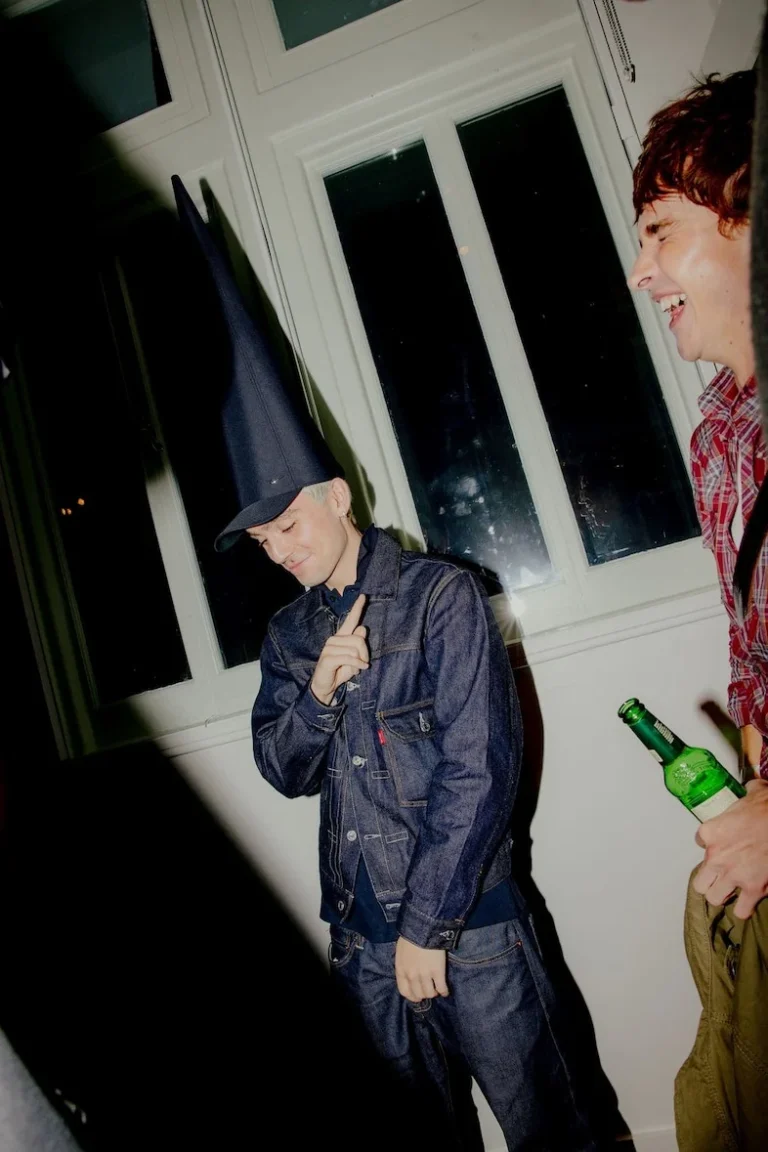
Through a series of intimate and candid portraits, Fast! captures these young individuals living seemingly parallel lives within the same undefined temporal gap. The images depict moments of quiet contemplation, spirited camaraderie, and subtle rebellion: figures sparking cigarettes, the smoke coiling around their faces in ephemeral clouds; individuals running through deserted urban streets, emblematic of both freedom and directionless energy; and groups huddled over tables with friends, engaged in conversations that range from the profound to the utterly trivial. Each frame contributes to a collective portrait of a generation suspended between the certainties of childhood and the responsibilities of adulthood, navigating a world that is rapidly shifting around them. The global scope ensures that while the specific backdrops change, the underlying emotional landscape remains consistent, portraying a shared human experience of transition and self-discovery.
The Poetic Core: Longing and Self-Discovery
Framing the visual journey of Fast! is a deeply introspective and poetic passage penned by Chus&Greg themselves. This textual element serves as a lyrical overture, setting the emotional tone for the photographs that follow and articulating the profound longing that permeates the project. The passage begins with a reflection on youthful aspirations: "When I was young, there were two things I wanted to do. One was to find a place with no before or after, a place where nothing ever happens, just like heaven. The second thing was to discover a tasty and lasting flavour, high, sweet and shocking red, like a cherry on top, and to celebrate it with the ultimate toast." These opening lines evoke a universal yearning for timelessness, for moments of pure, unadulterated joy that defy the linear progression of existence. The desire for a "place with no before or after" speaks to a deep-seated human wish to escape the constraints of chronology, to inhabit an eternal present, much like the moments of intense living that characterize youth.
However, the passage swiftly transitions to a more mature, perhaps melancholic, realization: "Now I’ve grown up, and a third concern frightens me: to leave the freckles behind and search in your eyes for the idea of you. Oh, I am such a bore." This poignant shift introduces a new dimension of fear and self-awareness that often accompanies the transition out of youth. The "freckles" symbolize the innocent, unburdened self of childhood, which must inevitably be shed. The search "in your eyes for the idea of you" hints at the complex process of identity formation, where one’s self-perception becomes intertwined with how others see them, and the painful realization that the unvarnished self of youth might be perceived differently, or even as "a bore," by a more mature perspective. This poetic framing not only enriches the visual narrative but also offers a powerful, intimate lens through which to interpret the photographs, anchoring them in a universal human experience of growth, nostalgia, and the bittersweet acceptance of change.
Visual Language: Blurring Reality and Memory
The distinct visual language of Fast! is central to its thematic impact, purposefully crafted to convey the inherent instability and fleeting nature of the post-adolescent period. Chus&Greg achieve this through a compelling mix of digital photography and handycam footage, resulting in images that feel perpetually "suspended mid-motion." This deliberate aesthetic choice imbues the photographs with an immediate, almost visceral quality, as if they are direct excerpts from lived experience rather than carefully composed stills. "It feels immediate, almost like a memory or a screenshot of time passing," the photographers explain, highlighting their intention to capture the raw, unpolished essence of these moments. The grainy texture and spontaneous framing characteristic of handycam footage lend an air of authenticity and rawness, mimicking the way memories are often recalled – fragmented, imperfect, yet deeply resonant.
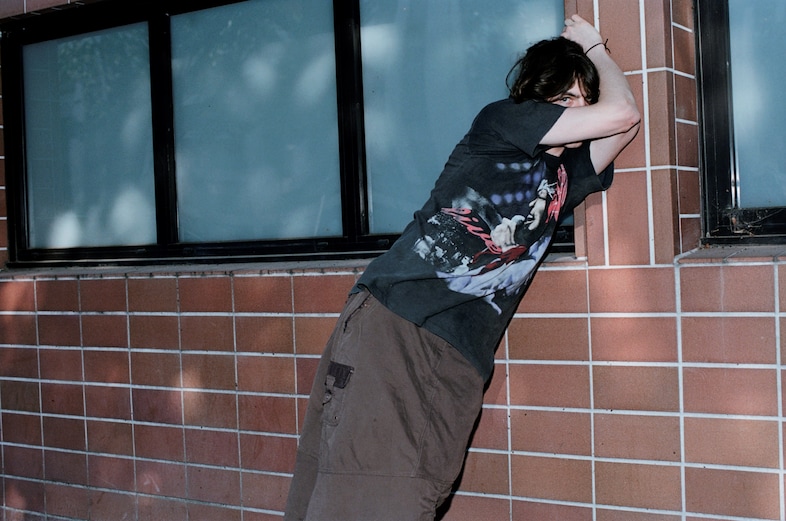
This visual strategy is further informed by a significant cultural reference: cine quinqui. This Spanish film movement of the late 1970s and early 1980s emerged during Spain’s tumultuous transition out of Franco’s dictatorship. Cine quinqui films were characterized by their gritty realism, focusing on working-class youth, street life, delinquency, and the social disenfranchisement of a generation grappling with profound societal change. "These films became important because they captured a raw, chaotic side of Spanish society that had long been hidden or censored," the photographers note. While Fast! operates within a vastly different contemporary social context, the influence of cine quinqui is evident in its visual echoes. Chus&Greg explicitly state, "We were interested in borrowing some of that visual language. That rawness, the sense of chaos, and the mix between staged moments and realism." This borrowing is not merely stylistic; it is thematic, connecting the instability of post-dictatorship Spain’s youth to the universal instability of post-adolescent identity formation in the modern era. The juxtaposition of carefully framed digital shots with the spontaneous, often blurry, aesthetic of handycam footage creates a dialogue between intention and serendipity, mirroring the chaotic yet formative experiences of the subjects.
The sequencing of the photobook, meticulously assembled in collaboration with creative director Patrick Rémy, further enhances this sense of fluidity and fragmentation. The arrangement mirrors the non-linear logic of a personal camera roll, where disparate images are placed side-by-side, creating unexpected juxtapositions and narrative connections. A shot of a polystyrene cup of filter coffee might appear next to a hazy image of friends lounging on a sofa, followed by a stark close-up portrait. This collage-like approach disrupts traditional photographic narratives, allowing for a more intuitive and emotionally driven reading of the images, much like the way memories spontaneously surface and intertwine in our minds.
The Enduring Relevance of Youth Culture Photography
Youth culture photography has historically served as a vital barometer of societal change, capturing the evolving attitudes, styles, and struggles of successive generations. From the rebellious spirit documented by figures like Robert Frank and Diane Arbus to the punk subcultures immortalized by Derek Ridgers, photographers have consistently turned their lenses to young people as a means of understanding broader cultural shifts. Chus&Greg, through their dedicated focus on this demographic, position themselves within this rich tradition, offering a contemporary lens on the complexities of emerging adulthood in the 21st century.
Their work, especially Fast!, highlights the unique pressures and freedoms experienced by young individuals navigating an increasingly interconnected yet fragmented world. It speaks to the universal quest for identity, belonging, and purpose during a life stage marked by significant personal and societal transitions. In an age where digital self-representation is paramount, Chus&Greg’s tangible photobook offers a grounded, artistic reflection that encourages deeper contemplation beyond the fleeting scroll of social media feeds. Their focus on the "transition between dependence and responsibility, imagination and reality, vulnerability and strength" underscores the enduring relevance of art that delves into the human condition during its most formative periods.
The Power of the Photobook in a Digital Era
In an age dominated by digital imagery and instant online sharing, the decision to publish Fast! as a physical photobook by Antenne Books carries significant weight. The photobook, as a medium, offers a tactile and immersive experience that digital platforms cannot fully replicate. It demands a slower, more deliberate engagement from the viewer, allowing for deeper reflection on the narrative and aesthetic choices made by the artists. This physicality inherently aligns with the themes of memory, tangibility, and the desire to "hold onto" fleeting moments that are central to Fast!.

The carefully considered sequencing, the quality of the prints, and the overall design (courtesy of Patrick Rémy) transform the collection of images into a coherent artistic statement, something more profound than a mere compilation of photographs. In a world where images are constantly being created and consumed at an unprecedented rate, the photobook stands as an intentional act of preservation, a curated archive that counteracts the ephemeral nature of digital content. For a project so deeply concerned with the passage of time and the desire to capture and understand it, the photobook format serves as a perfect vessel, transforming transient visual moments into a lasting artistic artifact.
A Universal Ache: The Fleeting Nature of Youth
The narrative arc of Fast! culminates in a poignant reflection on the very essence of youth, underscored by a powerful lyrical reference. The book closes with lyrics from "1979" by The Smashing Pumpkins, a track that Chus&Greg identify as "the soundtrack of our youth." This choice is profoundly fitting, as the song itself is an anthem to the fleeting, yet deeply impactful, ordinary moments that define adolescence and early adulthood. Its melancholic, dreamlike quality perfectly encapsulates the bittersweet sensation of living through significant experiences without fully grasping their magnitude until they are irrevocably past.
The photographers’ concluding sentiment resonates deeply with anyone who has navigated this transformative period: "All these ordinary nights, aimless drives and friendships of youth are not meaningless pauses before ‘real life’," they assert. "They were real life, and when you realise it, it’s already gone." This powerful statement challenges the common perception of youth as a mere prelude to adulthood, asserting its inherent value and significance. It is a stark reminder that the seemingly mundane moments – the late-night conversations, the spontaneous adventures, the formative relationships – are not just fillers; they are the very fabric of existence during this crucial developmental stage. The realization of their profound importance often arrives only in retrospect, a bittersweet acknowledgment of time’s relentless march. Fast! thus stands as a vivid photographic testament to this universal human experience, urging viewers to appreciate the present, even as it slips inevitably into the past.
Fast! is set to launch at Climax books on Thursday, May 28th, offering a compelling visual and emotional journey into the heart of post-adolescent identity and the enduring human fascination with the passage of time.