







A recent comprehensive analysis by the ethical rating platform Good On You has spotlighted 62 American clothing brands that are actively championing ethical and sustainable practices within the global fashion industry. This detailed assessment, which evaluates brands across crucial environmental, social, and animal welfare metrics, underscores a growing commitment in the United States to more responsible production and consumption. The identified brands, all rated "Good" or "Great" by Good On You’s rigorous methodology, offer consumers a curated selection of choices that align with increasingly conscientious purchasing habits.
The Evolution of Sustainable Fashion in the United States
The discourse surrounding ethical and sustainable fashion has significantly intensified over the past decade, transforming from a niche concern into a mainstream imperative. Historically, the fashion industry has been a major contributor to global pollution, resource depletion, and human rights abuses, largely driven by the "fast fashion" model. This model prioritizes rapid production cycles, low costs, and transient trends, leading to immense waste, exploitative labor practices, and a significant carbon footprint. For instance, the fashion industry is responsible for approximately 10% of global carbon emissions and is the second-largest consumer of the world’s water supply, with textile waste accumulating in landfills at an alarming rate. In the U.S. alone, an estimated 11.3 million tons of textile waste ended up in landfills in 2018, equating to 77 pounds per person.
However, a notable shift began to gain momentum in the mid-2010s, spurred by increased consumer awareness, NGO advocacy, and a series of high-profile incidents like the 2013 Rana Plaza factory collapse in Bangladesh, which tragically highlighted the devastating human cost of opaque supply chains. This event served as a global wake-up call, prompting brands, consumers, and policymakers to reconsider the ethical foundations of fashion production. In the years that followed, movements like Fashion Revolution emerged, demanding greater transparency and accountability from brands. Concurrently, advancements in sustainable materials and manufacturing technologies provided viable alternatives to conventional methods. The US, with its vast consumer market and significant manufacturing capabilities, has become a pivotal battleground for this transformation, witnessing a surge in brands dedicated to mitigating fashion’s negative impacts.
Good On You’s Rigorous Evaluation Framework
Good On You employs a robust, data-driven methodology to assess brands, focusing on three core pillars: People, Planet, and Animals. This system is designed to provide consumers with transparent, accessible information, enabling them to make informed choices. The platform’s ratings are based on publicly available information, certifications, and direct engagement with brands, encompassing over 100 key issues.
- People: This pillar scrutinizes a brand’s labor practices and supply chain transparency. Key considerations include the presence of child labor or forced labor, worker safety protocols, the right to join a union, and, critically, the payment of a living wage. A living wage ensures that workers can afford a decent standard of living for themselves and their families, covering basic needs such as food, housing, healthcare, and education. Many conventional fashion supply chains are notorious for paying poverty wages, trapping workers in cycles of debt and hardship. Brands that achieve high ratings in this category often demonstrate robust auditing processes, engage with Fair Trade certifications, and have clear policies against exploitation, frequently visiting their suppliers to ensure compliance.
- Planet: The environmental impact of fashion is profound, and Good On You’s assessment delves into a brand’s resource and energy management. This includes evaluating efforts to reduce carbon emissions across their operations (e.g., through renewable energy adoption or energy efficiency improvements), responsible water management (reducing consumption, treating wastewater), and safe chemical usage and disposal. The use of lower-impact materials such as organic cotton, recycled polyester, TENCEL™ Lyocell, and hemp is heavily favored, as is adherence to circular economy principles that minimize waste and maximize material utility. Brands are also assessed on their commitment to reducing packaging waste and implementing end-of-life recycling programs for their products.
- Animals: This category examines a brand’s policies and actions concerning animal welfare. It analyzes the use of animal-derived products like wool, leather, fur, angora, down feather, shearling, karakul, and exotic animal skins and hair. Brands are rated higher if they utilize certified animal products (e.g., Responsible Wool Standard) that ensure animal welfare standards are met, or if they opt for innovative vegan alternatives. Brands that are 100% vegan, avoiding all animal products, typically receive the highest ratings in this pillar, reflecting a growing consumer preference for cruelty-free fashion.
Brands rated "Good" or "Great" signify a substantial commitment to addressing these critical issues, often going beyond minimal legal requirements to implement progressive and impactful practices.
Spotlight on American Ethical Innovators
The list of 62 brands showcases a diverse array of American companies, from established names to emerging disruptors, all contributing to a more ethical fashion landscape. These brands exemplify various approaches to sustainability, catering to different consumer needs and preferences, whether it’s American-made products, organic materials, vegan options, or social enterprise models.
For instance, Proclaim, a Los Angeles-based brand, crafts bras, underwear, and basics from responsible materials like recycled plastic bottles and TENCEL. Their commitment extends to social equity, ensuring workers in their California factory earn a living wage and regularly visiting suppliers. Similarly, Svala, also based in LA, specializes in luxury vegan handbags made from high-quality vegan leather, cork, and Piñatex, demonstrating innovation in material sourcing for animal welfare.
In the realm of everyday essentials, Harvest & Mill stands out by growing, milling, and sewing its pieces exclusively in the US, supporting local organic cotton farmers and sewing communities. Their commitment to undyed and unbleached products significantly reduces water and energy usage, while cultivating diverse cotton varieties boosts biodiversity. KENT takes circularity to the next level with the first verified compostable underwear made from organic cotton, designed to return to nature within 90 days.
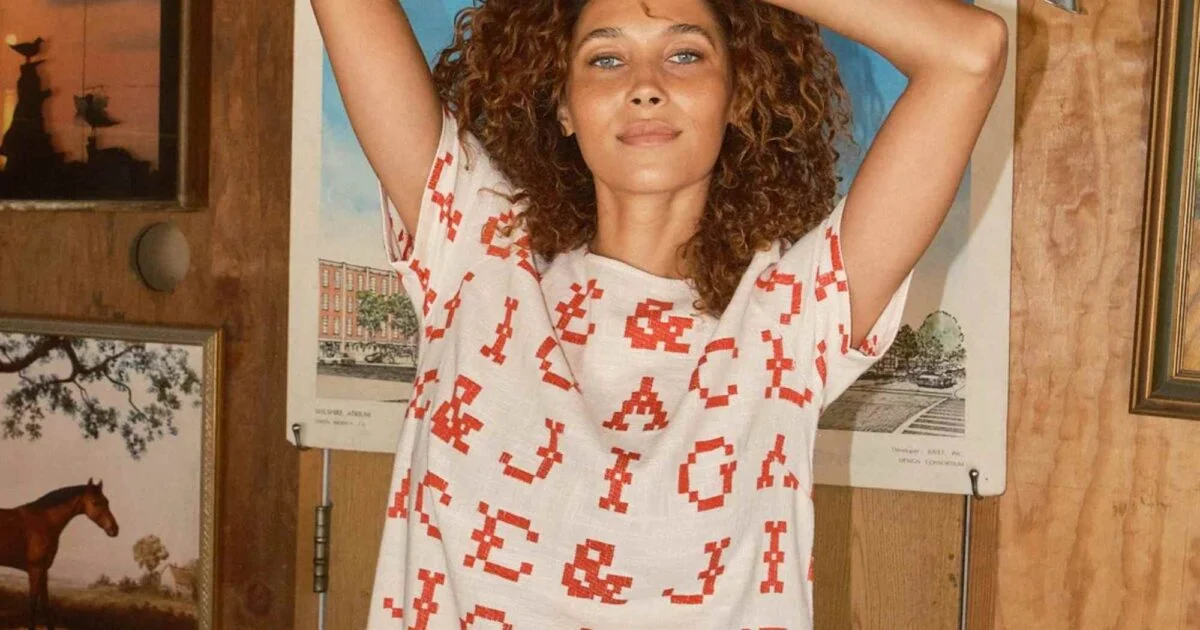
Social impact is a core mission for brands like Parker Clay and Neococo. Parker Clay partners with the Ellilta Women at Risk program in Ethiopia, providing stable incomes and safe working environments for women transitioning out of prostitution, while preserving traditional Ethiopian craft. Neococo, a mission-based apparel company, creates jobs for women refugees in the US through hand embroidery, fostering community and financial independence.
For the outdoors and active lifestyle segment, Toad&Co offers socially and environmentally minded women’s and menswear, suitable for both adventure and casual wear. Smartwool, a Colorado-based brand, makes base layers and performance socks from ZQ Merino certified wool, ensuring responsible animal husbandry.
Innovation in materials and waste reduction is also prominent. TORRAIN upcycles durable, lightweight, and water-resistant feedbags into travel and adventure products, diverting waste from landfills. WE-AR4 rescues high-quality leathers and luxury textiles leftover from other brands, giving them new life and minimizing the demand for new materials. Triarchy addresses the notoriously water-intensive denim industry by using a production system that recycles 85% of its water.
Jewelry brands are also making strides; FUTURA Jewelry uses mercury-free 18kt Certified Fairmined Ecological gold, sourced from mines that avoid toxic chemicals. ARTICLE22 creates jewelry in Laos from recycled materials from Vietnam War bombs and military hardware, providing sustainable income for local artisans and contributing to bomb clearance efforts.
These examples, representing a fraction of the 62 brands identified, collectively illustrate the multifaceted approach American brands are taking toward sustainability. They encompass efforts in material innovation, ethical labor practices, circular design, and community empowerment, offering a wide spectrum of choices for the conscious consumer.
Broader Impact and Future Implications
The emergence and growth of these 62 ethical and sustainable US clothing brands carry significant broader implications for the fashion industry, the economy, and society at large.
Economic Impact: The shift towards sustainable production fosters innovation in materials science, manufacturing processes, and business models. This can lead to the creation of new green jobs in design, supply chain management, and recycling technologies within the US. While ethical production might initially entail higher costs, it often leads to greater efficiency, reduced waste, and enhanced brand loyalty, contributing to long-term economic resilience. It also supports local economies, as seen with brands like Harvest & Mill, which invest in American organic cotton farmers and sewing communities.
Social Impact: By prioritizing fair wages, safe working conditions, and empowering marginalized communities, these brands are directly addressing systemic inequalities prevalent in global supply chains. Brands like Neococo and Parker Clay demonstrate how fashion can be a powerful tool for social good, offering dignity and financial independence to vulnerable populations. This fosters a more equitable and just industry, challenging the exploitative norms of the past.
Environmental Impact: The collective efforts of these brands in using lower-impact materials, reducing carbon emissions, conserving water, and minimizing chemical pollution contribute significantly to mitigating fashion’s environmental footprint. Their commitment to circularity – designing products for longevity, repair, and recycling – moves the industry away from a linear "take-make-dispose" model towards a regenerative one. This is crucial for protecting ecosystems, conserving natural resources, and combating climate change.
Consumer Empowerment: Platforms like Good On You play a vital role in empowering consumers. In an often-confusing market saturated with "greenwashing," objective ratings provide clarity and build trust. This transparency enables consumers to align their purchasing power with their values, driving demand for ethical products and incentivizing more brands to adopt sustainable practices. The availability of diverse options, from organic loungewear to upcycled accessories, means that ethical shopping is becoming increasingly accessible and appealing.
Future Outlook: While significant progress has been made, challenges remain. Scaling sustainable practices across the entire industry, addressing legislative gaps, and combating persistent greenwashing efforts will require continued vigilance and collaboration. However, the robust growth of the ethical fashion sector in the US, as evidenced by this list, suggests a positive trajectory. Industry experts and sustainability advocates often emphasize that the momentum is irreversible. A spokesperson for Good On You might remark, "This list is not just a directory; it’s a testament to the powerful wave of change sweeping through American fashion. Consumers are demanding better, and these brands are answering the call, proving that style and sustainability are not mutually exclusive but deeply interconnected." The continued innovation in material science, increased investment in circular infrastructure, and growing consumer education are expected to further accelerate this transformation, solidifying the US’s role as a key player in shaping a more responsible global fashion future.