




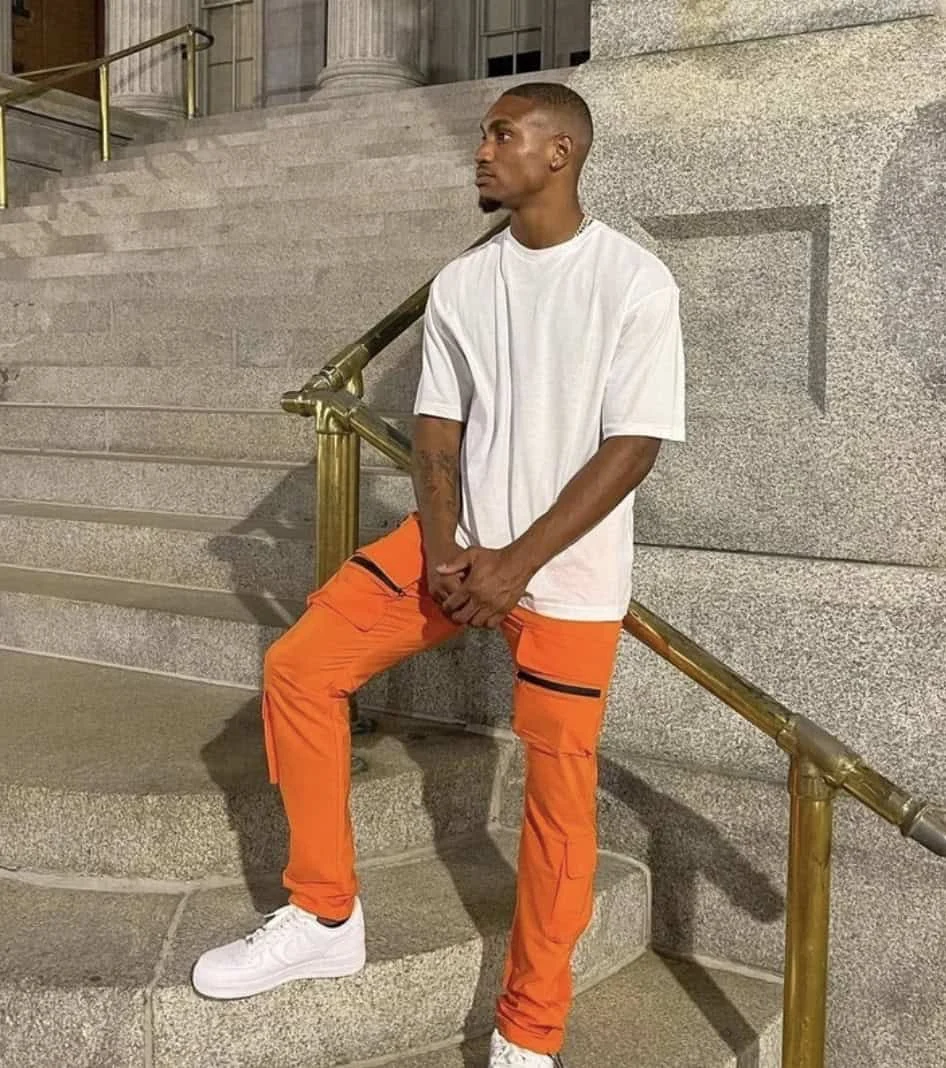
The trajectory of modern menswear has officially reached a definitive milestone regarding the widespread cultural and commercial rehabilitation of the utility trouser. Long relegated to the sartorial penalty box of the late 1990s and early 2000s—or strictly associated with outdoor manual labor and military application—cargo pants have undergone a rigorous, high-fashion redesign. Contemporary iterations no longer rely solely on exaggerated proportions or utilitarian excess; instead, modern design houses, heritage denim brands, and technical apparel manufacturers have refined the silhouette. The result is a diverse marketplace offering trousers engineered with superior textiles, tailored cuts, and sophisticated colorways that integrate seamlessly into a modern wardrobe.

The Evolution of Utility Wear: From Battlefield to Runway
The historical roots of cargo trousers trace back to the British Armed Forces in 1938, famously adopted by the United States Army during World War II for paratroopers who required accessible storage for ammunition, maps, and field dressings. For decades, the design remained purely functional. However, the late twentieth century saw the garment drift into mainstream youth culture, frequently styled in exaggerated, baggy silhouettes.

By the turn of the 21st century, cultural fatigue set in. Cargo pants became synonymous with suburban domesticity and uninspired casual wear, leading to a prolonged exile from high-fashion discourse. The recent renaissance, however, began taking shape in the late 2010s as streetwear infiltrated luxury houses. Designers recognized that the foundational architecture of the cargo pant—characterized by pronounced pocket placement and structural volume—offered a compelling canvas for experimentation. By 2026, this evolution reached maturity, bridging the gap between utilitarian performance and elevated sartorial design.

Material Innovation and Technological Advancements
A primary driver behind the modern resurgence of cargo pants is the significant leap in textile engineering. Traditional heavy-cotton twill has been supplemented—and in many cases replaced—by performance-oriented fabrics designed to maximize comfort without sacrificing durability.

Performance textiles now incorporate advanced synthetics such as ripstop nylon, polyester blends, and elastane infusions. These materials deliver moisture-wicking capabilities, abrasion resistance, and four-way stretch mechanics. For consumers utilizing cargo pants for active pursuits—ranging from alpine hiking to tactical fishing—features like triple-stitched seams, soil-resistant coatings, and reinforced knee panels have become standard. Conversely, luxury segments utilize unexpected high-end materials, including Italian herringbone wool, tussah silk blends, velvety corduroy, and garment-dyed cotton twill, shifting the garment from rugged outdoor gear to refined evening wear.
Categorical Breakdown of the Top Market Offerings
The current market is segmented across multiple lifestyle categories, ensuring that consumers can find specific designs tailored to their precise daily requirements.

Luxury and Overall Excellence
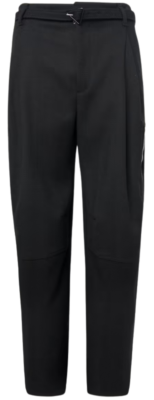
At the apex of the market, brands like Polo Ralph Lauren and Bottega Veneta have redefined what a trouser with thigh pockets can achieve. The Polo Ralph Lauren Herringbone Cargo Trouser utilizes a sophisticated blend of linen, wool, and tussah silk, woven in Italy. This hybrid garment successfully marries the structured elegance of a high-end tailored dress pant with the functional utility of side pockets, proving exceptionally versatile for urban social settings. Similarly, Bottega Veneta’s wool-blend felt cargo trousers feature refined pleating, integrated V-shaped belts, and discreet side-zip pockets, targeted directly at the high-fashion consumer looking for statement pieces for gallery openings and upscale urban events.
Slim-Fit and Tailored Silhouettes
For consumers who prefer a streamlined profile, Stone Island offers garment-dyed cotton-blend twill cargo trousers that fit closely to the leg while maintaining structural integrity. These pants bridge the gap between smart-casual aesthetics and traditional sportswear. Similarly, Levi’s XX Tapered Cargo Pants provide daily versatility by integrating a hint of elastane with a modern tapered cut, making them suitable for casual office environments and weekend errands alike.
Technical, Workwear, and Outdoor Performance
Utility remains the core competency for legacy brands specializing in rugged environments.

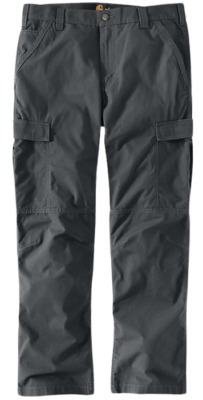
- Carhartt addresses the intersection of manual labor and urban street style with its Force Relaxed Fit Ripstop Cargo Work Pant, featuring FastDry sweat-wicking technology and Rugged Flex mobility.
- 5.11 Tactical delivers the Taclite Pro Ripstop Pant, engineered specifically for high-movement outdoor activities like hunting and fishing, boasting eight reinforced pockets and triple-stitch construction.
- L.L. Bean caters to hikers with water-resistant Cresta Hiking Zip-Off Pants, offering UPF 50+ sun protection and convertibility into shorts.
- Duluth Trading Company introduces the DuluthFlex Fire Hose Coolmax Relaxed Fit pants, which incorporate a specialized crotch gusset to eliminate chafing and pinching during high-temperature physical exertion.
Streetwear and Contemporary Collaboration
Streetwear culture continues to heavily influence trouser design through brands like Represent, Nahmias, and Abercrombie.

- The Represent Tech Cargo Pant offers a streamlined straight-leg fit with a secure hook-and-bar fastening system, ideal for skating or casual lounging.
- Nahmias introduces luxury corduroy cargo trousers, combining velvety-soft textures with a relaxed, baggy aesthetic.
- The collaborative market has also yielded significant drops, most notably the Yeezy Gap Engineered by Balenciaga Sateen Cargo Pant, which merges minimalist streetwear aesthetics with breathable, everyday comfort.
Consumer Guide: What to Look For When Purchasing
Navigating the expansive market of men’s utility trousers requires careful consideration of three core parameters: function, material composition, and price point.

Determining Function
Consumers must evaluate their primary use case before making a purchase. Individuals purchasing cargo pants strictly for aesthetic and stylistic reasons should prioritize cut, drape, and color versatility. Those intending to use the trousers for physical labor, hiking, or tactical applications must prioritize technical specifications, such as reinforced stress points, water resistance, and breathability.

Selecting the Right Material
The choice of fabric dictates both the performance and the formality of the garment.
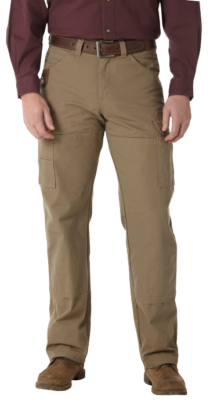
- Synthetics (Nylon/Polyester blends): Ideal for active lifestyles, providing rapid drying times and moisture-wicking properties.
- Cotton and Cotton-Elastane Blends: The gold standard for daily casual wear, offering a softer hand-feel, breathability, and moderate stretch.
- Luxury Blends (Wool, Silk, Corduroy): Best reserved for cooler climates, evening wear, and high-fashion streetwear styling.
Budgetary Considerations
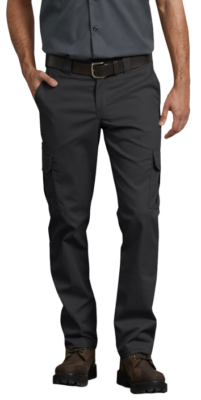
Pricing within the category spans an exceptionally wide spectrum. Budget-friendly options under $50, such as classic offerings from Dickies and select workwear brands, provide durable construction without premium markup. Mid-tier options from mainstream outdoor and denim labels range from $70 to $150, offering advanced fabrics and specialized fits. On the upper end, designer cargo trousers from luxury Italian and Parisian houses can exceed $1,000, serving as investment pieces for dedicated fashion enthusiasts.

Broader Implications and Market Outlook
The widespread acceptance of cargo pants in professional-casual and luxury domains highlights a broader shift toward functional menswear. As consumers increasingly prioritize comfort, practicality, and versatility in their daily wardrobes, the rigid boundaries separating formal wear from workwear and athletic apparel continue to dissolve. The modern cargo pant, refined through decades of textile innovation and design iteration, has successfully transitioned from a temporary trend into a permanent fixture of contemporary style.