







The past month has underscored the multifaceted and often contradictory landscape of the fashion industry, particularly at the intersection of sustainability, ethics, and commerce. While the sector grapples with calls for greater responsibility and environmental stewardship, seismic shifts are occurring, from unexpected acquisitions to high-profile legal battles and intensifying regulatory scrutiny. The narrative is complex, featuring the rapid expansion of ultra-fast fashion giants, persistent challenges in worker welfare, and burgeoning innovations aimed at transforming the industry’s ecological footprint.
The Acquisition Paradox: SHEIN Buys Everlane, Raising Transparency Concerns
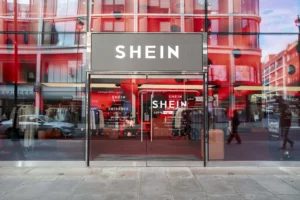
One of the most startling developments in recent memory saw ultra-fast fashion behemoth SHEIN acquire Everlane for an reported $100 million. This transaction has sent ripples through the industry, particularly among advocates for ethical and sustainable fashion, given the stark contrast in the brands’ public images and operational philosophies. Everlane, founded in 2010, rose to prominence on a promise of "radical transparency," aiming to demystify supply chains and offer ethically produced, high-quality basics at accessible prices. Its initial mission resonated deeply with consumers seeking alternatives to fast fashion’s opaque practices. However, in recent years, Everlane has faced its own challenges, including accusations of union-busting, quality inconsistencies, and struggles with profitability, leading to layoffs and a perceived drift from its founding principles.
SHEIN, on the other hand, embodies the pinnacle of ultra-fast fashion, characterized by its rapid design-to-production cycle, vast inventory, and aggressive pricing strategies. The company, which boasts a valuation reportedly exceeding $60 billion, has been under intense scrutiny for its environmental impact, labor practices, and frequent allegations of intellectual property theft. The acquisition of a brand that once championed transparency by a company often criticized for its lack thereof immediately triggered concerns about greenwashing and the erosion of consumer trust. Industry analysts suggest that SHEIN’s move might be an attempt to diversify its portfolio, gain market share in a different segment, or even to incrementally improve its sustainability credentials through association. However, many sustainability experts argue that integrating a brand like Everlane into SHEIN’s existing model presents a formidable challenge without fundamentally altering SHEIN’s core operations.
The immediate aftermath of the acquisition saw Everlane’s founder, Michael Preysman, publicly state he had no prior knowledge of the deal. Days later, Preysman announced the launch of a new brand, "Still Radical," a clear nod to Everlane’s original ethos and a potential signal of disillusionment with the path his former company had taken. This pivot by Preysman highlights the ongoing tension between commercial viability and ethical commitments within the fashion industry, particularly as smaller, mission-driven brands navigate a market increasingly dominated by large, often less scrupulous, players. The broader implication is a potential blurring of lines between genuinely sustainable brands and those that merely adopt sustainable rhetoric, making it ever more challenging for consumers to make informed choices.
Brand Battles and Ethical Quandaries
The month also brought to light complex legal and ethical disputes, underscoring the delicate balance brands must strike between protecting their intellectual property and navigating public perception, particularly when intersecting with social activism.
Patagonia vs. Pattie Gonia: A Trademark Tangle
In a surprising turn of events, outdoor apparel giant Patagonia initiated a trademark lawsuit against Pattie Gonia, an environmentalist drag queen who has garnered significant attention and raised millions of dollars for environmental non-profits. Patagonia, renowned for its unwavering commitment to environmental activism and its distinctive brand identity, claims that Pattie Gonia’s branding and merchandise could "irreparably harm" its established brand. The lawsuit seeks a "nominal" $1 in damages but crucially includes Patagonia’s legal fees, which could amount to a substantial sum.
Patagonia has a long history of rigorously defending its trademarks and leveraging its brand for environmental causes, famously running campaigns like "Don’t Buy This Jacket" to promote conscious consumption. The brand’s identity is deeply intertwined with its geographical namesake, the rugged Patagonia region of South America, symbolizing wilderness and conservation. Pattie Gonia, whose real name is Wyn Wiley, emerged as a unique figure in environmental advocacy, blending drag performance with outdoor exploration and climate activism. Through viral content and community organizing, Pattie Gonia has become a beloved figure, particularly among younger audiences and the LGBTQ+ community, for making environmentalism more inclusive and accessible.
The lawsuit has sparked considerable debate and, for some, a significant public relations challenge for Patagonia. Critics argue that suing an environmental ally, especially one with a strong grassroots following, appears counterintuitive to Patagonia’s core values and could be perceived as corporate bullying. While trademark law is clear on the necessity for brands to protect their intellectual property to prevent dilution or confusion, the optics of this particular case are proving difficult. The incident raises questions about the boundaries of brand protection, the role of parody and homage in activism, and whether large corporations should wield their legal power against individuals who, in essence, champion similar causes. The resolution of this case will likely set a precedent for how established brands interact with new forms of social activism that engage with cultural symbols.
Persistent Allegations of Design Theft Against SHEIN
Adding to its list of controversies, SHEIN is once again facing accusations of design theft, this time from the Indigenous Nations Apparel Company (INAC), a Winnipeg-based Indigenous clothing company. CBC reported that designs originating from INAC were found for sale on SHEIN’s website, with the founder’s daughter even pictured in one of the designs. This incident is not isolated but rather the latest in a long series of intellectual property infringement claims against the ultra-fast fashion retailer. SHEIN’s business model, which involves rapidly producing thousands of new designs daily, often relies on a vast network of third-party suppliers, which the company frequently blames when allegations of design theft emerge. In response to the INAC case, SHEIN removed the products and attributed the issue to third-party sellers in an email to CBC.
The repeated nature of these allegations highlights a systemic problem within the ultra-fast fashion sector. Small independent designers, artists, and cultural creators often find themselves powerless against corporate giants like SHEIN, which possess immense resources for production and distribution, but also for legal defense. The financial and logistical hurdles of pursuing legal action against such a large entity are often insurmountable for small businesses, many of whom rely on unique designs for their livelihood and cultural representation. The alleged theft from an Indigenous company like INAC is particularly egregious, as it not only constitutes economic harm but also appropriates cultural designs without permission or proper compensation, contributing to a broader pattern of cultural exploitation. This ongoing issue underscores the urgent need for more robust intellectual property protections in the digital fashion landscape and greater accountability for platforms that profit from such practices.
Regulatory Scrutiny and Industry Pressure
Governments and regulatory bodies are increasingly turning their attention to the environmental and ethical impacts of the fashion industry, particularly the rapidly expanding ultra-fast fashion sector.
EU Fines Temu for Illegal Products
In a significant move, the European Commission imposed a fine of €200 million (approximately $232 million USD) on ultra-fast fashion retailer Temu. The fine stems from Temu’s failure to adequately identify and manage the risks associated with illegal products being sold on its platform, which subsequently caused harm to consumers within the European Union. This action is part of an ongoing investigation under the EU’s Digital Services Act (DSA), a landmark piece of legislation designed to regulate large online platforms and ensure greater accountability for content and products sold. The DSA’s comprehensive framework addresses issues ranging from illegal content and consumer protection to platform transparency and user data access.
The fine against Temu signals a clear intent from European regulators to hold ultra-fast fashion platforms to higher standards of responsibility. The investigation is expected to continue, with potential for further penalties as regulators delve into other aspects of Temu’s operations, including allegations of addictive design practices and data access for researchers. For Temu, which has experienced explosive growth since its launch, this fine represents a substantial financial blow and a mandate to overhaul its product vetting processes. For the broader e-commerce landscape, especially other ultra-fast fashion players like SHEIN, the Temu fine sets a precedent, indicating that the era of unchecked growth and minimal accountability for online marketplaces may be drawing to a close in Europe. Consumer protection and platform responsibility are becoming central tenets of digital governance.
Milan Fashion Week’s Evolving Fur Stance
After sustained lobbying from animal rights organizations and influential industry figures, the National Chamber of Italian Fashion (CNMI), the organizer of Milan Fashion Week, released a statement in May, requesting brands to refrain from showing fur on the runway. While a significant step, the CNMI stopped short of issuing a mandatory ban, stating that its "most effective approach does not consist in imposing bans… but in issuing a request not to present, during the Milan Fashion Week shows, clothing, accessories, or any other item made of fur."
This decision reflects a growing global trend towards fur-free fashion. Major fashion weeks in London, Helsinki, Amsterdam, and even Paris have either implemented or are moving towards fur bans. A significant number of luxury brands, including Gucci, Versace, Michael Kors, and Prada, have already committed to going fur-free, driven by evolving consumer ethics, supply chain complexities, and pressure from animal welfare groups. The fur industry, once a symbol of luxury, has faced declining demand and increasing public disapproval over ethical concerns regarding animal cruelty and environmental impact.
The CNMI’s "invitation" approach, while not as stringent as an outright ban, nonetheless places considerable moral pressure on participating brands. Italy, as a global fashion capital, holds significant sway in setting industry standards. This move is indicative of a broader industry shift, where sustainability and ethical considerations are increasingly integrated into design, production, and presentation. It also highlights the power of sustained activism in influencing policy within traditional fashion institutions, pushing them towards more compassionate and environmentally conscious practices, even if through a gradual, consensual approach rather than strict mandates.
The Human and Environmental Cost of Fast Fashion
Beyond design and regulatory issues, the fundamental human and environmental costs embedded in the current fashion production model continue to demand urgent attention.
Garment Worker Wages Under Pressure: Public Eye Report
A joint report by Public Eye and Clean Clothes Campaign has starkly detailed how fashion brands continue to exert immense pressure on their suppliers, leading to a decades-long squeezing of garment unit prices. The research reveals that, when adjusted for inflation, fashion brands are sourcing T-shirts at less than half the price they were 25 years ago. This aggressive downward pricing policy by major brands means that many have not adjusted their procurement prices to account for inflation, effectively transferring the economic burden onto manufacturers and, ultimately, the garment workers.
Kalpona Akter, president of the Bangladesh Garment and Industrial Workers Federation, articulated the dire consequences in a press release: "The fashion brands which brag about human rights policies actively contribute to the continuation of poverty wages by their downward pricing policy. Higher prices are needed for living wages, safe workplaces, and sustainable production." This situation traps millions of garment workers, predominantly women in developing countries, in a cycle of poverty, making it impossible for them to earn a living wage that covers basic necessities like food, housing, healthcare, and education. Despite rising costs of living globally, the wages paid to garment workers remain stagnant or, in real terms, have decreased. The report challenges the superficial human rights policies often touted by brands, exposing how their core pricing strategies undermine any genuine commitment to ethical labor practices. The implications are profound, calling into question the integrity of corporate social responsibility claims and highlighting the need for systemic change in pricing models to ensure fair compensation throughout the supply chain.
Climate Change and Worker Safety: Bangladesh Heat Crisis
The escalating global climate crisis is manifesting in tangible and severe ways within the fashion supply chain. Fashion Network and Reuters reported on the devastating impact of extreme heat on garment workers in Bangladesh, a critical manufacturing hub. As temperatures in Dhaka soared to 37 Celsius (98.6 Fahrenheit), many factories were unable to operate cooling equipment during frequent power outages. These outages are a direct consequence of an energy shortage, exacerbated by geopolitical factors, specifically disruptions in energy imports from the Middle East linked to the US-Iran war.
Kalpona Akter, executive director of the Bangladesh Center for Worker Solidarity, highlighted the immediate health crisis, noting that the intense heat was causing workers to fall ill, suffer from heat exhaustion, and experience reduced productivity. This situation underscores the extreme vulnerability of garment workers, who often toil in poorly ventilated factories with inadequate cooling systems, particularly during peak production seasons. The lack of reliable access to electricity not only compromises worker safety and health but also impacts production schedules and economic stability for both factories and individual workers. This tragic confluence of climate change, geopolitical instability, and precarious working conditions serves as a stark reminder of the interconnectedness of global challenges and the imperative for brands to invest in climate resilience and robust worker protection measures across their supply chains. It also calls for international cooperation to address the root causes of climate change and support vulnerable populations in adapting to its impacts.
Innovations and Commitments Towards a Circular Future
Amidst these challenges, there are encouraging developments and renewed commitments towards fostering a more sustainable and circular fashion industry.
Agricultural Waste as Fashion’s New Frontier: Canopy Report
A new report and pilot project by Canopy, an environmental non-profit, has unveiled a significant breakthrough in sustainable textile production: wheat straw could serve as a viable alternative to wood pulp in the manufacturing of Lyocell and viscose fibers. These traditional fibers, while versatile, are often derived from wood pulp, contributing to deforestation and the destruction of old-growth and endangered forests. Canopy’s research brought together a diverse coalition of non-profits, major fashion brands, manufacturers, suppliers, and a technology provider. This collaborative effort aimed to test a production model across every stage of the supply chain, from sourcing agricultural waste to producing finished textiles. The goal was to identify and address the systemic issues that often prevent innovative new material startups from scaling up their solutions and integrating them into mainstream production.
Nicole Rycroft, Canopy’s founder, emphasized the transformative potential of this discovery: "By diversifying feedstocks beyond forests, we have a real opportunity to build a more resilient, circular, and low-impact textile industry." The shift towards utilizing agricultural waste, such as wheat straw, offers multiple environmental benefits. It reduces the pressure on forests, mitigates waste from agriculture, and potentially lowers the carbon footprint associated with virgin material extraction. While scaling such innovations presents challenges, including establishing reliable supply chains for agricultural waste and optimizing industrial processes, the pilot project demonstrates the technical feasibility and commercial promise of these next-generation materials. This represents a crucial step towards decoupling fashion production from deforestation and moving towards a truly circular economy that maximizes resource efficiency.
Industry Leaders Advocate for Circular Economy Policies
Further demonstrating a collective commitment to sustainability, the Ellen MacArthur Foundation issued a powerful statement calling on governments worldwide to actively support the development and implementation of circular fashion economy infrastructures. The foundation, a global leader in promoting the circular economy, specifically urged governments to introduce policies that incentivize and facilitate initiatives such as repair and resale. Key policy recommendations included reduced taxes on circular economy initiatives and the expansion of Extended Producer Responsibility (EPR) schemes. EPR policies would compel brands and producers to bear the costs associated with establishing the necessary infrastructure to collect, sort, and recycle clothing at scale, shifting the burden from municipalities and taxpayers back to the creators of the products.
The call to action has garnered significant support from across the fashion spectrum. Drapers reported that over 70 brands have signed onto the statement, including major high-street retailers like Primark and H&M Group, alongside luxury and dedicated sustainable brands such as Stella McCartney, Nobody’s Child, and Reformation. This broad consensus among competitors underscores the growing recognition that systemic change is required, and that individual brand efforts, while valuable, are insufficient without supportive governmental policies. The collective voice of these brands and the Ellen MacArthur Foundation signifies a powerful push for legislative frameworks that can accelerate the transition from a linear "take-make-dispose" model to a regenerative, circular one. Such policies are crucial for reducing textile waste, conserving natural resources, and mitigating the environmental impact of the fashion industry on a global scale.
Spotlight on Progress: Brands Leading the Way
Amidst the complexities and challenges, certain brands continue to exemplify genuine commitment to sustainable practices, offering concrete solutions and transparent operations.
MUD Jeans Embraces Resale with ‘Re Loved’ Platform
"Great"-rated label MUD Jeans, known for its circular denim model and commitment to sustainable production, has launched "Re Loved," an innovative resale platform. This initiative allows consumers to purchase pre-owned MUD Jeans products at significantly reduced prices, with some items available at up to 70% off their original cost. The platform features both menswear and womenswear, sourced from private sellers who originally bought the items and from the brand’s own archives. Crucially, all listings undergo verification by a member of the MUD Jeans team, ensuring quality and authenticity. This move not only extends the lifespan of their products, aligning with circular economy principles, but also makes sustainable fashion more accessible to a wider audience by offering more affordable options. MUD Jeans’ commitment to embracing resale demonstrates a practical and scalable approach to reducing waste and promoting conscious consumption within the denim industry.
No Nasties Launches 100% GOTS Certified Cotton Knits
"Great"-rated brand No Nasties has released a new knit collection crafted entirely from 100% GOTS (Global Organic Textile Standard) certified cotton. In a market where summer knits often incorporate Lycra and other synthetic blends for stretch and drape, No Nasties has consciously chosen to eschew these materials. The GOTS certification is one of the most stringent global standards for organic textiles, ensuring that products are made from at least 70% certified organic natural fibers, and that strict environmental and social criteria are met throughout the entire supply chain, from harvesting the raw materials to environmentally and socially responsible manufacturing. Produced in India, this collection highlights No Nasties’ dedication to natural fibers and transparent, ethical production. By offering high-quality, comfortable knits made purely from organic cotton, the brand reinforces its commitment to minimizing environmental impact and promoting healthier, more sustainable choices for consumers.
The past month has been a microcosm of the broader shifts and inherent contradictions defining the contemporary fashion industry. From the paradoxical acquisition of a "transparent" brand by an ultra-fast fashion giant to legal battles over trademark and activism, and the ongoing struggle for worker welfare amidst climate crises, the path to a truly sustainable and ethical fashion future remains fraught with challenges. Yet, the increasing regulatory scrutiny, the collaborative efforts towards circular economy policies, and the inspiring innovations from pioneering brands offer glimmers of hope. The collective urgency for systemic change, driven by consumers, activists, innovators, and increasingly, policymakers, suggests that while the journey is complex, the momentum towards a more responsible fashion ecosystem is undeniable.