




Attending a funeral is a somber occasion that requires a demonstration of respect for the deceased and their grieving family. While it is not a fashion event, dressing appropriately is a significant aspect of conveying that respect. Navigating the nuances of funeral attire for men can be a sensitive matter, often leaving individuals uncertain about the correct sartorial choices. This guide aims to demystify the process, offering clear recommendations on what to wear and what to avoid, ensuring a dignified presentation during a difficult time.
The core principle behind funeral attire is to project solemnity, respect, and a subdued demeanor. This means choosing garments that are conservative, clean, and well-maintained. The emphasis should be on blending in and showing deference, rather than drawing attention to oneself.
The Foundational Elements of Funeral Attire
When considering what men should wear to a funeral, several key pieces form the bedrock of appropriate dress. These are versatile, timeless, and universally accepted as respectful.
The Black Suit: A Timeless Choice
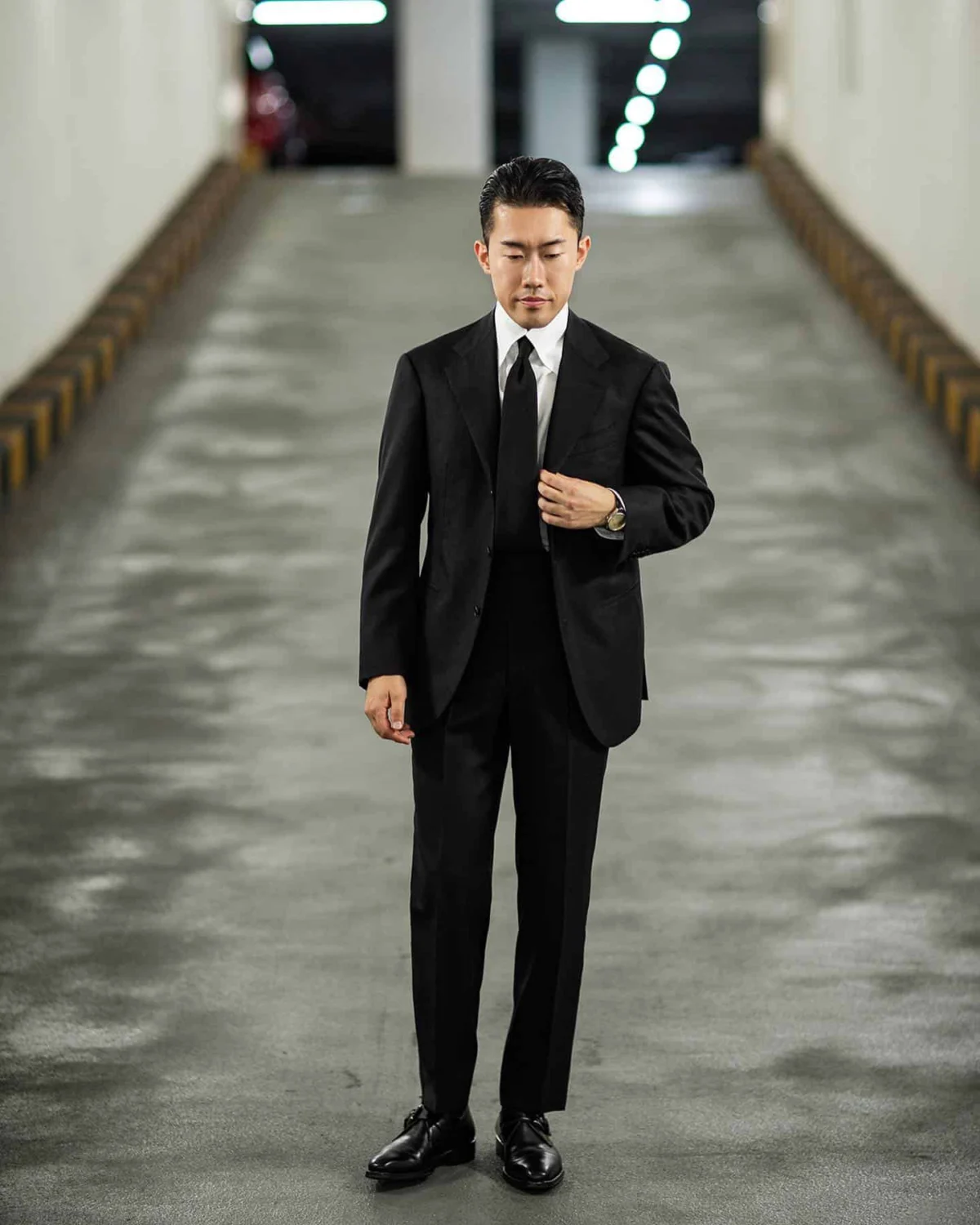
The black suit is arguably the most iconic and universally appropriate garment for a funeral. Its inherent formality and somber color palette align perfectly with the gravity of the occasion. While other dark suits, such as charcoal grey or deep navy, can be acceptable alternatives, black remains the preeminent choice for its unambiguous expression of mourning.
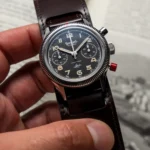
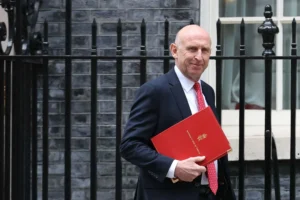
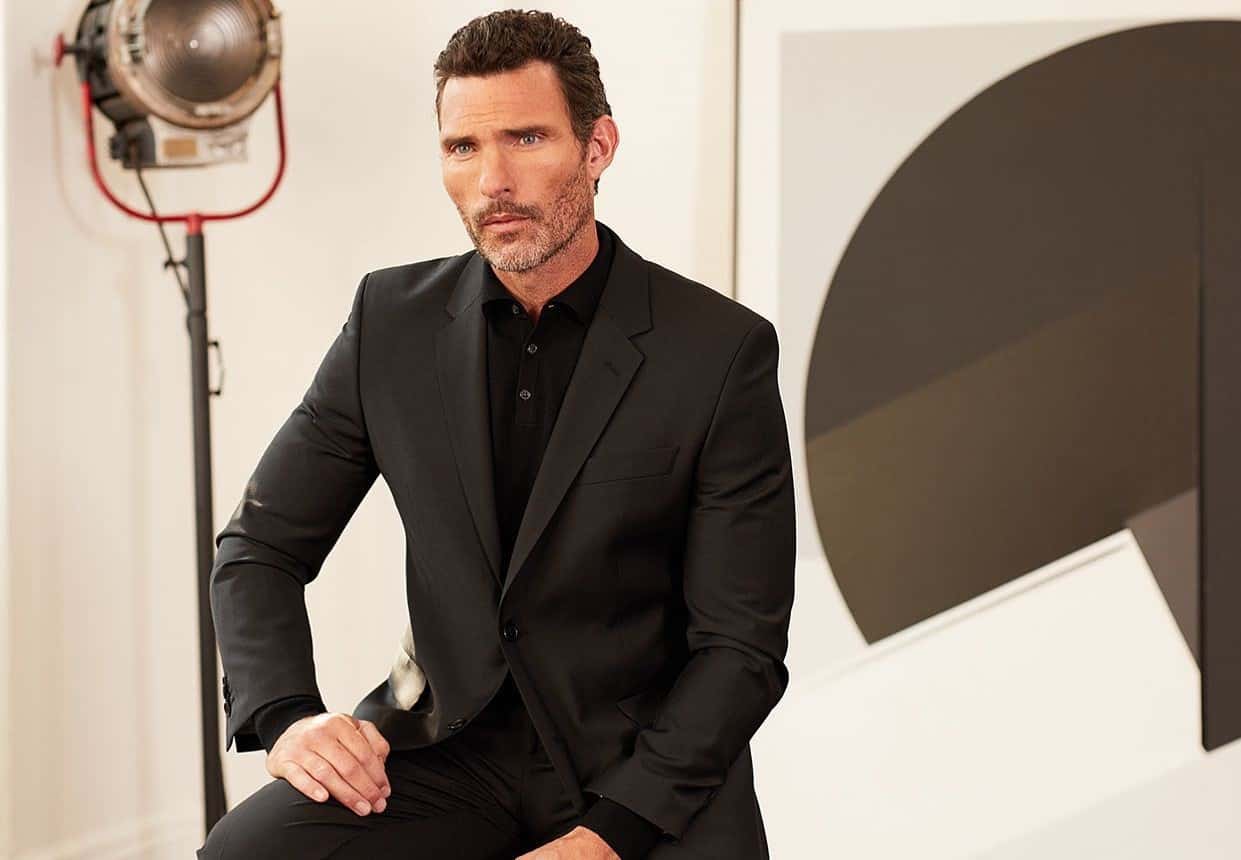
A well-fitting black suit offers a polished and respectful appearance. It is a versatile piece that extends its utility beyond funerals, serving equally well for formal events, job interviews, and professional settings. For a funeral, pairing a black suit with a crisp white dress shirt and black tie creates a classic and understated look. For those seeking a slightly more relaxed yet still appropriate ensemble, layering a fine-gauge knit sweater or a turtleneck underneath the suit jacket can provide warmth and a touch of personal style without compromising decorum. The addition of a sophisticated timepiece can complete the ensemble, adding a subtle touch of elegance.
The Essential White Shirt
The white dress shirt is a cornerstone of any man’s wardrobe, and its suitability extends to funeral attire. Its clean, crisp appearance acts as a neutral canvas, allowing the rest of the outfit to convey the appropriate tone. It possesses an exceptional ability to unify an ensemble, bringing together disparate elements into a cohesive and respectable whole.
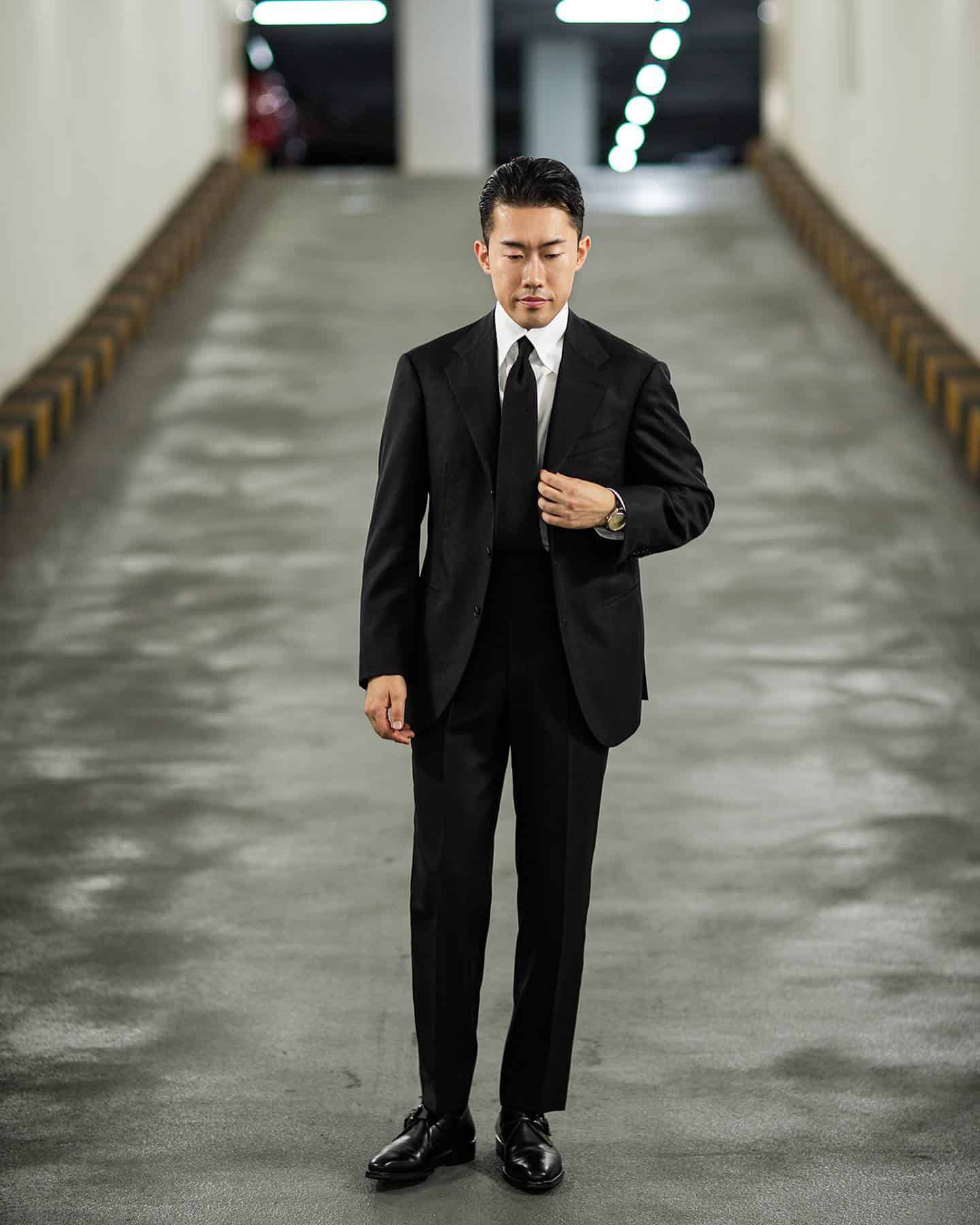
A well-pressed white shirt, preferably with a single cuff, is ideal. Double cuffs, while more formal, are generally better suited for celebratory occasions like weddings. Pairing a white shirt with black trousers or a black suit creates a polished and understated look. A plain black tie is often an optional but recommended addition to complete the formal aspect of the attire.
Dark Knitwear: Comfort and Subtlety
In situations where a full suit might feel overly formal or when the weather necessitates, dark knitwear offers a practical and respectful alternative. Fine-gauge sweaters in black or dark grey are particularly suitable. These should be free of prominent logos, patterns, or excessive branding, maintaining a subdued aesthetic.
The fit of knitwear is crucial; it should be tailored to fit close to the body, avoiding overly loose or baggy silhouettes. Options like half-zip sweaters, V-necks, or classic crewnecks are all appropriate. Turtlenecks can also be a stylish and warm choice, especially when layered under a suit or blazer. The key is to select items that are refined and understated, providing comfort without detracting from the solemnity of the event.
Tailored Trousers: A Versatile Foundation
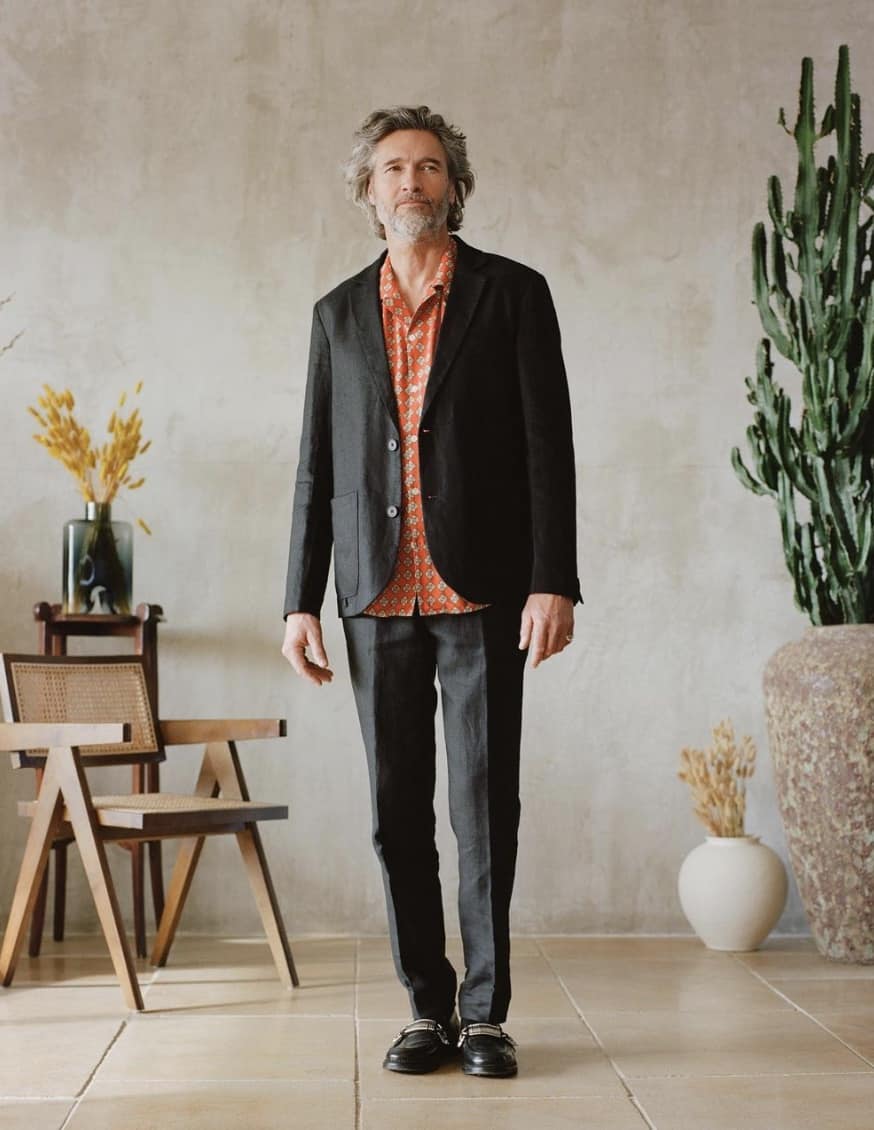
Tailored trousers, whether part of a suit or worn as separates, are an indispensable component of funeral attire. They offer a more formal alternative to jeans and provide a clean, structured base for an outfit. When worn with a dress shirt and smart shoes, they create a look that is both respectful and appropriate.
Black or dark grey tailored trousers are the most fitting choices. These can be paired with a suit jacket, a dark blazer, or a refined knit sweater. The focus should be on a clean, classic cut that offers a flattering silhouette. Brands offering well-constructed trousers in quality fabrics provide a reliable option for ensuring a polished appearance.
The Overcoat: Practicality and Polish
The weather can be an unpredictable factor, and an overcoat provides both practical protection and a layer of sartorial polish. In cooler months, a well-chosen overcoat can elevate an entire outfit.
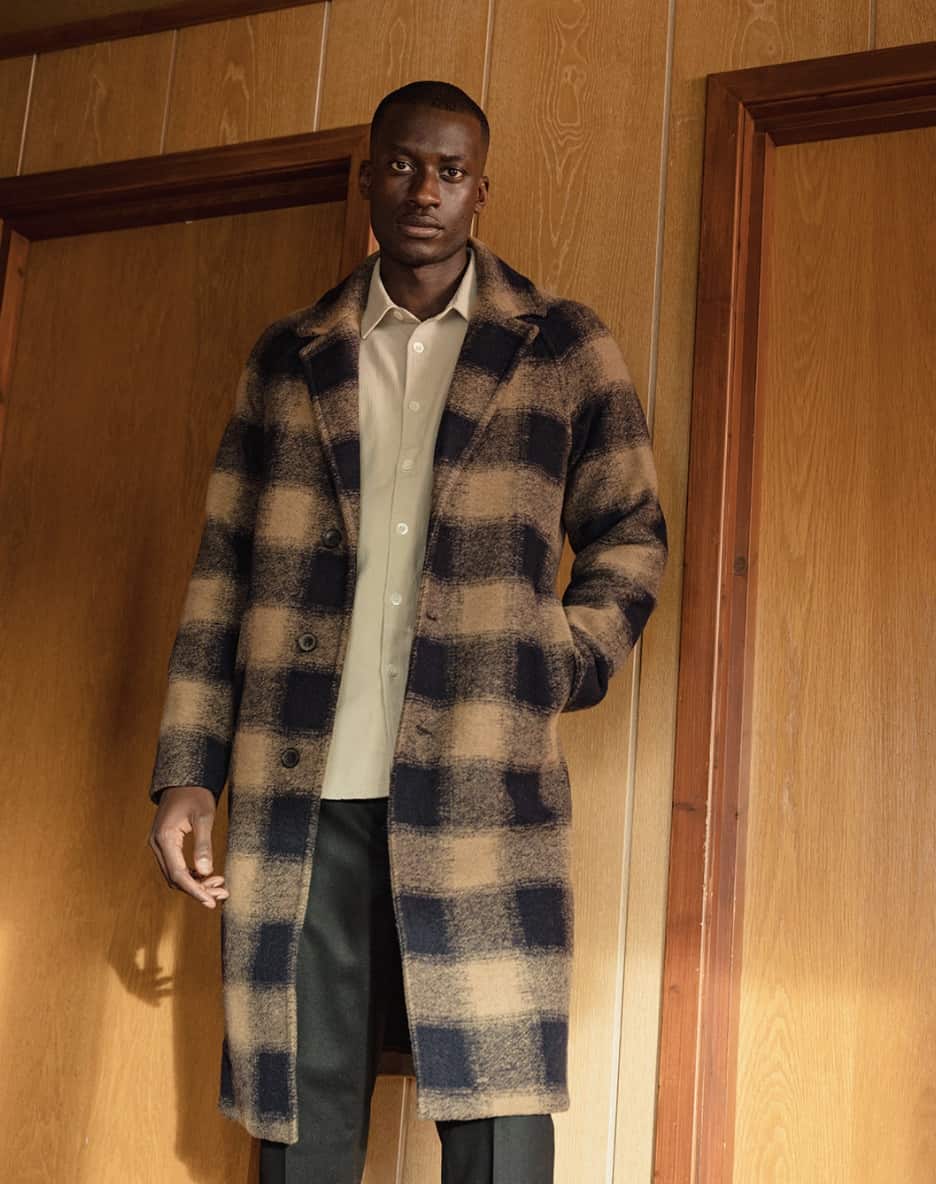
A dark-colored overcoat, such as black, charcoal, or deep navy, is the most appropriate. It should be clean, well-maintained, and free from any overly casual elements. The overcoat can be worn open or closed, depending on the temperature and the setting. It serves as a final, dignified layer that complements the overall respectful presentation.
Black Shoes: The Finishing Touch
Footwear plays a critical role in completing a funeral outfit. As the saying goes, one can often gauge a person by their shoes. Arriving in worn-out or casual footwear can undermine the entire effort to dress respectfully.
The most appropriate choice for funeral footwear is typically a pair of black, polished dress shoes. Cap-toe Oxfords are a classic and highly recommended option, offering a touch of elegance. Black loafers or Chelsea boots in a polished leather can also be suitable alternatives. The key is that they are clean, well-maintained, and exude a sense of formality.

What to Avoid: Maintaining Respect and Decorum
Understanding what not to wear to a funeral is as important as knowing what to choose. Certain items can inadvertently signal disrespect or a lack of consideration for the occasion.
Footwear Faux Pas: Sneakers and Flip-Flops
Sneakers, regardless of their style or brand, are generally considered too casual for a funeral. The exception might be extremely low-profile, minimalist black sneakers that closely resemble dress shoes, but even then, traditional formal footwear is preferred. Similarly, flip-flops are entirely inappropriate, both for their casual nature and the visual disruption they present. The sound they make when walking can also be distracting.
Casual Tops: T-shirts and Graphic Prints
T-shirts, especially those with bold graphics, slogans, or a baggy fit, are best avoided. While a plain, well-fitting black t-shirt might be acceptable in some very informal settings or if specifically requested by the family, it is generally safer to opt for a more formal shirt. The aim is to present a subdued and respectful image, and graphic tees tend to draw attention.
Denim Dilemmas: Jeans
Jeans are typically considered unsuitable for funerals unless the family has explicitly indicated a more relaxed dress code. Even then, dark wash, slim-fitting jeans are the only viable option, and even these can be risky. Ripped, distressed, or overly casual denim is a definite no-go. Formal trousers are always the safer and more appropriate choice.
Scruffy and Unkempt Items
Attending a funeral demands a level of care and attention to detail in one’s appearance. This means ensuring all clothing is clean, pressed, and free from visible damage like pulls, rips, or stains. Shirts should be tucked in, shoes polished, and ties adjusted to the correct length (the tip should align with the belt buckle or waistband). A scruffy or unkempt appearance can be perceived as a sign of disrespect.
Overly Revealing or Attention-Grabbing Clothing
Anything that is too tight, too short, too low-cut, or too brightly colored can be seen as inappropriate. The focus should be on solemnity and respect, not on personal style or making a statement. Large logos, excessive branding, or clothing that is overly flashy should be avoided.

Additional Considerations for Funeral Attire
Beyond the specific garments, several contextual factors can influence what is appropriate.
Time of Year and Weather
The season and expected weather conditions are crucial. Summer funerals may call for lighter fabrics and fewer layers, while winter services might require a warm overcoat, scarf, and gloves. The key is to dress appropriately for the climate while maintaining the overall somber tone.
Family Wishes and Cultural Context
It is vital to consider the wishes of the deceased’s family. Some families may request attendees wear black, while others might encourage a celebration of life with brighter attire. Cultural traditions can also influence funeral dress codes. If unsure, it is always best to err on the side of caution and opt for conservative, dark clothing. When in doubt, discreetly inquiring with a close family member or a funeral director is advisable.

The Importance of Dignity and Respect
Ultimately, the overarching principle is to dress in a way that honors the deceased and supports the grieving family. This means prioritizing modesty, neatness, and a somber color palette. The goal is to blend in and show that you are there to mourn and pay your respects, not to be the center of attention.
A Note on 2026 Trends and Funeral Wear
While fashion trends evolve, the core tenets of respectful funeral attire remain remarkably consistent. The emphasis on dark colors, clean lines, and conservative styles is unlikely to change significantly. The year 2026, like previous years, will likely see continued appreciation for classic menswear staples that convey dignity and respect. Therefore, investing in timeless pieces like a well-tailored black suit, crisp white shirts, and polished leather shoes will ensure you are appropriately dressed for such solemn occasions for years to come. The evolving landscape of fashion often reinterprets classic styles, but the fundamental requirement of respect in dress for a funeral will endure.