


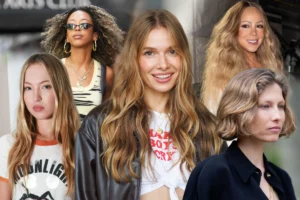
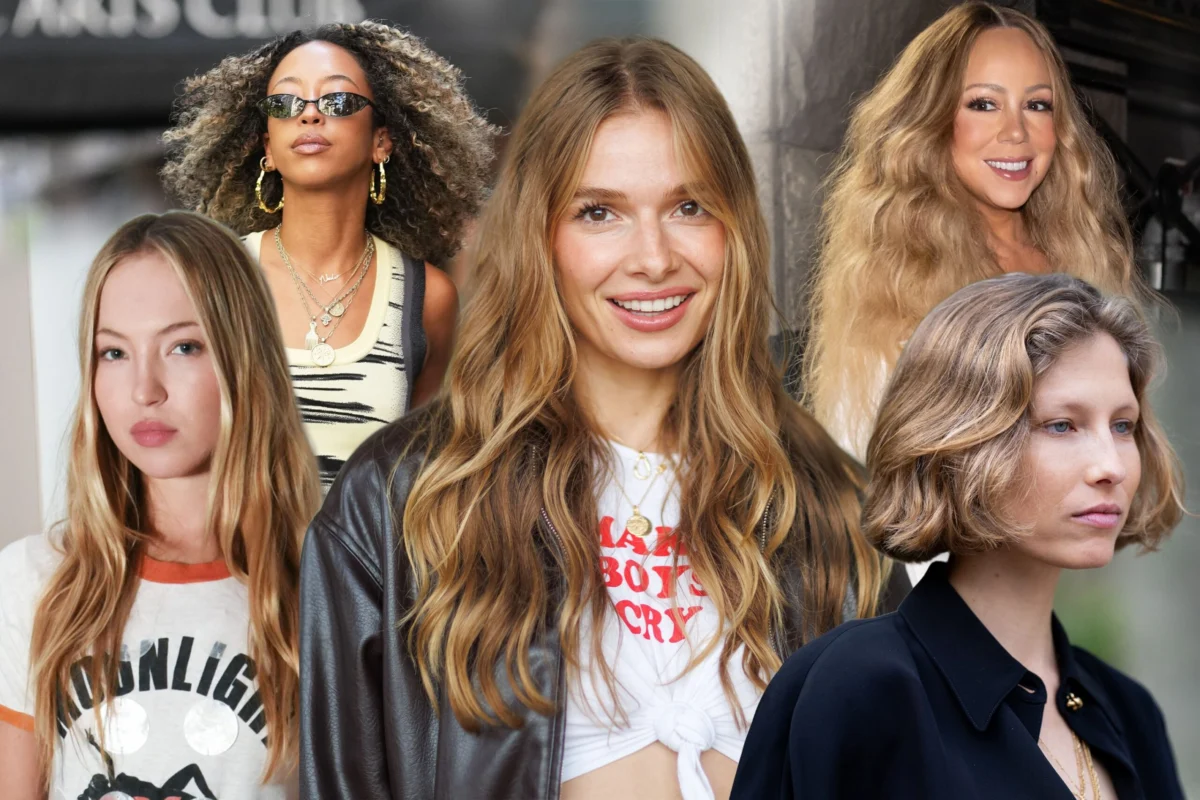
Achieving the perfect blonde hue often requires navigating a complex landscape of chemical processes and stylistic techniques, but among these, blonde balayage has emerged as a premier choice for those seeking a balance between aesthetic impact and practical maintenance. While the term is frequently used in contemporary salon vernacular, it represents a specific technical approach to light-reflecting color that prioritizes dimension and a seamless transition from the natural root to the lightened ends. As the demand for "lived-in" hair color continues to rise in the beauty industry, understanding the technical nuances, maintenance requirements, and historical evolution of this technique is essential for both consumers and professionals.

The term balayage, derived from the French word meaning "to sweep," originated in the 1970s at the Carita salon in Paris. Originally conceived as a way to hand-paint color onto the hair surface—as opposed to the saturated, uniform approach of traditional foil highlights—it offered a more artistic, organic aesthetic. Over the last five decades, this method has evolved from a niche European technique into a global standard for high-end hair color services. In the current market, it is estimated that over 60 percent of salon color services in North America involve some form of dimension-based lightening, with balayage being the most requested method for achieving a natural, sun-kissed finish.

Technical Evolution and Modern Methodology
While historical accounts describe balayage as a foil-free application, modern methodology has adapted to meet the needs of a diverse clientele. Today, the technique is often a hybrid process. Many colorists now utilize a combination of traditional foil placement to ensure lift on darker hair, paired with freehand painting techniques to achieve the soft, gradient effect that defines the look.

The primary distinction between standard foil highlights and balayage lies in the pattern of light distribution. Traditional highlights typically feature uniform, root-to-end saturation, which can create a distinct line of demarcation as the hair grows. Balayage, conversely, utilizes a gradient, or ombré-adjacent, approach. By focusing the density of the blonde at the mid-lengths and ends—and keeping the roots closer to the natural base color—the technique creates a softer grow-out phase. This structural difference is the reason many clients can extend the time between salon visits from the standard six-to-eight-week cycle to three-to-six months.

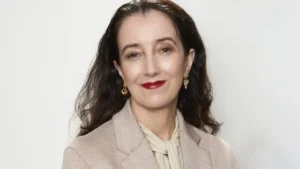
According to colorist Emaly Baum, founder of Beauty Supply in New York City, there is a common misconception that balayage is strictly for "soft" or subtle results. "People often conflate the technique with the final look," Baum explains. "Balayage is simply a tool in the colorist’s arsenal. You can achieve high-contrast, bright blonde results using this method, provided the placement and blending are executed with precision."

Strategic Customization for Diverse Hair Types
The feasibility of blonde balayage is largely dictated by the client’s starting hair color and the condition of the hair fiber. For individuals with dark brown or black hair, the journey to a high-lift blonde through balayage requires a cautious, multi-session approach to preserve hair integrity. Professional colorists emphasize that the "Pinterest-perfect" look often seen on social media platforms may require significant time to achieve safely.

The consultation process serves as the most critical stage of the service. During this phase, professionals must assess the hair’s porosity, elasticity, and previous color history. If a client with a deep base color desires a bright, platinum-leaning balayage, the process may involve an initial lightening session followed by a strategic root shadow or "smudge" to create the necessary transition. This prevents the hair from appearing over-processed and ensures the final result complements the client’s natural skin tone and underlying pigments.

Maintenance and the Economics of Color
Beyond the initial application, the longevity of blonde balayage is dependent on a consistent home-care regimen. Because the hair has been lightened, it is inherently more susceptible to environmental stressors, such as UV exposure, hard water, and heat styling.

Professional consensus suggests that the transition to a low-maintenance color service also necessitates a shift in product usage. The industry standard for post-color care now heavily emphasizes color-safe, sulfate-free shampoos and conditioners that balance hydration with pigment protection. Experts often point to the importance of the pH balance of these products; a lower pH helps to seal the hair cuticle, which is vital for preventing the premature fading and brassy yellow tones that can plague lightened hair.

Market data regarding salon spending shows that while the initial cost of a balayage service is often higher than traditional highlighting—due to the time-intensive nature of the hand-painting process—the long-term expenditure is significantly lower. By reducing the frequency of appointments by more than half, the client achieves a favorable cost-per-wear ratio, contributing to the technique’s sustained popularity during periods of economic volatility.

Advanced Care Protocols
To maintain the integrity of the hair and the vibrancy of the color, top-tier stylists now recommend incorporating a three-tiered approach to maintenance:

- Weekly Conditioning: The use of intensive hair masks, such as the Davines Nounou mask, is recommended to replenish lipids and proteins lost during the lifting process.
- Heat Management: As heat damage is a leading cause of color oxidation, the use of thermal protectants, such as the Milbon Color Retaining Primer, is non-negotiable for those who utilize blow-dryers or curling irons. These products often contain UV filters that shield the hair from oxidative stress.
- Refresher Glosses: At-home clear or tinted glosses, like the Glaze Supergloss, allow clients to restore shine and neutralize brassy tones between professional visits. This step is particularly effective for maintaining the "just-left-the-salon" luster for several weeks post-appointment.
Broader Industry Implications
The rise of the "lived-in" aesthetic has fundamentally altered the relationship between the client and the stylist. The beauty industry has moved away from the "maintenance-heavy" culture of the early 2000s, where monthly root touch-ups were the norm, toward a model that celebrates natural texture and elongated regrowth. This shift has not only influenced consumer behavior but has also spurred innovation in the chemical manufacturing sector, with brands developing new lighteners that offer higher lift with lower ammonia concentrations.

Furthermore, the popularity of this technique has created a demand for specialized training. Hair academies are increasingly placing a focus on "dimensional color theory," teaching stylists how to read hair canvases and apply lightener in a way that mimics natural light exposure.

As the beauty sector continues to prioritize wellness and longevity, the focus on protective, low-maintenance color services is expected to remain the dominant trend. The success of blonde balayage is, ultimately, a result of its ability to merge high-level technical skill with the consumer’s desire for a sustainable, low-effort aesthetic that evolves gracefully with the hair’s natural growth cycle. Whether for a subtle, honey-toned update or a bold, high-contrast blonde, the technique remains one of the most reliable and versatile methods in professional hair care today. By managing expectations through thorough consultations and adhering to a rigorous, protective home-care routine, clients can enjoy a professional, long-lasting look that bridges the gap between high-fashion color and everyday manageability.